Why Torquay Homeowners Are Looking at Double Glazing Right Now
There’s something quietly urgent happening in Torquay’s housing market right now. With the town sitting at an average EPC Band D rating, and energy bills still biting despite the mild Devon coast climate, homeowners across Chelston, Shiphay, and St Marychurch are realising that decent windows aren’t a luxury, they’re the foundation of a warm, efficient home.
Here’s the thing about Torquay that catches people off guard: yes, it’s warmer than most of England, but the salt-laden Atlantic winds that whip in off Torbay don’t care about that. Those prevailing westerlies carry driving rain and corrosive sea air that chew through old single-glazed timber frames faster than almost anywhere inland. If your home has original windows from the 1960s or 70s, and thousands in Torquay do, they’re likely draughty, rattling, and quietly leaking warmth every single day.
There’s also a generational factor worth mentioning. Torquay has one of the higher retirement-age populations in Devon, and for many fixed-income households in areas like Plainmoor and Barton, a one-off investment in double glazing that cuts heating bills year after year makes a lot more financial sense than keeping the boiler running harder than it should.
What Double Glazing Actually Involves for a Typical Torquay Home
Most Torquay homes fall into two main camps, semi-detached houses and flats, and both come with their own installation quirks worth knowing about before you get any quotes.
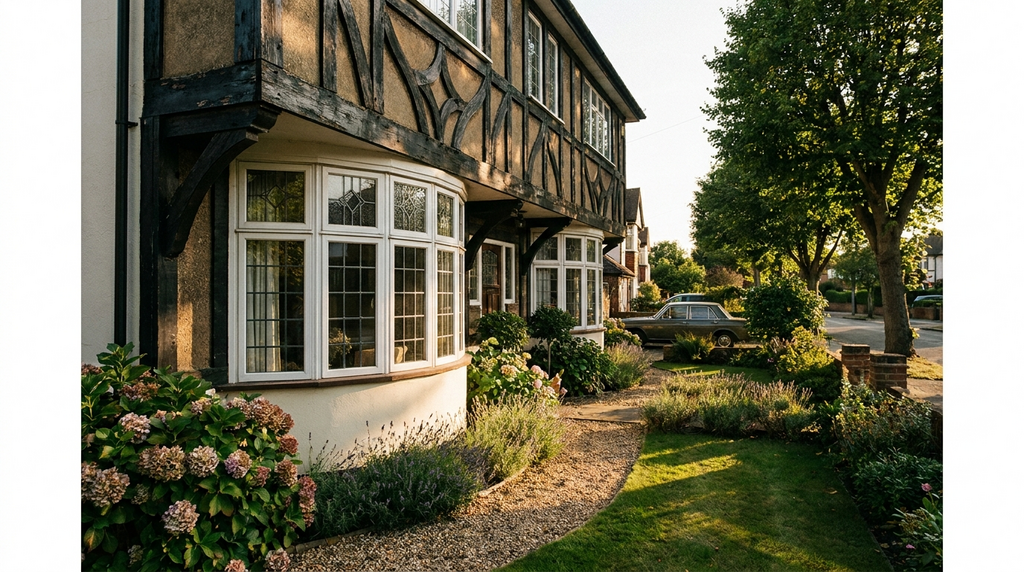
The semi-detached stock in areas like Shiphay and Watcombe tends to date from the interwar period (1920s–1940s) or the postwar building boom of the 1950s and 60s. These properties often have non-standard window openings, slightly irregular brickwork, and original timber frames that may have warped or settled over the decades. Getting accurate measurements is absolutely critical here, don’t let any installer quote you without a proper survey visit.
Flats present a different set of challenges entirely. If you own a leasehold flat, which covers a huge number of Torquay properties, particularly in the seafront and town centre conversion buildings, you’ll likely need freeholder or management company approval before fitting new windows. This is non-negotiable, and skipping it can cause serious legal headaches when you come to sell.
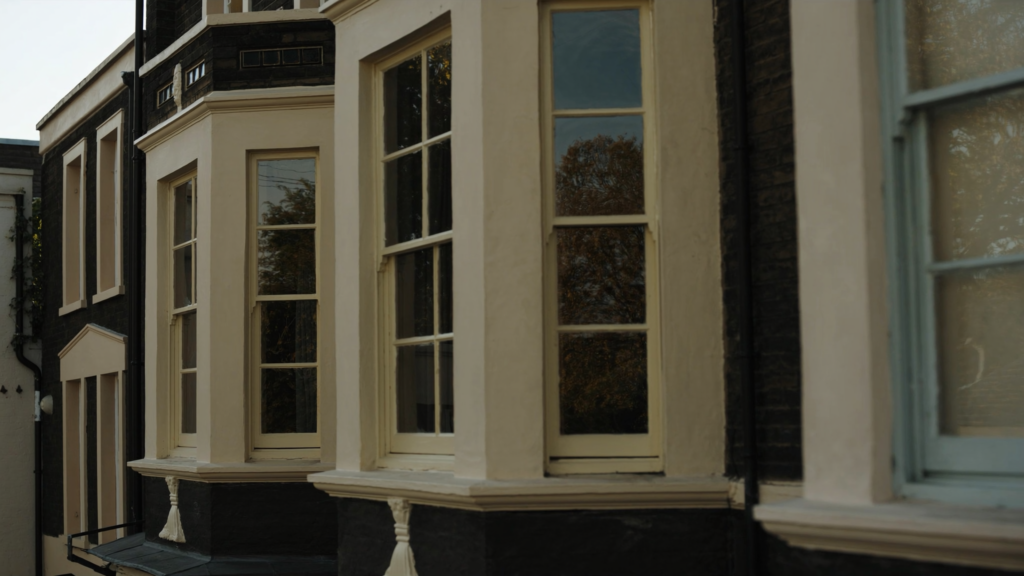
There are also a number of stone-built Victorian terraces in central Torquay and around the Torre area. Older stone or cob construction means frames can be slightly irregular, and the reveals (the recessed area around your window opening) may be deeper than modern standard frames assume. A good local installer will know this already, a fly-by-night firm from outside the area probably won’t.
Key installation considerations for Torquay homes:
- Non-standard window sizes in pre-1970s properties often mean bespoke manufacturing, which adds cost and lead time
- Leasehold flat owners must obtain written permission from freeholders before any window work starts
- Ground floor flats on coastal-facing elevations need marine-grade hardware and frame materials as standard
- Older properties with solid stone walls may require specialist fixing methods rather than standard frame anchors
- Access difficulties in narrow terraced streets off the harbour area can affect scaffolding costs and logistics
How Much Double Glazing Costs in Torquay and the South West Area in 2026
Let’s talk real money. Torquay sits at a slight premium compared to, say, Exeter or Exmouth, largely because of the coastal access challenges, the proportion of older non-standard properties, and the fact that many specialist installers serving the area are based in Exeter (29km away) and factor in travel time for surveys and installation days.
Even so, costs here are still generally lower than you’d find in London or the South East. Here’s a realistic breakdown for 2026:
| Property Type / Scope | Number of Windows | Torquay Cost (2026) | South West Average | UK National Average |
|---|---|---|---|---|
| Small flat (ground or mid-floor) | 3–4 windows | £2,400–£3,800 | £2,100–£3,500 | £2,000–£3,200 |
| Semi-detached house (standard) | 6–8 windows | £4,500–£7,000 | £4,200–£6,500 | £4,000–£6,200 |
| Semi-detached with front door | 6–8 windows + door | £5,500–£8,500 | £5,000–£7,800 | £4,800–£7,400 |
| Larger detached / older stone property | 10–14 windows | £8,000–£14,000 | £7,500–£13,000 | £7,000–£12,000 |
| Conservation area (timber-look or heritage uPVC) | 6–8 windows | £6,500–£10,500 | £6,000–£10,000 | £5,800–£9,500 |
Torquay’s coastal location adds roughly 5–10% to marine-grade hardware upgrades, which is well worth budgeting for, more on that below. Scaffolding for upper-floor windows on tighter residential streets in Ellacombe or the older parts of St Marychurch can add £300–£800 to a job depending on access.
Installers covering Torquay typically also serve Totnes, Dartmouth, and Exmouth in the same operational area. If you’re happy to be flexible about scheduling, you may get a slightly better rate by agreeing to fit around a job they’re already doing closer to you.
How Torquay’s Weather and Location Affect Your Double Glazing Choices
This is where living by the sea really changes things, and where generic national advice can genuinely lead you wrong.
Torquay receives over 1,000mm of rainfall per year, and much of it arrives horizontally on westerly winds driving in from the English Channel and Torbay. This is called driving rain, and it’s the enemy of poorly installed or low-quality double glazing. Water ingress around frames is far more common here than in sheltered inland towns, so frame-to-wall sealing is critically important. Always ask your installer what sealant and weatherproofing system they’re using on the outer reveal.
The salt air is the other major factor. Within roughly 1–2km of the seafront, which covers a lot of Torquay, airborne salt particles accelerate corrosion on any metal components. This means standard steel or aluminium hardware (hinges, locks, trickle vents) will degrade faster than it would in, say, Totnes or Exeter. Specify marine-grade stainless steel or powder-coated aluminium fittings, and don’t let any salesperson talk you out of it by saying “the standard ones are fine.”
On the positive side, Torquay’s relatively mild winters (heating degree days around 1,200–1,500, lower than most of England) mean your double glazing doesn’t have to work as hard during cold snaps. But it does mean that solar gain, warmth from sunlight through south-facing windows, is genuinely useful here. The South West leads the UK for solar irradiance, and a well-specified south-facing double-glazed window with the right glass coating can actually contribute meaningfully to your home’s warmth on sunny winter days.
The Products and Options That Work Best Here
Based on Torquay’s specific conditions, here’s what actually performs well, not a generic product sheet, but honest recommendations shaped by the local environment.
Frame material
uPVC remains the most popular choice in Torquay and it’s generally the right call for most homes. It doesn’t corrode, requires minimal maintenance, and handles coastal moisture well. For properties in conservation areas (particularly around the Victorian seafront terraces), timber-effect uPVC profiles give the right aesthetic without the upkeep headaches of real wood in a wet coastal climate.
Aluminium frames with a quality powder-coat finish are an excellent choice for modern flats and larger glazed areas. Just make sure the thermal break within the aluminium profile is specified, without it, aluminium frames conduct cold straight through. Marine-grade powder coating is non-negotiable within 2km of the shore.
Glass specification
At minimum, specify double glazing with an argon gas fill between panes and a low-emissivity (low-e) coating, this gives you a centre-pane U-value around 1.1 W/m²K. For south and west-facing elevations that take the brunt of Torquay’s driving rain and wind, consider upgrading to triple glazing, which delivers a U-value closer to 0.6–0.7 W/m²K and provides noticeably better acoustic performance against wind noise.
Specific recommendations for Torquay conditions:
- Warm-edge spacer bars (rather than aluminium) to reduce condensation on the inner pane during damp Devon winters
- Trickle vents in marine-grade plastic or stainless steel, standard ones will corrode within a few years near the seafront
- 90° or 180° egress opening restrictors on upper-floor windows for Building Regulations compliance
- Anti-corrosion multi-point locking systems on any window within 1.5km of the coast
- Solar control glass on south-facing windows in seafront properties that get strong summer afternoon sun
How to Find a Trustworthy Double Glazing Installer Near Torquay
The double glazing industry has a patchy reputation nationally, and Torquay is no exception. The good news is that there are genuinely excellent installers operating in the Torbay area, you just need to know how to spot them.
For double glazing specifically, the key accreditation to look for is FENSA registration. FENSA-registered installers are authorised to self-certify that their work meets Building Regulations, which saves you having to notify Torbay Council separately. If an installer isn’t FENSA registered, they should be registered with CERTASS instead, both are acceptable, but check one is in place before signing anything.
TrustMark registration is an additional quality mark worth checking for, it means the installer has been vetted for trading standards compliance and customer service, which matters in an area that attracts seasonal fly-by-night traders during the summer months.
Questions to ask any Torquay installer before committing:
- Are you FENSA or CERTASS registered, and will you handle the Building Regulations notification
- Do you manufacture your own frames or source them from a third party, and where from
- What marine-grade specification do you use for coastal properties
- Can you provide references from jobs in Torquay specifically, not just the South West generally
- What is your lead time from survey to installation in 2026
- What does your guarantee cover, and is it backed by an insurance-backed warranty
Current lead times in the South West for double glazing run at around 6–10 weeks from survey to installation, slightly longer than the national average due to the distance of major manufacturing facilities. Installers covering Torquay typically also take on work in Totnes, Dartmouth, and Paignton, so ask if they can combine your job with nearby work to reduce mobilisation costs.
Red flags to watch for: high-pressure same-day quotes, no physical business address, requests for more than 25% deposit upfront, and any installer who doesn’t insist on a proper measured survey before quoting.
Grants and Funding That Could Reduce Your Costs in 2026
The funding landscape for double glazing in 2026 is more nuanced than many homeowners expect, windows are rarely funded in isolation, but they frequently qualify as part of broader home improvement packages.
ECO4 (Energy Company Obligation)
ECO4 funds energy efficiency improvements for low-income or vulnerable households. Double glazing can be funded under ECO4 when it’s part of a wider retrofit package, for example, alongside insulation or a heat pump upgrade. Eligibility depends on income, benefits received, and your property’s current EPC rating. Given that many Torquay properties sit at Band D, you may qualify if your household income is under £31,000 or you receive certain means-tested benefits. Contact Torbay Council’s housing team or an ECO4-registered installer to check eligibility.
Single measures including window upgrades can sometimes qualify. As of 2026, the scheme is in its extended phase, check gov.uk for the latest status and apply through a registered supplier.
Warm Homes Plan (England)
The Warm Homes Plan launched nationally in 2026 provides grants and low-interest loans for home energy upgrades, with a particular focus on low-income owner-occupiers and private renters. Double glazing qualifies as an eligible measure. Torbay residents should check whether the scheme has local authority delivery through Torbay Council’s housing department, as councils have some discretion in how they administer the local element of the scheme.
Devon and Cornwall Retrofit Pilots
The South West has its own regionally-funded pilot programmes running through the Devon County Council and Homes England partnership. These focus on older, harder-to-treat properties, which covers a significant chunk of Torquay’s housing stock. Eligibility is area-based and property-condition based, so it’s worth contacting Torbay Council directly to ask whether your address falls within a targeted area.
Glazing is standard-rated for VAT at 20%. The zero rate for energy-saving materials covers insulation, heat pumps and solar panels; HMRC names secondary and double glazing as excluded (VAT Notice 708/6).
This applies to the supply and installation together, saving you a meaningful amount, on a £6,000 window job, that’s a £1,000 saving baked in automatically. Glazing is standard-rated for VAT at 20%. The zero rate for energy-saving materials covers insulation, heat pumps and solar panels; HMRC names secondary and double glazing as excluded (VAT Notice 708/6).
Planning Permission and Regulations in Torquay
For most Torquay homeowners, double glazing falls under permitted development rights, meaning you don’t need to apply for planning permission. This applies to standard replacements on houses where the glazing matches the style of the existing windows and doesn’t project beyond the existing frame.
However, there are important exceptions that affect a significant number of Torquay properties.
Conservation areas are the biggest consideration. Torquay has several designated conservation areas, particularly covering the Victorian seafront terraces, the historic town centre, and parts of Cockington village. If your property is within a conservation area, you’ll need to check with Torbay Council’s planning department