Why St Albans Homeowners Are Taking Double Glazing Seriously Right Now
St Albans has a quiet energy problem that most people don’t talk about at the school gates or in the queue at the market. The city’s housing stock is genuinely old, we’re talking Victorian terraces near the Cathedral Quarter, Edwardian semis around Clarence Park, and mid-century estates spreading out towards Marshalswick and How Wood. A huge proportion of these homes still have original windows, and even those fitted with early-generation double glazing in the 1990s or early 2000s are now well past their useful life.
The combination of Band D EPC ratings (right at the UK average) and those biting cold easterly winds that sweep across Hertfordshire in January and February makes poor windows feel miserable and expensive. St Albans sits on relatively flat, open ground, there’s nothing between you and the North Sea when those easterlies arrive, and single-glazed or tired double-glazed windows let that cold straight in.
Add to that the city’s proximity to London commuter costs and rising energy bills, and it’s no surprise that demand for proper, high-performance double glazing has been climbing steadily. Local installers covering St Albans and the cluster of nearby towns, Hemel Hempstead, Welwyn Garden City, Watford and Luton, are reporting healthy order books, which means booking early makes sense.
What Double Glazing Actually Involves for a Typical St Albans Home
The semi-detached and detached properties that dominate St Albans neighbourhoods like Batchwood, Jersey Farm and the streets around Bernards Heath each present their own set of installation realities. Understanding what the job actually looks like helps you plan properly and avoid nasty surprises on the day.
The Building Eras You’ll Encounter in St Albans
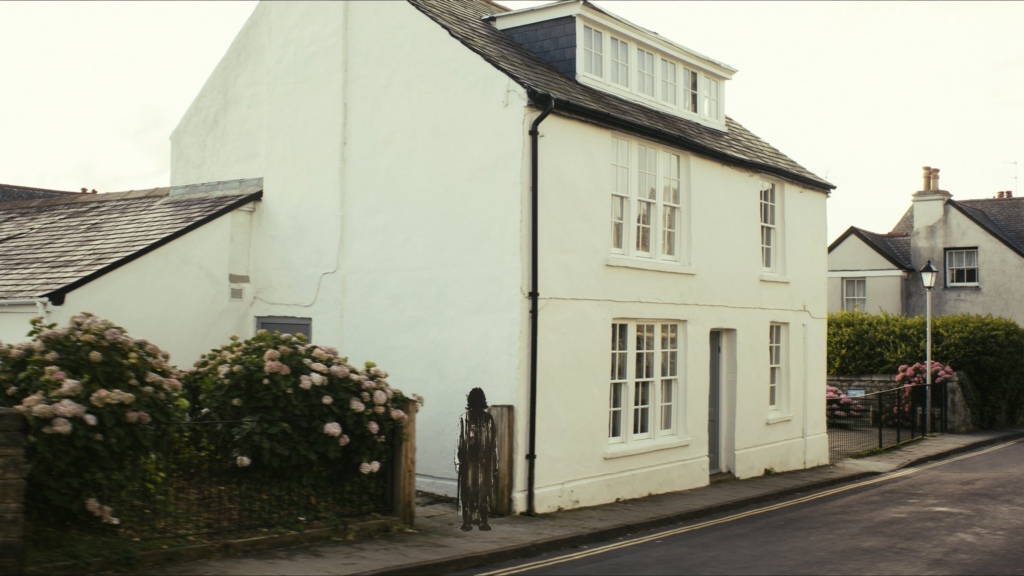
Pre-1919 properties near the Cathedral and St Michael’s village often have non-standard window openings, irregular brick reveals, timber frames that have shifted over decades, and stone or rubite surrounds that need careful handling. Replacement frames here need custom sizing rather than off-the-shelf units, which adds both time and cost.
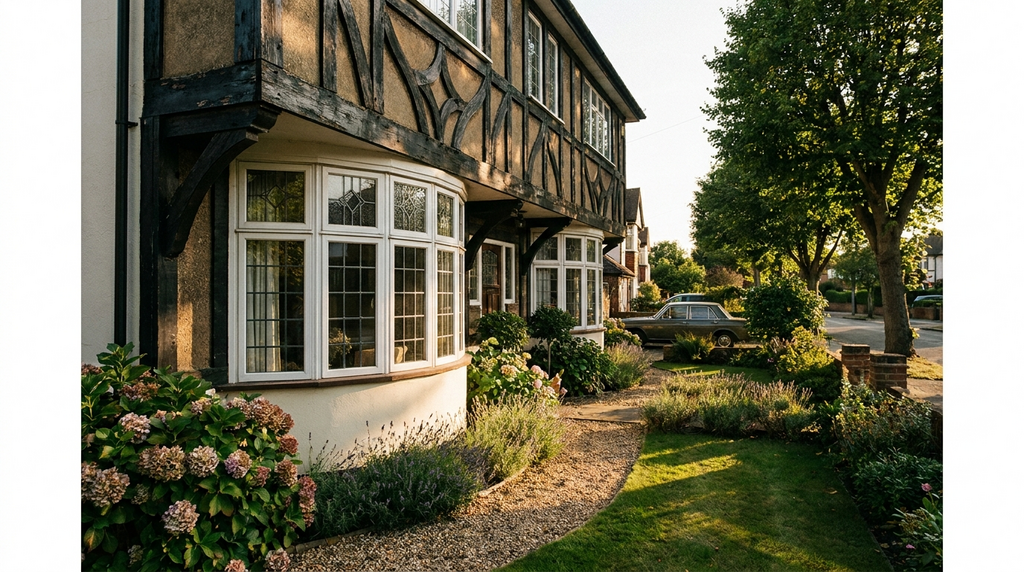
Interwar semis from the 1930s, particularly common in the Marshalswick area and around King Harry Lane, typically have metal Crittal-style frames. These require specialist removal and carry their own planning considerations if you’re in a conservation area or Article 4 zone.
Post-war estates from the 1950s through 1970s (think How Wood, Bricket Wood, and parts of London Colney) are generally the most straightforward. Standard opening sizes mean off-the-shelf units often fit well, keeping costs down and installation time short.
Practical Realities on the Day
- Access and parking, Streets near the city centre and Cathedral conservation area can be tight. Some installers charge a small access supplement if they can’t get a van close to the property
- Lead reveals, Older St Albans homes often have deep brick reveals that need careful trimming or packing to get a neat finish
- Internal disruption, Expect one to two days for a typical semi-detached with 8-10 windows; larger detached properties may run to three days
- Decoration, New frames almost always require some internal redecoration around the reveals, factor this into your budget from the start
How Much Double Glazing Costs in St Albans and the East of England Area in 2026
St Albans sits in a moderate labour cost zone, not as expensive as Central London, but notably pricier than rural Hertfordshire or towns further north. Expect to pay a modest premium over the national average, broadly in line with the East of England regional figure. Installers based in the nearby towns of Hemel Hempstead and Watford frequently serve St Albans, so you have genuine competition keeping prices sensible.
| Property Type and Scope | St Albans Typical Cost | East of England Average | UK National Average |
|---|---|---|---|
| 2-bed semi, 6 windows (uPVC) | £3,800 – £5,200 | £3,600 – £4,900 | £3,200 – £4,500 |
| 3-bed semi, 8–10 windows (uPVC) | £5,000 – £7,000 | £4,700 – £6,500 | £4,200 – £6,000 |
| 4-bed detached, 12–14 windows (uPVC) | £7,500 – £10,500 | £7,000 – £9,800 | £6,200 – £9,000 |
| 3-bed semi, 8–10 windows (timber effect) | £7,000 – £10,000 | £6,500 – £9,500 | £5,800 – £8,500 |
| 4-bed detached, aluminium frames | £10,000 – £15,000 | £9,500 – £14,000 | £8,500 – £13,000 |
| Single window replacement (uPVC, standard) | £450 – £750 | £420 – £700 | £380 – £650 |
| Conservation area compliant (per window) | £700 – £1,200 | £650 – £1,100 | £600 – £1,000 |
What pushes your quote higher in St Albans specifically, conservation area requirements near the Cathedral and the Fishpool Street area, access difficulties in the older city centre streets, non-standard window sizes in pre-1919 homes, and any requirement for heritage-style glazing bars or traditional mouldings. Get three quotes and make sure each one specifies exactly the same product, glass specification, frame depth, and hardware grade.
How St Albans’s Weather and Location Affect Your Double Glazing Choices
This is where generic advice falls flat. The weather profile here is genuinely different from, say, the West Midlands or the North West, and it changes what you should be prioritising when choosing glazing.
Cold Easterlies, Your Biggest Thermal Enemy
St Albans gets a relatively mild winter overall, with 1,200 to 1,500 heating degree days per year, lower than average. But those cold, dry easterly winds in January and February are brutal on east-facing windows in particular. If your bedroom faces towards Welwyn Garden City or beyond, you’ll know exactly what we mean. High-performance glazing with a warm-edge spacer bar (more on this below) makes a noticeable difference on these elevations.
Excellent Solar Gain, Use It, Don’t Block It
St Albans enjoys some of the best solar irradiance in the UK, hitting 1,100 to 1,200 kWh per square metre per year. This is a genuine asset. On south and west-facing windows, you want glazing that maximises solar gain in winter, a higher g-value (solar heat transmittance) of around 0.6 is ideal rather than the reflective coatings sometimes sold as standard. Don’t let an installer talk you into heavily tinted or solar-reflective glass on your south-facing rooms, you’ll lose free winter warmth.
Lower Rainfall Means Less Condensation Risk
With annual rainfall between 500 and 700mm, well below the UK average, St Albans doesn’t suffer from the chronic exterior condensation issues that plague wetter western regions. Even so, internal condensation on poorly performing glazing is still a real problem in older properties with inadequate ventilation. Modern double glazing with trickle vents is the right solution here.
The Products and Options That Actually Perform Well in St Albans
There’s no one-size-fits-all answer, but based on the housing stock and climate conditions here, some products genuinely stand out.
For Most St Albans Homes, High-Performance uPVC with A-Rated Glazing Units
A window rated A or above on the BFRC window energy rating scale, incorporating a low-emissivity (low-E) coating and argon gas fill, is the sweet spot for the majority of St Albans properties. Look for a U-value of 1.2 W/m²K or better for the whole window unit, not just the glass centre pane, which is where some suppliers hide their figures.
- Warm-edge spacer bars, These replace the standard aluminium spacer around the glass edge with a thermally broken alternative. They reduce condensation at the frame edge and improve overall U-value by around 0.1 W/m²K. Worth the modest extra cost
- Argon gas fill, Standard on reputable products now. Krypton fill offers a marginal improvement but rarely justifies the premium for residential properties
- Trickle vents, Required under Building Regulations for replacement windows. Some homeowners resist them, but in St Albans’s drier climate they’re genuinely helpful for background ventilation without significant heat loss
For Pre-1919 and Conservation Area Properties
If your home is in the Cathedral Conservation Area, the Fishpool Street area, or any of St Albans’s Article 4 zones, slim-profile double glazing units in either timber or aluminium are worth considering. Modern slim double-glazed units can achieve 6mm overall thickness, fitting many original frames. Secondary glazing is also a highly practical option that avoids planning complications entirely and performs surprisingly well thermally.
For Larger Detached Homes
Aluminium frames with thermally broken sections suit the architectural character of many of St Albans’s larger detached homes, particularly those built from the 1970s onwards around Batchwood and the Sandpit Lane area. They’re more expensive but durable, slim-sightlined, and carry strong kerb appeal if you’re thinking about eventual resale.
How to Find a Trustworthy Double Glazing Installer Near St Albans
The St Albans market is well served by installers, partly because the city sits in a natural cluster with Hemel Hempstead, Watford, Welwyn Garden City and Luton, most regional companies cover this whole patch. That’s actually good news for you, because it means genuine competition and relatively healthy choice.
Certifications That Matter
- FENSA registration, Absolutely non-negotiable for replacement windows in England. A FENSA-registered installer self-certifies compliance with Building Regulations and registers the work with the local authority. Without this, you’ll need to apply for a building regulations certificate separately, and it causes problems when you sell
- CERTASS, An equally valid alternative to FENSA. Either scheme is fine
- TrustMark, Government-endorsed quality scheme; adds a useful extra layer of consumer protection
- GGF Membership, The Glass and Glazing Federation maintains a code of practice and offers a deposit indemnity scheme
Questions Worth Asking Before You Sign Anything
- What is the exact centre-pane U-value and whole-window U-value for the unit you’re quoting
- Are warm-edge spacer bars included as standard or an extra
- Who manufactures the sealed units, are they made in-house or bought in
- What is the lead time from order to installation (currently six to ten weeks with most St Albans area installers)
- What does the guarantee cover, frame, sealed unit, hardware, and installation workmanship separately
Red Flags to Watch For
High-pressure same-day signing discounts, very vague specifications (“A-rated glass” without further detail), and quotes that seem dramatically cheaper than the others deserve scrutiny. A legitimate installer will give you a written spec sheet and time to compare it.
Grants and Funding That Could Reduce Your Costs in 2026
Double glazing is one of those improvements where grant funding can genuinely shift the numbers, particularly if you’re on a lower income or your home is EPC Band E or below.
ECO4 (Energy Company Obligation, Phase 4)
ECO4 remains the most significant route to fully funded or heavily subsidised glazing for eligible St Albans households. If your home is EPC Band D, E, F or G and you receive qualifying benefits (Universal Credit, Pension Credit, Child Tax Credit and similar), you may qualify for window upgrades at zero cost. Hertfordshire County Council has worked with energy companies to extend ECO4 reach across the county, worth checking your eligibility via the government’s Simple Energy Advice portal or directly through St Albans City and District Council’s housing team.
Great British Insulation Scheme (GBIS)
The Great British Insulation Scheme closed on 31 March 2026. It funded insulation measures only and never covered windows or glazing. Households in the lower council tax bands (A to D) in St Albans are potentially eligible regardless of benefit status. The scheme runs through energy suppliers, contact your current supplier first to ask what they can offer.
St Albans City and District Council Initiatives
St Albans City and District Council has set ambitious net zero targets, and the council periodically runs retrofit support programmes and signposting services for residents. Keep an eye on the council’s website or contact their environment team, they can often point you toward installer schemes, interest-free council loans for home improvements, or Hertfordshire-wide programmes that aren’t widely publicised.
Honest Caveat
Grants for double glazing alone (rather than as part of a whole-house retrofit) are harder to access than grants for insulation or heat pumps. If your EPC is Band D and you’re not on benefits, you’re likely funding the majority yourself, but the savings calculations below show why it still makes strong financial sense.
Planning Permission and Regulations in St Albans, What You Actually Need to Know
This is where St Albans gets more complicated than most towns, and it’s worth getting right before you order anything.
Standard Permitted Development for Most Properties
For the majority of semi-detached and detached homes in St Albans, replacing windows like-for-like in terms of appearance falls under Permitted Development rights, meaning no planning permission is required. Your installer handles Building Regulations compliance through FENSA or CERTASS registration. Straightforward.
Conservation Areas, A Real Factor in St Albans
St Albans has a significant number of designated conservation areas, most notably around the Cathedral and Abbey, Fishpool Street, and parts