Why Harrow Homeowners Are Looking at Double Glazing Right Now
There’s a quiet but very real shift happening across Harrow’s streets right now. From the Edwardian terraces of Wealdstone to the post-war semis of Rayners Lane and Kenton, homeowners are waking up to the fact that their windows are costing them money every single day, and that something can actually be done about it.
Harrow sits in a curious position. As one of London’s more residential outer boroughs, it’s dominated by the kind of solid but ageing housing stock that was built long before anyone thought seriously about energy efficiency. The average EPC rating here is Band D, which means most homes are leaking heat through single-glazed or poorly sealed windows that were never designed for modern energy bills.
Then there’s the cost-of-living pressure that’s particularly acute in Greater London. With labour costs running 15–25% above the national average and household energy bills still elevated after years of market turbulence, Harrow homeowners are increasingly looking at double glazing not as a luxury upgrade but as a genuinely practical investment. Add in the fact that Harrow Council has been actively promoting retrofit improvements as part of its borough climate commitments, and the timing feels right.
If you’ve been putting this off, this guide is written specifically for your situation, your streets, your home type, your local planning rules, and your realistic budget.
What Double Glazing Actually Involves for a Typical Harrow Home
Most homes in Harrow were built between the 1900s and the 1960s. That’s a important detail, because it shapes almost everything about how a double glazing project actually unfolds on your property.
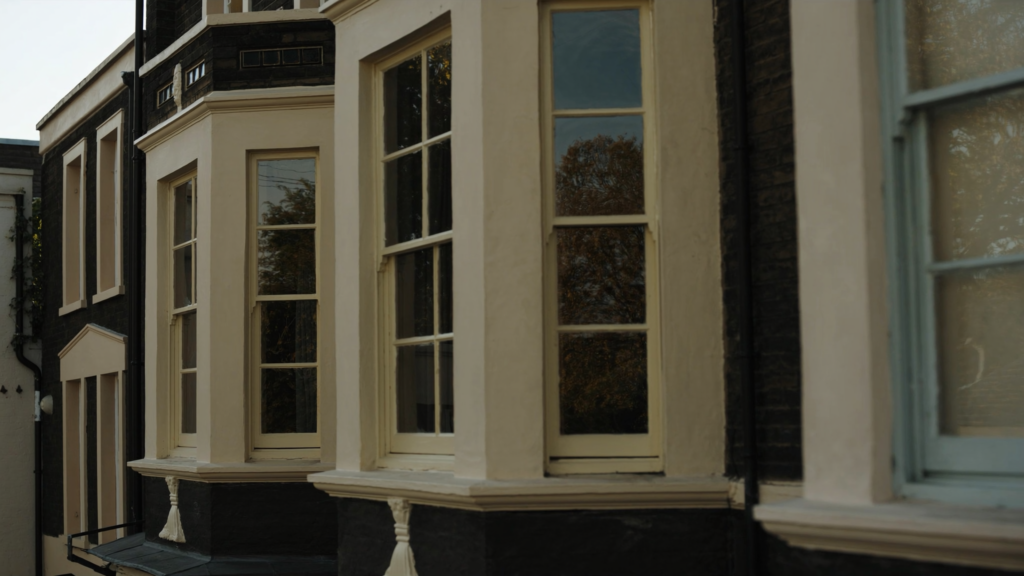
The interwar and Edwardian semis that line roads like Greenhill Way and Vaughan Road typically have original timber sash or casement windows with single glazing and thin putty pointing that’s been deteriorating for decades. These frames often need full replacement rather than a simple glass upgrade, which affects both cost and timescale.
Post-war terraces and semis, common across Belmont, North Harrow, and South Harrow, tend to have slightly more standardised window openings, which can make sourcing replacement units simpler. However, if previous owners fitted cheap uPVC units in the 1990s or early 2000s, you may be replacing those too, that first generation of uPVC is now failing at the seals and showing serious discolouration.
Here’s what the practical process looks like for a typical Harrow semi or terrace
- A surveyor visits to measure every opening and assess frame condition
- You choose your frame material (uPVC, aluminium, or timber composite), glass specification, and opening style
- Units are manufactured to measure, usually a 3–6 week lead time from London-area suppliers
- Installation typically takes 1–2 days for a full house on a standard semi
- Old frames and glass are taken away, new units fitted, sealed, and signed off
One challenge specific to Harrow is access. Many terraced streets have no front driveway, meaning installers must carry materials and waste along narrow passages or through the house itself. This adds time, and in some cases cost, to jobs that would be quicker in towns with better vehicle access. Parking restrictions across much of the borough also mean installers may face additional costs getting their vans close enough to work efficiently.
How Much Double Glazing Costs in Harrow and the London Area in 2026
Let’s talk honest numbers. Double glazing costs in Harrow are higher than the UK national average, that’s simply the reality of working in Greater London. Labour, logistics, parking permits, and ULEZ compliance all feed into installer pricing here.
Below is a realistic pricing guide for 2026 based on typical Harrow properties. These figures assume uPVC frames with A-rated glass as standard, which is the most common choice across the borough.
| Property Type | Number of Windows | Harrow Average Cost | UK National Average |
|---|---|---|---|
| Mid-terrace (2 bed) | 4–6 windows | £3,200 – £4,800 | £2,600 – £3,800 |
| Semi-detached (3 bed) | 6–8 windows | £4,500 – £6,500 | £3,500 – £5,200 |
| Semi-detached (4 bed) | 8–10 windows | £5,800 – £8,200 | £4,500 – £6,800 |
| Full house inc. front door | 8–10 + door | £6,500 – £9,500 | £5,200 – £7,800 |
| Upgrade to triple glazing (per window premium) | Per unit | +£150 – £250 | +£120 – £200 |
Compared to neighbouring areas, Harrow sits in a similar bracket to Brent and Ealing (both around 4–8km away), but is noticeably more expensive than Watford or Hillingdon, where labour rates drop once you’re outside the M25 corridor. Many installers serve all of these areas from a single base, so it’s worth getting quotes from companies operating across this cluster, they often have more flexibility on pricing if they’re already working nearby.
Conservation area properties (more on those below) typically add £300–£800 to the overall project due to the need for heritage-style frames that match the original window character. That’s a real cost worth factoring into your budget early.
How Harrow’s Weather and Location Affect Your Double Glazing Choices
Harrow might not feel like it has a particularly dramatic climate, but the local conditions here have some very specific implications for your window choice, and getting this right can make a meaningful difference to comfort and running costs.
The borough experiences cold easterly winds in winter, which cut across exposed elevations, particularly on the east and north-east facing walls of those typical side-on semis. This means your east-facing windows take a harder thermal hit than properties in more sheltered parts of the country. A higher-performance warm-edge spacer bar and low-emissivity (low-E) glass coating on east-facing units is a genuinely worthwhile specification here, not just a marketing add-on.
On the flip side, Harrow benefits from some of the best solar irradiance in the UK at 1,100–1,200 kWh per square metre per year. That means south and west-facing windows are doing real passive solar work for you, warming your living spaces during daylight hours and reducing your heating demand. Choosing a glass with a higher solar gain rating (expressed as g-value) for those south-facing windows can meaningfully reduce your gas usage, especially relevant given Harrow homes average 10,800 kWh of gas annually.
Rainfall is relatively low at 500–700mm per year, which is actually good news for frame longevity. uPVC and aluminium frames cope well in Harrow’s drier conditions, and you’re less likely to see the accelerated seal degradation common in wetter parts of the country. Even so, the urban heat island effect across Greater London means temperature swings between summer and winter can be more pronounced than regional averages suggest, another reason to invest in quality sealed units rather than budget options.
The Products and Options That Work Best in Harrow
Based on Harrow’s housing stock and climate conditions, here’s an honest assessment of what actually performs well here, not just what sounds impressive in a brochure.
For most Harrow semis and terraces, white or grey uPVC casement windows with A++ rated double glazing remain the most cost-effective choice. A good quality unit should carry a U-value of 1.2 W/m²K or better, with argon gas fill between the panes as standard.
Frame colour considerations matter more in Harrow than people realise. The wide range of brick colours across the borough, from the warm London stock bricks of Edwardian properties to the brighter red bricks of 1930s estates, means that white uPVC isn’t always the best visual match. Anthracite grey and cream woodgrain foils have become increasingly popular and can look significantly more sympathetic on older properties without adding much to the cost.
For heritage and period properties in and around Harrow on the Hill and the older parts of Pinner, timber composite or aluminium slim-sightline frames deserve serious consideration. They’re more expensive (typically 30–50% above uPVC costs) but offer the slim profile of original wooden windows while delivering modern thermal performance.
Glass specification recommendations for Harrow
- East and north-facing windows, low-E glass with warm-edge spacer bar, U-value targeting 1.0 W/m²K or better
- South and west-facing windows, consider solar control glass or a higher g-value to maximise passive solar gain in winter without overheating in summer
- Street-facing windows on busy roads (particularly the A404, A409 corridor areas), acoustic interlayer glass is worth the premium; it makes a noticeable difference to road noise ingress
- Ground floor or rear accessible windows, consider laminated glass in the inner pane for additional security
Triple glazing is worth considering for the coldest elevations, but be honest with yourself about the payback here. In Harrow’s relatively mild southern-England winters (1,200–1,500 heating degree days), the performance uplift over quality double glazing is smaller than it would be further north. The comfort improvement is real, but financially it’s a long-term play rather than a quick win.
How to Find a Trustworthy Double Glazing Installer Near Harrow
London has no shortage of double glazing companies, but the number of options can make it genuinely harder to identify who to trust. Here’s what actually matters when you’re choosing an installer in the Harrow area.
Certifications to look for
- FENSA registered, this is non-negotiable. FENSA registration means the installer self-certifies compliance with Building Regulations, saving you the hassle of applying to Harrow Council separately. Always verify their registration at the FENSA website directly.
- Which? Trusted Trader or TrustMark accredited, both indicate independent vetting of trading standards and workmanship
- GGF (Glass and Glazing Federation) membership, useful but not essential; it does indicate commitment to industry standards
- Insurance-backed guarantee, critical. If a company goes bust, your warranty is worthless unless it’s underwritten by an independent insurer
Questions worth asking before you sign anything
- Can you show me a recently completed job in Harrow or the immediate area that I can visit or contact
- What is the U-value of the sealed unit you’re quoting, and can you put that in writing
- Who manufactures your frames, and where are they made
- How do you handle parking and access charges in the borough
- What is your lead time from survey to installation right now
Current lead times across the London area are running at 4–8 weeks from survey to installation for most reputable companies, be wary of anyone promising under 2 weeks, as that often indicates they’re using stock rather than made-to-measure units.
Installer coverage in this part of London tends to cluster well. Companies based in Brent, Ealing, and Hillingdon regularly serve Harrow, and vice versa. This is actually good for you as a consumer because you can reasonably get 3–4 competitive quotes from different local businesses without going far.
Grants and Funding That Could Reduce Your Costs in 2026
The funding landscape for home improvements in Harrow is worth navigating carefully, because eligibility and scheme availability can change significantly from one year to the next.
ECO4 (Energy Company Obligation) remains the largest national scheme for lower-income households. If you receive certain means-tested benefits including Universal Credit, Pension Credit, or income-based Job Seeker’s Allowance, you may qualify for fully or heavily subsidised window upgrades. The scheme runs until March 2026 and is administered through your energy supplier, contact them directly or use the government’s ECO4 eligibility checker to see if you qualify.
The Great British Insulation Scheme closed on 31 March 2026. It funded insulation measures only and never covered windows or glazing. You don’t have to be on benefits to access this, households meeting income thresholds can also apply. The scheme primarily covers insulation but window upgrades may be included as part of a wider package in some cases.
Harrow Council’s Retrofit Support, Harrow Council has committed to supporting residents with home energy improvements as part of its climate action commitments. It’s worth contacting the council’s housing or sustainability team directly to ask about any current local grant pots, referral schemes, or interest-free loan arrangements that may be available to borough residents. These local schemes come and go, but they’re often underutilised simply because people don’t know to ask.
The London Mayor’s Warmer Homes programme provides funding for eligible Londoners to improve home energy efficiency, including glazing improvements. Eligibility is focused on low-income households and those with health conditions affected by cold homes. Applications are made through your local authority, making Harrow Council your first port of call.
A realistic expectation for most middle-income Harrow homeowners is that full grant funding is unlikely, but partial subsidies, cashback arrangements, or access to low-interest green finance through schemes like the Boiler Upgrade Scheme‘s associated finance products may reduce the upfront cost meaningfully. Always get confirmation of any grant in writing before committing to a contract.
Planning Permission and Regulations in Harrow
For most standard double glazing replacements in Harrow, you won’t need to apply for planning permission at all. Replacing windows on a like-for-like basis falls under Permitted Development rights, meaning you can proceed without formal approval, provided you meet the conditions.
However, Harrow does have several important exceptions that affect a meaningful number of residents.
Conservation areas in Harrow include Harrow on the Hill, parts of Pinner, and areas around Hatch End and Stanmore. If your home sits within one of these designated zones, you may need to apply for planning permission before replacing windows, particularly if the new frames would differ in material, style, or profile from the originals. Harrow Council’s planning department can confirm your property’s status, and it’s a quick check worth doing before you spend a penny on quotes.
Listed buildings require Listed Building Consent for any window alterations, full stop. There are Grade II listed properties scattered across the older parts of the borough, and if yours is one of them, you’ll need specialist advice and likely a heritage-sensitive installation using secondary glazing or sympathetically designed slim-profile units.
Building Regulations apply to all replacement window projects regardless of planning status. Your installer must either be FENSA registered (