Why Brent Homeowners Are Rushing to Upgrade Their Windows Right Now
If you live in Brent and you’re still rattling around in a home with single-glazed or tired old double-glazed windows, you’re probably very aware of it every time a Jubilee line train rumbles past or a lorry thunders up the Harrow Road. Noise is one of the big drivers pushing Brent residents towards new double glazing, but it’s far from the only one.
Brent sits at an interesting crossroads right now. The borough’s average EPC rating is Band D, which means there’s real, measurable room for improvement in most homes. Energy bills remain stubbornly high, and Brent Council has been pushing hard on its Climate and Nature Emergency commitments, with retrofit upgrades, including window replacements, forming a key part of that agenda. The political will is there, the funding pathways are opening up, and homeowners are starting to act.
Then there’s the specific character of Brent’s housing stock. From the tight Victorian terraces of Kensal Green and Harlesden to the post-war semis around Wembley and the purpose-built flats scattered across Stonebridge and Neasden, most homes here were built long before energy efficiency was anyone’s priority. Single-glazed sash windows, draughty timber frames, and poorly fitted replacement windows from the 1980s are extremely common. If any of that sounds familiar, you’re in the right place.
What Double Glazing Actually Involves for a Typical Brent Home
Double glazing might sound straightforward, two panes of glass with a sealed gap between them, but the reality in Brent’s housing stock is more nuanced than you might expect. Let’s walk through what it actually means for the kinds of homes most common in this borough.
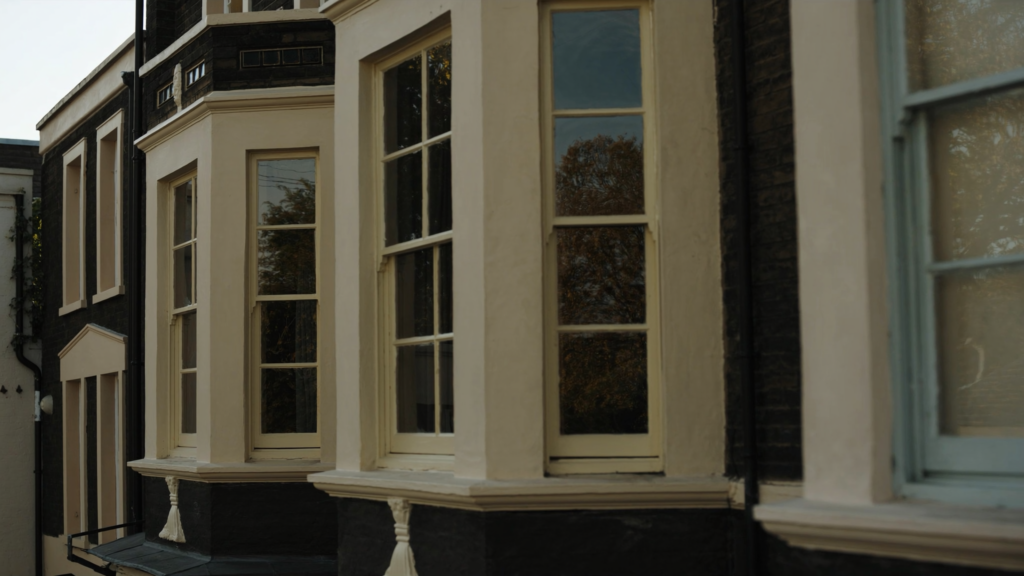
In a Victorian or Edwardian terrace (very common in Harlesden, Willesden, and Kensal Green), the original windows are usually timber sash or casement frames. These are often set into thick masonry reveals, which affects how your new frames are fitted and what size glass unit you can accommodate. Many installers will push you towards uPVC replacements, and while uPVC is perfectly functional, you should know that in conservation areas, and Brent has several, including parts of Kensal Green, you may be required to use timber or aluminium frames that replicate the original appearance.
For flats, which make up a huge proportion of Brent’s housing, the picture is more complicated still. If you own a leasehold flat, you’ll almost certainly need permission from your freeholder or managing agent before any window replacement. This can add weeks to the process and occasionally rules certain products out entirely. In purpose-built blocks from the 1960s and 70s around Stonebridge or Chalkhill, the windows are often non-standard sizes, meaning bespoke units and higher costs.
Key practical considerations for Brent homes include
- Access for scaffold towers, tight terraced streets in Harlesden and Willesden can limit where vehicles park and unload, adding to installation time and cost
- Party wall considerations, in mid-terrace homes, certain window positions may have implications for Party Wall Act notifications
- Leasehold permissions, check your lease before even requesting quotes
- Conservation area restrictions, Kensal Green, parts of Wembley, and other designated areas require prior approval for visual changes
- Listed buildings, a small number of Brent’s older properties require full Listed Building Consent for any window changes
How Much Double Glazing Costs in Brent and the London Area in 2026
Let’s talk money, because Brent is not a cheap place to get building work done. Labour costs across London typically run 15 to 25% above the national average, and Brent is no exception. Add in parking permit costs for installation crews, the occasional congestion charge hit, and the premium for navigating ULEZ requirements on older vans, and you start to understand why London quotes come in higher than what you might read in a national comparison article.
The table below gives you realistic 2026 figures for Brent and the wider London area, compared to the national average.
| Property Type and Scope | National Average Cost | Brent / London Cost | Notes |
|---|---|---|---|
| 1-bed flat (4–5 windows) | £2,800–£3,800 | £3,400–£4,600 | Add £300–£500 for bespoke sizes in 1960s blocks |
| 2-bed terrace (6–8 windows) | £3,800–£5,200 | £4,600–£6,400 | Higher if sash replacement needed |
| 3-bed terrace (8–10 windows) | £4,800–£6,500 | £5,800–£8,000 | Conservation area timber frames add 20–30% |
| 4-bed semi-detached (10–12 windows) | £5,500–£7,800 | £6,800–£9,500 | Common in Wembley Park, Kingsbury areas |
| Sash window replacement (per window) | £700–£1,000 | £900–£1,400 | Timber sash double-glazed units in conservation areas |
| Triple glazing upgrade (per window, vs double) | +£150–£250 | +£200–£350 | Worthwhile for north-facing or traffic-facing rooms |
Comparing Brent to neighbouring boroughs, you’ll typically find Ealing (5km away) comes in at similar prices, while Harrow (4km) can be fractionally cheaper, particularly if you’re using an installer based further out who doesn’t factor in congestion charge costs. Chiswick and Hampstead installers tend to charge a premium above even standard London rates.
Insider tip, always ask your installer to itemise their quote, separating labour, materials, disposal, and any scaffold or access costs. You’ll quickly see where London’s premium is coming from, and it gives you something concrete to compare across quotes.
How Brent’s Weather and Location Shape Your Double Glazing Choices
You might assume that mild southern England winters mean double glazing matters less here than in, say, Aberdeen. That’s not quite right, especially in Brent’s specific position within London.
Brent experiences those cold easterly winds that funnel across eastern England in winter. If your home faces east or northeast, very common in the long Victorian terrace rows of Harlesden and Willesden, those rooms feel noticeably colder than the rest of the house. This is where the specification of your glazing really matters. Standard double glazing with a 16mm argon-filled cavity will do the job, but if your living room faces northeast and catches every January easterly, it’s worth stepping up to a low-emissivity (low-E) glass unit with a U-value of 1.0 W/m²K or better.
On the flip side, Brent enjoys some of the best solar irradiance in the UK, around 1,100 to 1,200 kWh/m² per year. South and southwest-facing rooms can genuinely benefit from solar gain through well-chosen glazing. This means you shouldn’t automatically opt for heavily tinted or solar-control glass across the whole house. A glass unit with a higher solar heat gain coefficient (SHGC above 0.35) on south-facing windows will let in useful free heat through winter, reducing your heating demand.
Rainfall in Brent is relatively low at around 600mm annually, lower than the national average. This is good news for timber frames (less risk of rot and swelling), and it means external seals and gaskets on your window units will face less weathering stress than in, say, the Lake District. Even so, urban pollution in London does degrade external surfaces over time, so it’s worth specifying frames with good UV resistance.
The Products and Specifications That Perform Best in Brent
Here’s an honest expert take on what actually works well for Brent’s housing stock, rather than a generic list of glazing options.
For Victorian and Edwardian terraces in Harlesden, Kensal Green, Willesden, slim-profile double-glazed timber or aluminium frames are the right call, particularly near conservation areas. A 28mm double-glazed unit (4mm glass, 20mm argon cavity, 4mm glass) with a warm-edge spacer bar and a U-value around 1.1 W/m²K is an excellent performer. Avoid cheap uPVC frames in heritage streetscapes, they look wrong, they can affect your planning permissions, and the resale value impact is real.
For post-war semis around Wembley, Kingsbury, Kenton, standard uPVC double glazing is perfectly appropriate and cost-effective. Look for frames with a Window Energy Rating (WER) of at least Band B, ideally Band A. Tilt-and-turn casements are a smart choice for upper floors where window cleaning can be tricky on a tight suburban plot.
For flats and purpose-built blocks in Stonebridge, Chalkhill, South Kilburn, check whether the block already has a programme of window replacement underway through the managing agent before you spend your own money. Many Brent housing association properties are earmarked for whole-block upgrades. If you’re going ahead individually, focus on acoustic performance alongside thermal, specify a laminated outer pane (6.4mm laminated rather than standard 4mm) to reduce road and rail noise.
Key specifications worth knowing about
- U-value, aim for 1.2 W/m²K or lower for the whole window unit (frame included)
- Argon fill, standard now; make sure the cavity is at least 16mm wide
- Warm-edge spacer bars, reduces cold bridging at the glass edge, noticeably reduces condensation on the inner pane
- Low-E coating, soft coat (pyrolytic) on the inner pane of the outer glass reflects heat back into the room
- Acoustic laminated glass, worth every penny for properties on or near the A406, Harrow Road, or North Circular routes
How to Find a Trustworthy Double Glazing Installer Near Brent
London has no shortage of double glazing companies, and Brent sits within easy reach of installers covering a wide arc from Harrow in the north to Ealing in the south and Hampstead to the east. That’s the good news. The less good news is that the glazing industry attracts its share of operators who’ll give you a low quote and then make your life difficult.
The key certification to look for is FENSA registration, this is the one that specifically covers glazing installations and means the installer can self-certify their work complies with Building Regulations. Without FENSA (or CERTASS, which is an equivalent scheme), your installer needs to involve the local building control department, which costs more and takes longer. Always ask to see an installer’s FENSA registration number and check it on the FENSA website before committing.
TrustMark registration is a useful secondary check, it indicates the company has been vetted for workmanship, customer service, and trading practices.
Questions worth asking every installer before you proceed
- Are you FENSA registered, and can you provide your registration number
- Who manufactures the frames and glass units you use
- What is the warranty period on frames, glass units, and installation labour separately
- How do you handle condensation between the panes if it develops within the first few years
- Will you notify my freeholder or managing agent on my behalf if required
- What is your current lead time from survey to installation
Current lead times in the London area run at roughly six to ten weeks from initial survey to installation, longer than many other parts of the UK. If an installer promises you two weeks, treat that as a red flag.
Red flags to walk away from
- Pressure to sign on the same day as the survey visit
- No written, itemised quote
- No mention of Building Regulations compliance or FENSA
- Cash-only pricing with a significant discount
- No physical business address in the UK
Grants and Funding Available to Brent Residents in 2026
This is where things get genuinely interesting for Brent homeowners, because there are multiple funding routes worth exploring, and not all of them are well publicised.
ECO4 (Energy Company Obligation), this national scheme requires energy suppliers to fund insulation and heating improvements for eligible households. Double glazing can be funded under ECO4 where it forms part of a broader package of measures improving a home’s EPC rating significantly. Eligibility is means-tested, focusing on households receiving certain benefits and living in lower-rated homes. Brent, with its Band D average EPC and its mix of housing tenure types, has a reasonable proportion of residents who may qualify. Your energy supplier or a TrustMark-registered installer can assess your eligibility.
The Great British Insulation Scheme closed on 31 March 2026. It funded insulation measures only and never covered windows or glazing. If your Brent home is currently Band D (the borough average), you may well qualify. The scheme funds single measures rather than whole-house packages. That makes it more accessible for straightforward window upgrades.
Brent Council’s own retrofit support, the council has been active in channelling GLA (Greater London Authority) funding into borough-level retrofit programmes. It’s worth contacting Brent Council’s housing team directly to ask about current initiatives, programmes change regularly, and local authority schemes often go undersubscribed simply because residents don’t know they exist.
Warm Homes Local Grant, launched at a national level in 2026, this scheme targets owner-occupiers and private renters in lower-income households with EPC ratings of D or below. Given Brent’s Band D average, a significant number of residents will fall within scope. Grants of up to £15,000 per household are available for qualifying measures including windows.
Important caveat, double glazing on its own rarely qualifies for grants under most schemes unless your home is still single-glazed. The schemes are built to achieve meaningful EPC improvements, so your windows may need to be part of a broader upgrade package to attract funding.
Planning Permission and Building Regulations in Brent
For most Brent homeowners, replacing existing windows with double glazing is covered by Permitted Development rights, meaning no planning application is required. This applies to houses where the replacement windows match the style, material, and appearance of the originals reasonably closely.
However, there are important exceptions specific to Brent
- Conservation areas, Brent has several designated conservation areas. Within these, changing the appearance