Why Truro Homeowners Are Waking Up to Double Glazing Right Now
If you’ve ever stood in your front room on a wet January evening listening to the wind batter the windows, you’ll already have a feel for why double glazing is climbing up the priority list for so many Truro households. This city might be the smallest cathedral city in England, but its exposure to Atlantic weather systems is anything but small.
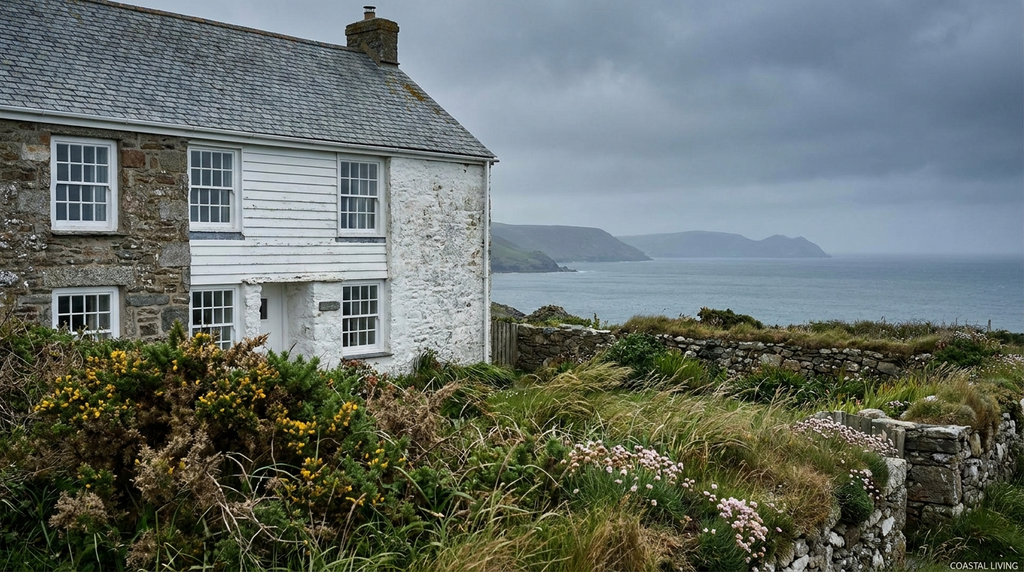
Truro sits in the centre of Cornwall, and while it enjoys some of the mildest winters in the UK, it also takes a battering from prevailing westerly winds carrying rain straight off the Atlantic. That combination of driving rain, salt-laden air, and gusty conditions puts older window frames under enormous stress, and in a city where a good chunk of the housing stock dates back to the Victorian and Edwardian eras, single glazing and poor-quality frames are still surprisingly common.
There’s another big driver here too. Cornwall as a whole has been pushing hard on home energy upgrades, with Devon and Cornwall retrofit pilot programmes actively running in 2026. With energy bills still stinging, and with Truro’s average EPC sitting at Band D, the upgrade potential is real and the timing feels right for a lot of households.
Neighbourhoods like Trelander, Malabar, and the streets running off Lemon Street contain a real mix of Victorian terraces, 1930s semis, and post-war council builds, all of which have different window challenges but a shared need for better thermal and acoustic performance. If you’re in one of those homes, read on, this guide was written with exactly your situation in mind.
What Double Glazing Actually Involves for a Typical Truro Home
The practical reality of getting double glazing installed in Truro depends enormously on what type of home you have and when it was built. Let’s break down what you’re actually dealing with.
Victorian and Edwardian terraces
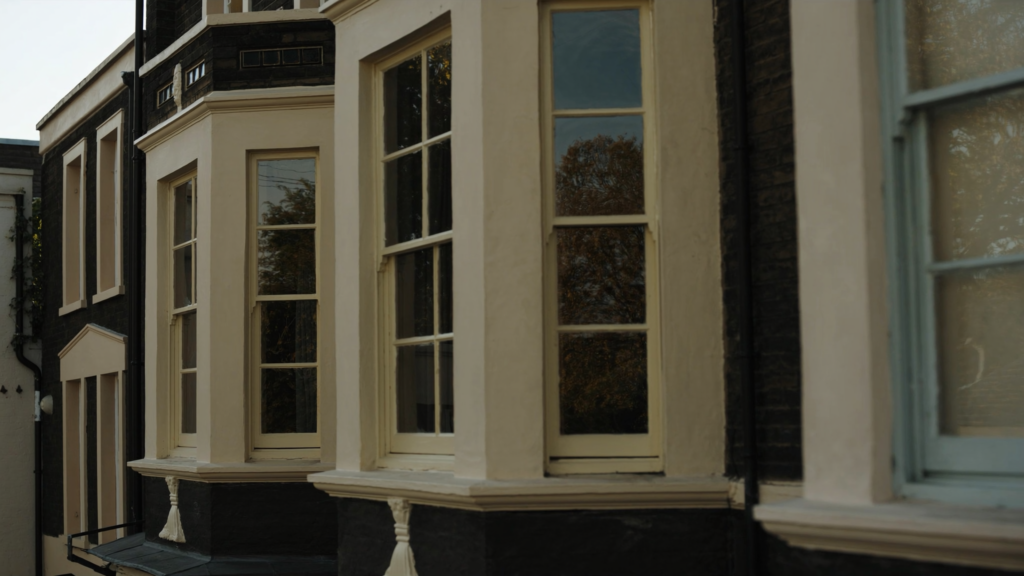
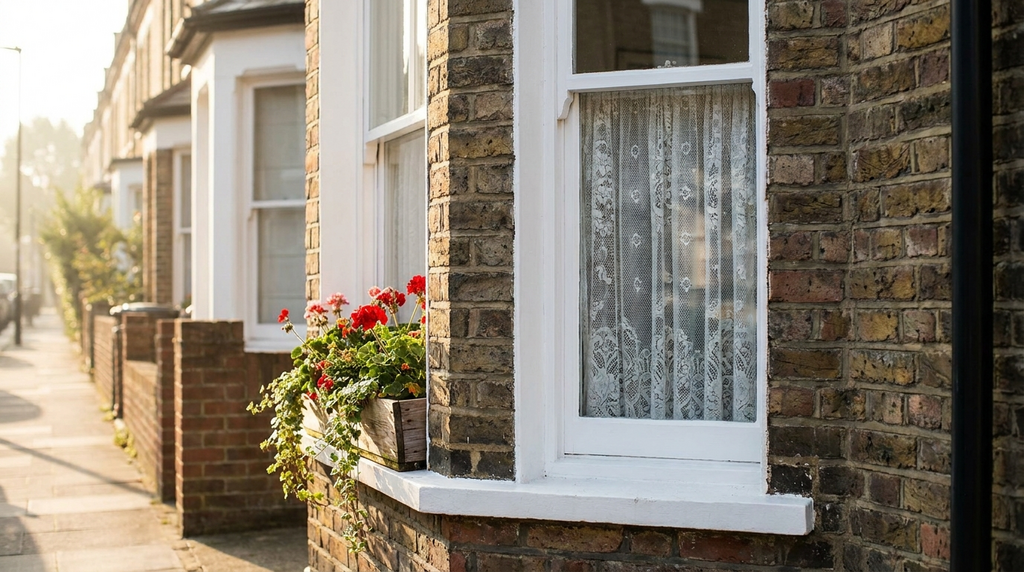
These are hugely common in Truro, particularly around the city centre and the older residential streets. Original sash windows are often still in place, and replacing them with modern double-glazed units needs careful thought. Sash-style double glazed windows are available, but they cost more than standard casement units and require skilled fitting to sit properly within the original masonry openings.
The walls in these properties are typically solid stone or solid brick, no cavity, so the window reveal depth may be limited. Your installer needs to assess this before quoting, as it affects which frame profiles will physically fit.
1930s to 1970s semis
These are some of the easiest properties to work with. Standard casement windows, cavity walls, and relatively straightforward access mean installation is typically quicker and cheaper. If you’re in a semi off Treyew Road or around the Gloweth area, you’re probably in this category, and it’s genuinely good news for your quote.
Post-war and modern builds
Many homes in areas like Trelander already have some form of double glazing from the 1990s or early 2000s. At that age, the units are likely past their best, seals fail, condensation appears between the panes, and the gas fill (argon, or sometimes just air) has long since dissipated. Replacement is usually simpler here as the opening sizes are standardised.
One challenge specific to Truro worth flagging, because the city is relatively small (around 22,000 residents), not all specialist installers are based locally. Many operate out of Falmouth, St Austell, or Bodmin and cover Truro as part of their patch. That’s usually fine, but it can affect lead times and the cost of return visits for snagging.
How Much Double Glazing Costs in Truro and the South West in 2026
Let’s get into the numbers you actually need. Prices below are realistic 2026 figures for Truro, factoring in travel from installers based in Falmouth or St Austell, and the slightly higher material costs that come with needing marine-grade or coastal-specification products (more on that shortly).
| Property Type | Number of Windows | Standard uPVC Casement | Flush Sash uPVC | Aluminium Frames |
|---|---|---|---|---|
| 2-bed terraced | 5–6 | £2,800–£3,800 | £3,800–£5,200 | £4,500–£6,000 |
| 3-bed semi-detached | 7–9 | £3,800–£5,200 | £5,200–£7,000 | £6,000–£8,500 |
| 4-bed detached | 10–13 | £5,500–£7,500 | £7,500–£10,000 | £8,500–£12,000 |
| Conservation area upcharge | Per window | +£150–£300 | +£100–£200 | +£200–£400 |
Truro prices tend to run about 5–10% above the South West average, mainly because of the coastal specification uplift and the fact that many installers are travelling from neighbouring towns. Falmouth installers in particular often apply a small mileage premium, though this is negotiable if you’re booking multiple windows at once.
For context, the national UK average for a 3-bed semi is roughly £4,000–£5,500 in standard uPVC. Truro sits at the upper end of that range or just above it, not dramatically different, but worth building into your budget.
Tip, always get three quotes, and make sure at least one is from an installer who physically surveys your property before quoting. Phone or online quotes for older Truro properties often miss complications around reveal depth or stone lintel repairs.
How Truro’s Weather and Location Change What You Should Buy
This is where living in Truro genuinely changes the spec you need, and where generic buying guides will let you down.
Salt air is a serious concern
Truro is only about 10km from the coast at Falmouth and the Fal Estuary, and salt-laden air travels further inland than most people expect. Standard aluminium window frames without adequate surface treatment will corrode noticeably within a few years. If you’re going for aluminium (which is a great choice aesthetically for period properties), insist on polyester powder-coated frames with a minimum 25-year warranty from the manufacturer, not just the installer.
For uPVC, the material itself is largely unaffected by salt, but the hardware, hinges, handles, espagnolette locks, needs to be marine-grade stainless steel. Ask specifically about this when getting quotes. Some installers will fit standard hardware as default and only upgrade if you push for it.
Driving rain and wind loads
Truro receives over 1,000mm of rainfall per year, and much of it arrives horizontally on westerly winds. This matters for two reasons. First, your windows need to be rated to handle wind-driven rain, look for products tested to BS 6375 and ask about their Air, Water, and Wind Resistance classifications. Second, the fixing systems into Cornish granite or cob walls need to be specified correctly, as these materials behave differently from standard brick.
The solar opportunity
The South West gets the best solar irradiance in the UK, around 1,100–1,200 kWh/m² per year, and Truro benefits from this. For south-facing windows, consider glass with a solar gain coefficient (g-value) of around 0.6 or higher to make the most of passive solar heating in winter. On north-facing elevations, prioritise low U-values instead. A good installer will tailor the glass spec to each orientation, not just fit the same unit throughout.
The Products and Options That Actually Perform Well in Truro
Based on what Truro’s housing stock and climate actually demand, here’s what to look for rather than what sounds impressive in a showroom.
- For Victorian and Edwardian terraces, flush casement or vertical sliding sash in uPVC with a woodgrain finish. Target a U-value of 1.2 W/m²K or below (whole window). Argon-filled double glazing with low-e coating (soft coat) as a minimum.
- For 1930s–1970s semis, standard casement uPVC with argon fill and low-e glass. A U-value of 1.0–1.2 W/m²K is readily achievable and makes a meaningful dent in your heating bill. Triple glazing is available but the payback period in Truro’s relatively mild climate is longer, it’s worth it only if you’re staying put for 15+ years.
- Frame hardware, as mentioned, marine-grade stainless steel throughout. Not optional near the Cornish coast.
- Glass specification, for most Truro homes, a 4-16-4 or 4-20-4 unit (4mm glass, 16 or 20mm argon-filled gap) with a soft-coat low-e layer hits the sweet spot of performance and cost.
- Energy ratings, BFRC Window Energy Rating of B or above as a minimum. A-rated windows are worth the small premium if your home is otherwise well insulated.
Triple glazing is worth a mention here. It’s becoming more popular in the UK, but in Truro specifically, the milder winter climate (around 1,200–1,500 heating degree days per year, lower than much of England) means the additional cost over double glazing rarely pays back quickly. The exception is noise reduction, if you’re on a busy route like the A39 approach roads or near the city centre, the extra mass of triple glazing makes a real acoustic difference.
How to Find a Trustworthy Double Glazing Installer Near Truro
Because Truro itself is a small city, your installer will often be based in Falmouth, Newquay, St Austell, or Bodmin, all within 35km. This is perfectly normal and doesn’t mean you’ll get a worse service, but it does mean you should ask a few extra questions.
Certifications to look for
- FENSA registration, this is the key one for replacement windows. FENSA-registered installers self-certify that their work meets Building Regulations, saving you the hassle of applying for a council completion certificate. Always ask for the FENSA certificate after work is done.
- TrustMark, a government-endorsed quality mark. Not mandatory but a good sign.
- GGFi or CERTASS, alternatives to FENSA registration; both are equally valid.
- Which? Trusted Trader or Checkatrade, useful for reading verified reviews from other Cornwall homeowners.
Questions worth asking
- Do you have experience working with granite and cob walls?
- What hardware do you specify for coastal locations?
- Will you survey the property in person before quoting?
- What is your response time for snagging issues?
- Is your installation guaranteed separately from the manufacturer’s product warranty?
Red flags, pressure to sign on the same day, reluctance to provide a written quote broken down by window, or no physical survey before installation. High-pressure tactics are more common in the double glazing trade than almost any other sector.
Lead times in the South West currently run at around 4–8 weeks from survey to installation for most companies, so factor that in if you’re planning around the weather or a property sale.
Grants and Funding That Could Reduce Your Costs in 2026
There are several routes to financial help that Truro homeowners can explore, though it’s worth being realistic that double glazing on its own is rarely fully funded.
ECO4 (Energy Company Obligation)
ECO4 is a government scheme delivered through energy suppliers. It’s focused on lower-income households and those in the least energy-efficient homes. To qualify, your home typically needs to be EPC Band D or below, which covers most of Truro’s housing stock, and you need to be receiving certain means-tested benefits. Double glazing is an eligible measure under ECO4 as part of a wider retrofit package. Contact your energy supplier directly or check through the national ECO4 portal.
Great British Insulation Scheme (GBIS)
The Great British Insulation Scheme closed on 31 March 2026. It funded insulation measures only and never covered windows or glazing. Worth checking if you’ve previously been turned down for ECO4.
Cornwall Council Local Flexibility Fund
Cornwall Council administers local flexibility funding under ECO4, which can be particularly helpful for rural and off-gas properties. Given that many homes in and around Truro are either off-grid or in older solid-wall properties, this is worth investigating via Cornwall Council’s housing team directly.
Devon and Cornwall Retrofit Pilot
Cornwall is one of several areas running local retrofit pilot programmes in 2026. These programmes often provide funded surveys and can unlock match-funding for energy improvements including glazing. Check with Cornwall Council’s energy team for the latest eligibility window.
Be realistic, if you’re a working homeowner in a Band D home and not claiming benefits, full grant funding for double glazing is unlikely. However, partially subsidised surveys, cashback schemes via energy suppliers, and financing through the Boiler Upgrade Scheme‘s sister programmes can all help reduce upfront costs meaningfully.
Planning Permission and What Cornwall Council Actually Requires
For most Truro homeowners, replacing windows falls under permitted development rights, meaning you don’t need planning permission as long as the replacement windows are similar in appearance to the originals. This applies to most terraced and semi-detached properties that aren’t in a conservation area or listed.
Conservation areas in Truro
This is where you need to pay attention. Truro has several designated conservation areas, including the city centre and parts of the historic residential streets nearby. If your home is in a conservation area, permitted development rights for windows are more restricted. You’ll typically need to submit a planning application to Cornwall Council before replacing windows, and the council will expect the replacement units to match the original style, material, and proportions as closely as possible.
Cornwall Council’s planning portal lets you check your address against the conservation area map, do this before you book a survey, not after. It affects both your product choices and your timeline.
Listed buildings
If your home is listed (and there are listed properties in Truro’s older streets), you’ll need Listed Building Consent for any window changes. This is a separate process from planning permission. Secondary glazing, fitted inside existing frames without altering the exterior, is often a more practical route for listed properties and usually doesn’t require consent.
Building Regulations
Regardless of planning permission, replacement windows must comply