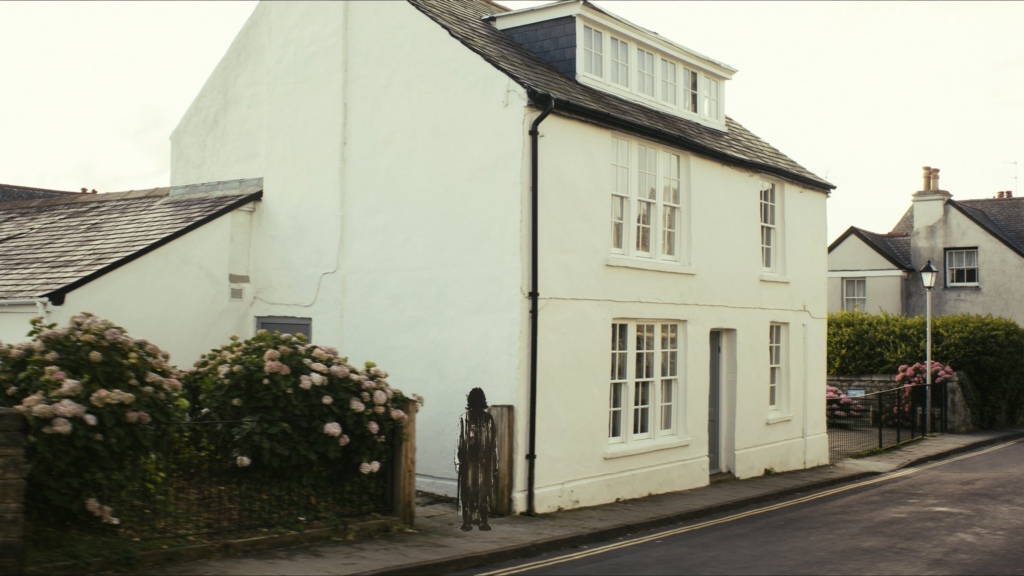
Why Yeovil Homeowners Are Turning to Double Glazing Right Now
There’s a quiet but noticeable shift happening across Yeovil’s residential streets. From the Victorian terraces off Sherborne Road to the post-war semis in Westlands and the newer estates around Yeovil Country Park, homeowners are increasingly looking at their windows and asking the same question, is it time to upgrade?
The answer, for most Yeovil properties, is almost certainly yes. Around 60% of homes in the town sit at EPC Band D, which means they’re losing heat through inefficient windows and frames every single day. With energy bills still stubbornly high, even a modest improvement in glazing performance makes a meaningful dent in what you pay each month.
Yeovil’s position as Somerset’s largest town also means there’s genuine competition among local and regional installers, which works in your favour on price. Companies serving the Sherborne, Glastonbury, and Bridport corridor all compete for Yeovil work, keeping quotes sharper than in more remote Somerset locations. And with the town’s mild but occasionally damp climate throwing moisture and draught issues at older properties, the practical case for upgraded glazing is hard to argue against.
The town’s strong tradition of owner-occupation in semi-detached and terraced housing also means this isn’t a luxury purchase for most people here, it’s a straightforward home improvement that pays back in comfort, energy savings, and property value.
What Double Glazing Actually Involves for a Typical Yeovil Home
Most of Yeovil’s residential housing stock falls into two broad eras, the Victorian and Edwardian terraces clustered around the town centre and older suburbs, and the substantial post-war expansion from the 1950s through to the 1980s that created neighbourhoods like Lufton, Pen Mill, and Lyde Road. Each era brings its own glazing considerations.
Victorian and Edwardian Terraces
These homes typically have tall, narrow sash windows with relatively slim reveals. Original timber frames are often warped or rotted, and the reveals may be shallow, meaning a standard uPVC frame could look oddly bulky or reduce your glass area noticeably. Many of these properties sit in or near Yeovil’s older residential streets where the local conservation officer takes a close interest in alterations. More on that in the planning section below.
The good news is that slim-profile double glazing units now exist specifically for these properties. Secondary glazing is also a viable option if you want to retain original timber windows without losing thermal performance.
Post-War and Later Semis
The 1950s to 1980s semis that dominate large parts of Yeovil, think Westfield, Lysander Road, or the estates east of the A37, often have wide, low casement windows in standard sizes. These are genuinely easy to replace. Frame sizes are generally compatible with off-the-shelf units, labour time is lower, and there are no heritage complications to worry about.
One Yeovil-specific consideration worth knowing about, many of these homes have had porches, extensions, or conservatories added over the years, often with original single-glazed panels still in place. If yours is one of them, factoring those into your glazing quote at the same time will usually save you money versus coming back to do them separately.
Practical Installation Realities
- Terraced properties in central Yeovil often have limited parking and narrow access, this can add a small premium to your quote as installers factor in restricted van access
- Some older properties have non-standard window sizes that require made-to-measure units rather than stock sizes, budget an additional £50 to £100 per window for this
- Properties with bay windows, common in Edwardian streets near the town centre, require more complex installation and higher-skilled fitting
- If your home has cavity walls, most post-1920 builds in Yeovil will, combining glazing upgrades with cavity wall insulation in the same project is worth considering for maximum thermal gain
How Much Double Glazing Costs in Yeovil and the South West in 2026
Prices in Yeovil sit roughly in line with the South West regional average, which itself runs slightly below London and the South East. You benefit from genuine local competition, several installers cover the Yeovil to Sherborne to Glastonbury triangle, but rural delivery costs for specialist units can nudge prices up slightly compared to Bristol or Taunton.
Here’s a realistic breakdown for a typical Yeovil semi-detached or mid-terrace property in 2026.
| Property Type and Scope | uPVC Double Glazing | Composite or Aluminium | Timber Effect uPVC |
|---|---|---|---|
| Small terrace (4 windows, 1 door) | £2,800 – £3,800 | £4,200 – £5,500 | £3,400 – £4,600 |
| Mid-terrace or semi (6 windows, 1 door) | £4,200 – £5,600 | £6,500 – £8,500 | £5,200 – £7,000 |
| Larger semi (8 windows, 2 doors) | £5,800 – £7,800 | £8,800 – £12,000 | £7,000 – £9,500 |
| Bay window addition (per bay) | £900 – £1,400 | £1,500 – £2,200 | £1,100 – £1,700 |
| Single window replacement (casement) | £400 – £650 | £650 – £950 | £500 – £750 |
How Yeovil compares nearby: Dorchester and Bridport-based installers tend to quote 5–10% higher for Yeovil jobs due to distance premiums. Glastonbury and Sherborne work is generally priced similarly to Yeovil itself. The South West regional average for a full semi-detached replacement is around £5,400 in standard uPVC, Yeovil sits squarely in that range.
Tip: Always get three quotes from installers who are physically based within about 20 miles of Yeovil. A Bristol-based firm quoting your job may look competitive on paper but will charge travel time that eats into that apparent saving.
How Yeovil’s Weather and Location Shape Your Glazing Choices
Yeovil doesn’t get the hammering that coastal Somerset towns like Burnham-on-Sea or West Bay face from Atlantic storms. Sitting inland, sheltered by the Somerset Levels to the north and the Dorset hills to the south, the town enjoys a relatively balanced climate, but that doesn’t mean your glazing choices don’t matter.
Rainfall sits at around 750–850mm per year in Yeovil, consistently spread across the year rather than concentrated in a winter monsoon. That sustained moisture, combined with the older timber window frames common in central Yeovil’s terraced streets, creates a real risk of frame rot and draught infiltration that uPVC or aluminium units completely eliminate.
The Mild Winter Advantage, and What It Means for Specification
Yeovil experiences around 1,300 heating degree days per year, meaningfully milder than northern England or the Midlands. This is actually good news for your glazing payback calculations, but it also means you can achieve excellent results without necessarily specifying the most expensive triple-glazed units. A quality A-rated double glazed unit with argon-filled cavities will serve most Yeovil homes very well without the added cost of triple glazing.
Where triple glazing does make sense here is on north-facing elevations, particularly relevant for terraced homes with a rear aspect facing north, where solar gain is minimal and draughts are more persistent.
Solar Gain, Yeovil’s Hidden Advantage
The South West receives the highest solar irradiance in the UK, around 1,150 kWh per square metre per year in the Yeovil area. This is worth taking seriously when choosing your glazing specification. South-facing windows with a warm-edge spacer bar and a higher solar heat gain coefficient (SHGC) will passively contribute to your heating through winter. Specifying highly reflective “solar control” glass on south-facing elevations, while sometimes recommended in very hot climates, is unnecessary in Yeovil and will actually reduce your free winter heat.
The practical takeaway, ask your installer to specify standard low-e glass on north and east elevations and avoid solar-control coatings on south-facing windows unless you have a conservatory or full glass wall that overheats in summer.
The Products and Options That Actually Perform Well in Yeovil Homes
Here’s an honest, local expert view rather than a generic product list.
uPVC Casement Windows, The Right Choice for Most
For the post-war semis that make up the majority of Yeovil’s housing stock, a good quality A-rated uPVC casement window with a warm-edge spacer bar and argon gas fill is genuinely the best value option. Look for a U-value of 1.2 W/m²K or lower, this is achievable at mid-market price points and comfortably exceeds current Building Regulations requirements.
Slim-Profile uPVC Sash for Victorian Streets
For the older terraced properties near the town centre, a slim-line uPVC vertical sliding sash window maintains the period character while delivering the thermal performance you need. These aren’t cheap, expect to pay 20–30% more than an equivalent casement, but they’re a much better fit aesthetically and will avoid issues with planning or conservation officers.
What to Specify
- Glass spec: Low-e coating on inner pane, argon gas fill, warm-edge spacer bar, standard in most quality units but always confirm
- U-value target: 1.2 W/m²K or better for the whole window unit (not just the glass)
- Frame colour: White uPVC suits most Yeovil semis. For the stone-fronted Edwardian properties, Chartwell Green or anthracite grey reads better
- The Great British Insulation Scheme closed on 31 March 2026. It funded insulation measures only and never covered windows or glazing.
- Security: PAS 24 certification is worth specifying, particularly for ground floor windows on terrace rows with alley access
When to Consider Secondary Glazing Instead
If your property is within a conservation area or you have listed building considerations, secondary glazing, a second layer of glazing fitted inside the existing frame, can deliver around 60% of the thermal benefit of full double glazing at lower cost and without planning complications. Several Yeovil installers offer this as a specialist service.
How to Find a Trustworthy Double Glazing Installer Near Yeovil
The double glazing industry has improved enormously in terms of regulation and consumer protection, but it still pays to know what to look for.
Certifications That Actually Matter
- FENSA registration, mandatory for replacement glazing in England. A FENSA-registered installer self-certifies that the work complies with Building Regulations, saving you the hassle and cost of a local authority building notice. Always ask to see their FENSA number and verify it at fensa.org.uk
- TrustMark accreditation, government-endorsed quality scheme. The Great British Insulation Scheme closed on 31 March 2026. It funded insulation measures only and never covered windows or glazing.
- Glass and Glazing Federation (GGF) membership, industry body with a deposit indemnity scheme, which matters given the upfront deposits installers typically request
Questions Worth Asking Before You Sign
- Are you FENSA registered and will you provide the certificate after completion
- What guarantee do you offer on frames, glass units, and installation separately
- Is the deposit protected by an insurance-backed guarantee
- Do your units carry a BFRC energy rating and what is it
- Have you worked on properties in conservation areas in Yeovil, and can you show examples
Red Flags to Watch For
- High-pressure same-day decisions with “tonight only” discounts, a well-established installer doesn’t need this tactic
- Deposits of more than 25% upfront without a written insurance-backed guarantee
- No physical address in Somerset or Dorset, distant firms can be harder to chase for remedial work
- Quotes significantly below all others, often signals thinner frames, cheaper glass specs, or a firm that won’t be around in five years
Installer Coverage in the Yeovil Area
Most reputable local installers cover a 20–30 mile radius from Yeovil, meaning the same firms typically serve Sherborne (8km), Glastonbury (24km), Bridport (25km), and Dorchester (29km). This is worth knowing, an installer quoting in Dorchester will likely be very familiar with Yeovil work. Lead times in the South West currently run at 4–8 weeks from survey to installation, slightly shorter than the national average due to lower post-pandemic backlog in this region.
Grants and Funding That Could Cut Your Costs in 2026
Several funding routes are open to Yeovil homeowners right now, and it’s worth understanding each one clearly before you commit to paying full price.
ECO4 (Energy Company Obligation 4)
ECO4 is the government’s flagship scheme requiring energy suppliers to fund efficiency upgrades for lower-income and vulnerable households. In Yeovil, this is administered through South Somerset’s district council area under Somerset Council’s energy efficiency framework. Glazing upgrades are fundable under ECO4 where windows are single-glazed and the household meets income or benefit-related criteria.
Who qualifies: Households receiving means-tested benefits (Universal Credit, Pension Credit, income-related ESA/JSA) or those referred by their energy supplier or Somerset Council through the flex criteria route. Band D and below EPC properties are within scope.
How much: Full or partial funding for window replacement, in some cases the entire cost is covered. The scheme runs until March 2026 and a successor scheme is expected to continue similar eligibility criteria.
Great British Insulation Scheme (GBIS)
GBIS is a broader scheme with less strict income requirements, it targets properties in Council Tax bands A to D (the majority of Yeovil’s stock) as well as lower-income households in higher bands. Glazing is eligible where it’s the primary measure being installed or is complementing insulation