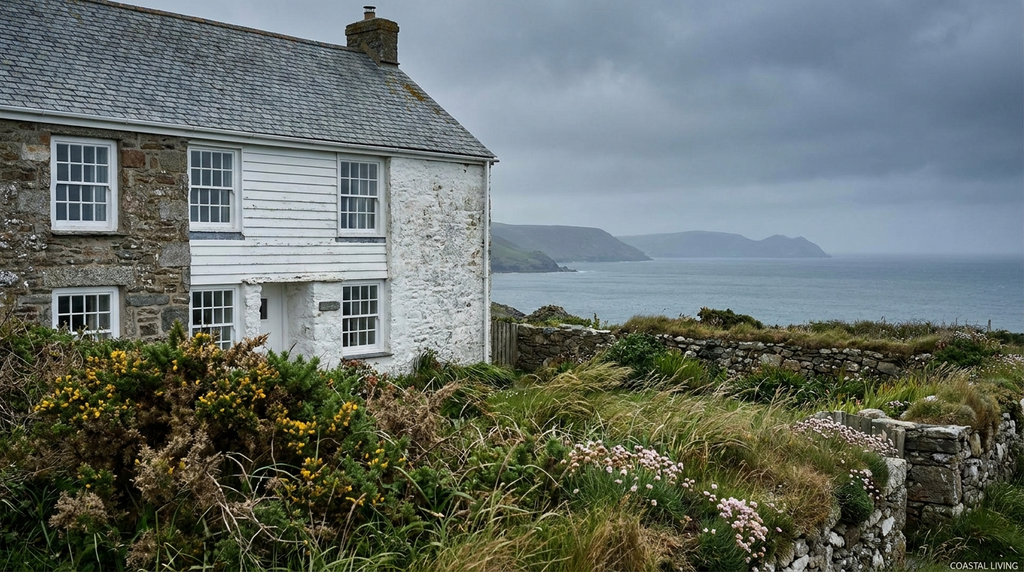
Why Frome Homeowners Are Turning to Double Glazing Right Now
There’s something quietly urgent happening across Frome’s residential streets at the moment. From the Victorian terraces climbing up Keyford and Badcox to the post-war semis out towards Welshmill and Berkley Road, homeowners are waking up to just how much heat, and money, is bleeding out through single-glazed and ageing windows every winter.
Frome sits in a curious position. Somerset’s climate is genuinely milder than most of England, so the heating bills here aren’t as brutal as they’d be in, say, Sheffield or Carlisle. But that’s precisely why double glazing offers such good value in this town, your baseline energy use is already lower than average, meaning the savings you make translate into a meaningful chunk of your actual bill rather than a drop in the ocean.
The town’s housing stock tells another part of the story. Frome is packed with pre-1919 stone-built properties, limestone and sandstone terraces that look beautiful but were built in an era when draughts were just considered a fact of life. Many of these homes still have their original timber sash windows or ageing metal-framed glazing. Upgrading them is one of the most impactful single improvements you can make to a home that otherwise resists easy insulation.
And then there’s the EPC picture. Frome’s average energy performance sits at Band D, right on the national average, but with energy prices still elevated compared to pre-2021 levels, even Band D homeowners are feeling the squeeze. Double glazing is consistently one of the fastest ways to bump your rating toward Band C, which matters enormously if you’re thinking about remortgaging, selling, or simply cutting your bills.
What Double Glazing Actually Involves for a Typical Frome Home
Let’s talk practicalities, because Frome’s housing stock throws up some specific installation challenges that a generic guide won’t warn you about.
The town’s older terraced streets, think around Trinity Area, Wallbridge, and the lanes off Bath Street, were built with thick rubble-filled stone walls and window reveals that can be anywhere from 150mm to 300mm deep. That depth is actually useful because it gives installers room to work, but it also means standard off-the-shelf frame sizes often won’t fit. You’re more likely to need bespoke frames here than in a typical 1970s estate, and that pushes costs up slightly.
Parking and access on Frome’s narrower streets is another real-world consideration. Some of the town’s most characterful (and most energy-inefficient) terraces sit on streets where a large installation van simply can’t get close. Installers have to carry materials by hand, which adds time and, honestly, sometimes adds a small premium to quotes.
For semi-detached properties on the inter-war and post-war estates around Butts Hill and Critchill, the picture is easier. These homes typically have standard UPVC-compatible reveals, straightforward access, and windows that were designed with replacement in mind. Installation on a three-bed semi here is usually a clean one-day job.
What to expect during installation:
- Older stone properties may need lintel checks before fitting, your installer should flag this at the survey stage
- Some Victorian sash windows in conservation-adjacent areas will need like-for-like replacement in timber rather than UPVC
- Internal plastering or rendering around new frames is often needed on thick-walled stone homes, budget for this separately
- Lead flashing around bay windows (common on Edwardian Frome semis) may need refreshing during the job
How Much Double Glazing Costs in Frome and the South West Area in 2026
Here are honest 2026 costs based on what homeowners in the Frome area and wider Somerset and Wiltshire region are actually paying. These are supply-and-fit figures, including VAT at 20%.
| Property Type and Scope | Budget Option | Mid-Range | Premium |
|---|---|---|---|
| 1-bed flat or cottage (4–5 windows) | £2,200 | £3,100 | £4,800 |
| 2-bed terrace (6–7 windows) | £2,800 | £4,200 | £6,500 |
| 3-bed semi-detached (8–10 windows) | £3,500 | £5,400 | £8,200 |
| 4-bed detached (12–14 windows) | £5,200 | £7,800 | £11,500 |
| Bespoke timber sash replacement (per window) | £750 | £1,100 | £1,600 |
| UPVC casement window (per window, standard) | £350 | £520 | £780 |
Frome sits broadly in line with the South West regional average, which itself runs about 5–8% above the national average. That premium reflects the distance from major manufacturing hubs (most frames are produced in the Midlands and North), higher labour costs in the region, and the frequency of older, non-standard properties that need more prep work.
Compare this to nearby towns, Warminster quotes tend to come in slightly cheaper due to easier access and more standard housing, while Bath commands a significant premium, often 15–20% above Frome, partly due to its conservation area restrictions and high local labour costs. Trowbridge, being a larger town, has more installer competition and tends to offer keener prices for standard jobs.
Insider tip: Get quotes from at least three installers, including one based in Frome or Shepton Mallet and one from the Trowbridge or Warminster area. Regional coverage differences mean prices can vary by several hundred pounds for identical work.
How Frome’s Weather and Location Shape Your Double Glazing Choices
Frome’s climate is genuinely one of Somerset’s gentler ones. Tucked into the River Frome valley, the town is naturally sheltered from the prevailing south-westerly winds that batter coastal Somerset and the Mendip plateau above it. Rainfall sits in the 700–900mm per year range, wet enough to matter, but not dramatically so by South West standards.
What this means practically is that your biggest glazing enemy in Frome isn’t wind or driving rain, it’s cold, still nights in winter and condensation. The valley setting means cold air pools overnight, particularly in the lower-lying parts of town near the river and Wallbridge. Homes in these areas can experience colder internal temperatures than the headline climate data suggests. Triple glazing becomes worth considering if you’re in one of those frost-pocket locations.
On the positive side, Frome benefits from excellent solar irradiance, around 1,100–1,200 kWh per square metre per year, consistently among the best in the UK. This matters for double glazing because it means a south-facing window with a higher solar heat gain coefficient (SHGC or g-value) can contribute meaningfully to passive solar heating in winter, reducing your gas boiler’s workload.
Practical recommendations based on local conditions:
- South and south-west facing windows, choose frames with a higher g-value (0.5 or above) to capture free winter sun
- North-facing windows, prioritise thermal insulation (low U-value, 1.2 W/m²K or better) over solar gain
- Lower-lying streets near the river, consider upgrading to triple glazing for those rooms that face the valley; the extra cost is around £80–£120 per window and genuinely earns its keep
- Drainage, ensure your installer includes proper window sill drainage to handle Somerset’s intermittent heavy rain events without water ingress
The Products and Options That Actually Perform Well in Frome
With so many options on the market, it’s easy to get overwhelmed. Here’s an honest steer based on Frome’s specific housing stock and climate.
For Victorian and Edwardian stone terraces, timber or composite frames in a heritage style are the right call aesthetically and often the only option in conservation-sensitive areas. Look for engineered timber (not solid softwood) with a factory-applied paint finish. Glazing specification should be 4-16-4 argon-filled with a low-emissivity coating, giving you a centre-pane U-value around 1.0 W/m²K. Total window U-value around 1.4 W/m²K is achievable in a quality timber frame.
For inter-war and post-war semis, UPVC remains the best value for money and performs brilliantly in Somerset’s climate. A quality A-rated UPVC window (look for the BFRC Window Energy Rating) will have a U-value of 1.2–1.4 W/m²K. Avoid the very cheapest imports, the seals fail faster in Somerset’s wet climate and you’ll be replacing them within 10–12 years rather than the industry standard 20+.
For newer properties (post-1990), if you’re replacing relatively recent double glazing, it’s worth asking for an aluminium composite option. Slim-profile aluminium frames have improved dramatically in thermal performance (thermal break technology brings U-values below 1.6 W/m²K) and they suit the architectural style of 1990s and 2000s estates well.
Key specifications to ask for in any quote:
- Whole-window U-value of 1.4 W/m²K or better (not just centre-pane)
- Argon or krypton gas fill, not air-filled units
- Warm-edge spacer bars (rather than aluminium) to reduce condensation at edges
- BFRC Window Energy Rating of A or above
- 10-year minimum guarantee on sealed units, 5-year on hardware
How to Find a Trustworthy Double Glazing Installer Near Frome
The double glazing industry has a reputation that isn’t always flattering, but there are genuinely excellent installers serving the Frome area. Here’s how to separate them from the rest.
The non-negotiable is FENSA registration. FENSA (Fenestration Self-Assessment Scheme) is the government-authorised scheme for window and door installers in England and Wales. A FENSA-registered installer self-certifies that your windows comply with Building Regulations, meaning you don’t need a separate building inspector sign-off. You also get a FENSA certificate on completion, which is essential if you ever sell your home. You can verify registration on the FENSA website before you even contact a company.
CERTASS is the alternative certification scheme, equally valid, equally credible. TrustMark registration is an additional quality mark worth looking for. For heritage timber work, membership of the Window and Door Association (WDA) or the British Woodworking Federation (BWF) is a useful indicator of specialist competence.
Questions worth asking any installer before they quote:
- Are you FENSA or CERTASS registered, and can I verify your registration number?
- Who manufactures your sealed units and where are they made?
- Is the installation team directly employed or subcontracted?
- What’s included in your guarantee, the units, the frames, or both?
- Do you have experience working on stone-built properties with non-standard reveals?
In terms of coverage, most quality installers serving Frome are based in Trowbridge, Bath, Wells, or Shepton Mallet and cover a cluster that typically includes Warminster, Frome, Radstock, and Westbury. A genuinely local installer will know the quirks of Frome’s housing stock. Lead times in the South West currently run at 4–8 weeks for standard jobs; bespoke timber work can be 10–14 weeks.
Red flags to watch for: high-pressure same-day signing incentives, quotes that arrive without a site survey, guaranteed discounts that only apply “today”, and companies that can’t provide a local customer reference from the past 12 months.
Grants and Funding That Could Reduce Your Costs in Frome in 2026
Funding for double glazing in 2026 is more targeted than it used to be, but there are still real opportunities available to Frome homeowners, particularly those on lower incomes or with specific property characteristics.
ECO4 (Energy Company Obligation) is the main national scheme for fuel-poor households. Double glazing can be funded under ECO4 as part of a broader package of improvements, typically when combined with insulation or a heating upgrade. To qualify, you generally need to be receiving a means-tested benefit (Universal Credit, Pension Credit, etc.) and have a property rated EPC Band D or below. Given Frome’s average Band D rating, a large proportion of the town’s older housing stock qualifies on the property side, the key is meeting the income eligibility test. Apply via your energy supplier or through Somerset Council’s referral pathway.
The Great British Insulation Scheme closed on 31 March 2026. It funded insulation measures only and never covered windows or glazing. The scheme operates through local authority referrals as well as energy suppliers, Somerset Council administers this at a local level, so contact their energy efficiency team directly to understand current local eligibility.
Somerset Council’s Warm Homes scheme periodically offers additional top-up funding for energy efficiency improvements, often in combination with national schemes. It’s worth calling the council’s housing team to ask what’s currently active, these local schemes come and go, and the staff are genuinely helpful at pointing you toward what’s live.
Glazing is standard-rated for VAT at 20%. The zero rate for energy-saving materials covers insulation, heat pumps and solar panels; HMRC names secondary and double glazing as excluded (VAT Notice 708/6). Since April 2022 the VAT rate dropped to 0% for qualifying energy-saving installations, though the rules on what qualifies can be complex. A reputable installer will apply this correctly, if a quote comes in at 20% VAT on the full job, it’s worth querying this with them.
Be realistic about grant levels, full free replacement is rare outside of very low income households. Part-funding of 30–50% is more typical for those who do qualify, which can still save you £1,500–£3,000 on a whole-house job.
Planning Permission and Conservation Areas, What Frome’s Rules Actually Mean for You
For the majority of Frome homeowners, replacing windows is covered by Permitted Development rights and doesn’t require planning permission, you just need to ensure the work meets Building Regulations (which FENSA certification covers).
However, Frome has significant conservation area coverage that changes this picture. The Frome Town Centre Conservation Area covers a substantial chunk of the town’s historic core, if your home sits within it, you’ll need to check with Mendip District Council (now operating under Somerset Council following the 2023 local government reorganisation) before replacing windows. The key requirement in conservation areas is that replacement windows must be of a design, material, and appearance that preserves the character of the area.
In practice, this usually means: