Why Trowbridge Homeowners Are Turning to Double Glazing Right Now
If you’ve noticed your energy bills creeping up despite relatively mild Wiltshire winters, you’re not imagining it. Trowbridge sits in a bit of a sweet spot geographically, sheltered from the worst Atlantic weather that batters Devon and Cornwall, but still exposed to the damp, draughty conditions that come with living in the Avon Valley. And when your home is averaging Band D on its EPC rating, as most Trowbridge properties do, double glazing is often the most practical and affordable upgrade available to you right now.
The town’s housing stock tells a big part of the story. From the Victorian terraces around the old town centre and Castle Street area, to the post-war semis spreading out towards Hilperton and Studley Green, a huge proportion of Trowbridge homes were built before modern glazing standards existed. Many still have original single-glazed windows or early replacement units from the 1980s and early 1990s that are now well past their best, fogged up, draughty, and doing very little for your heating bills.
There’s also been a noticeable uptick in local interest following Wiltshire Council’s ongoing focus on energy efficiency across the district. With the council actively encouraging homeowners to improve EPC ratings ahead of potential future landlord regulations, many people are using double glazing as a stepping stone to a better energy rating, especially since it’s one of the more affordable routes to moving from Band D to Band C.
What Double Glazing Actually Involves for a Typical Trowbridge Home
For most people in Trowbridge, “double glazing” means replacing existing single-glazed or older double-glazed units with modern A-rated or A+-rated sealed window units. But the practical reality varies quite a bit depending on where in town you live and what era your home was built in.
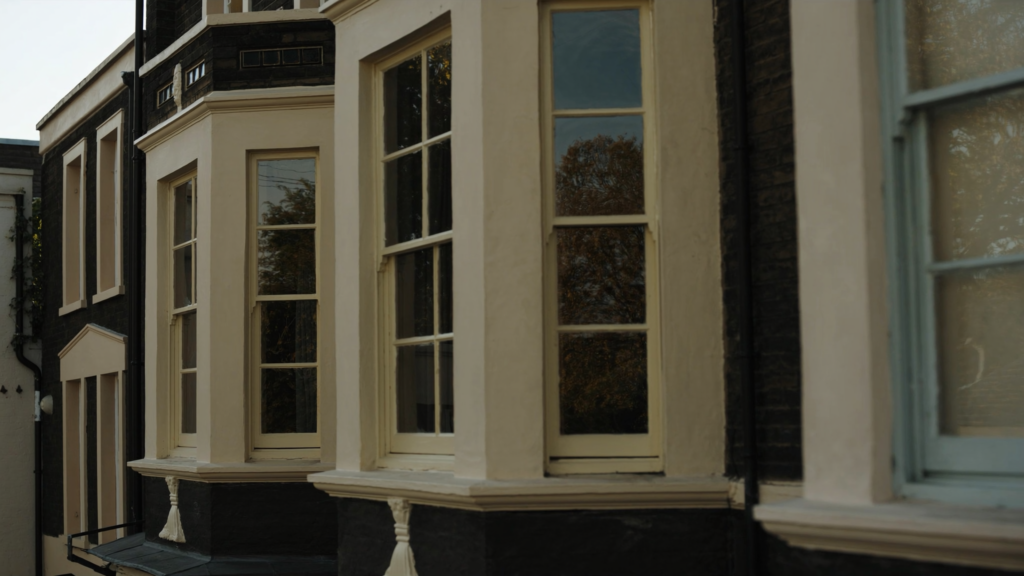
The terraced properties in central Trowbridge, particularly those around the Newtown and Adcroft areas, are often mid-Victorian builds from the 1860s to 1900s. These homes typically have deep-set timber sash windows with masonry surrounds. Fitting modern double-glazed units into these openings is absolutely possible, but it requires more careful measurement, specialist slimline double-glazed units in some cases, and a bit more time on installation. Expect installers to spend longer on prep work here compared to a standard 1970s semi in Hilperton.
Post-war semis from the 1950s through to the 1980s, which make up a large chunk of Trowbridge’s housing, are actually some of the easiest properties to upgrade. Standard-sized openings, straightforward cavity walls, and relatively simple installation make these properties ideal for a clean, cost-effective double glazing job. If you’re in one of these homes, you’re in luck.
A few things to think about specifically for Trowbridge homes:
- Parking and access, Many of the terraced streets near the town centre have limited parking, which can affect how easily an installation team can work. It’s worth flagging this with your installer upfront so they can plan accordingly.
- Original timber frames, Older properties often have timber that needs repair or replacement before new glazing can be fitted properly. Get a thorough survey, not just a quick quote.
- Rendered or pebble-dashed exteriors, Common on inter-war properties, these can complicate the sealing process around new frames. Not a dealbreaker, but worth discussing with your installer.
- Conservation area considerations, More on this below, but homes in or near the town centre conservation area face specific restrictions on what they can fit.
How Much Double Glazing Costs in Trowbridge and the South West in 2026
Let’s get straight to the numbers. Costs in Trowbridge are broadly in line with the South West regional average, though you’ll typically pay slightly less than in Bath (just 13km away), where premium installer rates and conservation area complexity push prices higher. You’re also well within the catchment of installers based in Frome, Warminster, and Corsham, so you benefit from genuine local competition.
| Property Type | Number of Windows | Standard uPVC Double Glazing | Timber-Effect uPVC | Aluminium Frames |
|---|---|---|---|---|
| Small terrace (2 bed) | 5-7 windows | £3,200 – £4,500 | £4,200 – £5,800 | £5,500 – £7,200 |
| Mid terrace (3 bed) | 7-9 windows | £4,500 – £6,000 | £5,800 – £7,500 | £7,000 – £9,500 |
| Semi-detached (3 bed) | 9-12 windows | £5,500 – £7,500 | £7,000 – £9,500 | £9,000 – £12,500 |
| Semi-detached (4 bed) | 12-15 windows | £7,000 – £9,500 | £9,000 – £12,000 | £11,500 – £16,000 |
| Adding a composite front door | 1 door | £1,100 – £1,600 | £1,400 – £2,000 | £1,800 – £2,800 |
These figures include supply, installation, and removal of your old windows, but not any structural repairs to lintels or reveals. Always ask installers whether their quote includes scaffolding if upper-floor windows need it, this can add £400 to £800 to your total and sometimes isn’t mentioned upfront.
Compared to the national average, Trowbridge sits roughly 5-8% below what you’d pay in London or the South East, but within a few percent of the wider South West average. Installers covering the Bath-Frome-Trowbridge-Warminster triangle tend to offer competitive pricing precisely because there’s a good density of work in a relatively small area.
How Trowbridge’s Weather and Location Affect Your Double Glazing Choices
Trowbridge’s climate is more nuanced than people often realise. Sitting inland in Wiltshire, you miss the coastal wind and salt exposure that causes rapid frame degradation in places like Weston-super-Mare or Weymouth. But the Avon Valley location means the town sees more ground-level moisture and mist than you might expect, and that matters more than most people think when choosing glazing.
The town receives between 700mm and 900mm of rainfall annually, and damp, overcast winter conditions are common from November through February. This makes good sealing and drainage channels on your window frames genuinely important, not just a box-ticking exercise. Poorly fitted or cheap frames can allow moisture ingress into wall cavities, which is particularly problematic in the older brick-built terraces near the town centre.
On the positive side, Trowbridge enjoys some of the best solar irradiance figures in the UK, around 1,100 to 1,150 kWh per square metre per year. This means south-facing rooms can actually gain meaningful passive solar heat through well-specified double glazing during winter months. If your living room or kitchen faces south (common in many of the semis off Frome Road and around the Bradley Road area), choosing glazing with a solar gain coefficient (g-value) of 0.4 or above can meaningfully reduce your heating demand.
Wind exposure in Trowbridge is moderate. You don’t need the ultra-high-performance storm-rated units that coastal properties sometimes require, but you do want frames with at least a 44dB acoustic rating if you’re near the A363 or the A361, which carry a fair amount of through traffic.
The Products and Options That Work Best in Trowbridge
Based on Trowbridge’s specific mix of property types, climate, and typical buyer priorities, here’s what genuinely performs well here rather than a generic rundown of every product on the market.
For Victorian and Edwardian terraces, slimline double-glazed units in a chamfered or ovolo profile uPVC frame (or engineered timber if budget allows) are the right call. These sit more sympathetically in the original openings and, if you’re near the conservation area, are more likely to get approval. Look for a centre-pane U-value of 1.0 W/m²K or better.
For post-war semis, standard white uPVC with a 28mm or 32mm sealed unit is the most cost-effective choice and performs excellently in these properties. A-rated units with warm-edge spacer bars are well worth the modest extra cost, they reduce condensation at the edges of the glass and improve thermal performance meaningfully.
Key specifications to ask for:
- Overall window U-value of 1.4 W/m²K or below (A-rated)
- Argon gas-filled units as standard (not air-filled, some cheaper quotes still include these)
- Warm-edge spacer bars rather than standard aluminium spacers
- Low-E glass coating on the inner pane
- Multi-point locking as standard on all frames
- At least a 10-year guarantee on sealed units and a 5-year minimum on frames and installation
Triple glazing, worth considering if you’re on a particularly busy road or next to a commercial area near the town centre. The acoustic benefit is the main reason to pay the premium in Trowbridge’s climate, since the thermal gain over A-rated double glazing in a mild Wiltshire winter is relatively modest. Expect to add 20-35% to your window costs for triple glazing.
How to Find a Trustworthy Double Glazing Installer Near Trowbridge
Trowbridge is well-served by installers, but you’ll likely be dealing with companies that cover the whole Bath-Frome-Corsham-Warminster catchment rather than exclusively local firms. That’s fine, it means you have genuine choice. But it also means you need to be a bit more selective.
Certifications that matter for double glazing:
- FENSA registration, non-negotiable. Any installer replacing windows in England must be FENSA registered (or equivalent under Certass). This ensures the work is self-certified against Building Regulations and you get the certificate you’ll need when selling your home.
- TrustMark accreditation, particularly important if you’re using any grant funding. Only TrustMark-registered installers can carry out work under most government-backed schemes.
- Which? Trusted Trader or similar, useful additional reassurance, though not a regulatory requirement.
Questions worth asking any installer:
- Are you FENSA registered and will you provide the certificate on completion
- Is argon gas filling and warm-edge spacer bars included as standard in this quote
- Does this price include scaffolding if needed for upper floor windows
- How long is the guarantee on sealed units, frames, and installation separately
- Can you provide two or three references from recent jobs in Trowbridge or nearby
Red flags to watch out for, high-pressure same-day discount tactics, quotes that don’t specify the glass specification, guarantees that rely on the installer still trading (look for insurance-backed guarantees), and any firm that can’t show you their FENSA registration number immediately.
Lead times in this part of Wiltshire are typically 4-8 weeks from order to installation, though this can stretch to 10-12 weeks in spring when demand picks up across the Bath and Wiltshire corridor.
Grants and Funding That Could Reduce Your Costs in 2026
This is where it’s important to be honest with you, double glazing on its own is less likely to attract grant funding than heating system upgrades, but there are still real routes to support depending on your circumstances.
ECO4 (Energy Company Obligation), if your household is on qualifying benefits, or if you have a low income and your home is rated Band D or below (which most Trowbridge homes are), you may qualify for fully or partly funded double glazing under ECO4. This is delivered through energy suppliers and must be installed by TrustMark-registered contractors. Contact your energy supplier directly or use the government’s ECO4 referral route via Wiltshire Council’s website.
Great British Insulation Scheme (GBIS), this scheme includes window upgrades in some circumstances, particularly where glazing forms part of a broader insulation package for homes in lower EPC bands. With most Trowbridge homes sitting at Band D, many residents are right in the target range. Wiltshire Council can provide referrals, it’s worth a phone call to the council’s housing energy team.
Wiltshire Council Local Authority Delivery, Wiltshire Council has participated in LAD scheme funding in recent years and continues to administer energy efficiency support. Eligibility typically focuses on lower-income households and properties with poor EPC ratings. Check directly with the council for the most current eligibility criteria as these schemes are updated regularly.
If you don’t qualify for grant funding, many installers in the Trowbridge area offer 0% finance over 12-24 months, which at least lets you spread the cost without interest. Always check the total amount repayable carefully before signing up.
Planning Permission and Regulations in Trowbridge
The good news for most Trowbridge homeowners is that replacing windows with double glazing falls under permitted development rights, meaning you don’t need planning permission as long as the replacement windows are similar in appearance to the originals and the work meets Building Regulations.
However, there are some important local exceptions to know about:
Trowbridge Conservation Area, the historic town centre, including areas around St James’s Church and parts of Castle Street, falls within a designated conservation area managed by Wiltshire Council. Within this area, permitted development rights for window replacement are more restricted. You’ll generally need planning permission if you’re replacing timber sash windows with uPVC, or if the new windows would materially change the character of the property. A call to Wiltshire Council’s planning department before you get any quotes is strongly recommended if you live in or near this area.
Listed buildings, Trowbridge has a number of listed buildings, particularly in the older parts of town. If your property is listed (Grade I, Grade II*, or Grade II), you will almost certainly need Listed Building Consent before changing any windows. Standard double glazing is unlikely to be approved for listed buildings, secondary glazing is usually the required alternative.
Building Regulations, all replacement windows must meet current Building Regulations requirements for thermal performance, ventilation, and safety glazing. This is automatically handled if you use a FENSA-registered installer, which is another reason why that certification matters so much.