Why Bath Homeowners Are Looking at Double Glazing Right Now
Bath is a city that wears its age beautifully, but that same gorgeous Georgian and Victorian architecture can leave you genuinely cold in winter. With an average EPC rating of Band D across the city, thousands of Bath homes are losing heat through single-glazed sash windows, draughty original frames, and glazing that was installed back when energy was cheap and nobody thought twice about it.
Right now, a combination of factors is pushing more Bath residents towards double glazing than at any point in recent memory. Energy bills remain stubbornly high, the government’s ECO4 and Great British Insulation Scheme are still running, and Bath and North East Somerset Council (B&NES) has updated its guidance on heritage windows, meaning even homeowners in conservation areas have more options than they realise.
There’s also a very Bath-specific issue at play. A huge proportion of the city’s housing stock, particularly the terraced rows across Twerton, Odd Down, Oldfield Park, and the Victorian streets of Widcombe, was built before cavity wall insulation or double glazing were even concepts. The windows in these homes are often the single biggest source of heat loss, and replacing them can make a transformative difference to comfort and running costs.
If you’ve been sitting on the fence about upgrading your glazing, this guide will give you everything you need to make a properly informed decision, with real Bath figures, not national averages dressed up in local clothing.
What Double Glazing Actually Involves for a Typical Bath Home
Double glazing sounds straightforward, two panes of glass with a gap in between, but the installation reality for a typical Bath property is more involved than you might expect.
The Georgian and Victorian Challenge
Bath’s most distinctive housing eras are Georgian (roughly 1714–1830) and Victorian (1837–1901), and both present specific challenges for glazing upgrades. Georgian properties, particularly those in the World Heritage Site zones around the city centre, Royal Crescent, and the Circus, often have original sash windows with proportions that are integral to the listed building’s appearance. For these homes, slim-profile double glazed units or secondary glazing are typically the only approved route, and you’ll need listed building consent before touching anything.
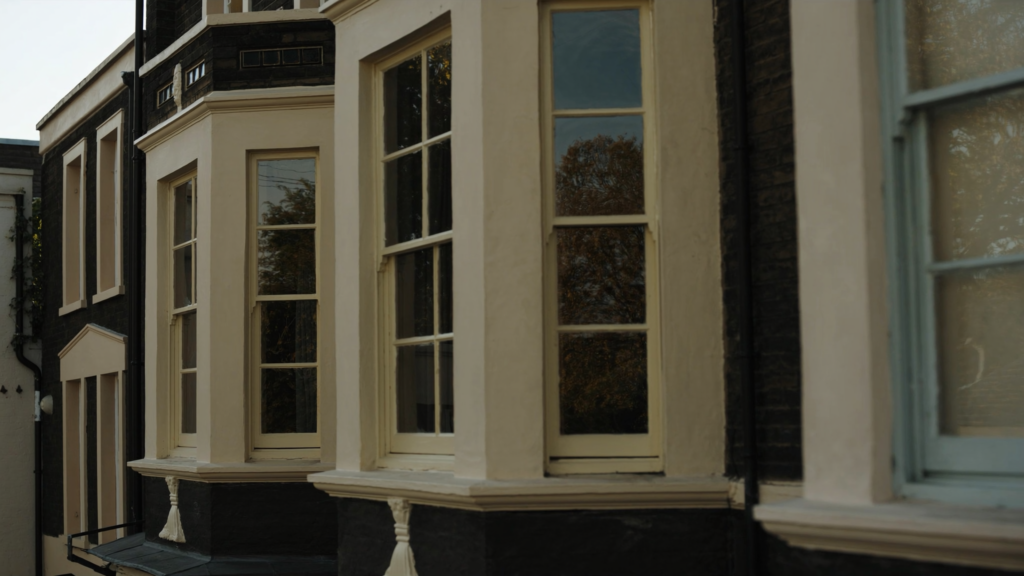
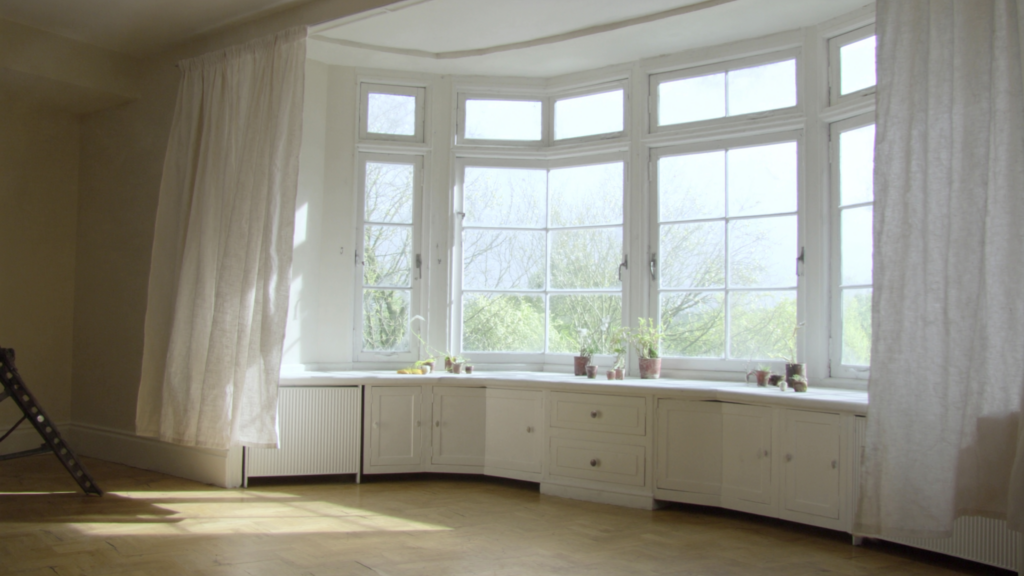
Victorian terraces, which dominate areas like Oldfield Park, Bear Flat, and Weston, are slightly more flexible. Many of these homes have already had window replacements at some point, making a modern double glazing upgrade much more straightforward. The original bay window configurations in these streets, though, often require custom-sized units and can add noticeably to the overall cost.
Terraced and Semi-Detached Specifics
The majority of Bath homes are terraced or semi-detached, and this matters for installation logistics. In tight terraced rows, think the steep streets of Southdown or the tightly packed streets around Moorland Road, installer access can be genuinely difficult. Some properties have no rear access at all, meaning all materials come through the front door or over rooftops via scaffolding. This adds time and, inevitably, cost.
Semi-detached homes in Bath’s suburban estates, Peasedown St John, Paulton, Saltford, tend to be postwar builds with standard softwood or uPVC frames that are simpler and cheaper to replace. If you’re in one of these properties, you’re probably looking at a more straightforward job than your counterparts in the city centre terraces.
Stone Surrounds and Frame Rot
Bath stone is striking but porous. Window reveals in older Bath properties frequently show signs of moisture ingress, and it’s not uncommon for installers to discover rotted timber sub-frames when they remove old windows. Budget a contingency of around £150–£300 per window for remedial work if your home is pre-1950s.
How Much Double Glazing Costs in Bath and the South West in 2026
Let’s talk numbers. Costs in Bath sit broadly in line with the South West average, though slightly above what you’d pay in nearby Trowbridge or Frome, largely because of access challenges, conservation area complications, and the higher proportion of non-standard window sizes throughout the city.
| Property Type | Number of Windows | Standard uPVC | Timber-Look / Aluminium | Heritage Slim-Profile |
|---|---|---|---|---|
| 1-bed flat | 4–5 windows | £2,400–£3,200 | £3,200–£4,500 | £4,800–£6,500 |
| 2-bed terraced | 6–8 windows | £3,500–£5,000 | £5,000–£7,200 | £7,000–£10,000 |
| 3-bed semi-detached | 8–10 windows | £4,500–£6,500 | £6,500–£9,500 | £9,000–£13,500 |
| 4-bed detached / larger | 12–15 windows | £6,500–£9,000 | £9,000–£14,000 | £13,000–£20,000+ |
Compared to the national average, Bath prices are typically 5–12% higher for heritage and non-standard work, and broadly comparable for standard uPVC installations. Bristol installers serving Bath (just 18km away) sometimes offer marginally more competitive pricing on larger jobs due to economies of scale, so it’s worth getting quotes from both Bath-based firms and Bristol-area companies who regularly cover the B&NES area.
Corsham and Trowbridge installers also regularly quote for Bath jobs, and because their base costs are slightly lower, they can sometimes undercut city-centre Bath firms on straightforward estate properties in Odd Down or Whiteway.
What Affects Your Final Price
- Parking and access, city centre Bath has some of the worst parking constraints outside London. Expect a small additional charge if installers need to arrange skip permits or restricted zone access
- Non-standard sizes, Georgian proportions rarely match catalogue sizes
- Scaffold requirements, upper floor windows in tall terraces often need scaffold rather than ladders
- Conservation area requirements, additional paperwork, slower approvals, specific product restrictions
- Frame condition, discover rot or structural issues on the day, and costs can rise
How Bath’s Weather and Location Shape Your Double Glazing Choices
Bath sits in the Avon Valley, sheltered by the Cotswold escarpment to the north-east and the Mendip Hills to the south. This geography gives the city a surprisingly mild microclimate, winters are noticeably less severe than in Bristol, let alone northern England, with around 1,200–1,500 heating degree days per year.
What this means in practice is that extreme cold performance is less critical in Bath than it would be in, say, Leeds or Edinburgh. A standard A-rated double glazed unit will serve you well through Bath winters without needing to pay a premium for triple glazing purely on thermal grounds. Even so, there are two local factors worth factoring in specifically.
Rainfall and Damp
Bath receives 700–1,000mm of rainfall annually, with persistent drizzle rather than dramatic downpours being the characteristic pattern. For glazing, this means frame quality and water drainage channels matter enormously. Cheap uPVC with poor drainage design will accumulate moisture in the reveals, accelerating the very damp problems you’re trying to solve. Look for frames with effective drainage slots and ask installers specifically how they seal the junction between frame and Bath stone reveals.
The Solar Opportunity
Here’s something many Bath homeowners don’t fully appreciate, the South West has the best solar irradiance in the UK, at 1,100–1,200 kWh per square metre per year. Bath gets around 1,200–1,500 sunshine hours annually, which is considerably more than the national average. This matters for glazing because it creates an opportunity to use solar control glass strategically on south and west-facing elevations, capturing winter warmth passively while limiting summer overheating. If your living room faces south (common in the east–west oriented terraces of Oldfield Park and Twerton), a low-e glass with a solar gain coefficient (g-value) of around 0.6 gives you the best balance.
Noise from the A4 and City Traffic
If your home is near the A4 London Road, the A36 Warminster Road, or the approach roads into the city centre, acoustic performance is worth specifying explicitly. Standard double glazing reduces noise, but for genuinely noisy locations, ask for units with an asymmetric glass configuration, for example, 6mm outer pane and 4mm inner pane, which disrupts sound waves more effectively than matched panes.
The Products and Options That Actually Perform Well in Bath
Based on the specific conditions in Bath, mild but damp winters, excellent solar gain, heritage aesthetics, and a mix of stone and brick construction, here’s what genuinely works rather than what just looks good on a brochure.
For Standard Victorian and Edwardian Terraces
A high-quality A-rated uPVC double glazed unit with a warm edge spacer bar (rather than the old aluminium spacer) and argon gas fill is the sweet spot for performance and cost. Look for units with a centre pane U-value of 1.0 W/m²K or better. Brands like Rehau, Veka, and Deceuninck offer frames available through most South West fabricators and have strong track records in this type of property.
For the casement styles common in Victorian Bath properties, tilt-and-turn mechanisms are worth the small extra outlay, they make cleaning upper floor windows dramatically easier and improve ventilation control.
For Georgian and Heritage Properties
Slimline double glazed units, typically 14mm or 18mm overall thickness, are built to fit into existing sash boxes with minimal alteration. Companies like Selectaglaze and Histoglass produce heritage-approved products that B&NES conservation officers are familiar with and generally willing to approve. Expect to pay a significant premium, but these products genuinely do maintain the character of the original windows while delivering meaningful thermal improvement.
Secondary glazing is also worth serious consideration for listed properties, it’s less intrusive, fully reversible, and can actually outperform double glazing on acoustic insulation, which is useful near Bath’s busy roads.
Aluminium Frames
Modern thermally broken aluminium frames have improved enormously and suit Bath’s mix of modernist and contemporary additions to older properties. They’re also low maintenance in the damp West Country climate. Expect to pay 30–40% more than equivalent uPVC, but the slim sightlines and longevity (40+ years) make them excellent value on the right property.
How to Find a Trustworthy Double Glazing Installer Near Bath
Bath has solid installer coverage, you’re not in a rural area where you’d be waiting months for a quote. Local firms based in Bath itself, plus larger companies operating from Bristol and serving the whole B&NES area, give you genuine choice. Corsham and Frome-based installers also regularly work in Bath, so don’t limit your search to the city postcode.
Certifications That Actually Matter
- FENSA registered, non-negotiable for replacement windows. A FENSA certificate confirms the installation complies with Building Regulations and is registered with the local authority. Without it, you’ll face complications when selling your home
- TrustMark accredited, government-endorsed quality scheme, increasingly important if you’re accessing any grant funding
- Which? Trusted Trader, useful secondary endorsement, though less rigorous than FENSA
- CERTASS, an alternative to FENSA, equally valid for Building Regulations compliance
Questions Worth Asking Before You Sign Anything
- Are you FENSA or CERTASS registered, and will you provide the certificate on completion
- Do you have experience working in Bath’s conservation areas and with B&NES planning requirements
- What happens if you discover frame or structural damage on the day, how is additional work costed
- What’s the guarantee on frames versus glass units (these are often separate)
- Who fabricates your frames, are they made locally or sourced from a distant manufacturer
Red Flags to Watch For
- Pressure to sign on the same day as the survey visit
- No physical address or VAT number on the quote
- Prices that are dramatically lower than all other quotes (usually means corners cut on glass specification or drainage)
- Reluctance to put the U-value specification in writing
- No mention of Building Regulations compliance or FENSA registration
Lead times in the South West currently run at around 4–8 weeks from order to installation for standard products, longer for bespoke heritage glazing. Book early if you’re targeting an autumn installation before winter arrives.
Grants and Funding That Could Reduce Your Costs in 2026
The funding landscape for double glazing is more nuanced than many homeowners realise, windows sit at the edge of several schemes, and eligibility depends heavily on your circumstances and what else you’re upgrading at the same time.
ECO4 (Energy Company Obligation)
ECO4 can cover double glazing as part of a whole-home upgrade package for eligible households. To qualify, you typically need to be receiving means-tested benefits (Universal Credit, Pension Credit, or similar) or be referred through B&NES Council’s own referral route under the Local Authority Flex scheme. The council actively uses this route for residents in fuel poverty, so it’s worth a direct conversation with the council’s housing energy team if you’re on a low income.
Importantly, ECO4 rarely funds windows in isolation, they’re usually approved alongside a primary measure like loft insulation, cavity wall insulation, or a heat pump. If you’re considering a broader retrofit, double glazing can come along for the ride at no extra cost to you.
Great British Insulation Scheme (GBIS)
GBIS can sometimes include windows for properties in the lower EPC bands. With Bath averaging Band D, many homes here sit right at the boundary of eligibility, Band D properties in lower Council Tax bands (A–D) may qualify. The Great British Insulation Scheme closed on 31 March 2026. It funded insulation measures only and never covered windows or glazing.
Warm Homes Plan
The government’s Warm Homes Plan, rolling out through 2026, is focusing on low-income owner-occupiers and social housing. B&NES Council is participating in early allocation rounds. If you own your home and are on a low income, register your interest directly with the council, Bath and North East Somerset’s housing energy team can advise on current waiting lists and likely timescales.