Newbury’s Housing Story and Why Eco Upgrades Make Sense Here
Newbury sits in the Kennet Valley, tucked between the North Wessex Downs to the south and the gentler slopes leading towards Reading to the north. The River Kennet runs right through the town, and if you’ve walked along the towpath near Northbrook Street, you’ll know this is a place with genuine character, not just another dormitory town.
The town grew substantially in the postwar decades, and the bulk of Newbury’s housing stock reflects that era. Large estates like Sandleford, Wash Common, and Speen were developed through the 1960s and 1980s, producing row after row of semi-detached and detached homes that are now ripe for energy upgrades. Older Victorian and Edwardian terraces cluster closer to the town centre and along routes like Cheap Street, while more recent builds have appeared around the Newbury Business Park fringes and off the A339 corridor.
What makes this particularly interesting for homeowners right now is that Newbury sits in one of the sunniest parts of England, benefits from relatively mild winters compared to northern towns, and has a decent EPC average, meaning you’re not starting from scratch. You’re in a position to go from good to genuinely excellent, and the savings at that stage can be surprisingly significant.
West Berkshire Council handles planning applications here, and their approach to retrofit and renewable energy is worth understanding before you start any project. For the wider county context, our eco homes in Berkshire overview has useful background.
How Energy Efficient Are Newbury Homes, and What Does That Actually Mean for Your Bills?
Newbury’s average EPC rating is Band C, which puts it ahead of the national average of Band D. That’s genuinely good news, it means most homes here already have some insulation, reasonably modern heating, and basic draught-proofing in place. But Band C still leaves real money on the table.
A typical Band C semi-detached in Wash Common or Speen will spend roughly £1,400 to £1,800 per year on energy bills, assuming average gas and electricity usage. A Band B home doing the same things could spend £900 to £1,200. That gap, potentially £600 a year, is exactly what smart upgrades are built to close.
Compare that to neighbouring Basingstoke (23km south-west), where older housing stock drags the average closer to Band D in several areas, or Didcot (24km north), where a large proportion of homes are older terraces. Newbury homeowners are starting from a stronger base, but that makes the marginal improvements more financially attractive, not less, because the fabric is already there to support them.
- Band A or B homes sell at a measurable premium in the South East property market, often £15,000 to £30,000 more on a Newbury-priced detached home
- South East energy prices track slightly above the national cap due to network distribution charges
- Homes in Newbury’s conservation zones, including parts of the town centre and Speenhamland, may need additional planning consideration for visible changes
Solar Panels in Newbury, The Numbers Are Better Than You Might Think
Newbury enjoys around 1,250 to 1,350 sunshine hours per year and a solar irradiance figure of roughly 1,150 kWh per square metre annually. That puts it firmly in the top tier for solar performance in England, meaningfully better than towns in the Midlands or the North.
The Kennet Valley’s geography helps here. The town is relatively sheltered and sits at modest elevation, avoiding the persistent cloud that affects higher ground on the Downs. South and south-west facing roofs on the Wash Common ridge, or on detached homes along the A343 towards Highclere, can generate particularly well.
One thing to be aware of if you’re in the town centre or near the Northbrook Street conservation area, West Berkshire Council does require permitted development rules to be followed carefully, and listed buildings need full planning permission before any panels go up. For most estate homes in Sandleford or Speen, however, it’s a straightforward permitted development installation.
| System Size | Typical Install Cost (2026) | Annual Generation (Newbury) | Annual Savings Estimate | Payback Period |
|---|---|---|---|---|
| 3 kW | £5,500 – £6,500 | ~2,700 kWh | £550 – £700 | 8 – 11 years |
| 4 kW | £7,000 – £8,500 | ~3,600 kWh | £720 – £950 | 8 – 11 years |
| 6 kW | £9,500 – £11,500 | ~5,400 kWh | £1,050 – £1,350 | 8 – 10 years |
Adding a battery storage system (typically £3,000 – £5,500 for a 5–10 kWh unit) makes particularly good sense in Newbury, where the average household uses electricity steadily through the evening. Self-consumption rates jump from around 30% to 70–80% with storage, significantly improving your returns.
Installer availability in Newbury is generally good, local companies serve the cluster of towns from Reading through to Andover, and competition keeps pricing competitive. Even so, summer booking slots fill up fast, so if you’re planning an installation, aim to get quotes in late winter.
Heating Choices That Actually Work for Newbury’s Climate and Home Types
Newbury’s winters are mild by UK standards, the town sits in a sheltered valley and rarely sees the sustained frost that affects higher ground. Heating degree days here run at 1,200 to 1,400 per year, which is noticeably lower than towns in the Midlands or North. That matters a lot when choosing between heating systems.
Gas Boilers
Most Newbury homes are on the gas grid, and a modern condensing combi boiler running at 92–94% efficiency is still a reasonable choice if your home isn’t yet well-insulated. Running costs for an average semi-detached sit around £900 – £1,200 per year on gas. A new boiler installation typically costs £2,200 – £3,500 fitted.
Air Source Heat Pumps
Given Newbury’s mild winters and the amount of detached and semi-detached housing stock with decent gardens, air source heat pumps (ASHPs) are an excellent fit. A well-installed system in a properly insulated Newbury home can achieve a coefficient of performance (COP) of 3.0 to 3.5, meaning for every £1 of electricity you use, you get £3 to £3.50 worth of heat.
Running costs for a typical detached home come in at around £900 – £1,300 per year on electricity with an ASHP, versus £1,100 – £1,500 on gas for the same home. The gap narrows when electricity tariffs are high, but pairing an ASHP with solar panels changes the calculation significantly in your favour. Installation typically costs £10,000 – £15,000 before any grants.
Ground Source Heat Pumps
Ground source heat pumps make more sense for larger detached properties with good garden space, think homes in the villages around Newbury like Thatcham or Cold Ash, or larger plots in areas like Highwood. They’re more expensive to install (£18,000 – £30,000+) but deliver very consistent performance regardless of air temperature. For most Newbury semi-detacheds, an ASHP is the more practical and cost-effective choice.
Where to Start With Insulation, a Practical Priority List for Newbury Homes
The semi-detached and detached homes that dominate Newbury’s estates in Wash Common, Sandleford, and Speen tend to have cavity walls and lofts, which means the most impactful insulation measures are often also the most straightforward. Here’s how to prioritise.
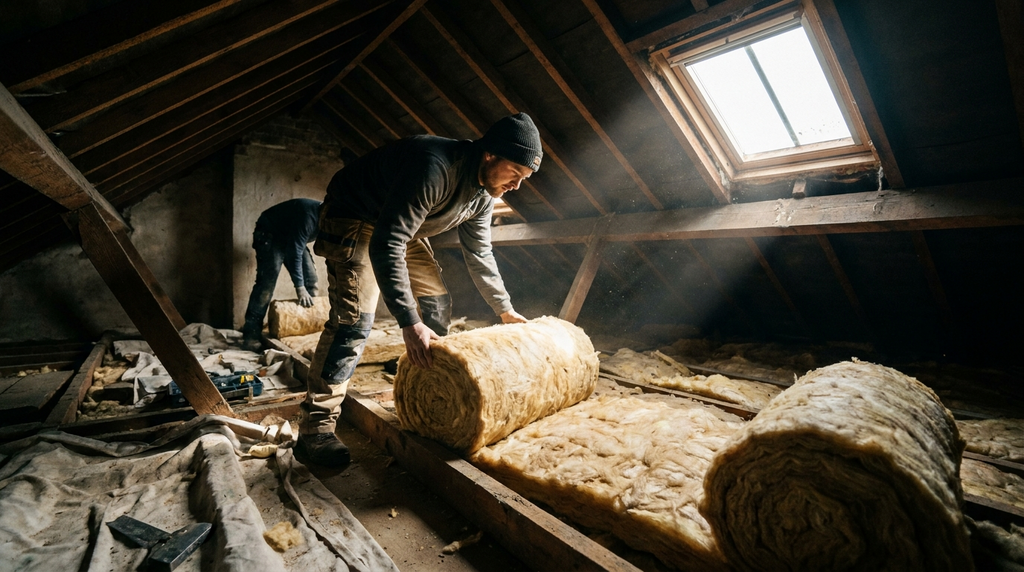
- Loft insulation, If yours is below 270mm, topping it up is the single best value upgrade available. Cost around £400 – £600 for a typical semi, saving £200 – £300 per year. Many Newbury homes from the 1970s and 1980s have original 100mm insulation that’s well overdue an upgrade.
- Cavity wall insulation, Most postwar Newbury estates have unfilled or inadequately filled cavities. Professionally installed cavity wall insulation costs £700 – £1,400 for a semi-detached and saves around £200 – £350 per year. Get a survey first, some older cavity fills have deteriorated and may need remediation.
- Draught-proofing and sealing, Cheap and underrated. Letterboxes, skirting boards, loft hatches, and old window frames on Victorian properties near the town centre all leak significant heat. Budget £100 – £400 for a whole-home draught-proofing job, saving potentially £100 – £150 per year.
- Floor insulation, Suspended timber floors on older homes in the Newbury town centre area and near Speenhamland can be a significant source of heat loss. Insulating beneath floorboards costs roughly £1,000 – £2,000 and saves around £60 – £100 per year. Worth doing if you’re having floors up anyway.
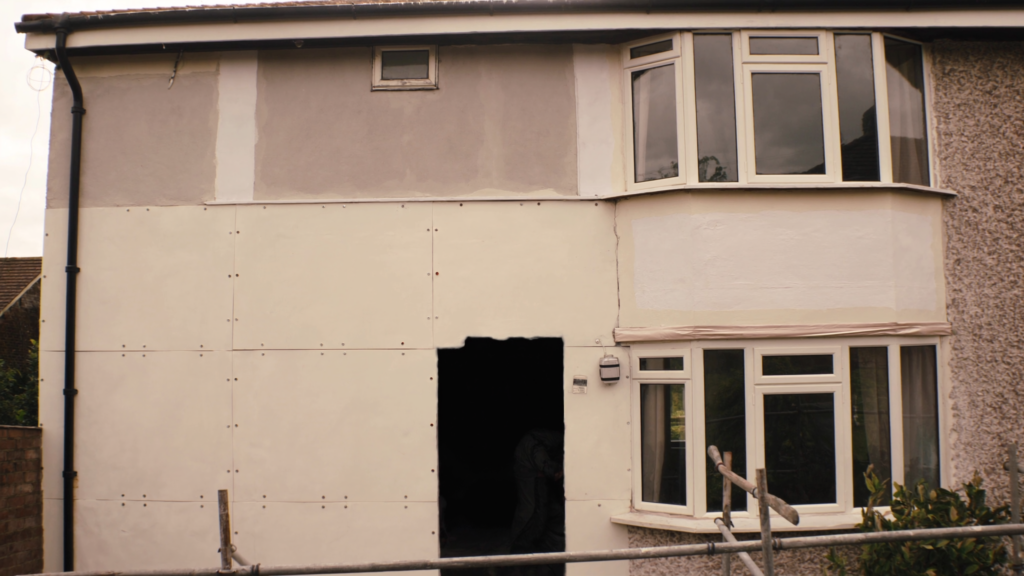
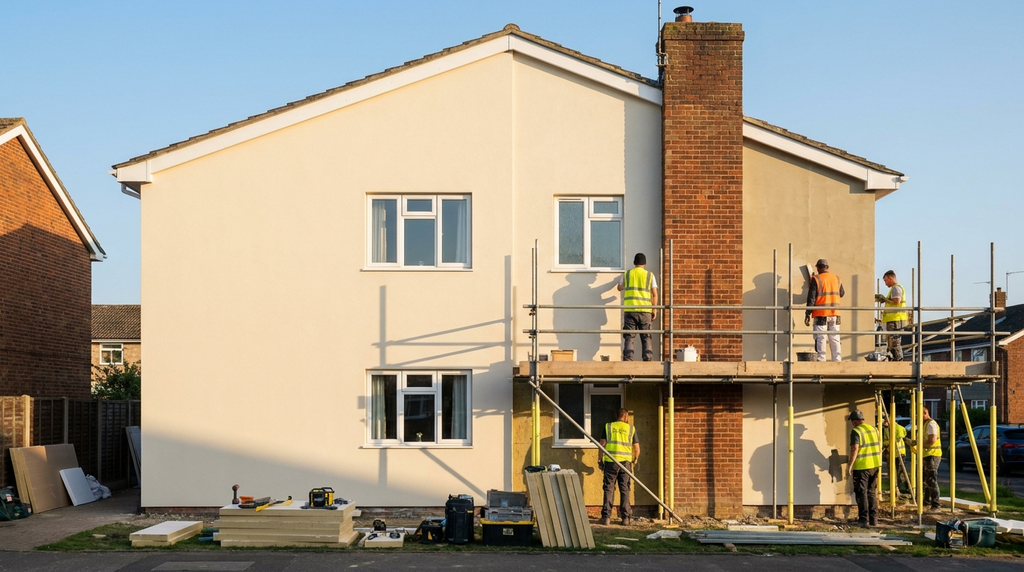
- Solid wall insulation, For Victorian and Edwardian properties with solid brick walls, external or internal wall insulation is costly (£8,000 – £18,000) but can save £400 – £600 per year. Conservation area restrictions in parts of Newbury mean external insulation may need planning permission, check with West Berkshire Council first.
Grants and Funding Newbury Residents Can Actually Get in 2026
The grant landscape in 2026 is more substantial than many homeowners realise, and Newbury residents are well-placed to access several schemes.
The Warm Homes Plan, Great British Insulation Scheme
The Great British Insulation Scheme closed on 31 March 2026. It funded insulation measures only and never covered windows or glazing. Eligible Newbury homeowners have received free loft and cavity wall insulation through this route. Apply through the government’s website or directly through West Berkshire Council’s referral service.
Boiler Upgrade Scheme
The Boiler Upgrade Scheme offers £7,500 off an air source heat pump installation. That brings a typical Newbury ASHP install from around £13,000 down to roughly £5,500 – £7,500, a genuinely transformative subsidy. Your installer applies on your behalf once you’ve had a heat loss assessment done. Make sure they’re MCS certified.
ECO4 Scheme
ECO4 targets lower-income households and funds a comprehensive package of measures, insulation, heating upgrades, and sometimes solar. If you receive qualifying benefits or your home is in a lower council tax band with a poor EPC, contact West Berkshire Council’s housing team who can assess your eligibility and connect you with approved contractors.
West Berkshire Council’s Own Retrofit Support
West Berkshire Council has its own retrofit advisory service and periodically runs area-based schemes targeting specific neighbourhoods. It’s worth registering your interest directly with their energy efficiency team, residents in areas like Wash Common have previously been included in targeted programmes that covered surveys and partial installation costs.
Smart Export Guarantee
Once your solar panels are installed, you’re entitled to export payments for any electricity you send back to the grid. Rates from leading energy suppliers currently range from 4p to 15p per kWh exported. Shop around, the difference between a poor and good SEG tariff on a 4kW system in Newbury could be £100 – £250 per year.
Finding Good Installers Around Newbury, What to Look For
Newbury sits within easy reach of Reading (25km), Basingstoke (23km), and Andover (24km), which means a healthy pool of installers serves this part of Berkshire. Competition is generally good, but so is demand, and a few things are worth knowing before you start calling around.
Certifications That Actually Matter
- MCS certification, essential for solar and heat pump installers if you want to claim the Boiler Upgrade Scheme or Smart Export Guarantee
- TrustMark registration, required for any ECO4 or government-funded work
- CIGA guarantee, look for this on cavity wall insulation work; it provides a 25-year guarantee on the installation
- Gas Safe registration, non-negotiable for any boiler or gas work
Red Flags to Watch For
- Installers who quote over the phone without visiting your property
- Anyone pressuring you to sign on the day or offering deals that “expire tonight”
- Quotes that don’t include scaffolding, building control fees, or grid connection costs for solar
- Companies that can’t provide local references, ask specifically for jobs done in Newbury or West Berkshire
Get at least three quotes for any job over £2,000. Pricing in the Reading-to-Basingstoke corridor can vary by 20–30% between installers for identical work. Waiting times for heat pumps are currently running at six to twelve weeks in this area, plan ahead.
Your Step-by-Step Upgrade Plan for a Typical Newbury Home
If you’re in a Band C semi-detached or detached home in Newbury, somewhere like Speen, Sandleford, or Wash Common, here’s a practical sequence that gets you the best return on your investment.
- Get a proper retrofit assessment done first. Not just an EPC, a full retrofit assessment from a qualified assessor (look for PAS 2035 qualifications). This costs around £300 – £500 and tells