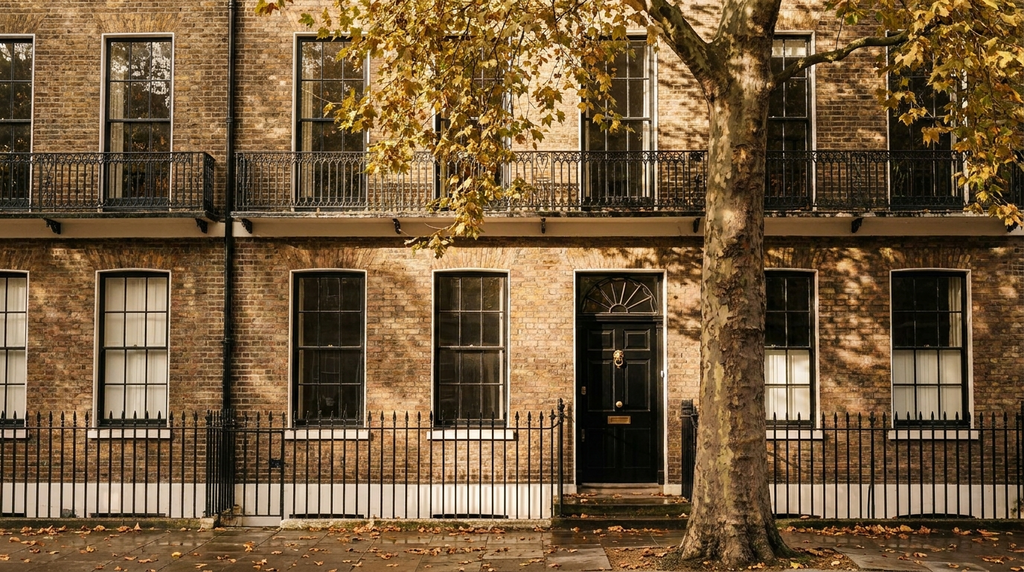
Why Northamptonshire Is a Surprisingly Good Place to Start Your Eco Home Journey
Northamptonshire sits at the heart of England, geographically central, historically industrial, and quietly undergoing a green home revolution that doesn’t always make the headlines. This is a county that once stitched the nation’s shoes and shaped iron into railings, and the housing stock reflects that working heritage beautifully. You’ll find rows of Victorian terraces in Kettering and Wellingborough, sprawling interwar semis in Northampton, and handsome stone cottages in the rural villages surrounding Daventry and Corby.
That variety matters enormously for eco home improvements. Unlike counties with more uniform housing, Northamptonshire gives installers, and homeowners, a real mix of challenges and opportunities. The same street can have a solid-wall Victorian terrace sitting next to a 1970s cavity-wall semi, and the right eco solution for each is completely different.
The county is also blessed with genuinely good solar conditions. Being centrally positioned in England, away from the cloud-heavy coasts, Northamptonshire enjoys 1,200 to 1,500 sunshine hours per year, putting it firmly in the upper tier for solar viability. Coupled with relatively mild winters (the heating season here is shorter than in the North or East Anglia), that means solar panels work hard here, and your heating system doesn’t need to work quite as hard as in colder regions.
With around 418,000 residents spread across five main towns and a patchwork of villages, Northamptonshire has a community feel that larger conurbations lack. Local installers know the housing stock well, word travels fast about who does good work, and several of the county’s councils are actively pushing fuel poverty reduction programmes. That combination of good climate, varied housing, and engaged local authorities makes this a genuinely exciting county for eco home upgrades in 2026.
Understanding Energy Performance Across the County’s Towns and Neighbourhoods
The average EPC rating across Northamptonshire is Band D, right in line with the UK national average, which sounds unremarkable until you start looking at what that actually means for your energy bills. A Band D home typically costs somewhere between £1,800 and £2,400 a year to heat and power, depending on size and if you’re on mains gas.
With an average gas usage of 10,960 kWh per year and electricity consumption of 3,080 kWh per year, a typical Northamptonshire household is spending roughly £1,150 on gas and £820 on electricity annually at current tariff rates. That’s your baseline, and it’s the number eco improvements are working to bring down.
But Band D hides a huge range across the county. Here’s roughly how it breaks down by area:
- Northampton has the county’s largest and most mixed housing stock, everything from pre-war terraces in the Semilong and Abington areas to modern estates on the outskirts. Older town-centre properties often sit at Band E or even F, while newer builds push into Band B or C.
- Kettering and Wellingborough both have significant concentrations of Victorian and Edwardian terraced housing linked to the boot and shoe industry. These properties frequently have solid walls rather than cavity walls, which makes insulation more complex and more expensive, but also more impactful when done well.
- Corby was largely built in the mid-20th century to house steelworkers, which means a lot of the housing stock dates from the 1950s, 60s, and 70s. Cavity walls are common here, which is actually good news, cavity wall insulation is relatively affordable and delivers fast payback.
- Daventry and its surrounding villages feature a wider mix of period stone properties alongside newer development. Rural properties in this area sometimes lack mains gas, making heat pump solutions particularly attractive.
If your home sits at Band D, E, or F, the good news is that the improvements with the biggest impact are usually straightforward, insulation, glazing upgrades, and heating system changes. Getting from Band D to Band B is genuinely achievable for most Northamptonshire homes, and it can cut your annual energy spend by £600 to £1,000 or more.
The Range of Eco Home Services Available to Northamptonshire Homeowners
If you’re in a terraced house in Wellingborough or a detached property on the edge of Daventry, there’s a full suite of eco home services available across the county. Here’s a plain-English summary of what’s on offer and what each one actually does for you.
Solar Panel Installation
Solar panels are one of the most popular upgrades in Northamptonshire right now, and with good reason. The county’s central location and relatively low rainfall mean panels generate well throughout the year. A standard 4kWp system on a south-facing roof can generate around 3,400 to 3,800 kWh per year, covering a large chunk of a typical household’s electricity use. Costs have come down significantly and a quality installation now typically runs £5,000 to £8,000 for a mid-sized home.
Air Source Heat Pumps
Heat pumps are the big conversation in eco homes right now, and they’re well-suited to Northamptonshire’s milder climate. They work by extracting heat from outside air, even in cold weather, and are significantly more efficient than a gas boiler. A typical air source heat pump installation costs £8,000 to £14,000, but the Boiler Upgrade Scheme brings that down considerably (more on that below).
Cavity Wall and Loft Insulation
For the 1950s-to-1980s housing stock common in Corby and parts of Northampton, cavity wall insulation is often the single best value upgrade you can make. It costs as little as £400 to £800 for a typical semi-detached home and can save £200 to £350 per year on heating bills. Loft insulation is similarly cost-effective, often under £500 and delivering payback in under two years.
External and Internal Wall Insulation
For the solid-walled Victorian and Edwardian terraces in Kettering and Wellingborough, cavity wall insulation isn’t an option. External wall insulation (EWI) or internal wall insulation (IWI) are the alternatives. These are more involved and more expensive, typically £8,000 to £20,000 depending on the size of the property, but the heat loss savings are substantial.
Double and Triple Glazing
Replacing single-glazed windows with modern double or triple glazing can make a dramatic difference to comfort and heating bills. A full re-glaze of a three-bedroom semi typically costs £4,000 to £7,000 and can save £100 to £200 per year on heating while eliminating cold draughts.
Battery Storage Systems
Often installed alongside solar panels, home battery systems let you store the electricity your panels generate during the day and use it in the evening. A good battery system costs £2,500 to £5,000 and can significantly increase the proportion of your electricity that comes free from your own roof.
EPC Assessments and Whole-House Surveys
Before committing to any major upgrade, a proper EPC assessment or whole-house retrofit survey is a smart first step. These typically cost £80 to £250 and give you a clear picture of where your home is losing heat and which improvements will give you the best return.
Typical Costs and Savings for Common Property Types in Northamptonshire
| Improvement | Terraced (2-3 bed) | Semi-Detached (3 bed) | Detached (4 bed) | Typical Annual Saving | Approx Payback Period |
|---|---|---|---|---|---|
| Loft Insulation (top-up) | £300 – £400 | £400 – £500 | £500 – £700 | £150 – £250 | 2 – 3 years |
| Cavity Wall Insulation | £400 – £600 | £500 – £800 | £700 – £1,200 | £200 – £350 | 2 – 4 years |
| External Wall Insulation | £8,000 – £13,000 | £10,000 – £16,000 | £14,000 – £22,000 | £300 – £600 | 20 – 30 years |
| Solar Panels (4kWp) | £5,000 – £6,500 | £6,000 – £8,000 | £7,500 – £10,000 | £500 – £800 | 8 – 12 years |
| Air Source Heat Pump | £9,000 – £12,000 | £10,000 – £14,000 | £12,000 – £18,000 | £300 – £700 | 12 – 20 years (pre-grant) |
| Double Glazing (full house) | £3,500 – £5,000 | £4,500 – £7,000 | £6,000 – £10,000 | £100 – £200 | 20 – 30 years |
| Battery Storage (10kWh) | £2,500 – £3,500 | £3,000 – £4,500 | £3,500 – £5,000 | £200 – £400 | 8 – 14 years |
A practical tip, the payback periods above assume you’re paying full cost. For many Northamptonshire homeowners, grants and schemes can dramatically shorten those numbers. Always check grant eligibility before getting quotes.
Grants and Funding Available to Northamptonshire Homeowners in 2026
This is where things get genuinely exciting, because there’s real money available to help Northamptonshire households make these improvements. Here’s a clear breakdown of what’s on offer.
The Boiler Upgrade Scheme
The Boiler Upgrade Scheme (BUS) provides a £7,500 grant towards the cost of an air source heat pump, and £7,500 for ground source heat pumps. This is applied directly by your installer, so you simply pay the reduced amount. For a typical Northamptonshire semi-detached home, this can bring the net cost of an air source heat pump down to £3,000 to £6,500, which completely transforms the economics. The scheme is open to homeowners replacing a fossil fuel heating system, including gas boilers.
ECO4 (Energy Company Obligation)
ECO4 requires the large energy suppliers to fund home energy improvements for lower-income and vulnerable households. In Northamptonshire, this scheme is particularly active, several of the county’s councils have been working with energy suppliers to identify eligible households. If you’re receiving benefits such as Universal Credit, Pension Credit, or Child Tax Credit, you may qualify for fully funded insulation, glazing, or even heat pump installation. It’s absolutely worth checking eligibility even if you own your home.
The Great British Insulation Scheme
The Great British Insulation Scheme (GBIS) targets homes with EPC ratings of Band D or below, which describes the majority of Northamptonshire’s housing stock. It provides subsidised or free insulation measures including loft insulation and cavity wall insulation. There are two eligibility routes, one means-tested (based on income and benefits) and one broader route for Band D, E, F, and G homes regardless of income. Many Northamptonshire homeowners qualify under the second route without realising it.
North Northamptonshire Council and West Northamptonshire Council Support
Since the 2021 reorganisation, Northamptonshire is served by two unitary authorities, North Northamptonshire Council (covering Corby, Kettering, Wellingborough, and East Northamptonshire) and West Northamptonshire Council (covering Northampton, Daventry, and South Northamptonshire). Both councils have active fuel poverty programmes and have been running area-based schemes to target upgrades in lower-income neighbourhoods. Contacting your relevant council directly is always worthwhile, these area-based schemes sometimes cover streets or postcodes wholesale, meaning your neighbour might already know about funding you haven’t heard of yet.
VAT on Most Eco Home Improvements
It’s easy to overlook, but solar panels, heat pumps, insulation, and most other qualifying eco home improvements attract 0% VAT rather than the standard 20%. On a £10,000 heat pump installation, that’s a saving of £2,000 built in automatically. Glazing is standard-rated for VAT at 20%, so a quote showing 20% VAT is correct and should not be challenged. HMRC names secondary and double glazing as excluded from the energy-saving materials zero rate (VAT Notice 708/6).
Planning Permission and Local Authority Rules You Need to Know About
Most eco home improvements in Northamptonshire fall under Permitted Development rights, meaning you don’t need planning permission. But there are important exceptions, and it’s always better to know before you start.
Solar Panels
Solar panels on a standard domestic roof are Permitted Development in most cases, you don’t need to apply for planning permission. The panels must not project more than 200mm from the roof surface, and they shouldn’t be installed on the principal elevation facing a highway if that would affect the building’s appearance significantly. For most Northamptonshire homes, this is a non-issue.
Heat Pumps
Air source heat pumps also fall under Permitted Development in most cases, provided the unit is reasonably sized, located sensibly, and not on a listed building. There are noise and proximity rules, the unit must be at least one metre from a property boundary in most cases.
Conservation Areas and Listed Buildings
Northamptonshire has a significant number of conservation areas, particularly in the historic town centres of Northampton, Kettering, Daventry, and Wellingborough, as well as in many of the county’s beautiful stone villages. If your property is in a conservation area or is itself listed, the rules tigh