Why Cambridgeshire Is One of the Most Interesting Counties for Eco Home Improvements
Cambridgeshire is a genuinely fascinating place for eco homes, and not just because of the world-famous university city at its heart. This is a county of real contrasts. You have the tech-forward, forward-thinking communities of Cambridge sitting alongside the ancient market towns of Ely and Huntingdon, the cathedral city atmosphere of Peterborough, and vast stretches of flat fenland in between.
That flatness is actually a big deal for eco home improvements. The Fens stretch across a huge chunk of the county, and that open, low-lying landscape means Cambridgeshire gets some of the best solar irradiance in the entire UK. If you live here, you’re sitting in one of the sunniest, driest corners of England, brilliant news for solar panels.
The county also has a surprisingly large off-gas population. Many rural villages and scattered farmhouses across the fens have never been connected to mains gas, making heat pumps and renewable heating systems not just an environmental choice but a genuinely practical one. Add in the flat terrain that makes ground source heat pump installations more viable than almost anywhere else in England, and Cambridgeshire is quietly one of the best-placed counties in the country for a serious home energy upgrade.
With 392,256 residents and four main towns, Cambridge, Ely, Huntingdon, and Peterborough, this is a smaller, more rural county where community matters and where local installers often know your area well.
What the Average EPC Band D Really Means for Cambridgeshire Homes
Most homes across Cambridgeshire sit at EPC Band D, right at the national average. On the surface that sounds fine, but Band D means there’s meaningful room for improvement, and the savings on offer are genuinely worth pursuing.
A Band D home typically costs somewhere between £1,800 and £2,400 a year to heat and power, depending on size and whether it’s on mains gas or off-grid. For a semi-detached on mains gas with average usage, around 10,950 kWh of gas and 3,025 kWh of electricity per year, that’s roughly £1,950 to £2,200 annually at current tariff rates.
The housing stock varies quite a bit across the county, though. Here’s a rough picture of what you’ll find in different areas:
- Cambridge city has a high proportion of Victorian and Edwardian terraced housing, particularly in areas like Romsey, Coleridge, and Arbury. These older homes often have solid walls, no cavity insulation, and original single-glazed sash windows, which can drag EPC ratings down to Band E or F without upgrades.
- Peterborough has significant post-war and 1960s–1980s housing estates, which typically have cavity walls that can be insulated relatively easily. Many of these homes are already mid-Band D or even low Band C with minor improvements.
- Huntingdon offers a real mix, Georgian townhouses in the centre, plus a lot of 1980s and 1990s new-build estates on the outskirts that can be surprisingly cost-effective to upgrade.
- Ely and the surrounding villages tend to have older, detached or semi-detached properties, including some beautiful but thermally challenging stone cottages and period farmhouses.
The rural areas between these towns often have the least efficient homes and the highest potential savings, particularly for off-gas households currently spending £2,800 to £3,500 a year on oil or LPG heating.
The Full Range of Eco Home Services Available Across Cambridgeshire
If you’re in a Cambridge terrace or a detached farmhouse near the Fens, there’s a solid range of eco home improvements available across the county. Here’s a plain-English overview of the main options.
Solar Panels
Given Cambridgeshire’s excellent solar irradiance, among the highest in the UK at 1,200 to 1,500 sunshine hours per year, solar panels are one of the most popular and effective upgrades you can make. A typical 4kWp system costs around £6,500 to £8,000 installed, and most homeowners see annual savings of £600 to £900 depending on how much electricity they use during the day. With battery storage added (typically an extra £2,500 to £4,000), those savings increase significantly.
Heat Pumps
Air source heat pumps are well-suited to Cambridgeshire’s milder winters, with 1,200 to 1,500 heating degree days, the climate here is genuinely kinder to heat pumps than most of the UK. Ground source heat pumps are an especially interesting option for rural properties with larger plots, and the flat fenland terrain makes installation more straightforward. Expect to pay £10,000 to £14,000 for air source and £18,000 to £25,000 for ground source, before any grants.
Insulation
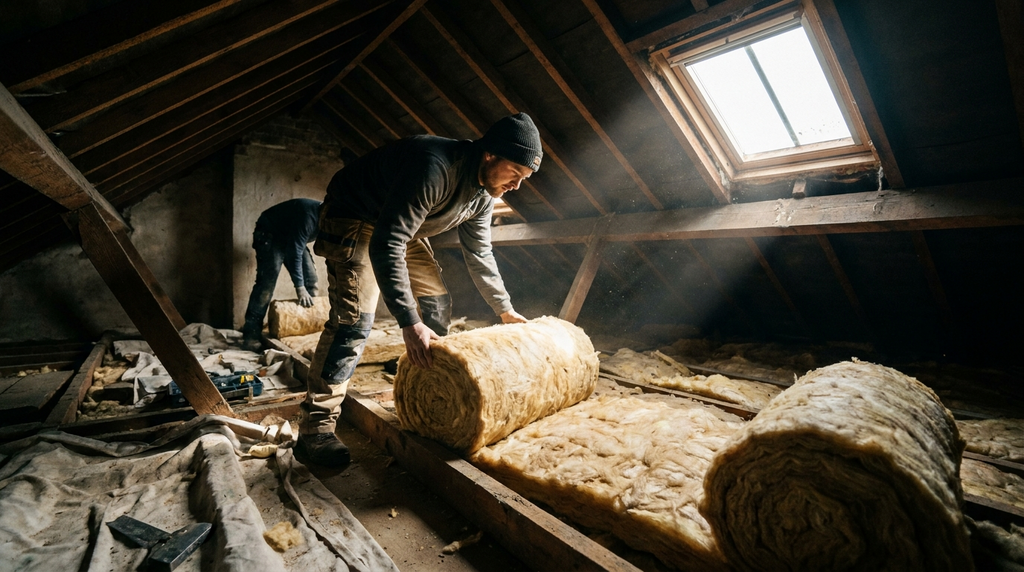
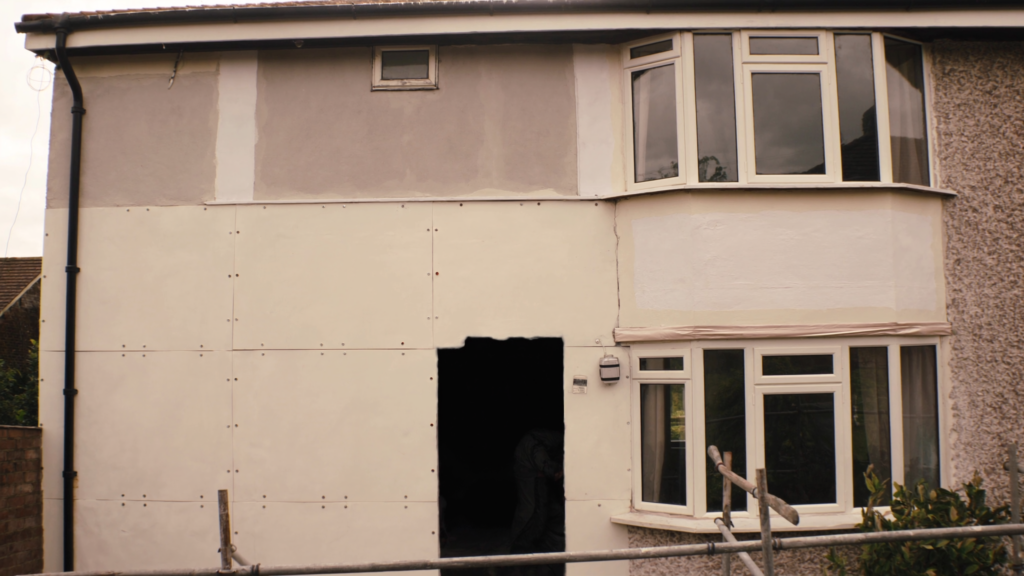
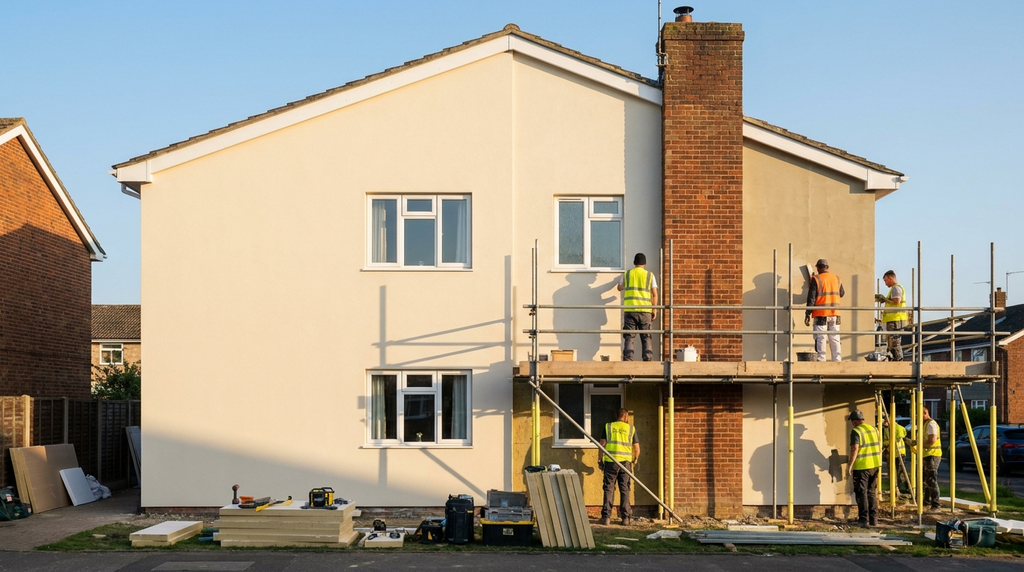
For older Cambridge terraces with solid walls, external wall insulation (EWI) is often the single biggest improvement you can make. Cavity wall insulation for post-war homes is cheaper and faster, typically costing £700 to £1,500. Loft insulation remains one of the best-value upgrades anywhere, around £300 to £600 for a typical semi-detached and paying back in under two years. The dry, low-rainfall climate in eastern Cambridgeshire also means external wall insulation performs particularly well long-term.
Double and Triple Glazing
Replacing single-glazed windows with A-rated double glazing typically costs £400 to £700 per window, and a whole-house replacement on a semi-detached can run to £4,000 to £8,000. If you’re in a period property with sash windows, specialist secondary glazing can be a more cost-effective and planning-friendly option at £200 to £400 per window.
Energy Efficiency Improvements
Smart heating controls, hot water cylinder upgrades, LED lighting, and draft proofing all make a real difference at low cost. A full draft-proofing package for a 1930s semi typically costs £200 to £400 and can save £100 to £150 per year, a genuinely quick win.
Eco Improvement Costs and Savings for Cambridgeshire Homes
The table below gives you a realistic sense of what to budget and what to expect back for the most common improvements across the main property types in the county.
| Improvement | Semi-Detached | Terraced | Detached | Typical Annual Saving | Approximate Payback |
|---|---|---|---|---|---|
| Loft Insulation | £350 – £500 | £300 – £450 | £500 – £800 | £150 – £250 | 2 – 3 years |
| Cavity Wall Insulation | £700 – £1,200 | £600 – £1,000 | £1,000 – £1,800 | £200 – £350 | 3 – 5 years |
| External Wall Insulation | £8,000 – £13,000 | £6,500 – £11,000 | £12,000 – £20,000 | £400 – £700 | 15 – 25 years |
| Solar Panels (4kWp) | £6,500 – £8,000 | £6,000 – £7,500 | £7,000 – £9,500 | £600 – £900 | 8 – 12 years |
| Air Source Heat Pump | £10,000 – £13,000 | £10,000 – £12,500 | £12,000 – £15,000 | £400 – £900 | 10 – 18 years |
| Double Glazing (whole house) | £4,000 – £6,500 | £3,500 – £5,500 | £6,000 – £10,000 | £150 – £300 | 18 – 30 years |
| Battery Storage | £2,500 – £3,500 | £2,500 – £3,500 | £3,000 – £4,500 | £200 – £400 | 7 – 12 years |
Quick tip, combining improvements (for example, insulation plus solar) almost always improves the payback on both, because a warmer, better-insulated home needs less energy overall.
Grants and Funding Available to Cambridgeshire Residents in 2026
The good news is that several funding streams are available to help Cambridgeshire homeowners pay for eco improvements, and some are surprisingly generous. Here’s a practical breakdown of what’s on offer.
Boiler Upgrade Scheme
The Boiler Upgrade Scheme (BUS) provides a £7,500 grant towards an air source heat pump and £7,500 towards a ground source heat pump. Given how well-suited Cambridgeshire’s flat landscape is to ground source systems, this is one of the most valuable grants available in the county. You apply through your installer, not the government directly, so ask any MCS-certified heat pump installer about this when you get quotes.
ECO4 Scheme
The Energy Company Obligation (ECO4) scheme funds insulation, heating upgrades, and other energy improvements for lower-income households and those with inefficient homes. If you’re receiving qualifying benefits, including Universal Credit, Pension Credit, or certain tax credits, you may be eligible for fully funded or heavily subsidised insulation and heating work. Local councils across Cambridgeshire, including Cambridge City Council, South Cambridgeshire District Council, East Cambridgeshire District Council, Huntingdonshire District Council, and Peterborough City Council, all participate in ECO4 referral schemes, so it’s worth contacting your local council directly.
Great British Insulation Scheme
The Great British Insulation Scheme (GBIS) is broader than ECO4 and doesn’t require you to be on benefits. If your home is EPC Band D or below and sits within a lower council tax band, you could qualify for subsidised or free insulation. Given that the county average is Band D, a large number of Cambridgeshire homes are potentially eligible.
Warm Homes Plan
The government’s Warm Homes Plan is rolling out funding in 2026 for low-income households to upgrade to clean heating systems and better insulation. Watch for local authority announcements from Cambridgeshire County Council and the individual district councils, as funding allocations are managed at county and district level.
Smart Export Guarantee
If you install solar panels, you’re entitled to payments for any electricity you export back to the grid under the Smart Export Guarantee (SEG). Rates vary by energy supplier but typically range from 4p to 15p per kWh. Over a year, this can add £100 to £300 to the savings from a typical 4kWp system in Cambridgeshire.
Planning Permission and Local Authority Considerations Across Cambridgeshire
Most standard eco home improvements fall under permitted development rights in England, meaning you don’t need planning permission. Solar panels on a roof, cavity wall insulation, and loft insulation are all typically permitted development for standard residential properties. But Cambridgeshire has some specific considerations worth knowing about.
Conservation Areas and Listed Buildings
Cambridge city centre has extensive conservation areas covering large parts of the historic core, and properties within these areas face additional restrictions. Visible solar panels on front elevations, external wall insulation that changes the appearance of a building, and replacement windows that don’t match original materials can all require planning consent. Cambridge City Council’s planning team is generally helpful and will advise informally before you commit to anything.
Ely also has a conservation area around the Cathedral and city centre, and there are scattered listed buildings throughout rural Cambridgeshire, particularly older farmhouses and village properties. If your home is listed, you’ll need Listed Building Consent for most structural changes, including internal insulation. This isn’t a reason not to upgrade, but it does mean working with an installer who understands heritage buildings.
Which Councils Handle Applications
Planning applications in Cambridgeshire are handled by the following authorities:
- Cambridge City Council, Cambridge city and inner suburbs
- South Cambridgeshire District Council, villages and rural areas surrounding Cambridge
- East Cambridgeshire District Council, Ely and the surrounding Fenland area
- Huntingdonshire District Council, Huntingdon, St Ives, St Neots, and surrounding villages
- Peterborough City Council, Peterborough and its surrounding area (a unitary authority)
- Fenland District Council, March, Wisbech, and the northern Fens
Practical tip, always check with your local planning authority before starting any visible external work, even if you believe it falls under permitted development. A quick phone call can save a lot of hassle later.
How Cambridgeshire’s Climate and Geography Shape the Best Eco Choices
Where you live in the country genuinely affects which eco improvements make the most sense, and Cambridgeshire’s climate is more distinctive than people often realise.
Outstanding Solar Potential
The county sits in the driest, sunniest part of England. With 1,200 to 1,