The upfront cost of insulating an old stone cottage typically ranges from £8,000 to £25,000 depending on the method chosen
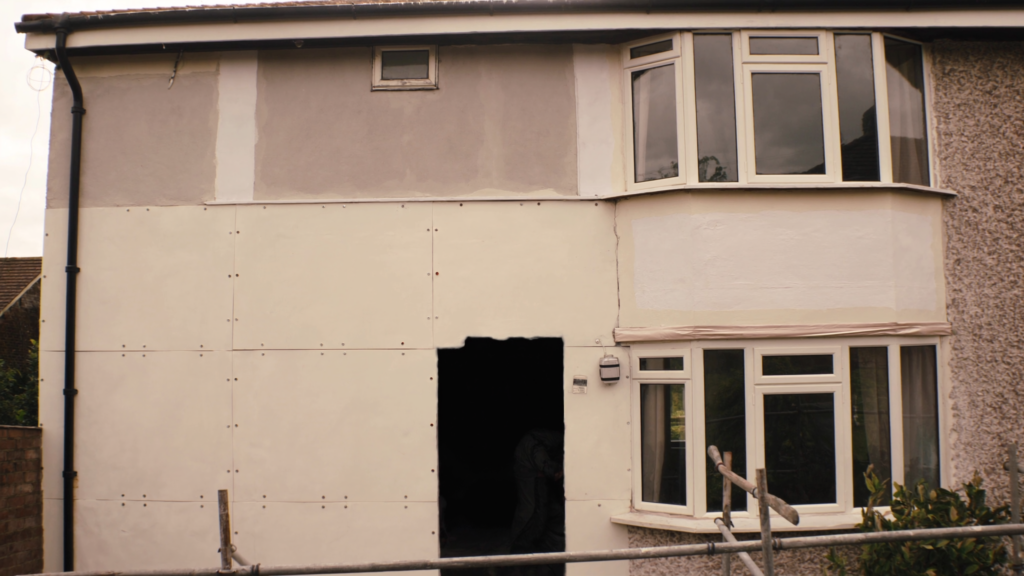
Deciding whether to insulate an old stone cottage is a question of upfront cost versus long-term savings. Stone cottages are typically solid-wall buildings, meaning they have no cavity to fill, so insulation must be added to the internal or external face of the wall.
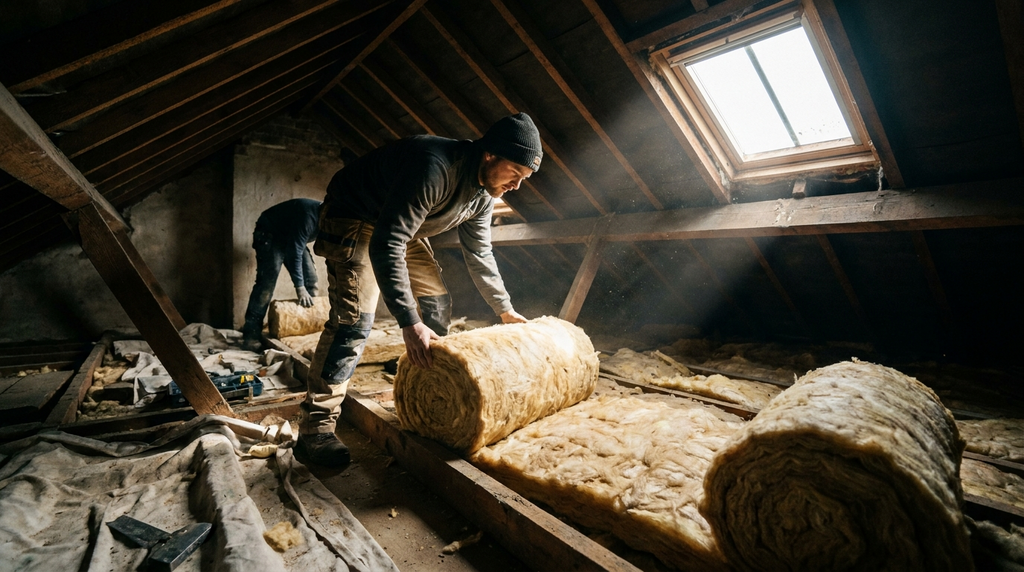
Internal wall insulation (dry-lining) costs £80 to £130 per square metre installed, according to the Energy Saving Trust’s 2026 “Insulation Cost Guide” (Energy Saving Trust, 2026). External wall insulation costs £120 to £200 per square metre installed, per the same source. Loft insulation for a typical cottage costs £400 to £700, and floor insulation for suspended timber floors costs £1,500 to £3,500, both based on EST 2026 figures.
For a 100m² cottage, a full package of professional internal wall insulation plus loft and floor insulation totals roughly £15,000 to £25,000. A lower-cost approach using only loft and floor insulation with DIY installation can cost as little as £8,000.
Annual energy savings from insulating a stone cottage average £500 to £1,200 per year at 2026 prices
Stone cottages lose heat through their walls at 2 to 3 times the rate of a modern cavity-wall home, according to DESNZ 2026 “Energy Efficiency Statistics” (DESNZ, 2026). This means insulation can have a proportionally larger impact on heating bills.
Internal wall insulation saves £400 to £800 per year on heating bills for a typical solid-wall cottage, per DESNZ 2026 data. Loft insulation saves £200 to £400 per year, and floor insulation saves £100 to £200 per year, per EST 2026 figures. Combined savings reach £700 to £1,400 per year, though actual savings depend on your current heating system and fuel type (gas, oil, or electric), as DESNZ 2026 data shows.
For a cottage heated by oil or electric storage heaters, savings tend to be higher because these fuels cost more per kWh than mains gas. For a gas-heated cottage, savings are lower but still significant.
Payback periods range from 7 to 25 years, with internal wall insulation offering the longest payback
Payback period is the time it takes for energy savings to cover the installation cost. Loft insulation pays back fastest, at 2 to 4 years, per EST 2026 payback calculator (Energy Saving Trust, 2026). Floor insulation pays back in 8 to 15 years.
Internal wall insulation has a payback period of 12 to 25 years, based on £800 to £1,200 annual savings from a £10,000 to £15,000 installation. External wall insulation pays back in 15 to 25 years. A whole-house package combining all measures typically pays back in 10 to 20 years, depending on current energy costs and the mix of insulation methods.
Quick numbers, cost, savings, and payback for each insulation type
| Insulation type | Cost per m² (installed) | Typical total cost for 100m² cottage | Annual savings | Payback period (years) |
|---|---|---|---|---|
| Internal wall insulation | £80–£130 | £8,000–£13,000 | £400–£800 | 12–25 |
| External wall insulation | £120–£200 | £12,000–£20,000 | £400–£800 | 15–25 |
| Loft insulation | £15–£30 | £400–£700 | £200–£400 | 2–4 |
| Floor insulation (suspended timber) | £50–£80 | £1,500–£3,500 | £100–£200 | 8–15 |
Sources: EST 2026 “Insulation Cost Guide” and DESNZ 2026 “Energy Efficiency Statistics” (Energy Saving Trust, 2026; DESNZ, 2026).
Insulating an old stone cottage is usually worth it for long-term owners but rarely pays back for short-term owners
This is the direct answer to “is it worth insulating an old stone cottage.” For owners planning to stay 10 years or more, internal wall insulation combined with loft and floor insulation typically provides a net financial benefit, according to EST 2026 modelling (Energy Saving Trust, 2026). For owners staying 5 years or less, only loft insulation pays back within that timeframe.
Non-financial benefits also matter. Insulation improves comfort by reducing draughts and warming internal wall surfaces, and it reduces condensation risk when properly installed, per Historic England 2026 guidance (Historic England, 2026). Stone cottages lose heat through walls at 2 to 3 times the rate of a modern cavity-wall home, making each pound spent on insulation more impactful, per DESNZ 2026.
For short-term owners, investing in internal or external wall insulation is unlikely to recoup costs at sale. A survey of estate agents suggests solid wall insulation adds around 2% to 4% to property value, but this is not guaranteed.
All insulation work on an old stone cottage must be certified under MCS or TrustMark to qualify for government grants
MCS certification is required for any renewable heating system (such as a heat pump) linked to insulation upgrades under the Boiler Upgrade Scheme, per GOV.UK “Boiler Upgrade Scheme eligibility” 2026 (GOV.UK, 2026). The Great British Insulation Scheme closed on 31 March 2026. It funded insulation measures only and never covered windows or glazing.
Installers must follow BS 5250 (condensation control) and BS EN 16883 (historic building conservation), per Historic England 2026 guidance (Historic England, 2026). For internal wall insulation, a vapour-open system such as wood fibre or lime plaster is required for breathability. Standard PIR or EPS boards cause moisture trapping inside the wall, which can lead to rot and damp.
Verify installer credentials on the MCS installer database at mcscertified.com or the TrustMark website at trustmark.org.uk, per GOV.UK 2026.
Grants and schemes can reduce the cost of insulating an old stone cottage by up to £10,000
The Great British Insulation Scheme closed on 31 March 2026. It funded insulation measures only and never covered windows or glazing. ECO4 provides up to £10,000 for insulation measures for qualifying households, per Ofgem “ECO4” 2026 (Ofgem, 2026).
The Boiler Upgrade Scheme offers £7,500 for a heat pump installation, which works best with good insulation, per GOV.UK “Boiler Upgrade Scheme” 2026 (GOV.UK, 2026). Eligibility depends on household income, EPC rating, and property type. Check at gov.uk/energy-grants, per GOV.UK 2026.
For stone cottages, some installers charge a premium due to specialist breathable materials. Factor in 20% to 30% extra over standard solid-wall costs, per EST 2026 (Energy Saving Trust, 2026).