Cambridge Homes and the Race from Good to Great
Cambridge is one of those places that surprises people who assume it’s just a university city frozen in medieval amber. Yes, there are the famous spires and punts on the Cam, but beyond the historic centre, Cambridge is a genuinely diverse city of 145,000 people living in everything from Victorian terraces in Romsey to 1970s semis on the Arbury estate, new-builds in Trumpington, and sprawling family homes along the Fen Ditton fringe.
What makes Cambridge particularly interesting from an eco homes perspective is that the city sits on flat, low-lying fenland terrain, practically at sea level in places, with a climate that’s drier, sunnier, and more exposed to cold easterly winds than most UK cities. That combination shapes which upgrades will actually pay off for you, and which ones are less worth the bother.
Cambridge City Council and South Cambridgeshire District Council both have ambitious climate action plans targeting net zero, so there’s genuine local momentum behind retrofit work here. For the bigger county-wide picture, take a look at our eco homes in Cambridgeshire guide too.
How Energy Efficient Are Cambridge Homes Really
The average EPC rating in Cambridge is Band C, and that’s actually a better starting point than most UK towns. The national average sits at Band D, so Cambridge homeowners are already ahead of the curve. But “ahead of the curve” isn’t the same as “job done.”
In practical bill terms, a Band C home in Cambridge typically spends around £1,400–£1,700 per year on gas and electricity combined, based on local average usage of 10,500 kWh of gas and 3,000 kWh of electricity. A Band D home paying the same tariffs would typically spend £300–£500 more annually, so Cambridge residents are already saving compared to the national norm.
The challenge now is pushing further. Moving from Band C to Band B or A is where the real long-term gains live, lower bills, a warmer home in February when those easterlies blow in off the North Sea, and a higher resale value in a property market where EPC ratings increasingly matter to buyers and mortgage lenders alike.
Older terraced streets like those in the Petersfield and Abbey areas tend to have the weakest ratings, while newer estates such as those around Clay Farm and Trumpington Meadows are generally well-insulated from the outset. If you’re in a pre-1970s property anywhere in the city, it’s worth getting a fresh EPC assessment rather than relying on an old one, upgrades you’ve already made may not be reflected.
Cambridge Gets More Sun Than You Might Think
If you’ve been putting off solar panels because you imagine Britain is permanently grey, Cambridge is genuinely one of the best places in the UK to reconsider. The East of England receives some of the highest solar irradiance in the country, around 1,100–1,200 kWh of solar energy per square metre per year, and Cambridge sits right in that sweet spot.
With 1,200–1,500 sunshine hours annually and relatively low rainfall (just 500–700mm per year, far drier than western cities like Manchester or Plymouth), your panels spend more time doing useful work and less time being cleaned by drizzle.
The city’s flat terrain means roof pitch and orientation matter more than local shading from hills, Cambridge has essentially none. South or southwest-facing roofs on the semi-detached homes common in King’s Hedges, Chesterton, and Cherry Hinton are particularly well-suited. The terraced streets of Romsey and Mill Road can sometimes have east-west running rooflines that reduce output slightly, so worth checking before you commit.
What Solar Panels Actually Cost and Save in Cambridge
| System Size | Typical Install Cost | Annual Generation | Annual Bill Saving | Payback Period |
|---|---|---|---|---|
| 3 kW | £5,500–£6,500 | ~2,700 kWh | £550–£700 | 9–11 years |
| 4 kW | £6,800–£8,000 | ~3,600 kWh | £720–£900 | 8–10 years |
| 6 kW | £9,000–£11,000 | ~5,400 kWh | £1,050–£1,300 | 7–9 years |
Savings estimates include both units you use directly and export payments through the Smart Export Guarantee (SEG). Adding a battery storage unit (typically £2,500–£4,000 extra) makes particular sense in Cambridge because your solar generation often peaks at midday when you’re out at work, a battery lets you use that free energy in the evening instead.
One thing to be aware of, if you’re in one of Cambridge’s many conservation areas (the city has several, particularly around the historic centre, Newnham, and De Freville Avenue), you may need permitted development approval before installing panels on a front-facing roof. Cambridge City Council’s planning team is the right first port of call, and it’s worth checking before you book an installer.
Heating Choices That Actually Work for Cambridge’s Climate
Cambridge winters are cold but not brutal. Heating degree days sit around 1,200–1,500 per year, milder than northern cities but with a sting in the tail from those raw easterly winds that sweep in from the Fens between December and March. Your heating system needs to cope with that cold snap, not just a mild drizzle.
Here’s how the main options stack up for typical Cambridge terraces and semis
Gas Boiler (Existing or Replacement)
Most Cambridge homes are on mains gas, unlike the villages and rural areas nearby. A modern condensing combi boiler costs £2,000–£3,500 installed and will run your 10,500 kWh annual usage for around £700–£800 per year at current tariffs. It’s the low-upfront-cost option, though gas prices remain unpredictable and new gas boiler sales will be phased out as the decade progresses.
Air Source Heat Pump
Cambridge’s flat gardens and generally larger suburban plots, especially on estates like Arbury, King’s Hedges, and Coleridge, make air source heat pumps (ASHPs) very practical. There’s usually room for the external unit without it causing noise issues for neighbours. Running costs depend heavily on your insulation level, but a well-insulated Cambridge semi could expect to pay £900–£1,200 per year in electricity to heat the home, with that figure falling as electricity tariffs shift relative to gas. Installation typically costs £8,000–£13,000 before grants.
Ground Source Heat Pump
This is where Cambridge’s fenland geography becomes genuinely useful. The flat terrain and large gardens common across Trumpington, Fen Ditton, and the southern suburbs make horizontal ground loop installations very achievable, you don’t need a borehole when you have enough garden. Running costs are typically 10–15% lower than air source, and performance is more consistent through cold winters. Installation costs more though, expect £15,000–£25,000, so it suits homes planning a long-term stay.
Where to Start With Insulation in Cambridge
Cambridge’s dry climate is genuinely good news for external wall insulation, damp-prone western towns often struggle with it, but Cambridge’s lower rainfall means EWI stays in better condition for longer. Even so, most homeowners should tackle the basics first before moving to the big-ticket items.
Here’s a practical priority order for Cambridge terraces and semis
- Loft insulation, If yours is below 270mm, topping it up costs just £300–£600 and saves around £150–£200 per year. Fastest payback of any measure.
- Cavity wall insulation, Most post-1930s semis in areas like Romsey, Coleridge, and the Arbury estate have cavity walls. Filling them costs £700–£1,200 and saves around £200–£300 annually.
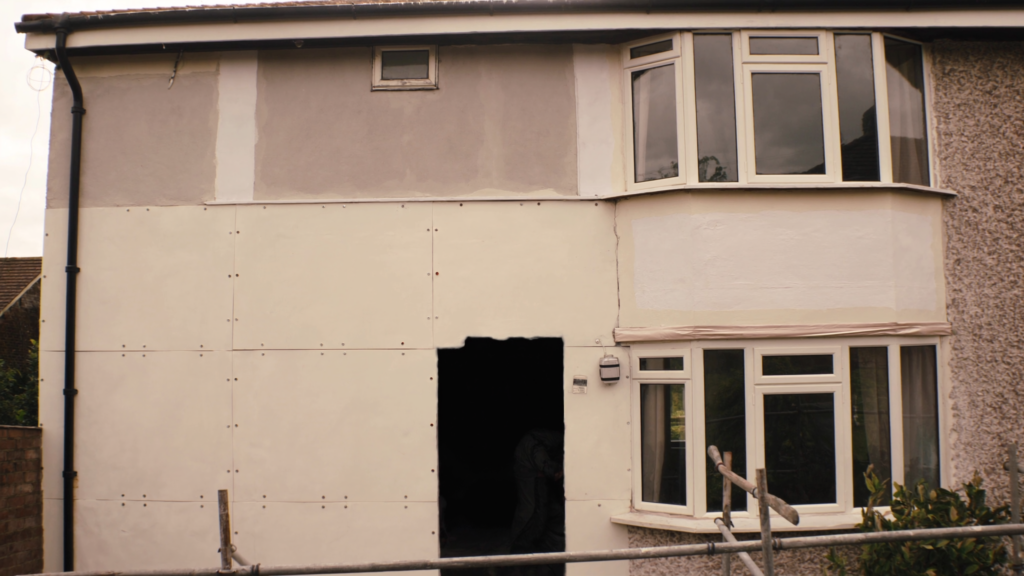
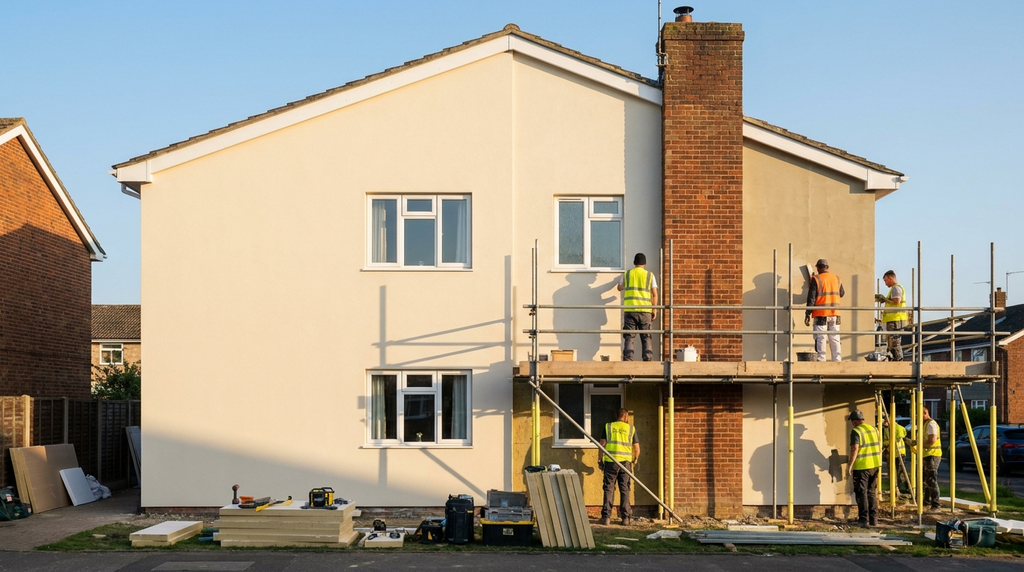
- Solid wall insulation (external), Victorian and Edwardian terraces in Petersfield, Abbey, and around Mill Road typically have solid brick walls. External wall insulation costs £8,000–£18,000 for a typical terrace but saves £400–£600 per year and transforms comfort. Worth combining with any planned re-render or re-pointing work.
- Floor insulation, Suspended timber floors (common in pre-1950s Cambridge homes) lose surprising amounts of heat. Insulating beneath costs £1,000–£2,000 and saves around £75–£150 per year.
- Draught proofing, Sash windows on Victorian terraces are notorious. Professional draught proofing costs £200–£400 and can save £50–£100 per year, simple but effective.
Grants and Funding Cambridge Homeowners Can Actually Access in 2026
The funding landscape is genuinely worth navigating, there’s real money available if you know where to look.
The Warm Homes Grant
This is the main national scheme running in 2026, replacing the older ECO4 framework. It targets households with incomes below £36,000 per year or those receiving qualifying benefits. Eligible Cambridge homeowners can access up to £15,000 toward insulation, heat pump installation, or other retrofit measures. Apply through your energy supplier or directly via the government’s official portal, Cambridge City Council’s housing team can also point you toward registered local assessors.
The Boiler Upgrade Scheme
Still running in 2026, this offers £7,500 off the cost of an air source heat pump and £7,500 toward a ground source heat pump. Your installer claims it on your behalf, you just pay the reduced price upfront. This makes heat pumps significantly more competitive against gas boiler replacements.
South Cambridgeshire and Cambridge City Council Retrofit Support
Both Cambridge City Council and South Cambridgeshire District Council run retrofit advice programmes as part of their climate action commitments. The Greater Cambridge Shared Planning Service also coordinates some area-based schemes. It’s worth contacting your council directly, schemes come and go, and a local energy advisor can tell you what’s live right now in your postcode.
VAT
All energy efficiency measures including insulation, heat pumps, and solar panels are currently zero-rated for VAT. This is a quiet but meaningful saving, it effectively reduces your installation cost by around 20% compared to what you’d have paid a few years ago.
Finding Good Installers Around Cambridge
Cambridge has solid installer coverage, the city’s size and affluent, tech-savvy homeowner base means there are plenty of reputable companies operating here. Many also serve nearby towns like Newmarket, Royston, Saffron Walden, and Ely, so regional firms often have strong local knowledge of Cambridge’s property types and planning requirements.
Here’s what to look for and watch out for
- MCS certification is non-negotiable for solar and heat pump installers, without it, you can’t claim the Boiler Upgrade Scheme or SEG payments.
- TrustMark registration is the benchmark for insulation and retrofit work under government-funded schemes.
- Get at least three quotes, prices in Cambridge can vary by 20–30% between installers for identical work.
- Ask specifically about experience with conservation area properties if your home is in one, not every installer understands the planning requirements around Mill Road or De Freville Avenue.
- Be wary of anyone who quotes without a home visit or who pushes you to sign on the same day.
- Current waiting times for heat pump installation in the Cambridge area run to 6–12 weeks for reputable companies, a very short wait can be a red flag.
Your Practical Upgrade Plan if You Own a Band C Home in Cambridge
Already at Band C? Here’s how to make the most of what you’ve got and push further, without blowing the budget all at once.
- Start with a retrofit assessment, A qualified assessor (find one through TrustMark) will tell you exactly where your home is losing heat and which upgrades give the best return. Cost is typically £150–£300 and worth every penny.
- Check your loft insulation depth, If it’s under 270mm, top it up immediately. It’s the lowest-hanging fruit in terms of cost versus savings.
- Book a cavity wall inspection, If your home is post-1930 and hasn’t had its walls filled, this is your next biggest win. A borescope inspection is often free from reputable installers.
- Get solar panels on the roof, Cambridge’s sunshine hours make this a near-certainty for positive returns. Aim for at least a 4kW system if your roof allows. Consider adding battery storage at the same time to save on a second installation visit.
- Plan your heating transition, If your boiler is over 12 years old, start researching heat pumps now. Use the Boiler Upgrade Scheme while it runs, and make sure your insulation is solid first to get the best performance from a heat pump.
- Target Band B or above, With solar, a heat pump, and good insulation in place, most Cambridge homes can hit Band B or better, putting you well ahead of regional and national norms, and in a strong position for future mortgage and resale discussions.
The journey from good to great doesn’t have to happen all at once. Even one or two measures done well this year will start paying back, and Cambridge’s climate gives you some genuine natural advantages to work with.