Why Oxfordshire Is One of the Most Rewarding Counties for Eco Home Improvements
Oxfordshire is a county of real contrasts, medieval spires and modern research campuses, ancient market towns and sprawling rural villages, Victorian terraces and modern new-builds. It sits at the heart of southern England, bordered by the Cotswolds to the west, the Chiltern Hills to the east, and the Upper Thames valley running through its centre.
What makes Oxfordshire genuinely interesting from an eco homes perspective is this mix of old and new. A significant proportion of the county’s housing stock predates modern insulation standards, which means there’s real savings potential sitting untapped in thousands of homes. At the same time, the county’s southerly position gives it some of the best solar conditions in the UK, making renewable energy genuinely worthwhile here in a way it simply isn’t in parts of Scotland or the north of England.
With 299,000 residents spread across six main towns and a wide rural hinterland, Oxfordshire has a more community-focused, smaller-county feel than places like Kent or Surrey. Installers here often cover multiple towns and know the local housing stock well. If you’re in a stone cottage near Burford or a 1960s semi on the outskirts of Didcot, there are improvements that will make a real difference to your bills and your comfort.
Energy Performance Across Oxfordshire, What the Average EPC Band D Really Means
The county average EPC rating is Band D, which puts Oxfordshire squarely at the national average. That might sound unremarkable, but it tells an important story, a Band D home is losing significant heat, and its occupants are paying considerably more than they need to.
In practical terms, a Band D home in Oxfordshire typically costs around £1,600 to £2,200 a year to heat and power, depending on size and type. With average gas usage sitting at 10,600 kWh per year and electricity at 3,000 kWh per year, there’s meaningful room for improvement in almost every property across the county.
Different parts of Oxfordshire tell quite different stories for energy efficiency:
- Oxford city has a high concentration of older terraced housing, Victorian and Edwardian properties with solid walls and single-glazed sash windows that lose heat rapidly in winter
- Banbury and Witney have a mix of post-war semis and newer estates, with more cavity walls that are easier and cheaper to insulate
- Henley-on-Thames sits within the Chiltern Hills Area of Outstanding Natural Beauty, where many older properties have listed status or fall within conservation areas, adding complexity to retrofits
- Abingdon and Didcot have significant amounts of 1960s to 1980s housing stock, often Band D or E, but very well-suited to straightforward insulation and heating upgrades
- Rural villages and hamlets scattered across the county often have the oldest and least efficient properties, stone-built farmhouses and cottages that need careful, breathable approaches to insulation
Moving from Band D to Band B, a realistic target for most homes with a solid package of improvements, could reduce annual energy costs by £600 to £1,000 or more. For many Oxfordshire homeowners, that’s a very achievable goal within a five-to-seven year investment window.
The Full Range of Eco Home Services Available Across the County
Whatever kind of home you have in Oxfordshire, there’s a range of improvements worth considering. Here’s a straightforward summary of what’s available and roughly what each involves:
Solar Panels
Oxfordshire receives between 1,200 and 1,500 sunshine hours per year, among the highest in the UK. That makes solar panels a genuinely strong investment here. A standard 4kWp system generates around 3,500 kWh of electricity per year in this part of the country. Costs typically run from £6,000 to £9,000 for a full installation, with payback periods of around eight to twelve years.
Heat Pumps
Air source heat pumps work well in Oxfordshire’s mild southern climate. Because winters here are relatively moderate, with 1,200 to 1,500 heating degree days per year, below the UK average, heat pumps operate efficiently for more of the year. A typical installation costs £8,000 to £14,000 before any grant support. The Boiler Upgrade Scheme can reduce this significantly (more on that below).
Insulation
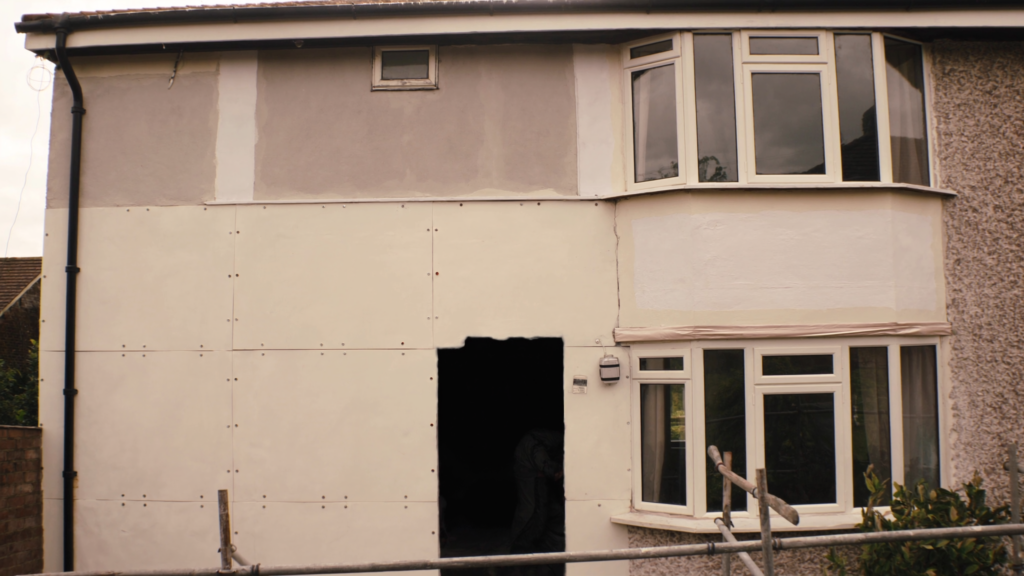
Cavity wall insulation remains one of the highest-value improvements available, typically costing £800 to £1,500 and saving £200 to £350 per year. Loft insulation is even cheaper at £300 to £600 for most homes. Solid wall insulation, needed for older stone and brick properties, costs considerably more at £8,000 to £20,000, but the savings are substantial.
Glazing and Windows
Replacing single or original double glazing with modern A-rated windows costs around £400 to £700 per window. For a typical Oxfordshire semi-detached, a full replacement might run to £4,000 to £7,000. Secondary glazing is a sympathetic alternative for listed properties and can cost considerably less.
Energy Efficiency Improvements
Smart heating controls, hot water cylinder insulation, LED lighting upgrades, and smart meters are the lower-cost end of the spectrum, often costing just a few hundred pounds but delivering immediate bill savings. These are great starting points for any home before moving on to larger investments.
Typical Costs, Savings and Payback Periods Across Oxfordshire Property Types
Here’s how the numbers stack up for the most common property types across the county. These figures reflect Oxfordshire installer pricing in 2026 and assume average energy use for the area:
| Improvement | Semi-Detached | Terraced | Detached |
|---|---|---|---|
| Cavity Wall Insulation | £900, saves £250/yr, 3-4 yrs | £800, saves £200/yr, 4 yrs | £1,400, saves £350/yr, 4 yrs |
| Loft Insulation (top-up) | £400, saves £180/yr, 2-3 yrs | £350, saves £150/yr, 2-3 yrs | £550, saves £220/yr, 2-3 yrs |
| Solar Panels (4kWp) | £7,000, saves £600/yr, 10-12 yrs | £6,500, saves £550/yr, 10-12 yrs | £8,500, saves £750/yr, 10-11 yrs |
| Air Source Heat Pump | £9,000, saves £400/yr, 14-16 yrs | £8,500, saves £350/yr, 14-16 yrs | £12,000, saves £600/yr, 14-16 yrs |
| Double Glazing (full) | £5,000, saves £180/yr, 18-20 yrs | £4,000, saves £150/yr, 18-20 yrs | £7,500, saves £250/yr, 22-25 yrs |
| Solid Wall Insulation | £12,000, saves £450/yr, 20-25 yrs | £9,000, saves £380/yr, 18-22 yrs | £18,000, saves £600/yr, 22-28 yrs |
Tip, combining improvements multiplies the savings. Installing solar panels alongside a heat pump and good insulation dramatically improves the payback on all three, because each one reduces the load the others need to carry.
Grants and Funding Available to Oxfordshire Homeowners in 2026
There’s more financial support available than many people realise. Here’s what’s on the table for Oxfordshire residents right now:
The Boiler Upgrade Scheme
The Boiler Upgrade Scheme (BUS) provides a £7,500 grant towards the cost of an air source heat pump, and £7,500 for a ground source heat pump. This is available to most homeowners regardless of income, you simply apply through your MCS-accredited installer. Given Oxfordshire’s high property values and mild climate, this scheme is one of the most impactful available to local residents.
ECO4
The Energy Company Obligation (ECO4) scheme targets households on low incomes or receiving certain benefits. If you qualify, you could receive free or heavily subsidised insulation, heating controls, or a heat pump through your energy supplier. Oxfordshire residents in fuel poverty, particularly in some of the more rural parts of the county, may be eligible.
Great British Insulation Scheme
The Great British Insulation Scheme closed on 31 March 2026. It funded insulation measures only and never covered windows or glazing. It provides funding for single insulation measures such as loft or cavity wall insulation. Income thresholds apply for the full benefit, but even higher-income households in inefficient homes may qualify for partial support.
Oxfordshire County Council and District Council Schemes
Oxfordshire County Council has been active in supporting home energy improvements through partnerships with registered providers and community energy groups. The county sits within the South East of England, where several local authority retrofit programmes have emerged in recent years.
At district level, councils including South Oxfordshire District Council, Vale of White Horse District Council, Cherwell District Council, and West Oxfordshire District Council have all run or supported local retrofit initiatives. It’s always worth checking directly with your district council, as funding pots open and close throughout the year.
Community Energy Groups
Oxfordshire has a strong community energy sector. Groups like Low Carbon Hub, based in Oxford, have supported hundreds of local homes and community buildings in improving energy performance. These organisations can sometimes help with grant navigation, trusted installer recommendations, and group-buying schemes that reduce costs.
Planning Permission and Local Authority Considerations Across Oxfordshire
Most standard eco home improvements, solar panels on a rear roof, heat pump installations, loft insulation, fall under permitted development rights and don’t need planning permission. But Oxfordshire has some specific considerations you should be aware of before going ahead.
Conservation Areas
Oxford city alone has dozens of conservation areas, and towns like Henley-on-Thames, Abingdon, and Burford have significant protected zones. Within these areas, permitted development rights are often restricted. Solar panels visible from the street, external wall insulation that changes the appearance of a property, or replacement windows that don’t match the original style may all require consent.
Listed Buildings
Oxfordshire has an exceptionally high number of listed buildings given its historic character. If your home is listed, even Grade II, you’ll need Listed Building Consent for most structural changes. Internal wall insulation that affects historic fabric, replacement windows, and even some heating system changes can fall within this requirement. Always check before proceeding.
The Cotswolds National Landscape
Parts of western Oxfordshire fall within the Cotswolds National Landscape (formerly AONB). Additional planning sensitivity applies here, particularly around visual impact. West Oxfordshire District Council handles most applications in this area.
Which Council Handles Your Application
Oxfordshire is divided into five district councils plus Oxford City Council, each with its own planning department:
- Oxford City Council, covers the city of Oxford
- South Oxfordshire District Council, covers Henley-on-Thames, Didcot (southern areas), and surrounding villages
- Vale of White Horse District Council, covers Abingdon, Didcot, Faringdon, and the Vale
- Cherwell District Council, covers Banbury, Bicester, and north Oxfordshire
- West Oxfordshire District Council, covers Witney, Chipping Norton, and the Cotswold fringe
Always confirm with your district council before starting work if you’re in a conservation area or a listed building. A quick phone call can save a very expensive mistake.
How Oxfordshire’s Climate Makes It Ideal for Key Eco Improvements
Geography matters when you’re choosing where to invest in eco improvements, and Oxfordshire’s position in southern England genuinely works in your favour.
Solar is a Very Strong Bet Here
With 1,200 to 1,500 sunshine hours per year, Oxfordshire sits among the sunniest parts of the UK. Compare that to around 1,100 hours in Manchester or under 1,000 in parts of Scotland, and you can see why a solar system here generates meaningfully more electricity than the same panels installed further north. The relatively flat rooflines of many Abingdon and Didcot semis are particularly well-suited to south-facing arrays.
Heat Pumps Perform Exceptionally Well
Heat pumps extract warmth from outdoor air, and the warmer that air, the more efficiently they work. Oxfordshire’s milder winters mean your heat pump is rarely working at maximum strain. Coefficient of performance (CoP) figures, the measure of how much heat you get per unit of electricity, are typically higher here than in colder northern counties.
Rainfall and Wind Are Manageable
With moderate annual rainfall of around 700 to 1,000mm and good shelter from coastal winds, Oxfordshire doesn’t pose the same challenges for external insulation or exposed installations that coastal or upland areas do. This keeps installation costs competitive and long-term maintenance requirements lower.
The Mild Climate Shouldn’t Lead to Complacency
Because winters aren’t as severe as in northern England, some Oxfordshire homeowners underestimate the value of insulation. But heating a draughty Victorian terrace in Oxford, even in a relatively mild winter, still adds up to hundreds of pounds more than it needs to. The savings from insulation are real here, even if the climate is kinder than further north.