Why Gloucestershire Is One of the Most Interesting Counties for Eco Home Improvements
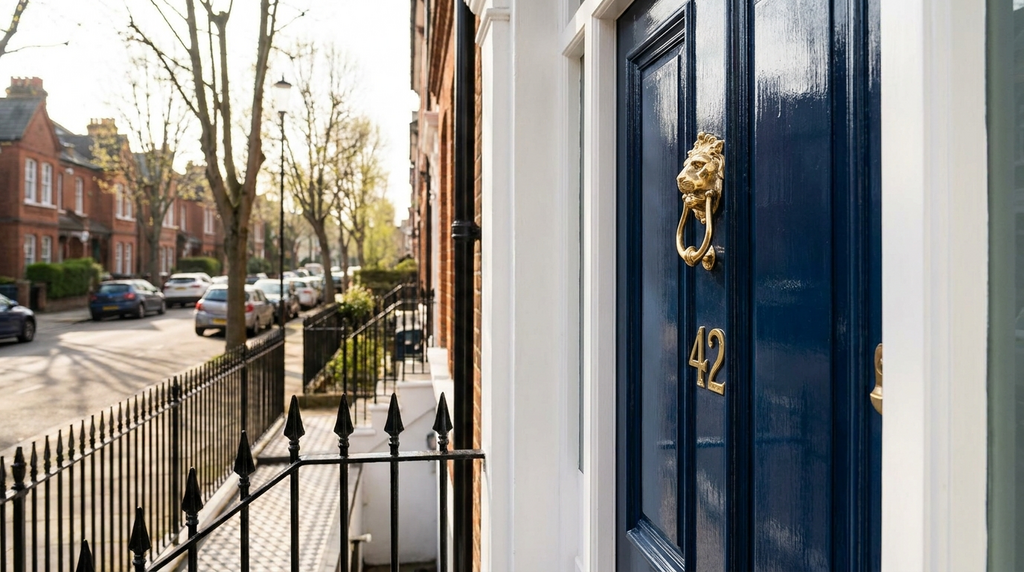
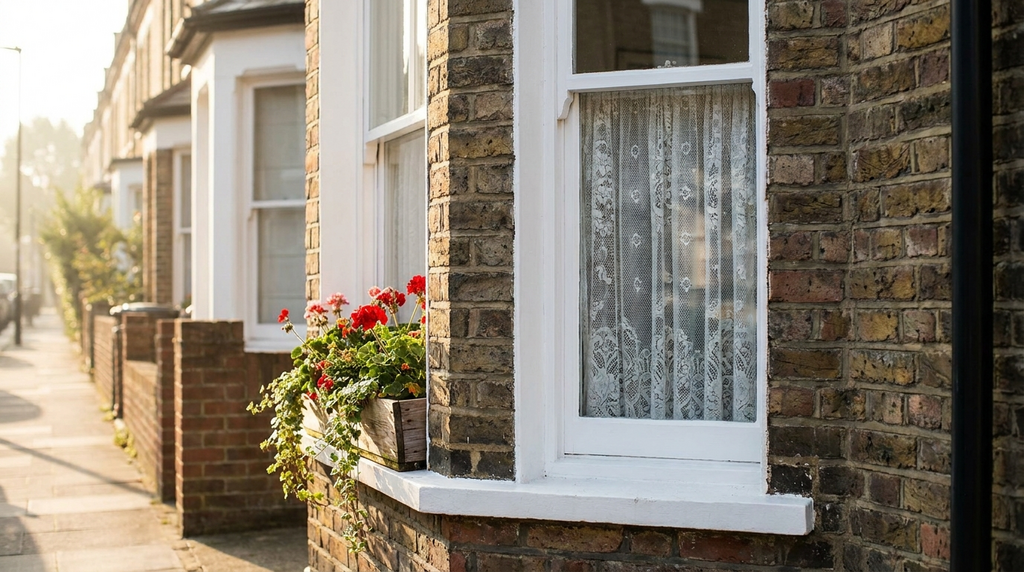
Gloucestershire is a county of real contrasts. You’ve got the elegant Regency terraces of Cheltenham sitting alongside the medieval wool-town streets of Cirencester, the Victorian working-class rows of Gloucester, and the bohemian stone cottages scattered across the Stroud valleys. It’s a county where history is written into the brickwork, and quite literally into the stonework too.
That variety matters enormously for eco home improvements. A 1930s semi in Cheltenham needs a completely different approach to a 17th-century Cotswold limestone farmhouse outside Cirencester. Getting this wrong can cause real problems, damp, damage, even regulatory headaches. Getting it right can save you thousands.
What makes Gloucestershire genuinely exciting for eco improvements is its position in the South West. The county sits in one of the best solar belts in the entire UK, with sunshine hours and irradiance figures that rival parts of continental Europe. Combined with a milder-than-average climate, meaningful rural off-gas communities, and a strong local culture of sustainability, particularly around Stroud, which has been an environmental pioneer for decades, this is a county where eco upgrades genuinely pay off.
With 302,000 residents across four main towns and large stretches of countryside in between, Gloucestershire’s eco home journey is well underway. But there’s still enormous untapped potential here, and if you’re reading this, you’re already thinking about being part of it.
How Efficient Are Gloucestershire Homes Right Now
The honest answer is, most homes here have a fair bit of room for improvement. The county average sits at EPC Band D, which puts Gloucestershire right in line with the national average. That sounds reassuring, but Band D still means your home is losing more heat and energy than it should be.
In practical terms, a Band D home typically costs somewhere between £1,800 and £2,400 per year to heat and power, depending on size and age. With the county average gas usage running at 10,850 kWh per year and electricity at 3,025 kWh per year, many Gloucestershire households are spending more than they need to.
Across the county, the picture varies quite a bit by area and property type.
- Cheltenham has a mix of Georgian and Victorian terraced and semi-detached homes in the town centre, many of which are solid-walled and poorly insulated. The newer estates to the east and south-east tend to perform better, often reaching Band C.
- Gloucester has significant pockets of older terraced housing, particularly in the city’s inner neighbourhoods, where EPC ratings often fall into Band E or even Band F. These homes have the most to gain from upgrades.
- Cirencester is surrounded by rural Cotswold villages with stone-built properties that predate cavity wall construction entirely. These need specialist breathable insulation approaches, standard cavity fill won’t work and can cause damage.
- Stroud sits in a valley surrounded by hills, with a mix of Victorian mill-worker cottages, Georgian townhouses, and rural homes beyond the town boundary. Many are off-gas, making heat pump adoption here particularly well-suited.
Improving from Band D to Band B across a typical semi-detached home in Gloucestershire could reduce your annual energy bills by £700 to £1,100. That’s meaningful money, and it increases your home’s value at the same time.
The Full Range of Eco Home Services Available Across the County
If you’re looking to make one targeted improvement or retrofit your whole home, there’s a full range of eco services available to Gloucestershire residents. Here’s a practical overview of what’s on offer.
Solar Panels
Given Gloucestershire’s position in one of the UK’s best solar zones, solar PV panels are arguably the single best investment most homeowners here can make. The county receives between 1,200 and 1,500 sunshine hours per year, and solar irradiance figures here are among the highest in England. A typical 4kWp system on a south-facing roof can generate around 3,800 to 4,200 kWh per year, covering a significant chunk of an average household’s electricity use. Installed costs typically run from £6,000 to £9,000, with annual savings of £700 to £1,000 once you factor in reduced bills and Smart Export Guarantee payments.
Heat Pumps
Air source heat pumps are increasingly popular across Gloucestershire, particularly in rural areas around Stroud and Cirencester where many homes are not connected to the gas grid. A heat pump replaces your gas or oil boiler, drawing warmth from outside air and delivering it efficiently around your home. Installed costs typically fall between £8,000 and £14,000, though the Boiler Upgrade Scheme grant (more on that shortly) reduces this significantly. They work best in well-insulated homes, so it’s worth addressing insulation first.
Insulation
Insulation is the unglamorous workhorse of eco home improvements, less exciting than solar panels, but often the most cost-effective place to start. Loft insulation, cavity wall insulation, and solid wall insulation are all available across Gloucestershire. Older properties, particularly stone-built homes in the Cotswold areas, need breathable insulation solutions such as hemp, wood fibre, or lime-based products to avoid trapping moisture. Standard cavity wall fill, by contrast, suits the 1930s–1980s brick-built stock found widely in Cheltenham and Gloucester.
Double and Triple Glazing
Replacing single-glazed or original sash windows with modern double or triple glazing can make a real difference to comfort and bills. In conservation areas, and Gloucestershire has plenty of them, you’ll need to think carefully about planning constraints, but there are now sympathetic options including slim-profile double glazing that respects the character of older buildings. Costs typically range from £5,000 to £12,000 for a full house, depending on size and window style.
Battery Storage
Pairing solar panels with a home battery system is growing fast in Gloucestershire. A battery stores surplus solar energy generated during the day for use in the evening, dramatically increasing your self-consumption rate. A typical home battery system costs between £3,000 and £5,500 installed, and can add £250 to £400 per year in additional savings on top of solar alone.
EV Charging
Home EV chargers are now a standard addition for eco-minded homeowners, especially those who also have solar panels. A smart charger can be set to charge your car from solar generation, effectively giving you free fuel on sunny days. Installed costs typically run from £800 to £1,200.
Typical Costs and Savings for Common Property Types in Gloucestershire
| Improvement | Terraced Home | Semi-Detached Home | Detached Home | Estimated Annual Saving | Typical Payback Period |
|---|---|---|---|---|---|
| Solar Panels (4kWp) | £6,000 – £7,500 | £6,500 – £8,000 | £7,500 – £9,000 | £700 – £1,000 | 8 – 12 years |
| Air Source Heat Pump | £8,000 – £11,000 | £9,000 – £12,000 | £11,000 – £14,000 | £400 – £900 | 10 – 15 years |
| Loft Insulation | £400 – £600 | £500 – £700 | £700 – £1,000 | £150 – £300 | 2 – 4 years |
| Cavity Wall Insulation | £700 – £1,000 | £800 – £1,200 | £1,000 – £1,600 | £200 – £350 | 3 – 5 years |
| Solid Wall Insulation (external) | £8,000 – £12,000 | £9,000 – £14,000 | £12,000 – £18,000 | £400 – £700 | 15 – 25 years |
| Double Glazing (full house) | £4,500 – £7,000 | £5,500 – £8,500 | £7,000 – £12,000 | £150 – £350 | 15 – 20 years |
| Battery Storage | £3,000 – £4,500 | £3,200 – £5,000 | £3,500 – £5,500 | £250 – £400 | 8 – 12 years |
Note, Savings figures assume average Gloucestershire energy usage and current tariff rates. Your actual savings will depend on your property, usage habits, and whether you combine multiple improvements together.
Grants and Funding Available to Gloucestershire Homeowners in 2026
The good news is that there’s a meaningful amount of financial support available if you know where to look. Here’s a practical breakdown of what’s on offer right now.
The Boiler Upgrade Scheme
The Boiler Upgrade Scheme (BUS) provides a £7,500 grant towards the cost of installing an air source heat pump, and a £7,500 grant for ground source heat pumps. This is available to homeowners across Gloucestershire regardless of income. Your installer applies on your behalf, and the grant is deducted from your installation cost upfront, you never see the money, it simply reduces the bill. This scheme has been particularly well-used in rural Gloucestershire where homes are off-gas.
ECO4
The Energy Company Obligation scheme (ECO4) is aimed at lower-income households and those in fuel poverty. If you’re on certain means-tested benefits, or if your home is rated EPC Band D or below, you may be eligible for fully or heavily subsidised insulation, heating upgrades, or heat pumps. Gloucestershire County Council and individual district councils can help you check eligibility. Properties in Gloucester city centre and some parts of Cheltenham are particularly well-represented in ECO4 referrals.
The Great British Insulation Scheme
The Great British Insulation Scheme closed on 31 March 2026. It funded insulation measures only and never covered windows or glazing. Eligibility for Gloucestershire residents is assessed through the scheme portal, and it covers homes across all four local authority areas in the county.
South West Net Zero Hub
The South West Net Zero Hub coordinates regional retrofit funding and advice across the region, including Gloucestershire. The Hub signposts homeowners and social landlords to current funding streams and helps local authorities develop area-based retrofit programmes. It’s worth checking their current offer if you’re planning a larger whole-house retrofit.
Local Authority Flexible Eligibility
All of Gloucestershire’s councils, Cheltenham Borough Council, Cotswold District Council (which covers Cirencester), Gloucester City Council, and Stroud District Council, can use Flexible Eligibility rules under ECO4. This means they can refer households who don’t meet the standard benefit criteria but who are nonetheless vulnerable or fuel-poor. If you’re unsure whether you qualify, contact your local council directly, it’s always worth asking.
Home Upgrade Grant
The Home Upgrade Grant (HUG) targets off-gas homes with low EPC ratings. This provides funding for heat pumps, insulation, and other low-carbon improvements. Rural Gloucestershire, particularly around the Cotswold villages and the hills above Stroud, has a significant number of oil-heated and off-gas properties that could qualify.
Planning Permission and Local Authority Considerations Across Gloucestershire
Planning rules can feel daunting, but for most standard eco improvements on typical residential properties, permitted development rights mean you won’t need to apply for planning permission at all. Solar panels on a roof, external wall insulation on a non-listed home, and heat pump installations all typically fall within permitted development, as long as your property isn’t in a protected area.
However, Gloucestershire has a higher-than-average proportion of listed buildings and conservation areas, which means more homeowners here need to think carefully about planning than in many other counties.
Cheltenham Borough Council
Cheltenham has extensive conservation areas covering much of the town’s Regency and Victorian core. If your home is within a conservation area, and many in central Cheltenham are, you’ll need to check with the council before installing solar panels on a front-facing roof or making changes to the external fabric. Sympathetic solutions are often available, but pre-application advice from the council is strongly recommended.
Gloucester City Council
Gloucester’s historic city centre is subject to conservation area protections, and there are significant numbers of listed buildings around the Cathedral quarter and the historic docks area. Most residential eco work on standard post-war homes across the city proceeds without planning permission, but do check if your home is listed or in a designated area.
Cotswold District Council
The Cotswolds Area of Outstanding Natural Beauty (AONB) covers much of this district, including the areas around Cirencester. There are strict controls on external changes to buildings here, and planning permission is often required for solar panels even where it would not be needed elsewhere. Cotswold District Council’s planning team is experienced in working with homeowners to find solutions, internal solar on outbuildings, ground-mounted arrays, or discreet roof integration are all worth exploring.
Stroud District Council
Stroud covers a wide area from the valley town itself out into the surrounding Cotswold fringes and the Vale of Berkeley. The district has parts of the AONB, several conservation areas, and a large number of listed buildings. Stroud District Council has historically been one of the more sustainability-minded councils in the South West, and staff here are generally experienced at helping homeowners navigate eco improvements sensitively.
The simplest rule of thumb, if your home was built before 1900 or sits in a conservation area or AONB, get