Why Herefordshire Is Taking Eco Homes Seriously
Herefordshire is one of England’s most distinctive counties, a largely rural, deeply green landscape of apple orchards, river valleys, and market towns that sits quietly on the Welsh border. It’s a county that looks, at first glance, like it has a light environmental footprint. But look closer at the housing stock and the picture gets more interesting.
With around 61,000 residents concentrated mainly in and around Hereford city, this is a compact county where close-knit communities share similar housing challenges. A high proportion of homes were built between the 1930s and 1960s, an era when insulation was an afterthought and energy bills were nobody’s priority. Many of those homes are still heated the same way they were fifty years ago.
The good news? That means there’s real, meaningful improvement to be made. Herefordshire’s mild climate, decent solar exposure, and relatively compact geography actually make it one of the more practical counties in England for eco home upgrades. Installers covering the area can reach most households easily, costs stay reasonable, and the savings from improvements here are genuine and lasting.
If you’re in a 1950s semi just outside Hereford city centre or a terraced Victorian cottage closer to the Wye Valley, this guide covers everything you need to know about making your home warmer, cheaper to run, and kinder to the environment in 2026.
What the Average EPC Band D Really Means for Herefordshire Households
Herefordshire’s average EPC rating sits at Band D, which puts it right at the national average for England. That’s not a terrible starting point, but it does mean most homes in the county are losing more heat than they should, and paying more on energy bills because of it.
An EPC Band D home typically has some basic improvements in place, perhaps double glazing or loft insulation from a decade or two ago, but significant gaps remain. Cavity walls may be unfilled, boilers are often ageing, and many homes have no renewable energy generation at all.
In practical terms, a typical Band D semi-detached home in Herefordshire is likely spending somewhere in the region of £1,600 to £2,100 per year on energy bills, based on average gas usage of 11,200 kWh/year and electricity usage of 3,100 kWh/year. That’s a significant chunk of household income, and much of it is literally escaping through walls, roofs, and windows.
The housing in and around Hereford city, particularly the semi-detached and terraced properties from the interwar and postwar periods, tends to cluster around Band D and E. These homes were built quickly and in volume, with solid or unfilled cavity walls and minimal draught-proofing. They respond brilliantly to targeted upgrades, often jumping two EPC bands with relatively straightforward improvements.
The older Georgian and Victorian terraces closer to the city’s historic core can be trickier, solid walls, sash windows, and heritage constraints add complexity. But they’re far from impossible to improve, and there are specialist approaches that work well without compromising character.
Move your home from Band D to Band B and you could realistically cut your annual energy bills by £600 to £900 a year. That’s a figure worth planning around.
The Full Range of Eco Home Services Available Across Herefordshire
The good news for Herefordshire residents is that the full range of modern eco home services is accessible here. Installers based in and around Hereford city cover the whole county, and MCS-certified tradespeople operate throughout the area for the more specialist technologies.
Solar Panels
Herefordshire sits in the southern half of England, which means solar panels here perform genuinely well. The county receives around 1,200 to 1,500 sunshine hours per year, and the relatively mild, low-cloud climate suits photovoltaic systems nicely. A typical 4kW system on a south-facing roof in Hereford can generate around 3,400 to 3,800 kWh per year.
Installation costs for a standard residential system typically run from £5,000 to £8,000 depending on system size, roof type, and whether you add battery storage. Battery storage adds roughly £3,000 to £5,000 to that figure but dramatically increases what you actually use from your own generation.
Heat Pumps
Air source heat pumps are increasingly practical in Herefordshire’s mild climate. Because winters here are relatively gentle, with 1,200 to 1,500 heating degree days annually, heat pumps don’t have to work as hard as they would in colder northern counties, which improves their efficiency and extends their working life.
A typical air source heat pump installation costs £8,000 to £14,000 before any grant funding. With the Boiler Upgrade Scheme grant (more on that below), that cost reduces significantly. Ground source heat pumps are also viable in more rural Herefordshire properties with larger plots.
Insulation
This is where the biggest wins are for most Herefordshire homes. The large stock of 1930s-to-1960s cavity wall properties in and around Hereford city is ideal for cavity wall insulation, it’s one of the most cost-effective improvements you can make, typically costing £400 to £900 and paying back within two to four years.
Loft insulation (topping up to the recommended 270mm) costs around £300 to £600 for a typical semi-detached home and can save £150 to £250 per year. For terraced homes with solid walls, internal or external wall insulation is a bigger investment but delivers substantial savings.
Double and Triple Glazing
Upgrading from single-glazed or older double-glazed windows makes a noticeable difference to both comfort and bills. Typical costs for a full house re-glaze run from £4,000 to £8,000 depending on the number of windows and frame material. Triple glazing is increasingly popular for new installations and costs roughly 20-30% more than double.
EV Charging, Smart Controls, and Ventilation
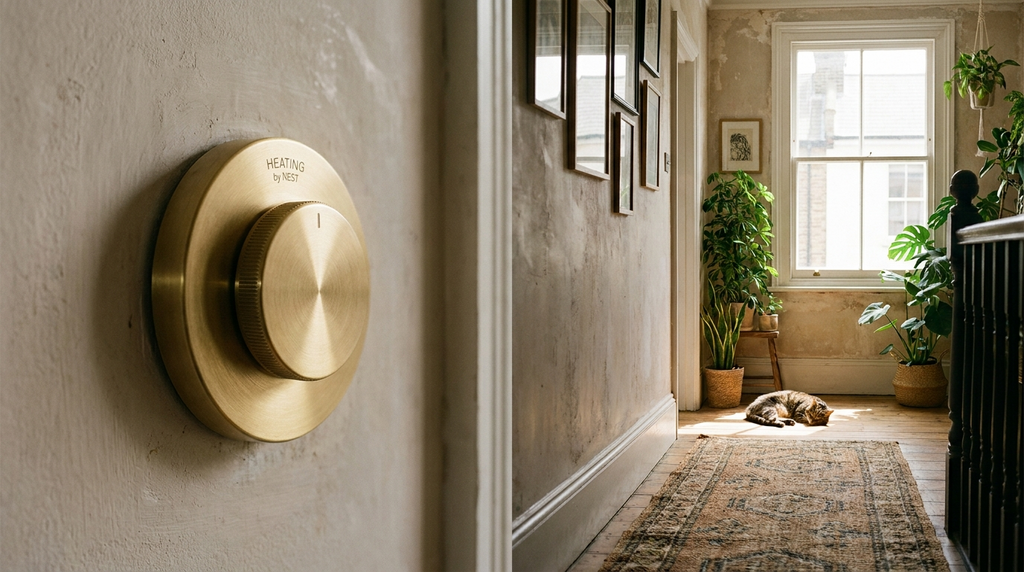
Home EV chargers are a popular add-on for Herefordshire households, typically costing £800 to £1,200 installed. Smart thermostats and heating controls (from around £150 to £350 fitted) are one of the quickest wins available, they often pay back within a year on their own.
Typical Costs and Savings for Herefordshire Properties
Here’s a practical breakdown of what common eco improvements cost and what you can expect to save on a typical semi-detached or terraced home in Herefordshire.
| Improvement | Typical Cost (Semi-Detached) | Typical Cost (Terraced) | Estimated Annual Saving | Approximate Payback Period |
|---|---|---|---|---|
| Cavity Wall Insulation | £500 to £900 | £400 to £700 | £180 to £280 | 2 to 4 years |
| Loft Insulation (top-up) | £300 to £600 | £250 to £500 | £150 to £250 | 2 to 3 years |
| Solar Panels (4kW system) | £5,500 to £8,000 | £5,000 to £7,500 | £400 to £650 | 9 to 14 years |
| Air Source Heat Pump | £8,000 to £14,000 | £7,500 to £12,000 | £300 to £600 | 12 to 18 years (before grant) |
| Double Glazing (full house) | £4,500 to £8,000 | £4,000 to £7,000 | £120 to £200 | 20 to 35 years |
| Smart Thermostat | £150 to £350 | £150 to £350 | £120 to £200 | Under 2 years |
| Battery Storage (add-on to solar) | £3,000 to £5,000 | £3,000 to £4,500 | £150 to £300 | 10 to 18 years |
Tip, combining improvements multiplies the savings. A home that gets cavity wall insulation, loft top-up, and solar panels together can realistically save £700 to £1,100 per year, and that combination often qualifies for grant funding that brings the total upfront cost down considerably.
Grants and Funding Available to Herefordshire Residents in 2026
There’s more funding available for eco home improvements in 2026 than most homeowners realise. Here’s a clear-eyed look at what’s on offer and who qualifies.
The Boiler Upgrade Scheme
The Boiler Upgrade Scheme (BUS) offers a £7,500 grant toward an air source heat pump, and £7,500 toward a ground source system. This grant is available to any homeowner replacing a fossil fuel boiler, you don’t need to be on a low income to qualify. You apply through your MCS-certified installer. Given Herefordshire’s good heat pump conditions, this is one of the best-value grants available locally.
ECO4
The Energy Company Obligation (ECO4) scheme funds insulation, heating upgrades, and other improvements for households on qualifying benefits or with a low EPC rating. If your household receives Universal Credit, Pension Credit, or certain other means-tested benefits, you may qualify for free insulation, glazing improvements, or even a free heat pump. Herefordshire Council administers local referrals, it’s worth contacting them directly or checking the government’s ECO4 eligibility checker.
Great British Insulation Scheme
The Great British Insulation Scheme closed on 31 March 2026. It funded insulation measures only and never covered windows or glazing. Even households not on benefits may qualify if their home is sufficiently inefficient. This scheme funds single insulation measures like loft insulation or cavity wall insulation. It’s a simpler route to free or heavily subsidised insulation than ECO4.
West Midlands Combined Authority Retrofit Programme
Herefordshire sits within the West Midlands region, and the West Midlands Combined Authority (WMCA) operates its own retrofit programme targeting fuel poverty and carbon reduction across the region. This programme has historically focused on areas with higher fuel poverty rates and concentrations of older housing, both of which apply to parts of Hereford city. It’s worth checking directly with Herefordshire Council about what WMCA-funded support is currently active in your area, as the programme is delivered through local authority partnerships.
The Warm Homes Plan
The government’s Warm Homes Plan, which is expanding through 2026 and beyond, is built to bring together funding streams for low-income and fuel-poor households. Herefordshire households in fuel poverty or with the lowest EPC ratings should be among the first to benefit as the programme rolls out. Keep an eye on Herefordshire Council’s housing and energy pages for local delivery updates.
| Scheme | Who Qualifies | What It Covers | Maximum Benefit |
|---|---|---|---|
| Boiler Upgrade Scheme | Any homeowner replacing fossil fuel heating | Heat pumps | £7,500 |
| ECO4 | Low income or qualifying benefits | Insulation, heating, glazing | Full installation costs in many cases |
| Great British Insulation Scheme | EPC Band D or below, or low income | Single insulation measure | Full or heavily subsidised cost |
| WMCA Retrofit Programme | Fuel poverty areas, via Herefordshire Council | Multiple measures | Varies by programme round |
Planning Permission and Local Authority Considerations in Herefordshire
Most standard eco home improvements fall under permitted development rights, meaning you won’t need to apply for planning permission. But Herefordshire has some important local considerations that are worth understanding before you start.
Herefordshire Council is the single unitary authority for the county, handling all planning applications across the area. There’s no separate district council structure here, so all queries go through one place, which actually makes things simpler than in many counties.
Conservation Areas and the Historic City Centre
Hereford city has a number of designated conservation areas, particularly around the historic cathedral quarter and the older residential streets. If your home is within a conservation area, permitted development rights for things like solar panels, external wall insulation, or external changes to windows and doors may be restricted or removed entirely. Always check with Herefordshire Council’s planning department before starting work if you’re in or near a conservation area.
Listed Buildings
Herefordshire has a significant number of listed buildings, including many in the city’s older residential streets. If your home is listed, even at Grade II, you’ll need listed building consent for most alterations that affect its character. This doesn’t mean eco improvements are impossible in listed buildings; it means they need to be approached carefully, often with specialist advice. Internal wall insulation using breathable materials, for example, is often acceptable where external changes wouldn’t be.
Solar Panels and Permitted Development
For most non-listed homes outside conservation areas, solar panels on a roof that isn’t visible from a public highway are permitted development. Panels should not protrude more than 200mm from the roof plane. If in doubt, Herefordshire Council offers pre-application planning advice.