What Makes Torfaen Different When It Comes to Eco Home Improvements
Torfaen sits in a fascinating position in South East Wales, a compact county wedged between the Brecon Beacons to the north and the urban sprawl of Newport to the south. It’s a place shaped by its industrial past, with much of its housing stock built to house workers in the steel and coal industries that once defined the region. That history matters a lot when you’re thinking about energy efficiency.
The county is home to around 48,000 residents, and while it’s relatively small geographically, it punches above its weight for the potential gains from eco home improvements. The valley topography means some areas are naturally more sheltered than others, and the mix of older terraced streets and newer semi-detached estates creates a genuinely varied picture across the county.
What really sets Torfaen apart from its neighbours is the combination of a reasonably efficient existing housing stock and a strong set of Welsh Government funding programmes that many residents simply don’t know about. If you’re a homeowner here, you’re actually in a better position than many parts of the UK to make meaningful, affordable improvements, and the valley climate, with its moderate temperatures and decent sunshine hours, means a wide range of eco technologies perform well here.
How Energy Efficient Are Torfaen Homes Right Now
The county average EPC rating is Band C, which puts Torfaen above the UK national average. That’s genuinely good news, it means many homes here are already reasonably well insulated and heated compared to older stock elsewhere. But “above average” doesn’t mean there’s nothing left to do.
Band C covers a wide range. A home at the top of Band C is quite efficient, while one sitting at the bottom edge is only a small step away from Band D. With average gas usage of 11,500 kWh per year and electricity usage of 3,100 kWh per year, a typical Torfaen household is spending roughly £1,380 per year on gas and £930 per year on electricity based on current tariff rates, that’s around £2,310 annually just for energy.
The older terraced housing in Pontypool and parts of Blaenavon tends to sit at the lower end of the efficiency scale. These properties often have solid stone or brick walls that can’t be cavity-filled, original single or thin double glazing, and older heating systems. In contrast, newer estates around Cwmbran built from the 1950s onwards, when the town was planned and developed, often have cavity walls and more modern heating infrastructure, making upgrades more straightforward and less costly.
If your home is still on Band D or below, the potential savings are significant. Jumping from Band D to Band B through a combination of improvements could cut your annual energy bill by £700 to £1,200 per year depending on your property type and starting point.
Eco Home Services You Can Access Across Torfaen
The good news is that Torfaen’s compact size means installers based locally can cover the whole county without the travel cost issues that affect more rural Welsh counties. Here’s a rundown of the main eco home services available to you as a Torfaen resident.
Solar Panels
South East Wales gets a surprisingly decent amount of sunshine, around 1,200 to 1,500 sunshine hours per year, and Torfaen properties are well-suited to solar PV. A typical 4kWp system on a semi-detached house costs around £6,000 to £8,000 installed and can generate roughly 3,400 kWh per year, saving you around £600 to £800 annually depending on how much you use at home versus export to the grid.
Adding battery storage (typically £2,500 to £4,000 extra) means you can use more of what you generate, pushing savings higher. Many Torfaen homeowners are pairing solar with electric vehicle charging and heat pumps to make the most of their own electricity.
Heat Pumps
Air source heat pumps work well in South East Wales’s relatively mild climate. Because Torfaen rarely sees the prolonged deep freezes that affect more northerly counties, heat pump efficiency (measured as COP, coefficient of performance) stays higher for more of the year. A typical installation for a semi-detached home runs from £8,000 to £14,000 before any grants are applied, with annual running costs typically £300 to £600 lower than a gas boiler for a well-insulated home.
Insulation
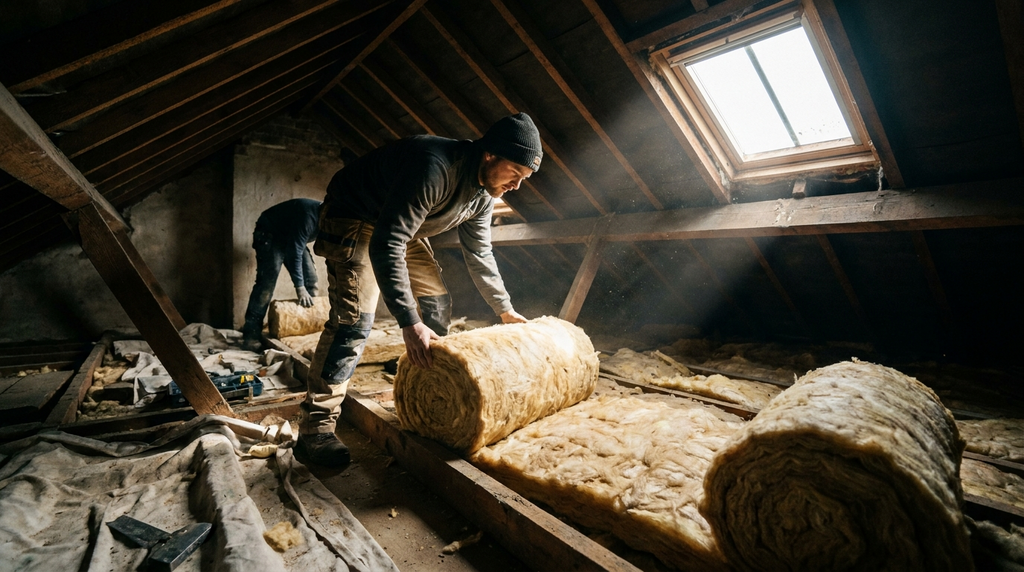
Cavity wall insulation for a typical semi-detached Torfaen home costs around £500 to £1,000 and can save £150 to £250 per year. Loft insulation is often even better value, around £300 to £600 for most properties, saving £150 to £300 per year. Solid wall insulation (for older Pontypool and Blaenavon terraces) is more expensive at £6,000 to £14,000 but can deliver savings of £400 to £700 per year.
Double and Triple Glazing
Upgrading from older double glazing to modern A-rated units typically costs £400 to £700 per window. A full house replacement for a semi-detached property might run to £4,000 to £8,000, with annual savings of £100 to £200. Triple glazing adds around 20–30% to the cost but performs better in rooms facing north or exposed to wind.
Smart Heating Controls and Energy Monitors
Often the most cost-effective starting point, a smart thermostat and zone controls cost £200 to £500 fitted and can reduce heating bills by £80 to £150 per year with very little disruption to your home.
Cost and Savings Comparison for Common Torfaen Properties
| Improvement | Terraced Home (typical cost) | Semi-Detached (typical cost) | Annual Saving | Payback Period |
|---|---|---|---|---|
| Loft insulation | £300 – £500 | £400 – £600 | £150 – £300 | 2 – 4 years |
| Cavity wall insulation | £400 – £700 | £500 – £1,000 | £150 – £250 | 3 – 5 years |
| Solar PV (4kWp) | £5,500 – £7,500 | £6,000 – £8,000 | £600 – £800 | 8 – 12 years |
| Air source heat pump | £7,000 – £12,000 | £8,000 – £14,000 | £300 – £600 | 12 – 20 years (pre-grant) |
| External solid wall insulation | £5,500 – £10,000 | £6,000 – £14,000 | £400 – £700 | 12 – 18 years |
| Smart thermostat | £200 – £400 | £200 – £500 | £80 – £150 | 2 – 4 years |
| Double to triple glazing upgrade | £3,000 – £6,000 | £4,000 – £8,000 | £100 – £200 | 20 – 30 years |
Note, payback periods shrink significantly when grants are applied. See the grants section below for what you might be entitled to.
Grants and Funding Available to Torfaen Residents in 2026
This is where Torfaen homeowners have a genuine advantage. Wales has its own funding programmes that run alongside UK-wide schemes, meaning there are more routes to financial support here than in many English counties.
The Warm Homes Nest Scheme (Wales)
This is the flagship Welsh Government scheme for energy efficiency improvements. If you’re a homeowner or private renter in Wales and your home has an EPC rating of D, E, F, or G, or if someone in the household receives certain benefits, you could receive free insulation, heating upgrades, and other improvements through Nest. There’s no income cap for homeowners with a low EPC rating, which makes this much more accessible than many people realise. Contact the Nest scheme directly via the Welsh Government or speak to Torfaen County Borough Council’s housing team for a referral.
The Optimised Retrofit Programme (Wales)
This Welsh Government programme takes a whole-house approach, rather than just adding one improvement at a time, it uses an assessment to plan the most effective combination of measures for your specific property. It’s particularly relevant for older valley terraces in Torfaen where the right sequencing of measures makes a big difference to outcomes. The programme has been rolling out across Welsh social and private housing stock and is worth asking about when you get an EPC assessment.
The Boiler Upgrade Scheme (UK-wide)
If you’re replacing a gas or oil boiler with a heat pump, the Boiler Upgrade Scheme provides a £7,500 grant for air source heat pumps and £7,500 for ground source heat pumps. This is applied directly by your installer, so you don’t need to claim it separately, it simply comes off the installation cost. This brings a typical air source heat pump installation down to the £500 to £6,500 range for many Torfaen homes.
ECO4 (UK-wide)
The Energy Company Obligation scheme requires energy suppliers to fund insulation and heating improvements for lower-income households. If you receive qualifying benefits, including Universal Credit, Pension Credit, or Child Tax Credit, and your home is rated EPC D or below, you may qualify for free insulation or heating system upgrades. Your energy supplier or Torfaen County Borough Council can help you check eligibility.
Great British Insulation Scheme
Separate from ECO4, this scheme is specifically focused on insulation. It’s available to households in the lower Council Tax bands (A to D in Wales) and to those receiving means-tested benefits. A single insulation measure, typically loft or cavity wall, can be funded fully or partially. This is worth checking even if you think you don’t qualify, as the Council Tax band criterion catches a wide range of Torfaen properties.
Planning Permission, What Torfaen Homeowners Need to Know
Most eco home improvements fall under Permitted Development rights, meaning you don’t need to apply for planning permission. But Torfaen has some specific considerations worth being aware of.
Planning in Torfaen is handled by Torfaen County Borough Council. For most standard improvements, solar panels on a rear or non-principal roof slope, heat pump installations that meet size and noise requirements, loft insulation, you won’t need permission. But there are situations where you will.
- Conservation areas, Parts of Blaenavon are designated as a World Heritage Site, which brings additional planning controls. If you live near the Blaenavon Industrial Landscape, check with the council before installing visible solar panels or making external alterations.
- Listed buildings, Torfaen has a number of listed buildings, particularly around Pontypool and Blaenavon. Any external changes to a listed building require Listed Building Consent in addition to any planning requirements.
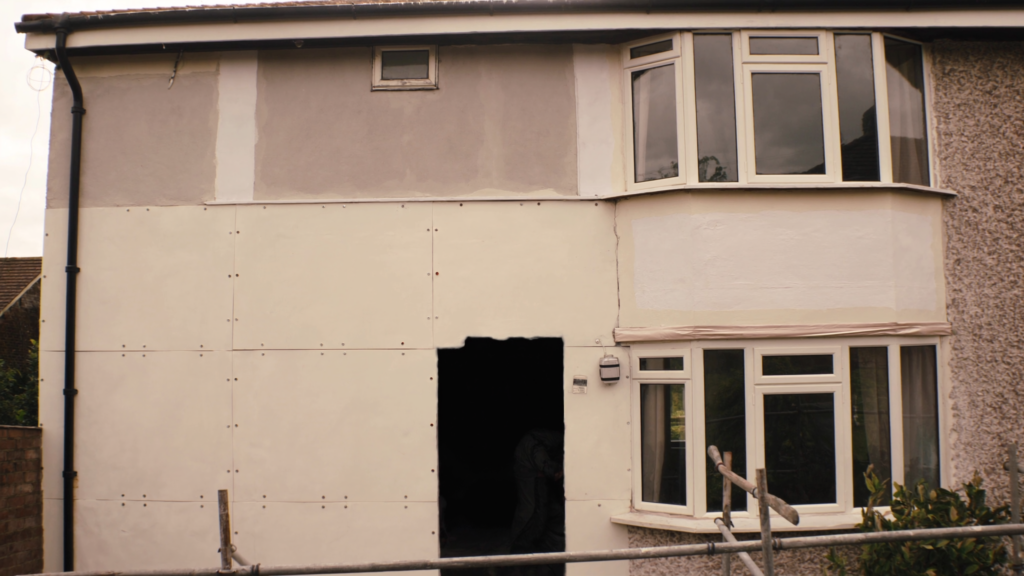
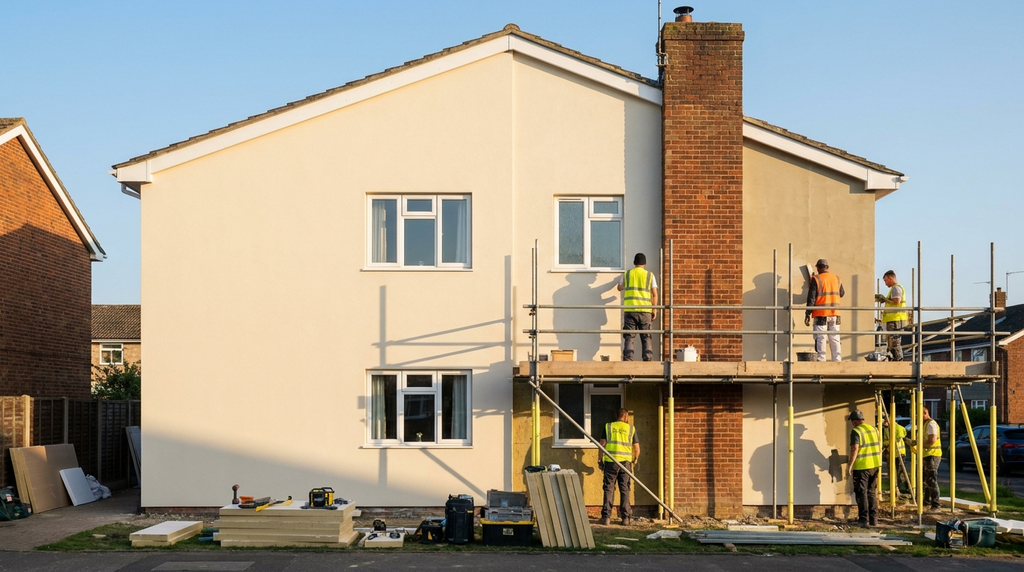
- External wall insulation, Adding external insulation changes the appearance of your home and almost always requires planning permission, especially in conservation areas or if your property is on a principal elevation facing a highway.
- Solar panels on flat roofs or ground-mounted arrays, These may need permission depending on size and location.
The safest approach is always to call Torfaen County Borough Council’s planning department for a pre-application query before committing to any external alteration. It’s free, it’s quick, and it avoids nasty surprises later.
How Torfaen’s Climate and Geography Shape Your Best Options
Torfaen’s geography is genuinely interesting from an eco home perspective. The county runs broadly north to south along the Afon Lwyd valley, with the valley floor towns sitting more sheltered and the higher ground to the north and west exposed to more wind and rainfall.
At the southern end around Cwmbran, you’re in the more sheltered, lower-lying part of the county. Sunshine hours are reasonable, winters are mild by Welsh standards, and wind exposure is relatively low. This is ideal territory for solar PV, your panels will generate well and suffer less from storm damage risk. Air source heat pumps also perform well here because the milder temperatures mean they rarely have to work at reduced efficiency.
Further north, towards Pontypool and especially Blaenavon, the elevation rises and conditions become more typical of the South Wales valleys. Rainfall increases, temperatures drop slightly, and wind exposure is higher. This doesn’t make eco improvements less worthwhile, far from it, but it does mean insulation quality becomes even more important, and you’ll want to make sure any heat pump installation is sized correctly for slightly higher heating demand.
| Location in Torfaen | Best Suited Improvements | Key Consideration |
|---|---|---|
| Cwmbran and south | Solar PV, air source heat pumps, cavity wall insulation | Good solar resource, mild climate suits heat pumps well |
| Pontypool and surrounding areas | Insulation, smart heating controls, solar PV | Mix of older terraced and post-war semi-detached stock |
| Blaenavon and higher ground | Solid wall insulation, triple glazing, mechanical ventilation | Older stone terraces, World Heritage Site planning considerations |
The moderate rainfall across the county (around 700 to 1,000mm per year) means damp management is worth factoring into any insulation project. External wall insulation with a breath