Why Caerphilly Is an Exciting Place to Go Green
Caerphilly is one of those places that surprises you. Sitting between the Welsh Valleys and the outskirts of Cardiff, it blends industrial heritage with some genuinely striking countryside, the Rhymney Valley, the ridges above Bargoed, the green belt that wraps around much of the county. It’s a county with real character, and a housing stock that tells the story of its past.
That past matters when we’re talking about eco home improvements. Much of the housing here was built to house mining and industrial communities, sturdy, solid, but not exactly designed with energy efficiency in mind. That means there’s enormous opportunity to make a real difference to how warm, comfortable, and affordable your home is to run.
What also makes Caerphilly stand out is the Welsh context. Wales runs its own energy efficiency programmes, sets its own building regulations, and has its own Net Zero targets, which means Caerphilly homeowners often have access to funding and support that their counterparts across the border in England don’t. That’s a genuine advantage worth knowing about.
The Energy Performance Picture Across Caerphilly, and What It Means for Your Bills
The average EPC rating across Caerphilly is Band E, and that’s honestly a significant finding. The national average for Wales sits around Band D, so Caerphilly homes are, on average, performing below that benchmark. That gap represents real money leaving your pocket every single month.
To put that in pounds and pence, a typical Band E home in Caerphilly is spending roughly £1,800 to £2,300 per year on energy. Upgrade that same home to Band C and you could realistically be looking at bills closer to £900 to £1,200 per year. That’s a saving of anywhere between £600 and £1,100 annually, which adds up fast.
The average gas usage across the county sits at 12,000 kWh per year, which is broadly in line with the national median. Electricity usage averages around 3,250 kWh per year. These are workable numbers, the gas figure in particular tells us that most homes here are still heavily dependent on the gas grid, which is exactly where the biggest savings can be unlocked.
Older terraced streets in parts of Bargoed and some of the tighter valley communities tend to have the most challenging efficiency profiles, solid stone or brick walls with no cavity, single-glazed sash windows in some cases, and loft insulation that either doesn’t exist or has degraded over decades. These homes need more investment, but they also tend to qualify for the most generous grant funding.
Newer semi-detached homes on the edges of Caerphilly town itself often sit a band or two higher, Band D in many cases, but still have meaningful improvements available, particularly around solar panels, heat pump-ready upgrades, and smart heating controls.
The Full Range of Eco Home Services Available to Caerphilly Residents
If you’re just getting started or ready to go all-in on a full retrofit, there’s a wide range of eco improvements available to homeowners across the county. Here’s a practical overview of what’s on the table.
Solar Panel Installation
Solar panels are one of the most popular upgrades in Caerphilly right now, and for good reason. The county gets a reasonable amount of sunshine for Wales, around 1,200 to 1,500 hours per year, which means a well-positioned south-facing roof can generate meaningful amounts of electricity year-round. A typical 4kWp system costs between £5,500 and £7,500 installed, and can save a semi-detached household £500 to £750 annually on electricity bills when combined with a battery.
Solar Battery Storage
Pairing solar panels with a battery means you’re using your own generated electricity in the evenings rather than exporting it cheaply to the grid. Battery systems typically add £2,500 to £4,000 to the overall cost but can significantly boost your savings, especially as electricity prices remain high.
Heat Pumps
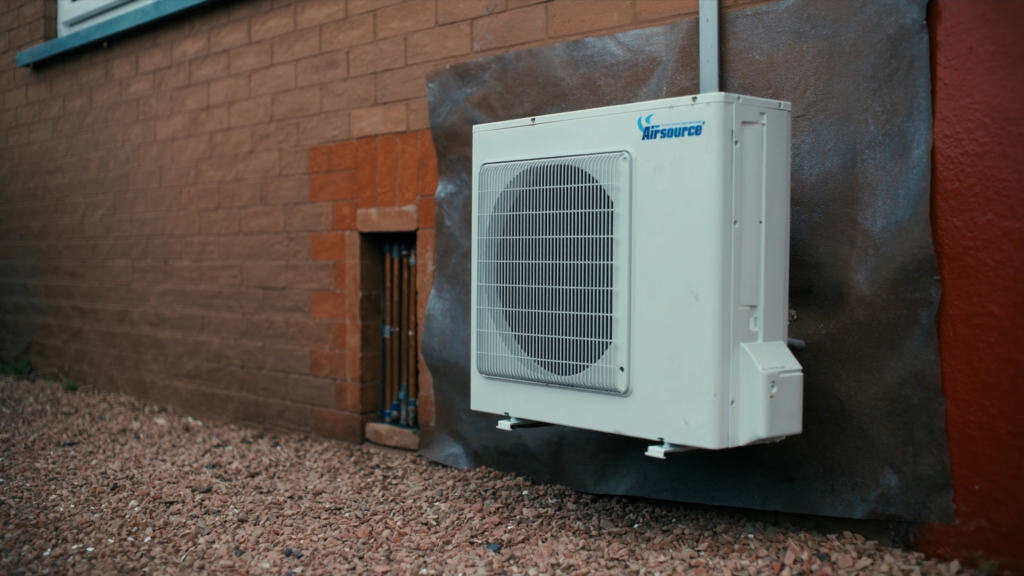
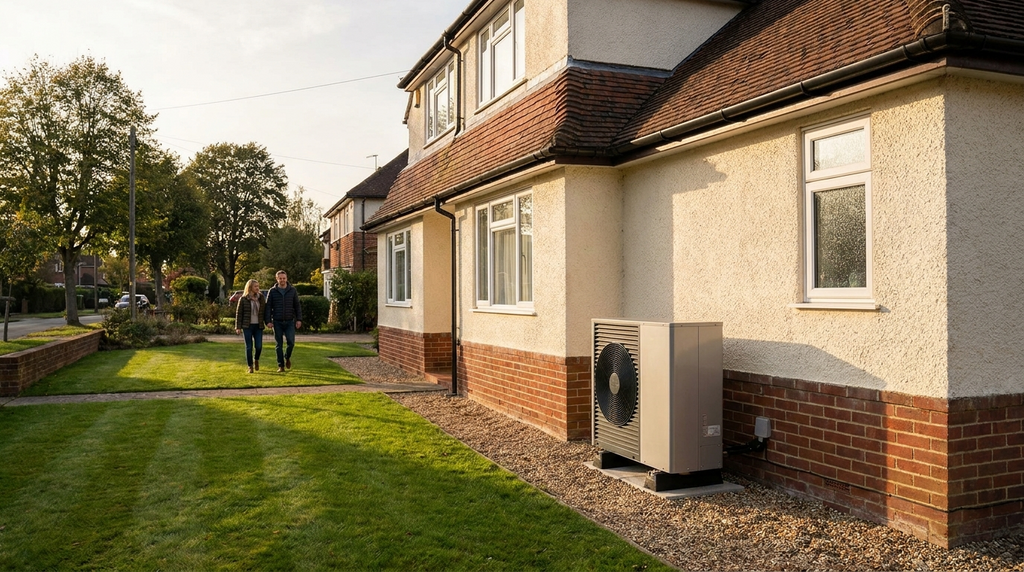
Air source heat pumps are becoming increasingly common in Caerphilly, particularly in homes that have had their insulation upgraded first. They work by drawing heat from the outside air, even on cold days, and using it to heat your home and water. A typical installation costs £8,000 to £14,000, though the Boiler Upgrade Scheme grant can reduce that by £7,500. Ground source heat pumps are also available for homes with suitable outdoor space.
Cavity Wall Insulation
Many post-war semi-detached and terraced homes in Caerphilly have unfilled cavity walls. Getting those filled is one of the fastest-payback improvements you can make, typically costing £400 to £1,000 and saving £150 to £300 per year. For a lot of homes, it pays for itself in three to five years.
Solid Wall Insulation
Older stone and brick-built terraces, common in the valley communities around Bargoed, often have solid walls that can’t be cavity-filled. External or internal wall insulation is more involved and more expensive, running from £8,000 to £20,000 for a full treatment, but the savings are substantial and grant funding is often available for eligible households.
Loft Insulation
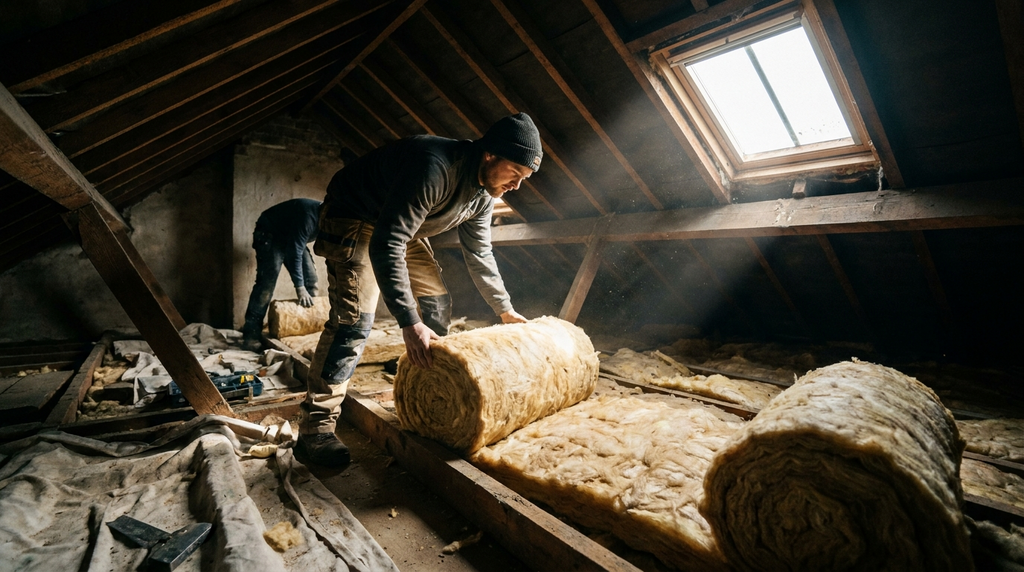
If your loft insulation is thin, missing, or decades old, topping it up to the recommended 270mm depth is one of the simplest wins going. It typically costs £300 to £600 and can save £150 to £250 per year. Some households can get this done free through ECO4 or the Nest scheme.
Double and Triple Glazing
Replacing old single-glazed windows with modern double or triple glazing improves comfort, reduces condensation, and cuts heat loss noticeably. A full house of A-rated double-glazed windows typically costs £4,000 to £8,000, with triple glazing running higher. Annual savings depend on what you’re replacing, but £100 to £300 per year is a realistic range.
Smart Heating Controls and Heat Interface Units
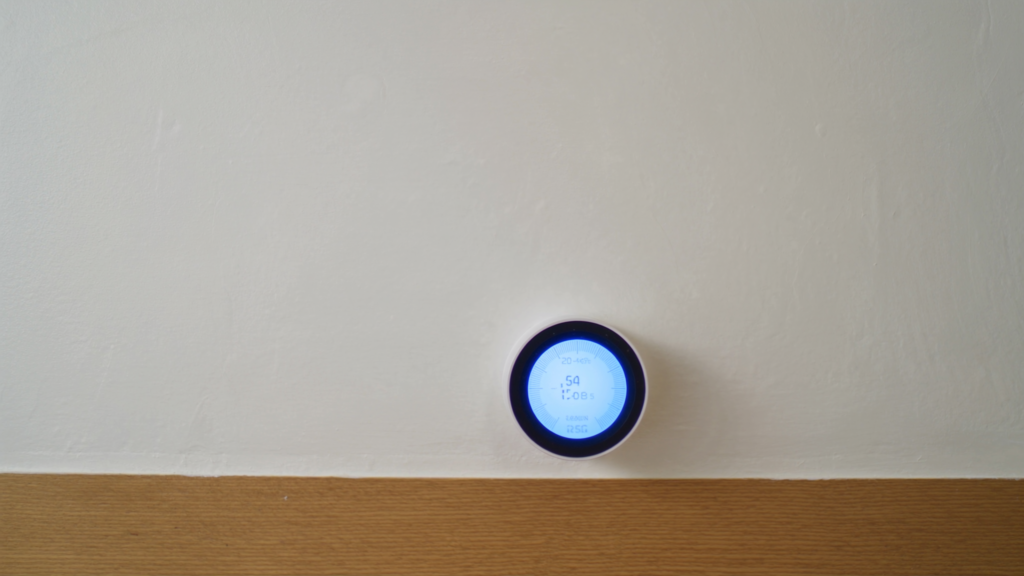
Sometimes the most cost-effective first step is simply taking control of how your heating runs. Modern smart thermostats and programmable heating controls typically cost £150 to £400 installed and can cut your heating bills by 10 to 15% without touching the fabric of your home.
Comparing Eco Improvement Costs for Caerphilly Homes
| Improvement | Typical Cost, Terraced Home | Typical Cost, Semi-Detached | Estimated Annual Saving | Approximate Payback Period |
|---|---|---|---|---|
| Loft Insulation (top-up) | £300 to £500 | £400 to £600 | £150 to £250 | 2 to 4 years |
| Cavity Wall Insulation | £400 to £800 | £600 to £1,000 | £150 to £300 | 3 to 5 years |
| Solid Wall Insulation (external) | £8,000 to £15,000 | £12,000 to £20,000 | £300 to £600 | 20 to 30 years (grants help significantly) |
| Double Glazing (whole house) | £3,500 to £6,000 | £4,500 to £8,000 | £100 to £300 | 15 to 25 years |
| Solar Panels (4kWp) | £5,500 to £7,000 | £5,500 to £7,500 | £400 to £700 | 8 to 14 years |
| Solar Battery (added to panels) | £2,500 to £3,500 | £2,500 to £4,000 | £150 to £300 additional | 8 to 12 years |
| Air Source Heat Pump | £8,000 to £12,000 | £9,000 to £14,000 | £300 to £800 | 10 to 20 years (grant reduces this) |
| Smart Heating Controls | £150 to £300 | £150 to £400 | £100 to £200 | 1 to 3 years |
Grants and Funding Schemes Available to Caerphilly Homeowners in 2026
This is where living in Wales really pays off. Caerphilly residents can access both UK-wide schemes and Wales-specific programmes, which in some cases can cover the majority, or even the full cost, of major eco improvements.
The Warm Homes Nest Scheme
Nest is Wales’s flagship energy efficiency programme, run by Welsh Government and delivered by Mitie. If your household income is below £31,000 per year or you receive certain means-tested benefits, you could receive free insulation, free heating upgrades, and even a free heat pump through Nest. This is genuinely one of the most generous schemes in the UK and it’s available right across Caerphilly. Even if you don’t meet the income criteria, Nest offers free energy advice and can point you towards other support.
The Optimised Retrofit Programme
Wales’s Optimised Retrofit Programme (ORP) is a more technical, whole-house approach to energy efficiency. It focuses on modelling the full retrofit of a property before any work begins. This ensures improvements are made in the right order and work together effectively. Some Caerphilly homes have been included in ORP pilots, and the programme continues to expand. It’s worth asking your local installer whether your home could qualify.
ECO4 (Energy Company Obligation)
ECO4 is a UK-wide scheme that requires large energy suppliers to fund insulation and heating improvements in low-income and fuel-poor households. Eligibility typically requires receiving qualifying benefits such as Universal Credit, Pension Credit, or Child Benefit with an income cap. Many Band E homes in Caerphilly fall squarely within ECO4 eligibility. Works can include loft insulation, cavity and solid wall insulation, and in some cases heat pumps.
The Boiler Upgrade Scheme
The Boiler Upgrade Scheme (BUS) offers a £7,500 grant towards an air source heat pump and £7,500 towards a ground source heat pump for eligible homes in England and Wales. Your home doesn’t need to be low-income to qualify, the main requirement is that it has a valid EPC with no outstanding recommendations for loft or cavity wall insulation. This is available to Caerphilly homeowners and can make a heat pump genuinely affordable.
Great British Insulation Scheme
The Great British Insulation Scheme closed on 31 March 2026. It funded insulation measures only and never covered windows or glazing. It provides partial or full funding for single insulation measures, particularly loft insulation and cavity wall insulation. Eligibility is broader than ECO4 and includes households in Council Tax bands A to D, even without benefits.
Local Authority Flex and Council Support
Caerphilly County Borough Council can refer households into ECO4 funding through Local Authority Flex, a mechanism that allows councils to nominate homes that are fuel-poor but may not meet standard benefit criteria. If you’re struggling with energy bills but don’t receive qualifying benefits, it’s worth contacting the council directly to ask about this route.
Planning Permission and Local Authority Considerations for Eco Upgrades
Most eco home improvements in Caerphilly fall under permitted development rights, meaning you don’t need to apply for planning permission. Solar panels on a roof that isn’t a listed building or in a conservation area, cavity wall insulation, loft insulation, and most internal works are all typically permitted development.
Even so, there are situations where you will need to check with the local authority. Caerphilly County Borough Council handles all planning applications across the county, and their planning department is the right first port of call if you have any doubt.
Key situations where permission may be required include
- External wall insulation that significantly changes the appearance of your home
- Solar panels on listed buildings or in designated conservation areas
- Ground-mounted solar panels that exceed permitted size limits
- Any changes to a home within the Brecon Beacons National Park boundary, though this affects only the very northern fringes of the county
Conservation areas exist in parts of Caerphilly town, particularly around the historic castle area, and in some of the older town centres. If you’re in one of these areas, external changes, including cladding or replacing windows, may need planning permission. Your installer should check this as part of the survey process, but it’s always worth confirming yourself.
For listed buildings, you’ll need listed building consent for almost any significant alteration, including internal wall insulation. There are a number of listed properties in the county, particularly in the older parts of Caerphilly town and Bargoed. If you own one, a specialist retrofit assessor who understands heritage properties is essential.
How Caerphilly’s Climate Shapes the Best Eco Choices
Caerphilly’s geography is genuinely interesting from an energy perspective. The county sits in a valley-and-ridge landscape, and that matters for things like solar panel performance and wind exposure.
The climate here is a blend of valley shelter and upland exposure. Rainfall is moderate at 700 to 1,000mm per year, and winters are relatively mild compared to the rest of Wales, with 1,200 to 1,500 heating degree days annually. That’s fewer heating days than, say, the Brecon Beacons to the north or the Snowdonia region, which means heat pumps are particularly well-suited here, since they perform better in milder temperatures.
Sunshine hours of 1,200 to 1,500 per year put Caerphilly in a reasonable band for solar generation. South-facing roofs at a pitch between 30 and 45 degrees will get the most from panels, though even east-west orientations can generate