What Makes Cardiff Different When It Comes to Eco Homes
Cardiff is a fascinating place to talk about eco home improvements. It’s a compact capital city, Wales’s largest urban centre, packed into a relatively small geographic footprint along the Severn Estuary, with the Bristol Channel to the south and the valleys beginning to rise just to the north. That geography shapes everything from your heating bills to how much solar energy your roof can generate.
With around 362,000 residents, Cardiff punches well above its weight in terms of housing variety. You’ve got tightly packed Victorian terraces in Roath and Canton, sprawling interwar semis in Llanishen and Whitchurch, and post-war estates stretching out towards St Mellons and Pontprennau. Each of these housing types has a very different starting point for energy efficiency, and very different opportunities for improvement.
What really sets Cardiff apart from many English cities is the Welsh policy environment. Cardiff homeowners have access to Wales-specific funding schemes that simply don’t exist across the border, the Warm Homes Nest scheme and the Optimised Retrofit Programme being two excellent examples. Welsh Government also sets its own building regulations and has ambitious Net Zero Wales targets, which means the local planning and funding landscape genuinely differs from what you’d experience in Bristol or Bath, just across the water.
And then there’s the climate. Cardiff sits in one of the milder corners of the UK. Winters here are noticeably gentler than in the Midlands or North Wales, which affects which eco improvements give you the best return on investment. That’s worth understanding before you spend a penny.
Energy Performance Across Cardiff, What the Numbers Actually Mean for Your Bills
The average EPC rating across Cardiff is Band D, which puts the county right at the national average for England and Wales. That might sound reassuring, but Band D is actually a long way from where most homes need to be to keep energy bills comfortable and meet future low-carbon targets.
In practical terms, a Band D Cardiff home typically burns through around 11,500 kWh of gas per year and around 3,200 kWh of electricity. At current 2026 energy tariff rates, that translates to roughly £1,380 in gas costs and around £700 in electricity annually, a combined energy bill in the region of £2,080 per year for an average household.
That’s a significant chunk of household income, and the good news is that most Band D homes have a clear path to Band C or even Band B with targeted improvements. The savings can be substantial, often £400 to £800 per year depending on your starting point and what upgrades you make.
Which Parts of Cardiff Tend to Have the Least Efficient Homes
The older inner-city neighbourhoods tend to score worst on energy performance. Areas like Splott, Adamsdown, Grangetown, and Riverside are dominated by pre-1919 terraced housing, solid brick construction with no cavity walls, single-skin floors, and original timber sash windows in many cases. These homes are drafty, hard to heat, and often expensive to insulate properly.
Victorian and Edwardian terraces in Roath, Pontcanna, and Canton share similar challenges, though these areas often have higher owner-occupier rates, meaning more residents are in a position to invest in upgrades.
The post-war and interwar suburbs, Llanishen, Rhiwbina, Whitchurch, Ely, and Fairwater, tend to have better starting EPC ratings because they were built with cavity walls and slightly more modern construction. These homes are generally easier and cheaper to improve further.
Newer developments around Cardiff Bay, Pontprennau, and St Mellons often already sit at Band C or above, but even these can benefit from solar PV, battery storage, and smart energy management systems.
The Full Range of Eco Home Services Available Across Cardiff
Cardiff has a healthy market of MCS-certified and TrustMark-registered installers covering every major category of eco home improvement. Here’s a quick rundown of what’s available and what you’d typically pay.
Solar Panels
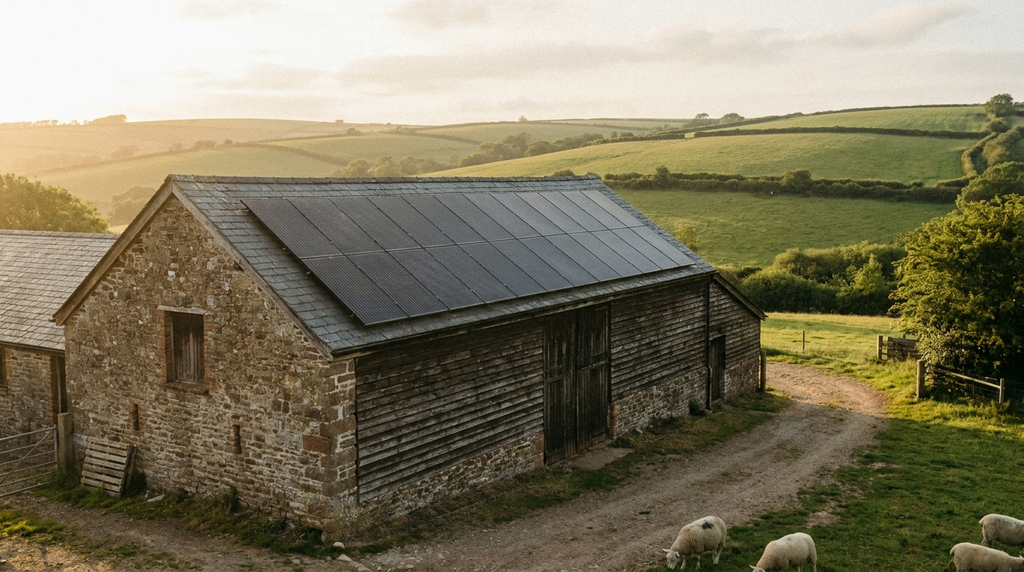
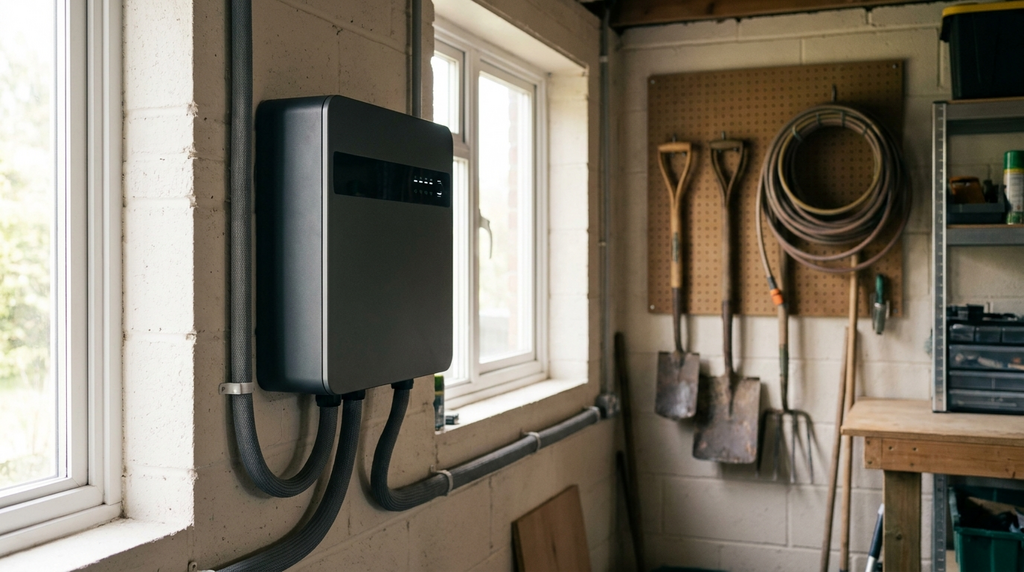
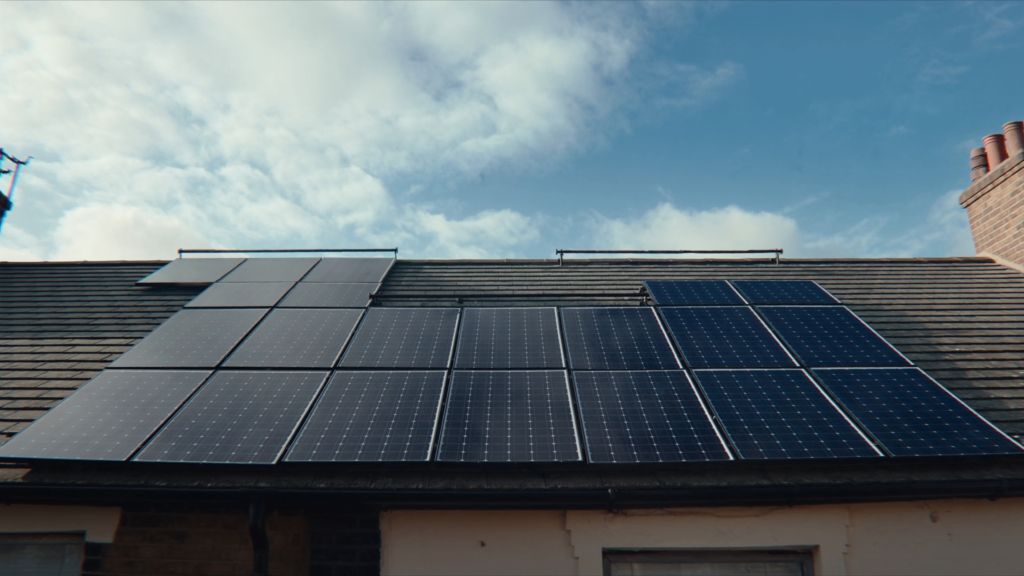
Solar PV is one of the most popular upgrades in Cardiff, and for good reason. The city benefits from 1,200 to 1,500 sunshine hours per year, which is above average for Wales and comparable to many parts of southern England. A typical 4kWp system costs between £6,000 and £8,500 installed, and can generate around 3,400 to 3,800 kWh per year on a south-facing roof. Many Cardiff homeowners add battery storage (typically £2,500 to £4,000 extra) to make the most of daytime generation.
Heat Pumps
Air source heat pumps work particularly well in Cardiff’s mild climate, the warmer winters mean your heat pump operates more efficiently, more of the time. A typical installation costs £8,000 to £15,000, though the Boiler Upgrade Scheme can bring this down significantly. Ground source heat pumps are less common in urban Cardiff due to garden size constraints, but they’re worth exploring if you have the land.
Insulation
Cavity wall insulation is the single most cost-effective upgrade for the many interwar and post-war semis across Cardiff. It typically costs £700 to £1,200 and can save £200 to £300 per year. Loft insulation costs even less, often £300 to £600, and is one of the quickest wins available. Solid wall insulation (for those Victorian terraces) is more expensive at £8,000 to £22,000 depending on internal or external application, but the savings and comfort improvements are transformative.
Double and Triple Glazing
Replacing single-glazed windows with A-rated double glazing costs around £400 to £700 per window for a standard size. A full house replacement (say, 10 windows) typically runs to £5,000 to £8,000. Triple glazing is becoming more popular in Cardiff and costs roughly 20% more than double, with better noise reduction, useful in busier urban areas.
Energy Efficiency Improvements
Beyond the headline upgrades, there’s a whole range of lower-cost improvements worth considering, smart thermostats (£150 to £300 installed), draught-proofing (£100 to £400), hot water cylinder insulation, and LED lighting throughout. These smaller measures often deliver the fastest payback and are a sensible first step before committing to bigger investments.
Eco Improvement Costs and Savings, A Practical Comparison for Cardiff Homes
| Improvement | Typical Cost (Terraced) | Typical Cost (Semi-Detached) | Estimated Annual Saving | Approximate Payback Period |
|---|---|---|---|---|
| Loft insulation (top-up to 270mm) | £300 – £500 | £400 – £600 | £150 – £250 | 2 – 4 years |
| Cavity wall insulation | £700 – £1,000 | £900 – £1,200 | £200 – £300 | 3 – 5 years |
| External solid wall insulation | £10,000 – £16,000 | £12,000 – £22,000 | £350 – £600 | 18 – 35 years |
| Solar PV (4kWp) | £6,000 – £7,500 | £6,500 – £8,500 | £500 – £750 | 9 – 14 years |
| Air source heat pump | £8,000 – £12,000 | £10,000 – £15,000 | £300 – £700 | 12 – 25 years |
| Double glazing (full house) | £4,500 – £7,000 | £5,500 – £8,500 | £120 – £200 | 25 – 40 years |
| Smart thermostat | £150 – £250 | £150 – £300 | £75 – £150 | 1 – 3 years |
Tip, the best returns nearly always come from combining measures. Adding loft insulation, cavity wall insulation, and a smart thermostat together can push a Band D home to Band C for under £2,000 total outlay, saving over £400 per year.
Grants and Funding Available to Cardiff Homeowners in 2026
Cardiff residents are in a genuinely fortunate position for funding, you have access to UK-wide schemes and Wales-specific programmes that aren’t available to homeowners in England.
The Warm Homes Nest Scheme (Wales)
This is the flagship Welsh Government energy efficiency programme and it’s specifically designed for Cardiff and all Welsh homeowners. If you’re on a low income or receiving certain benefits, you may qualify for fully funded insulation, heating upgrades, and energy efficiency improvements at no cost to you. Even if you don’t qualify for free measures, Nest offers impartial advice and can help you access other funding. It’s the first call any Cardiff homeowner should make.
The Optimised Retrofit Programme (Wales)
This is a more technical Welsh Government initiative that funds whole-house retrofit approaches, treating your home as a system rather than installing individual measures in isolation. It’s particularly relevant for social housing and community-scale projects, but the findings and funded pilots are increasingly influencing how private homeowners can access support. Worth keeping an eye on if you’re planning a deep retrofit.
The Boiler Upgrade Scheme
The UK-wide Boiler Upgrade Scheme offers a £7,500 grant towards an air source heat pump and £7,500 towards a ground source heat pump. This is available to Cardiff homeowners regardless of income and has made heat pump installations genuinely affordable for many households. Your installer applies on your behalf, so the process is relatively straightforward.
ECO4 (Energy Company Obligation)
ECO4 requires the major energy suppliers to fund energy efficiency improvements for lower-income and vulnerable households. Cardiff homeowners in Band D properties or below who receive qualifying benefits can access free insulation, glazing, and heating upgrades through this scheme. It’s worth checking your eligibility even if you think you might not qualify, the criteria are broader than many people realise.
The Great British Insulation Scheme
Running alongside ECO4, the Great British Insulation Scheme (GBIS) focuses specifically on homes in EPC Bands D to G. Cardiff’s Band D average means a large proportion of households are eligible. It can fund loft insulation, cavity wall insulation, and solid wall insulation, with contributions based on your household income.
| Scheme | Who It’s For | Maximum Support | Wales Specific |
|---|---|---|---|
| Warm Homes Nest | Low income, benefits recipients, vulnerable households | Fully funded measures | Yes |
| Boiler Upgrade Scheme | Any homeowner replacing a fossil fuel boiler | £7,500 grant | No (UK-wide) |
| ECO4 | Low income and vulnerable households | Fully funded in many cases | No (UK-wide) |
| Great British Insulation Scheme | Homes rated Band D to G | Partial to full funding | No (UK-wide) |
| Optimised Retrofit Programme | Whole-house deep retrofit projects | Project dependent | Yes |
Planning Permission and Local Authority Rules Across Cardiff
Cardiff is governed by Cardiff Council (Cardiff City Council) as the single local planning authority for the county. This is worth knowing because it means there’s one consistent set of planning policies across the city, rather than multiple councils with different approaches.
The good news is that most standard eco home improvements fall under Permitted Development rights, meaning you don’t need to apply for planning permission. Solar panels on roofs not facing a highway, loft conversions within certain size limits, and heat pump installations all typically qualify, as long as your home isn’t subject to special restrictions.
Conservation Areas and Listed Buildings
Cardiff has a significant number of conservation areas, particularly across the Victorian and Edwardian suburbs like Pontcanna, Canton, Roath Park, and parts of the city centre. If your home is within a conservation area, planning rules are stricter. Solar panels visible from the street may require consent, and external wall insulation will almost certainly need approval. Always check with Cardiff Council’s planning department before proceeding.
Listed buildings (there are over 1,000 in Cardiff, including many in the historic inner suburbs and the civic centre area) require Listed Building Consent for almost any external alteration. Internal works may also require consent. If your home is listed, it’s essential to get specialist conservation advice before planning any eco upgrades, the rules are complex and the penalties for non-compliance are serious.
Practical Tips for Planning in Cardiff
- Use Cardiff Council’s online planning portal to check whether your address is within a conservation area before booking any installer surveys