What Makes Bristol Such an Interesting Place for Eco Home Improvements
Bristol is one of the most distinctive cities in England for eco living, and that reputation is well earned. With a population of around 467,000 residents, Bristol punches well above its weight on environmental ambition, and the city has long been ahead of the curve on sustainability compared to many of its regional neighbours.
Geographically, Bristol sits at a fascinating crossroads. You have the dense Victorian terraces of Bedminster and Easton cheek by jowl with the Georgian grandeur of Clifton, and then the post-war suburban estates of Henbury and Hartcliffe further out. That variety of housing stock is one of the most interesting things about Bristol from an eco home perspective, there is genuinely no one-size-fits-all answer here.
The River Avon gorge, the Mendip Hills to the south, and the Severn Estuary to the west all shape Bristol’s microclimate in ways that matter to homeowners. The city enjoys some of the best solar irradiance in the UK. That makes it an exceptional location for solar panels. At the same time, older stone-built properties in areas like Clifton and Redland need specialist approaches to insulation that you simply wouldn’t need in a newer build in, say, Filton or Bradley Stoke.
Bristol was the UK’s first European Green Capital back in 2015, and that legacy still drives real local action, from council retrofit programmes to a thriving network of community energy groups like Bristol Energy Network. If you’re thinking about improving your home’s energy efficiency, you’re doing it in a city that genuinely gets it.
Understanding Energy Performance Across Bristol’s Housing Stock
Bristol’s average EPC rating sits at Band D, which puts it right at the national average. That sounds middling, but it hides a huge range, from beautifully insulated modern apartments in Harbourside scoring Band B, to draughty Victorian end-terraces in St Paul’s or Easton that are genuinely Band E or F.
The city’s older housing areas tend to have the worst energy performance. Clifton, Redland, Cotham, and Bishopston are full of solid-wall Victorian and Edwardian properties that were built long before insulation was ever a thought. These homes are expensive to heat and often difficult to upgrade without specialist advice.
To give you a sense of what Band D actually costs, Bristol residents with an average gas usage of 11,000 kWh per year and electricity usage of 3,100 kWh per year are typically spending somewhere in the region of £1,600 to £2,100 per year on combined energy bills. Move up to Band B and you could realistically cut that to under £800 per year, that’s a saving of well over £1,000 annually.
Post-war estates in areas like Southmead, Henbury, Lawrence Weston, and Hartcliffe often have cavity walls and lofts that are easier and cheaper to insulate than solid-wall Victorian stock. If you live in one of these areas, you may find upgrades are quicker and less disruptive than neighbours in older parts of the city.
New-build developments around Filton, Emersons Green, and the wider Bristol fringe tend to already have decent insulation and modern heating systems, but even these can benefit from solar panels and smart energy management, given Bristol’s excellent sunshine levels.
Eco Home Services Available to Bristol Residents
Whatever your home type or budget, there’s a wide range of eco improvements available across Bristol. Here’s a practical rundown of the main options and what they involve.
Solar Panels
Given Bristol’s position in southern England, solar is probably the single best eco upgrade most homeowners can make. You’ll typically generate 3,000 to 3,800 kWh per year from a standard 4kWp system, enough to cover a significant chunk of your household electricity use. Costs for a typical system run from £5,000 to £9,000 installed, and with the Smart Export Guarantee paying you for surplus electricity you export to the grid, payback periods of 7 to 10 years are genuinely achievable.
Air Source Heat Pumps
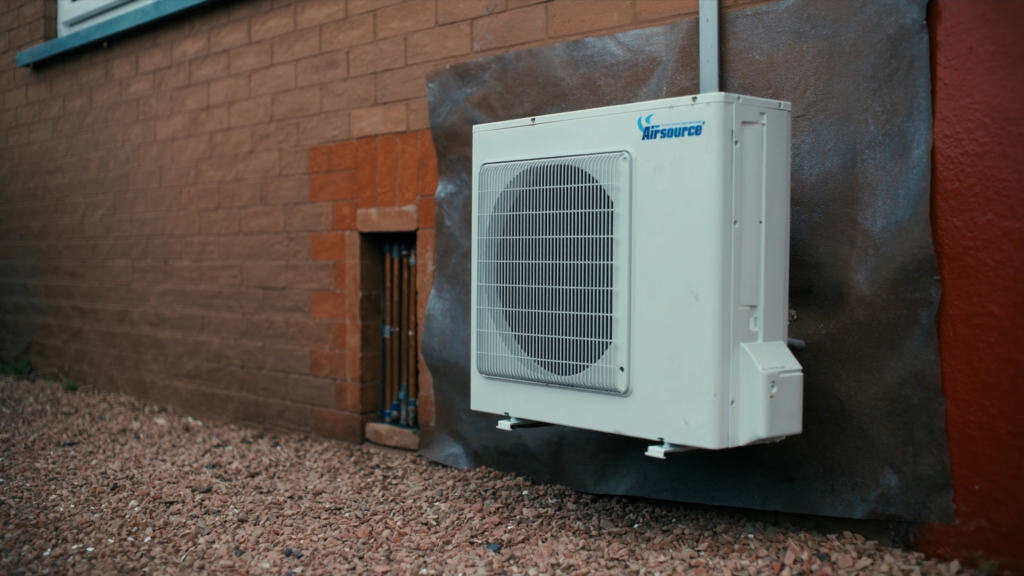
Heat pumps are increasingly popular in Bristol, particularly in properties that are off the gas grid or in homes where the existing boiler is nearing the end of its life. A well-installed air source heat pump can deliver 3 to 4 units of heat for every unit of electricity it consumes. Costs typically range from £8,000 to £15,000 installed, though the Boiler Upgrade Scheme grant (more on that below) reduces this significantly.
Insulation
Bristol’s housing diversity means insulation is rarely straightforward. Cavity wall insulation in post-war properties can cost as little as £400 to £800 and saves around £200 per year. Loft insulation is similarly affordable. Solid wall insulation for Victorian terraces is a different story, external wall insulation can cost £8,000 to £20,000 for a typical terrace, but the savings and comfort improvements are substantial.
Double and Triple Glazing
Many older Bristol properties still have single glazing or original sash windows. Upgrading to modern double glazing can save £100 to £200 per year on heating bills and makes a noticeable difference to draught levels and comfort. Costs vary widely but expect to pay £3,000 to £8,000 for a full house depending on window count and style.
Battery Storage
Paired with solar panels, a home battery lets you store energy generated during the day and use it in the evening. Systems typically cost £2,500 to £5,000 and can meaningfully reduce your reliance on grid electricity, especially given Bristol’s strong solar generation potential.
Smart Heating Controls and EV Charging
Upgrading to smart thermostats and zone controls can shave £80 to £150 per year off heating bills with minimal disruption. Home EV chargers are increasingly sought-after in Bristol, where car ownership and cycling infrastructure coexist, a good 7kW home charger typically costs £800 to £1,200 installed.
Typical Costs and Savings for Common Bristol Property Types
| Improvement | Terraced House (Typical Cost) | Semi-Detached (Typical Cost) | Estimated Annual Saving | Approximate Payback Period |
|---|---|---|---|---|
| Loft Insulation | £300 – £500 | £400 – £600 | £150 – £250 | 2 – 4 years |
| Cavity Wall Insulation | £400 – £700 | £500 – £900 | £150 – £200 | 3 – 5 years |
| Solid Wall Insulation (External) | £8,000 – £16,000 | £10,000 – £20,000 | £300 – £500 | 20 – 30 years |
| Solar Panels (4kWp) | £5,000 – £8,000 | £6,000 – £9,000 | £500 – £900 | 7 – 10 years |
| Air Source Heat Pump | £8,000 – £13,000 | £9,000 – £15,000 | £300 – £700 | 10 – 15 years (pre-grant) |
| Double Glazing (full house) | £3,000 – £6,000 | £4,000 – £8,000 | £100 – £200 | 20 – 30 years |
| Battery Storage | £2,500 – £4,000 | £2,500 – £5,000 | £200 – £400 | 8 – 12 years |
A quick note on solid wall insulation payback, those headline payback figures look long, but the comfort improvement in a draughty Victorian terrace is dramatic, and many Bristol homeowners find the quality-of-life benefit justifies the investment well before the financial payback arrives. Grants can also shorten that payback period considerably.
Grants and Funding Available to Bristol Homeowners in 2026
There’s more financial support available than many people realise. Here’s a practical guide to what you can actually access.
The Boiler Upgrade Scheme
This national scheme offers £7,500 off the cost of an air source heat pump and £7,500 off a ground source heat pump. It’s available to homeowners across Bristol who are replacing a fossil fuel heating system. The grant goes directly to your installer, so you simply pay the reduced amount. This makes heat pumps genuinely competitive on upfront cost for many households.
ECO4
The Energy Company Obligation scheme in its fourth phase targets low-income households and properties with poor EPC ratings. If you’re on certain qualifying benefits, or if your home is Band D or below, you may be eligible for free or heavily subsidised insulation, heating upgrades, and glazing. Bristol City Council actively promotes ECO4 referrals, and several local organisations including Bristol Energy Advice can help you navigate eligibility.
The Great British Insulation Scheme
The Great British Insulation Scheme sits alongside ECO4 and specifically targets homes with EPC ratings of Band D or below. Given that Bristol’s county average is Band D, a significant proportion of local homeowners will qualify. It can fund loft insulation, cavity wall insulation, and solid wall insulation for eligible properties, potentially covering the full cost for those on lower incomes.
Bristol City Council Retrofit Programmes
Bristol City Council has maintained active retrofit support programmes as part of its commitment to becoming carbon neutral. The council has historically delivered area-based schemes targeting specific neighbourhoods, often focusing on Hartcliffe, Lawrence Weston, Southmead, and other areas with higher concentrations of lower-income households and older housing stock. It’s always worth checking the council’s current housing and energy pages for live funding rounds.
Community and Social Housing Schemes
Bristol has several community energy groups, including Bristol Community Energy and the wider Bristol Energy Network, that run local initiatives and can sometimes connect residents to funded retrofit work, particularly for street-level or neighbourhood-wide schemes where economies of scale make a big difference.
Smart Export Guarantee
This isn’t a grant as such, but it’s money back in your pocket. Any solar electricity you export to the grid earns you a payment per kWh, rates currently sit between 4p and 15p per kWh depending on your tariff. Over a year, this adds up and meaningfully improves the financial case for solar.
Planning Permission and Conservation Considerations in Bristol
Planning in Bristol is handled by Bristol City Council, and the city has some genuinely complex planning considerations that are worth understanding before you commit to any external work.
The good news is that most standard eco home improvements fall under permitted development, meaning you don’t need planning permission. Solar panels on a non-listed property, cavity wall insulation, loft insulation, and internal heating upgrades typically don’t require any formal application.
However, Bristol has a large number of conservation areas, covering much of Clifton, Redland, Cotham, Hotwells, Kingsdown, and other historically significant neighbourhoods. In these areas, permitted development rights are restricted, and you may need planning permission or full planning permission for things like external wall insulation, solar panels on front-facing roof slopes, or replacement windows that change the appearance of the building.
Listed buildings add another layer of complexity. Clifton alone has hundreds of listed Georgian and Victorian properties. If your home is listed, almost any structural or external alteration will require Listed Building Consent, and you’ll need to work with installers who have specific experience in heritage retrofitting. This is not the place to cut corners, the penalties for unauthorised work on listed buildings are serious.
There are no National Park designations within Bristol itself, but the Mendip Hills Area of Outstanding Natural Beauty sits close to the southern edge of the city, and properties in adjacent parishes may have additional restrictions worth checking.
The practical advice here is simple, always check with Bristol City Council’s planning portal before starting any external works, and if you’re in a conservation area or have any reason to think your property might be listed, get specialist advice first. A reputable local installer will do this as a matter of course.
How Bristol’s Climate Shapes the Best Eco Home Choices
Bristol’s climate is genuinely one of its most useful assets for eco home improvements. The city sits in southern England with 1,200 to 1,500 sunshine hours per year, this is some of the highest solar irradiance in the UK, and it makes solar panels a particularly strong investment here compared to, say, the north of England.
Winters in Bristol are milder than the national average, with 1,200 to 1,500 heating degree days per year. That means your heating system doesn’t need to work as hard as it would in Manchester or Edinburgh, which is great news for heat pump performance, since heat pumps are most efficient when the temperature differential between outside air and your target indoor temperature is smaller.
Rainfall sits in the moderate range at 700 to 1,000mm per year, and while Bristol is certainly not dry, the city is reasonably sheltered from the worst coastal winds that affect areas along the Somerset coast or the Mendips. This means most eco installations, from solar panels to external wall insulation, face no unusual exposure challenges.
The combination of good solar resource, mild winters, and moderate conditions across the year makes Bristol one of the better places in England for a whole-house eco retrofit approach, pairing solar panels, a heat pump, good insulation, and a home battery to dramatically reduce both bills and carbon emissions in one coordinated programme.
The Bristol Avon valley and the city’s varied topography do create some localised variation, south-facing slopes around areas like Totterdown and Brislington get excellent solar exposure, while north-facing roof pitches in densely packed terraces need a site-specific assessment. A good solar installer will always visit and check before quoting.
Where to Find Eco Home Services Across Bristol
Bristol is a single city-county, which means