Why Somerset Is One of the Most Rewarding Counties for Eco Home Improvements
Somerset is a county of real contrasts, rolling levels and moors, ancient market towns, windswept coastal headlands, and some of the most beautiful limestone villages in England. It’s also a county where your home’s energy performance really matters, because the housing stock here is genuinely varied, and the gap between an efficient home and an inefficient one can mean hundreds of pounds a year.
What makes Somerset different from neighbouring Devon or Dorset? For a start, the county has an unusually high proportion of older stone-built properties, particularly around the Mendip Hills, the Somerset Levels, and the towns of Wells, Frome, and Glastonbury. These homes are full of character but can be genuinely tricky to insulate without specialist knowledge. At the same time, Somerset enjoys some of the best solar irradiance in the entire UK, which makes it one of the most rewarding places in the country to invest in solar panels.
With around 374,000 residents spread across nine towns and a wide rural hinterland, Somerset has a community-focused feel. Many installers here serve multiple towns across the county, which means you’re not stuck waiting for a specialist to travel from Bristol or Exeter, there’s a growing network of local eco home professionals who genuinely understand what Somerset homes need.
Understanding Energy Performance Across Somerset, What Band D Really Means for Your Bills
The average EPC rating across Somerset is Band D, which puts the county right at the national average. That sounds reassuring, but it means the typical Somerset home is spending significantly more on energy than it needs to.
Based on Somerset’s average gas usage of 10,956 kWh per year and electricity usage of 3,078 kWh per year, a typical household here is paying somewhere in the region of £1,600 to £2,100 per year on energy bills depending on tariff and property type. A well-insulated, efficiently heated home could see that fall to £900 to £1,300 per year, a saving that compounds every single year.
Different parts of Somerset tell quite different stories for energy efficiency:
- Older stone cottages and terraced homes in Wells, Glastonbury, and Frome tend to score lower on EPCs, often landing in Band E or even Band F. Solid stone walls are the main culprit, they lose heat far faster than modern cavity walls.
- Post-war semi-detached properties in Taunton, Bridgwater, and Yeovil are often in Band D and respond very well to relatively straightforward upgrades like cavity wall insulation and loft insulation.
- Newer developments around Weston-super-Mare and the outskirts of Bath may already sit at Band C or above, but can still benefit from solar panels and smart energy management.
- Rural properties across the Somerset Levels and Exmoor fringe frequently have no mains gas connection at all, which makes heat pump installation particularly well-suited, and often eligible for additional funding.
The honest truth is that Band D is the starting point, not the destination. Most Somerset homes have real room for improvement, and the investment tends to pay back well here thanks to the county’s excellent solar conditions and the range of available grants.
The Full Range of Eco Home Services Available to Somerset Homeowners
If you’re looking to slash your energy bills, reduce your carbon footprint, or add value to your property, there’s a wide range of eco home improvements available across the county. Here’s a practical overview of what’s on offer:
Solar Panels
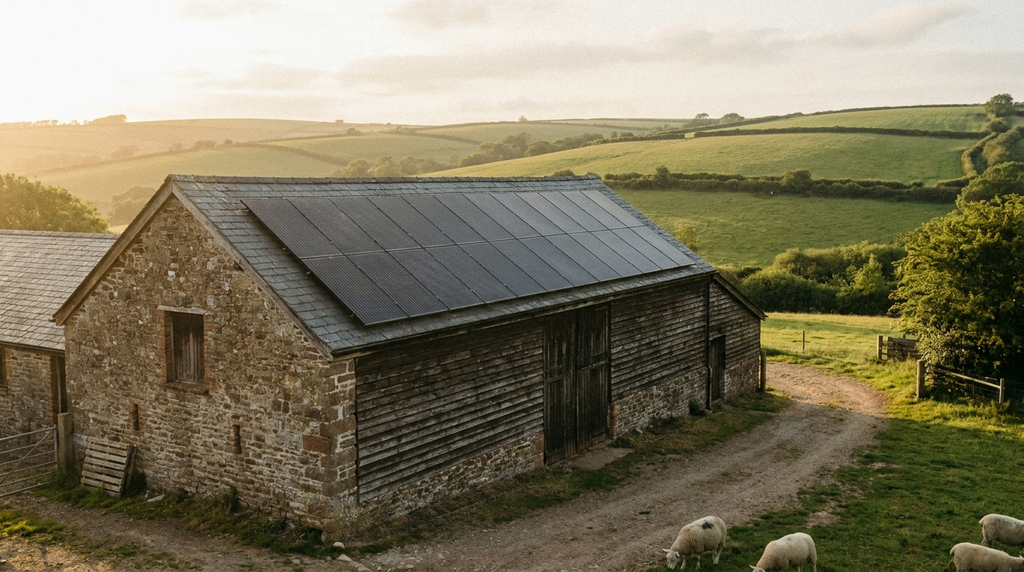
Somerset is genuinely one of the best places in the UK to go solar. The county receives between 1,200 and 1,500 sunshine hours per year, which puts it among the top-performing regions in England. A typical 4kW system on a south-facing roof in Taunton or Yeovil can generate around 3,400 to 3,800 kWh per year. Combined with the Smart Export Guarantee, which pays you for surplus electricity exported to the grid, solar is one of the most reliable eco investments a Somerset homeowner can make.
Heat Pumps
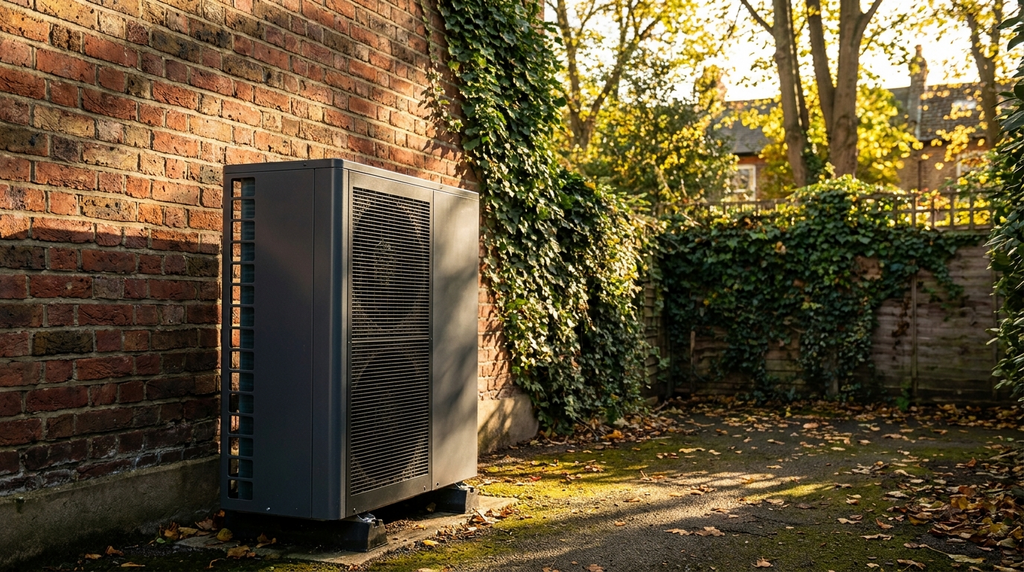
Air source heat pumps work particularly well in Somerset’s milder climate. With heating degree days of only 1,200 to 1,500 per year, well below the national average, your heat pump doesn’t have to work as hard as it would in, say, Yorkshire or Northumberland. This means lower running costs and a longer operational lifespan. For the many rural Somerset homes off the gas grid, an air source heat pump paired with good insulation is often the single most impactful upgrade available.
Insulation
Loft insulation and cavity wall insulation are the quickest wins for most post-war properties in towns like Bridgwater and Weston-super-Mare. For older stone-built homes in the Mendips or around Glastonbury, the picture is more nuanced, internal wall insulation or breathable external insulation systems designed for solid stone walls are often the right approach, and you’ll want a specialist who understands vernacular Somerset construction.
Double and Triple Glazing
Replacing single-glazed windows, still common in older Somerset properties, can meaningfully reduce heat loss and cut draughts. In conservation areas and around listed buildings, there are heritage-sensitive glazing options that meet planning requirements while still improving thermal performance.
Energy Efficiency Upgrades
Smart thermostats, hot water cylinder insulation, draught-proofing, LED lighting, and energy monitoring systems all contribute to a more efficient home. These are often the most cost-effective first steps before committing to larger installations.
Typical Costs and Savings for Eco Improvements in Somerset
Here’s a practical guide to what you can expect to pay, and what you can realistically save, for the most common eco home improvements across different property types in Somerset.
| Improvement | Semi-Detached (typical cost) | Terraced (typical cost) | Detached (typical cost) | Estimated Annual Saving | Approximate Payback Period |
|---|---|---|---|---|---|
| Solar panels (4kW system) | £6,500 to £8,000 | £6,000 to £7,500 | £7,500 to £10,000 | £600 to £900 | 8 to 12 years |
| Air source heat pump | £9,000 to £13,000 | £8,500 to £12,000 | £11,000 to £16,000 | £400 to £800 | 10 to 15 years |
| Loft insulation (top-up) | £300 to £600 | £250 to £500 | £400 to £800 | £150 to £300 | 2 to 4 years |
| Cavity wall insulation | £800 to £1,400 | £600 to £1,100 | £1,200 to £2,000 | £200 to £400 | 3 to 5 years |
| Solid wall insulation (internal) | £7,000 to £12,000 | £6,000 to £10,000 | £10,000 to £18,000 | £300 to £600 | 15 to 25 years |
| Double glazing (full house) | £4,000 to £7,000 | £3,500 to £6,000 | £6,000 to £10,000 | £100 to £250 | 20 to 30 years |
| Battery storage (with solar) | £3,500 to £5,500 | £3,500 to £5,500 | £4,000 to £6,500 | £200 to £400 | 8 to 14 years |
Practical tip, the biggest bang for your buck in Somerset is almost always a combination of loft insulation, cavity wall insulation (if applicable), and solar panels. These three together can realistically reduce your energy bills by 35 to 50 percent in a typical semi-detached or terraced home.
Grants and Funding Available to Somerset Homeowners in 2026
Funding for eco home improvements has evolved significantly, and there’s genuinely useful money available in 2026 if you know where to look. Here’s what Somerset residents should be aware of:
The Boiler Upgrade Scheme
The Boiler Upgrade Scheme (BUS) provides a £7,500 grant towards the cost of an air source heat pump and £7,500 for a ground source heat pump. This is available to homeowners across Somerset regardless of income, provided your home meets basic insulation standards. Given Somerset’s high proportion of off-gas rural properties, this scheme is particularly relevant here, and uptake in the county has been strong.
ECO4
The Energy Company Obligation (ECO4) scheme targets households on lower incomes or receiving qualifying benefits. If you’re eligible, you could receive fully funded insulation, heating upgrades, or even heat pump installation at no cost to you. Somerset Council and Somerset West and Taunton have both been active in directing residents towards ECO4-funded improvements. Your energy supplier or a registered installer can confirm eligibility quickly.
The Great British Insulation Scheme
The Great British Insulation Scheme (GBIS) helps households in EPC Bands D to G access subsidised insulation. Given that the county average in Somerset is Band D, a significant number of homes here qualify. This is separate from ECO4 and available to a broader range of households, including those not on benefits but living in a less efficient property.
Warm Homes – Local Grant
The Warm Homes Local Grant, administered through local authorities, provides funding for low-income households to install heat pumps, insulation, and other energy efficiency measures. Somerset Council and the district councils administer local allocations, it’s worth contacting your local authority directly to ask about current availability, as funding is allocated in tranches and can move quickly.
Smart Export Guarantee
This isn’t a grant but it is real money, once you have solar panels installed, energy suppliers are legally required to pay you for surplus electricity you export to the grid. Rates vary by supplier but typically sit between 4p and 15p per kWh in 2026. For a typical Somerset home generating around 3,500 kWh per year and exporting roughly half of that, this can add up to £70 to £260 per year in income on top of your bill savings.
Planning Permission and Local Authority Considerations Across Somerset
Most eco home improvements in Somerset don’t need planning permission, but there are important exceptions you should know about before you commit to anything.
Which Councils Cover Somerset
Somerset was reorganised into a unitary authority structure, and the main planning authority for most of the county is now Somerset Council, which covers the former districts of Mendip, Sedgemoor, Somerset West and Taunton, and South Somerset. Bath and North East Somerset Council handles planning for Bath and the surrounding area. North Somerset Council covers Weston-super-Mare. These are the bodies you’d approach for planning applications.
Permitted Development, What Usually Doesn’t Need Permission
Under permitted development rights, most solar panel installations, air source heat pumps, and insulation work on standard residential properties do not require planning permission, provided they meet size and siting criteria. Solar panels can typically be installed on roofs without permission as long as they don’t protrude more than 200mm from the roof surface. Air source heat pumps have specific volume and noise rules but usually fall within permitted development.
Conservation Areas, National Parks, and Listed Buildings
This is where Somerset gets complicated in a very Somerset way. Large parts of the county fall within areas that carry additional planning restrictions:
- Exmoor National Park covers the western edge of Somerset including Minehead and surrounding villages. The Exmoor National Park Authority handles planning here, and they have specific requirements around the visual impact of solar panels and external changes to properties.
- Bath is a UNESCO World Heritage Site, and Bath and North East Somerset Council applies strict controls on external alterations to properties, especially in the central historic area. Roof-mounted solar panels on listed buildings in Bath require listed building consent and careful design.
- Conservation areas exist across many Somerset towns including Wells, Glastonbury, Frome, and parts of Taunton. Within these areas, permitted development rights may be restricted, always check with the relevant council before starting work.
- Listed buildings of any grade require listed building consent for most alterations. If your Somerset stone cottage or Georgian townhouse is listed, seek specialist advice before committing to any external eco improvements.
Practical tip, a good local installer will flag planning considerations as part of an initial survey. If they don’t mention it, ask specifically whether your property or location has any restrictions before signing anything.
How Somerset’s Climate Makes It One of the Best Places to Invest in Eco Improvements
Somerset’s geography gives homeowners here a genuinely favourable starting position for several key eco technologies.
The county sits in the south-west of England, enjoying a milder maritime climate than most of the UK. Winters are relatively gentle, with 1,200 to 1,500 heating degree days per year, Somerset homes simply don’t face the prolonged cold snaps that make heating systems work hardest. This has two important consequences for eco improvements.
First, heat pumps perform better here than almost anywhere else in England. Their efficiency (measured as the Coefficient of Performance, or COP) drops in very cold temperatures. Because Somerset rarely sees sustained frost, your heat pump can maintain higher efficiency levels through the winter months, reducing running costs compared with colder regions.
Second, Somerset is genuinely exceptional for solar. The south-west as a whole receives more solar irradiance than anywhere else in the UK, and Somerset sits right in the centre of that sweet spot. A solar panel system here will generate meaningfully more electricity per kilowatt of installed capacity than the same system in the Midlands or the North. The 1,200 to 1,500 sunshine hours per year Somerset enjoys make this one