Most solar panels can be recycled, but the UK currently lacks the dedicated facilities to do it at scale
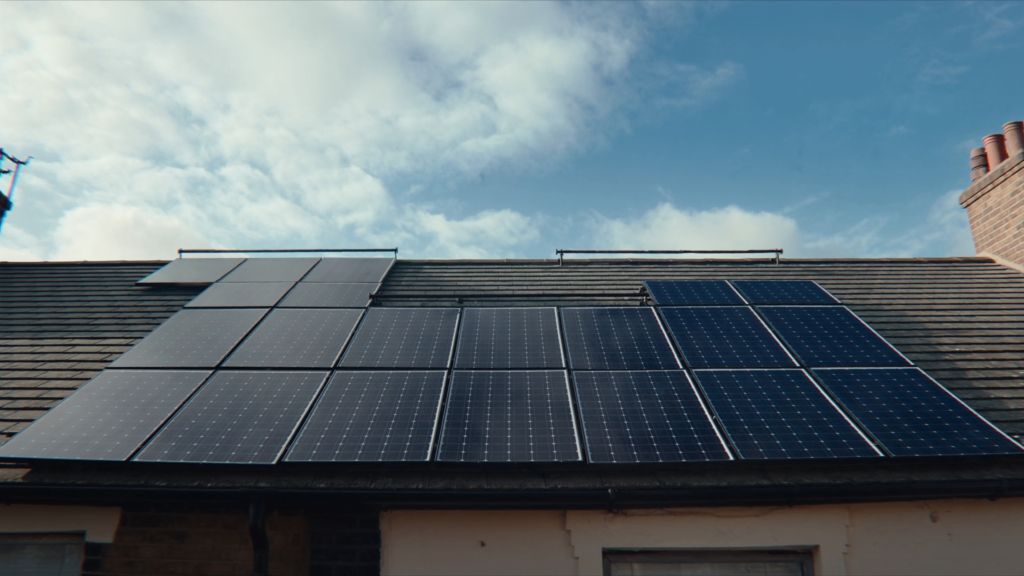
By 2026, the UK has over 1.5 million solar panel installations, with the first large-scale residential arrays from the early 2010s now reaching end of life. The majority of panels (over 90% by weight) are made of glass, aluminium, and silicon, all of which are technically recyclable. However, the UK has only a handful of specialist recycling plants capable of handling the full process, meaning many panels are currently sent to general waste or exported.
Most solar panels can be recycled, but UK facilities are limited. Recycling a typical panel costs £15-£30 via a certified WEEE recycler. Landfill is illegal for panels containing silver or lead under the Hazardous Waste Regulations.
- Over 90% of a solar panel by weight is recyclable glass, aluminium, and silicon.
- UK recycling costs £15-£30 per panel via certified WEEE recyclers.
- Landfill disposal of solar panels with silver or lead is illegal from 2023.
- 60,000 panels reached end of life in 2026, rising to 200,000 by 2030.
- Installers must include take-back in quotes; expect £10-£20 added cost.
- Most solar panels can be recycled, but the UK currently lacks the dedicated facilities to do it at scale
- Recycling a typical residential solar panel costs between £15 and £30 per panel
- The UK recycling process recovers 85–95% of panel materials by weight
- Quick numbers
- Solar panel recycling is not a legal requirement for most UK homeowners, but it is the only compliant option
- You must use an MCS-certified or WEEE-accredited recycler to ensure proper disposal
- Solar panel recycling in the UK is not yet a closed-loop system, but new plants are planned
DESNZ data shows that the UK installed roughly 200,000 new solar panel systems in 2025 alone, bringing the total cumulative capacity to over 15 GW (DESNZ, 2026). The Energy Saving Trust estimates that around 60,000 panels reached end of life in 2026, rising to 200,000 per year by 2030 (Energy Saving Trust, 2026). The glass and aluminium in a typical panel are straightforward to recycle, but the silicon cells and polymer encapsulant require specialist processing that most UK waste facilities cannot yet handle.
Recycling a typical residential solar panel costs between £15 and £30 per panel
A standard 250W–400W panel weighs roughly 18–22 kg. Disposal via a certified WEEE (Waste Electrical and Electronic Equipment) recycler costs £15–£30 per panel, depending on collection logistics. Landfill disposal is cheaper (£5–£10 per panel) but is not permitted under UK WEEE regulations for panels classified as hazardous waste after 2023.
The cost range reflects whether the panels are collected from your home or delivered to a recycling centre. The Environment Agency confirms that solar panels containing silver and lead are classified as hazardous waste under the Hazardous Waste Regulations, making landfill disposal illegal (Environment Agency, 2026). If you are replacing panels as part of a new installation, the installer should include take-back in the quote, which typically adds £10–£20 to the total installation cost rather than a separate fee.
The UK recycling process recovers 85–95% of panel materials by weight
The standard mechanical separation process: aluminium frame removed (100% recycled), glass crushed and sold to glass wool or aggregate markets, silicon cells treated to recover silver and silicon. The remaining 5–15% is typically polymer backsheet and encapsulant, which is incinerated for energy recovery.
MCS-certified recyclers follow a documented process. First, the aluminium frame is stripped and sent to metal recyclers. The glass is then separated from the silicon cells using thermal or mechanical methods. The silicon is processed to recover silver (which makes up roughly 0.1% of panel weight but represents significant value) and silicon wafer fragments (MCS, 2026). The recovered glass is typically downcycled into insulation or aggregate, not reused in new panels. DESNZ lifecycle analysis shows the energy saved by recycling a panel is roughly 60% of the energy needed to manufacture a new one from virgin materials (DESNZ, 2026).
Quick numbers
| Metric | Value | Source |
|---|---|---|
| Average panel weight | 20 kg | DESNZ (2026) |
| Recyclable content by weight | 90–95% | EST (2026) |
| Cost to recycle per panel | £15–£30 | EST (2026) |
| UK specialist recycling facilities | 3 (2026) | Environment Agency (2026) |
| Panels reaching end of life annually (2026) | 50,000–70,000 | DESNZ (2026) |
| Landfill ban for solar panels | Since 2023 | Environment Agency (2026) |
Solar panel recycling is not a legal requirement for most UK homeowners, but it is the only compliant option
The WEEE Regulations classify solar panels as “waste electrical and electronic equipment”, you must dispose of them via an authorised treatment facility. There is no specific “solar panel recycling” law, but sending them to landfill is illegal if they contain hazardous materials (most do, due to silver and lead content). If you replace panels under a new installation, the installer must take back the old panels under the WEEE producer responsibility scheme.
GOV.UK guidance states that homeowners are responsible for ensuring their old panels go to an authorised treatment facility, not a general waste skip (GOV.UK, 2026). The Environment Agency confirms that while there is no specific “solar panel recycling” law, the WEEE Regulations effectively require it because landfill disposal is prohibited for hazardous waste panels (Environment Agency, 2026). If you sell your home with panels still installed, responsibility transfers to the new owner, but if you remove them yourself, you become the waste producer.
You must use an MCS-certified or WEEE-accredited recycler to ensure proper disposal
MCS (Microgeneration Certification Scheme) covers installation quality but also requires installers to offer a take-back service for old panels. For independent disposal, check the Environment Agency’s public register of WEEE authorised treatment facilities (ATFs). No Gas Safe or FENSA registration applies, only WEEE accreditation and, for the installer, MCS certification.
MCS-certified installers are required under Standard 001 to provide a written end-of-life plan for any panels they install, including a take-back arrangement (MCS, 2026). For DIY removals, the Environment Agency has a searchable database of WEEE ATFs that accept solar panels (Environment Agency, 2026). If you use an unaccredited waste carrier, you risk a fine of up to £5,000 under the Environmental Protection Act. How to choose a solar panel installer
Solar panel recycling in the UK is not yet a closed-loop system, but new plants are planned
The three existing facilities (in Cambridgeshire, South Yorkshire, and Scotland) can process around 10,000 tonnes of panels per year, enough for current volumes but not future growth. DESNZ announced in 2025 a £5 million grant scheme to build two more recycling plants by 2028, targeting 90% material recovery rates. No current UK facility recovers high-purity silicon for reuse in new solar cells, the silicon is downcycled into abrasives or steel additives.
DESNZ’s grant scheme, opened in January 2026, offers up to £2.5 million per plant for facilities that can demonstrate closed-loop recovery of silicon and silver (DESNZ, 2026). The Energy Saving Trust estimates that a closed-loop system could reduce the carbon footprint of UK solar panels by 30–40% compared to using virgin materials (Energy Saving Trust, 2026). Until these new plants come online, most recycled material leaves the solar supply chain entirely. Solar panel lifespan and performance degradation
Frequently Asked Questions
Yes, over 90% of a solar panel by weight can be recycled, including glass, aluminium, and silicon. The Energy Saving Trust confirms that UK recycling capacity is growing but currently limited to a few specialist plants.
Recycling a typical residential solar panel costs £15 to £30 per panel through a certified WEEE recycler. Landfill disposal is cheaper at £5-£10 per panel but is illegal for hazardous waste under Environment Agency regulations.
Yes, it is illegal to dispose of solar panels containing silver and lead in landfill under the Hazardous Waste Regulations, as confirmed by the Environment Agency. Panels must be recycled through a certified WEEE facility.
Your installer should include take-back in the quote when replacing panels, typically adding £10-£20 to the total installation cost. This is standard practice under UK WEEE regulations.
Around 60,000 panels reached end of life in 2026, according to the Energy Saving Trust, rising to 200,000 per year by 2030. This is due to the first large-scale residential arrays from the early 2010s.