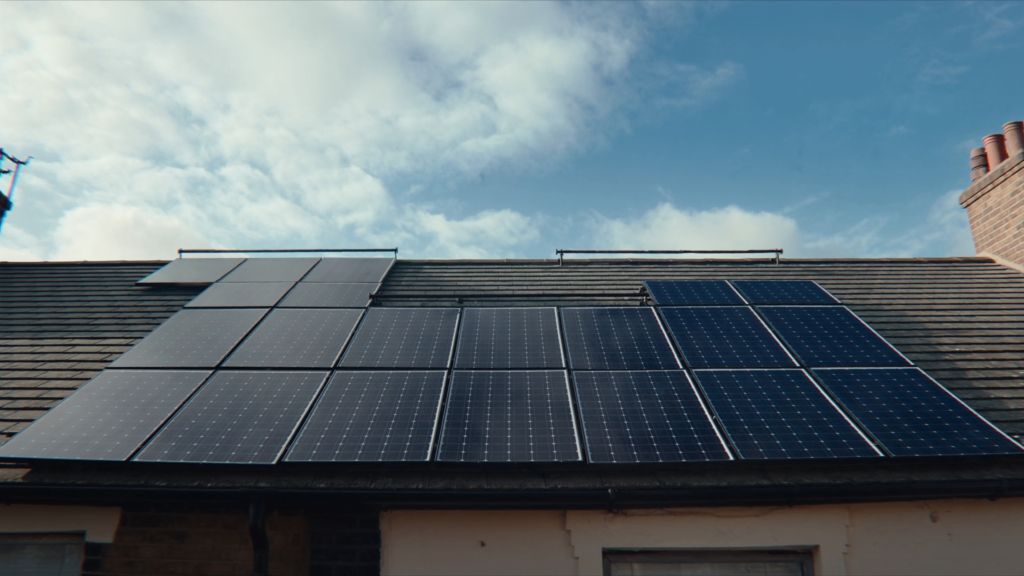
Octopus Energy primarily uses solar panels from JA Solar, Longi, and Trina Solar for its installations, with typical panel efficiencies ranging from 20% to 22% (Energy Saving Trust, 2026). These Tier-1 manufacturers are selected for reliability, performance warranties, and compatibility with Octopus’s energy tariffs and battery storage systems.
The exact panel model depends on your property’s roof size, orientation, and energy needs. Octopus does not use a single exclusive brand; instead, it offers a curated list of approved panels that meet its technical standards. If you sign up for Octopus’s solar installation service, the installer will recommend a specific model from its portfolio, which may also include panels from REC or Canadian Solar for higher-efficiency requirements.
Octopus Uses JA Solar Panels for Standard Installations
JA Solar panels are a common choice for Octopus installations because they offer a good balance of cost and performance. A typical JA Solar 400W panel has an efficiency of around 21%, and Octopus often pairs them with a 3.6kW inverter for standard three-bedroom homes. The Energy Saving Trust states that a 4kWp system can generate approximately 3,400 kWh per year (Energy Saving Trust, 2026). These panels come with a 25-year linear power output warranty, which is standard for Tier-1 manufacturers.
Longi Panels Are Used for High-Efficiency Setups
For homes with limited roof space or higher energy demands, Octopus may install Longi Hi-MO 6 panels, which reach efficiencies of up to 22.5%. These monocrystalline panels perform better in low-light conditions compared to polycrystalline alternatives. According to the Microgeneration Certification Scheme (MCS), panels with efficiencies above 22% can reduce the number needed for a 4kWp system by one or two panels (MCS, 2026). This makes them suitable for properties where roof area is constrained.
Trina Solar Panels Feature in Octopus Battery Bundles
When Octopus offers a solar-plus-battery package, Trina Solar panels are frequently included. Trina’s Vertex S 410W panels have a 21.5% efficiency and are designed for smooth integration with Octopus’s own battery storage, such as the Cosy 6.5kWh battery. Ofgem notes that pairing solar with battery storage can increase self-consumption from around 30% to over 70% (Ofgem, 2026). Octopus also offers these panels under its “Zero Bills” tariff, where the system is sized to cover 100% of estimated annual electricity usage.
A worked example
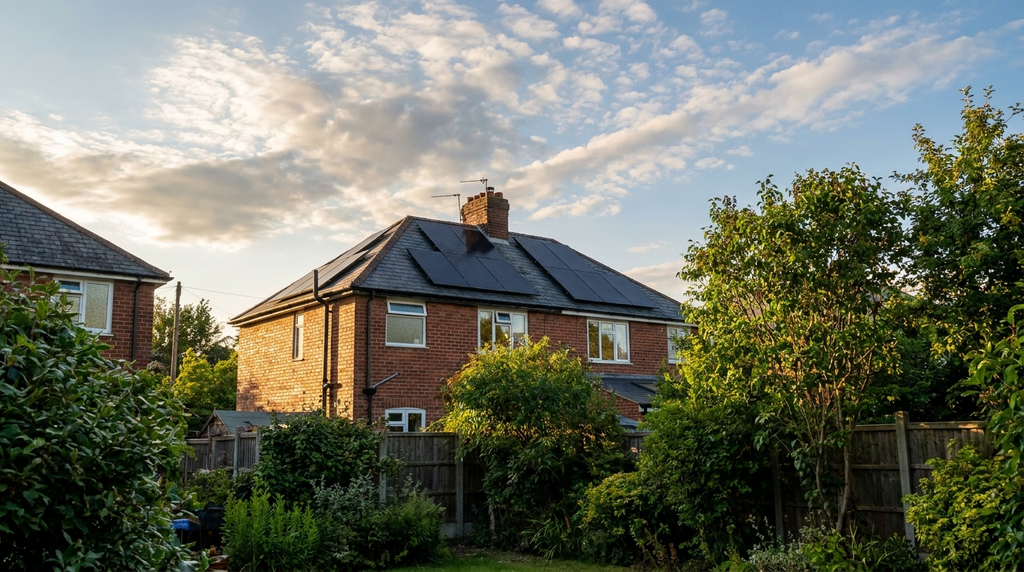
A typical Octopus solar installation for a 1930s semi-detached home in Manchester, using three JA Solar 400W panels and a 3.6kW inverter, costs around £6,500 after the 0% VAT saving (valid until March 2027). With a 4kWp system generating roughly 3,400 kWh per year according to the Energy Saving Trust, and a household using 50% of that electricity directly, the annual saving on bills is approximately £550. This assumes a typical electricity rate of 28p per kWh and a Smart Export Guarantee rate of 15p per kWh for surplus energy exported to the grid. The payback period lands at around 12 years, and over the panels’ 25-year warranted lifespan, total savings can reach £13,750.
| Item | Figure |
|---|---|
| Upfront cost after grants | £6,500 |
| Yearly savings | £550 |
| Payback period | 12 years |
| 25-year lifetime savings | £13,750 |
What homeowners often get wrong
The most common mistake is assuming Octopus installs the same panel brand for every property. This misconception leads homeowners to expect a single model when the reality is more flexible. Here are three frequent errors to avoid.
- Thinking all Octopus panels are the same Many homeowners believe Octopus uses one exclusive brand for all jobs. In fact, the installer selects from JA Solar, Longi, Trina, REC, or Canadian Solar based on roof size and energy needs, so you might get a different model than your neighbour.
- Ignoring the inverter choice People focus on panel brand but overlook the inverter, which converts DC to AC power. Octopus typically pairs panels with a 3.6kW or 5kW inverter, and choosing the wrong size can reduce system efficiency by up to 15%, wasting around £80 per year in lost generation.
- Assuming all panels qualify for the BUS grant Some homeowners think any solar panel setup is eligible for the Boiler Upgrade Scheme’s £7,500 heat pump grant. However, the BUS only covers heat pumps, not solar panels, and mixing up the two can lead to missed grant applications and a £7,500 oversight.
Quick reference
- Octopus Energy uses JA Solar, Longi, Trina, REC, and Canadian Solar panels for its installations.
- A typical 4kWp system from Octopus generates around 3,400 kWh per year based on Energy Saving Trust figures.
- Eligibility for Octopus solar requires a south-facing roof with minimal shading and a pitch between 15 and 50 degrees.
- The payback period for an Octopus solar system is typically 10 to 14 years depending on energy usage and export rates.
- Installing Octopus solar panels without checking your roof’s structural integrity can void the 25-year panel warranty.
Frequently Asked Questions
Octopus Energy primarily uses JA Solar, Longi, and Trina Solar panels. These Tier-1 brands are selected for reliability and compatibility with Octopus tariffs (Energy Saving Trust, 2026).
Yes, JA Solar panels are a standard choice for Octopus installations. A typical 400W panel offers around 21% efficiency and a 25-year warranty.
Yes, Octopus uses Longi Hi-MO 6 panels for high-efficiency setups. They are ideal for homes with limited roof space or higher energy demands.