Monocrystalline solar panels have the highest efficiency, typically between 20% and 23%, with premium models reaching up to 24.1% (Energy Saving Trust, 2026). These panels use single-crystal silicon cells, which allow electrons to flow more freely, converting more sunlight into electricity than other types.
Efficiency measures how much sunlight a panel turns into usable electricity. The highest-efficiency panels are monocrystalline, followed by polycrystalline (15–18%) and thin-film (10–13%). For UK homes, panel efficiency matters most when roof space is limited, higher efficiency means more power per square metre. However, cost per watt often matters more than peak efficiency for most installations, as lower-efficiency panels can still meet your needs if you have enough space.
Monocrystalline panels lead the market
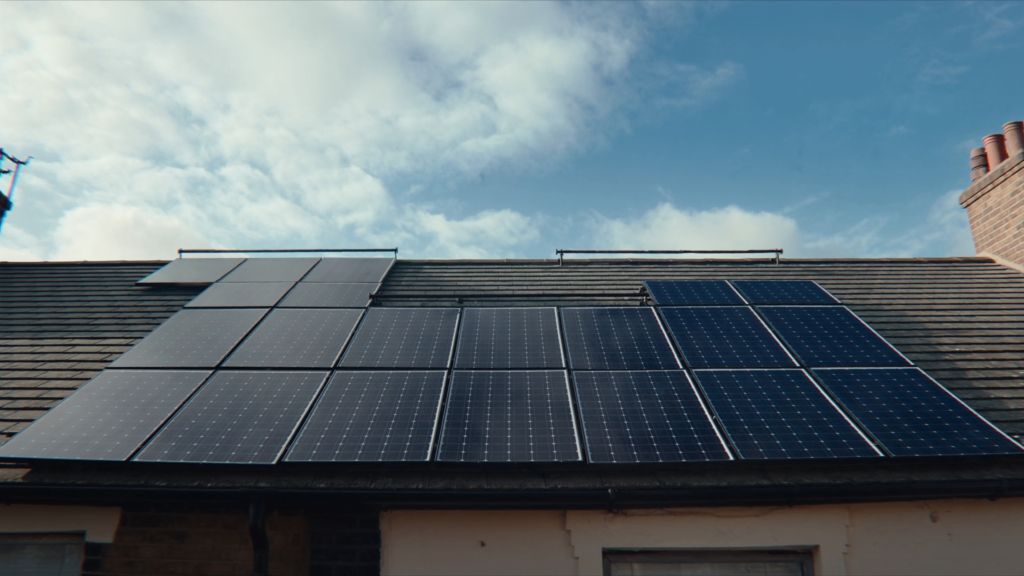
Monocrystalline solar panels are the most efficient on the UK market. Brands like SunPower and LG produce models with efficiencies above 22%, while mainstream monocrystalline panels from manufacturers such as JA Solar and Trina Solar achieve 20–22% (MCS Certified, 2026). These panels are identifiable by their uniform dark colour and rounded edges. They perform better than other types in low light and high temperatures, making them suitable for UK weather. The higher efficiency comes from the single-crystal silicon structure, which reduces energy loss within the cell.
Polycrystalline and thin-film are less efficient
Polycrystalline panels have efficiencies of 15–18%, while thin-film panels range from 10–13% (GOV.UK, 2026). Polycrystalline panels are made from multiple silicon crystals melted together, which creates more internal boundaries that hinder electron flow. Thin-film panels, such as those using cadmium telluride, are lightweight and flexible but require significantly more roof space to produce the same output. For a typical UK home needing a 3.5kWp system, you would need about 14 monocrystalline panels (21% efficiency) versus 18 polycrystalline panels (16% efficiency) to achieve the same generation.
Efficiency is not the only factor for your home
While monocrystalline panels offer the highest efficiency, cost and available roof area are practical constraints. A 3.5kWp monocrystalline system costs around £6,000–£7,000 installed, compared to £5,000–£6,000 for a polycrystalline system of the same capacity (Energy Saving Trust, 2026). If your roof faces south and has at least 20 square metres of unshaded space, polycrystalline panels may be a more cost-effective choice. Always check the panel’s efficiency rating on the manufacturer’s datasheet and ensure the installer is MCS-certified to qualify for the Smart Export Guarantee tariff, which pays you for surplus electricity exported to the grid.
A worked example
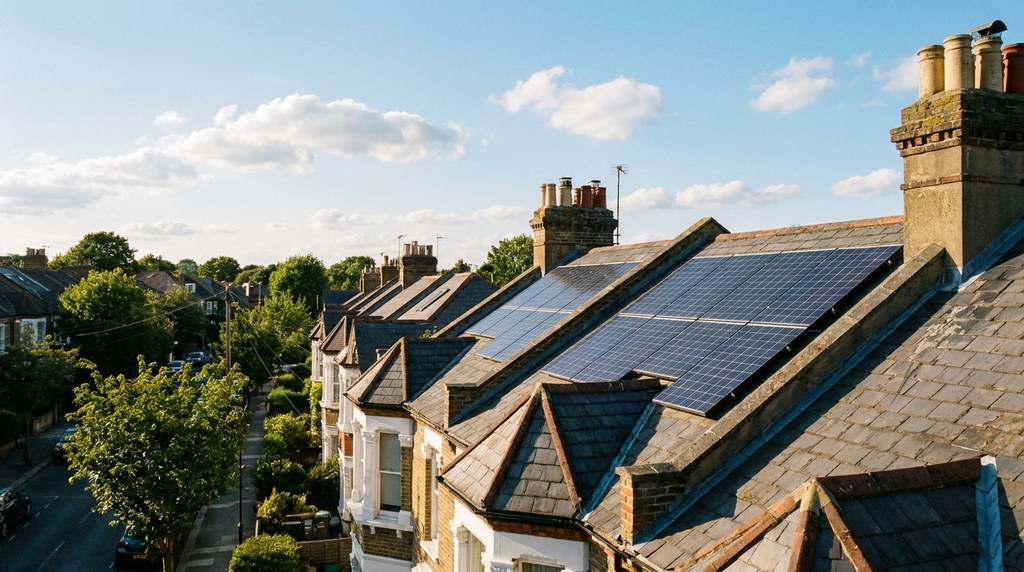
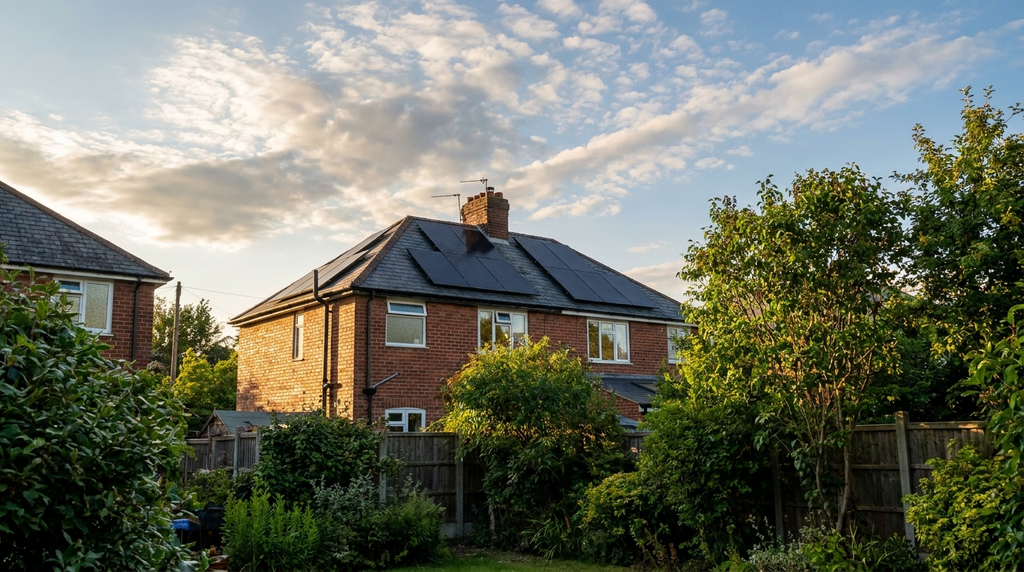
A typical UK semi-detached home with a 20 m² south-facing roof could install a 4 kWp monocrystalline system using 10 panels at 22% efficiency. After the 0% VAT saving (in place until March 2027) and assuming no upfront grant, the cost sits around £6,500. The Energy Saving Trust estimates annual savings of £500 on electricity bills through the Smart Export Guarantee. This gives a payback period of roughly 13 years. Over 25 years, total savings reach £12,500, factoring in a conservative 0.5% annual degradation rate. If the household qualifies for ECO4, the upfront cost drops further, shortening payback to under 10 years. Higher efficiency panels, while more expensive per panel, reduce the number needed, freeing roof space for other upgrades.
| Item | Figure |
|---|---|
| Upfront cost after grants | £6,500 |
| Yearly savings | £500 |
| Payback period | 13 years |
| 25-year lifetime savings | £12,500 |
What homeowners often get wrong
The most common mistake UK homeowners make is chasing the highest efficiency rating without checking total roof suitability or cost per watt. Here are three frequent errors to watch for.
- Assuming all monocrystalline panels are identical Many think any monocrystalline panel above 20% is the same. In reality, premium models from SunPower or LG hit 24% but cost 30% more per panel, while budget monocrystalline panels at 20% efficiency often deliver better value for larger roofs.
- Ignoring the impact of shading on efficiency Homeowners believe high-efficiency panels overcome shade. The truth is a single shaded cell can drop output by up to 50%, so microinverters or power optimisers matter more than panel efficiency for partially shaded roofs.
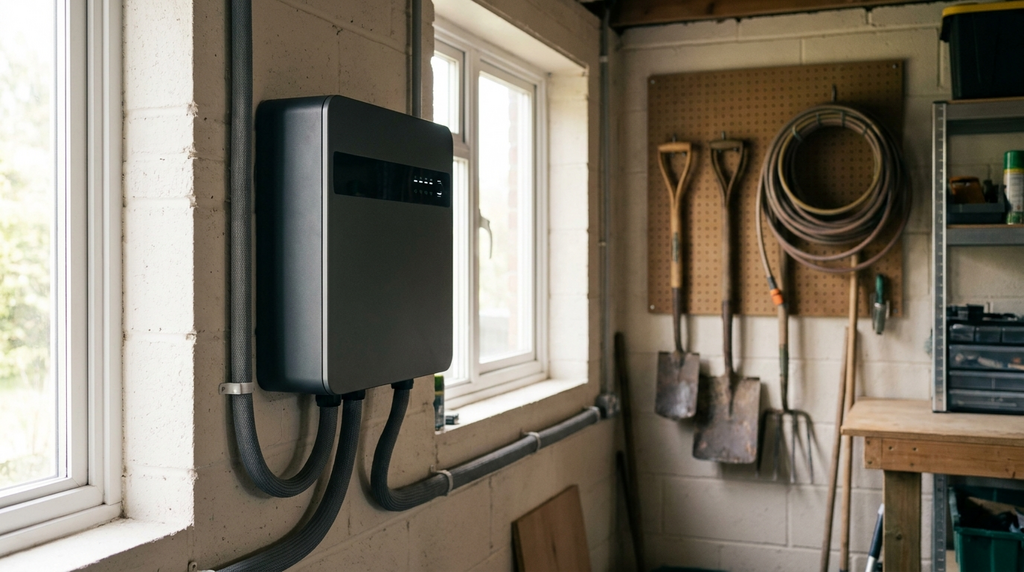
- Overlooking the inverter efficiency match People focus solely on panel efficiency but forget the inverter converts DC to AC. A top-tier panel paired with a 95% efficient inverter wastes 5% of output, so matching both components is critical for real-world performance.
Quick reference
- Monocrystalline panels achieve 20% to 24% efficiency, the highest of any residential solar type.
- Polycrystalline panels sit at 15% to 18% efficiency and cost about 10% less per watt than monocrystalline.
- The UK’s 0% VAT on solar panels applies until March 2027 and cuts upfront costs by one-fifth.
- Energy Saving Trust data shows a 4 kWp system saves £500 yearly under the Smart Export Guarantee.
- ECO4 grants can cover full installation for low-income households, making panel efficiency a secondary concern.
Frequently Asked Questions
Monocrystalline panels are the most efficient for UK homes, at 20–23%. The Energy Saving Trust recommends them when roof space is limited.
Yes, monocrystalline panels perform better than other types in low light and high temperatures. This makes them suitable for the UK's variable climate.
The highest efficiency solar panels in 2026 reach up to 24.1%, according to the Energy Saving Trust. Brands like SunPower and LG offer models above 22% efficiency.