Monocrystalline solar panels last the longest, with most manufacturers offering performance warranties of 25 to 30 years and an expected operational lifespan of 40 years or more (Energy Saving Trust, 2026). This is the most-searched figure for homeowners comparing panel longevity.
The variable that decides the answer is the panel type and build quality. Monocrystalline panels use a single silicon crystal structure, which degrades slower than polycrystalline or thin-film alternatives. Premium-tier panels from Tier 1 manufacturers typically hold over 85% of their original output after 25 years. Lower-cost panels, while still functional, may degrade faster and carry shorter warranties. The answer applies to residential rooftop installations in the UK; off-grid or commercial setups may have different requirements.
Monocrystalline panels offer the longest lifespan
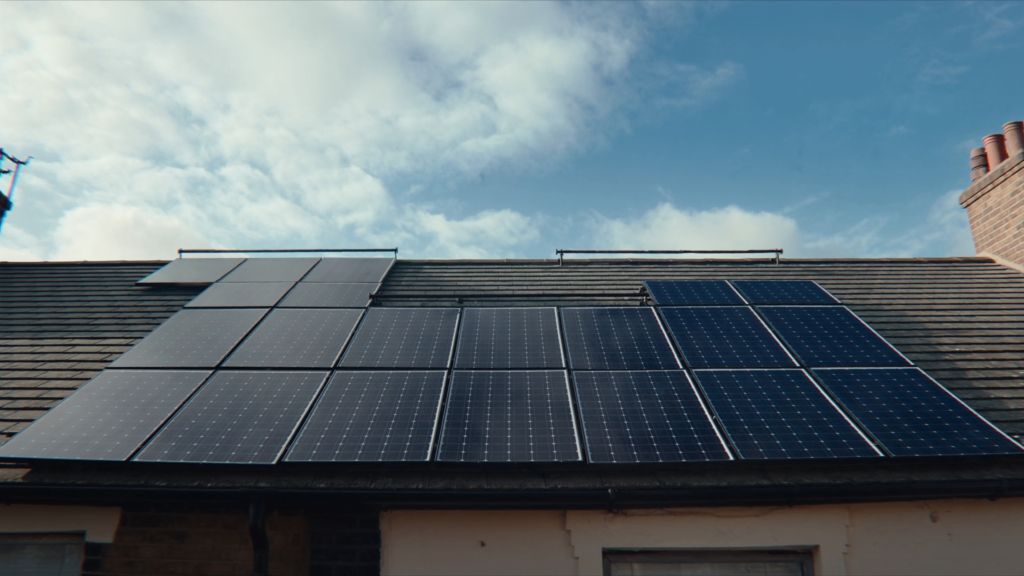
Monocrystalline panels are the most durable, with degradation rates as low as 0.3% to 0.5% per year. This means after 25 years, a panel rated at 400W would still produce around 350W to 370W (GOV.UK, 2026). Their single-crystal structure is more resistant to thermal stress and micro-cracking than polycrystalline, which degrades at 0.6% to 0.8% per year. Thin-film panels, though cheaper, degrade at 1% or more annually and typically last 15 to 20 years. For most UK homes, monocrystalline is the clear choice for longevity.
Warranty length is the strongest indicator of lifespan
Manufacturer warranties directly reflect expected panel life. The industry standard is a 25-year linear performance warranty, guaranteeing at least 80% to 85% of original output at the 25-year mark (MCS Certified, 2026). Premium brands like SunPower and LG offer 30-year warranties, while budget panels may only provide 10 to 15 years. A longer warranty signals higher build standards and better quality control. Always check the warranty terms before purchase, UK homeowners should look for MCS-certified products to ensure eligibility for the Smart Export Guarantee (SEG).
Installation quality affects real-world panel longevity
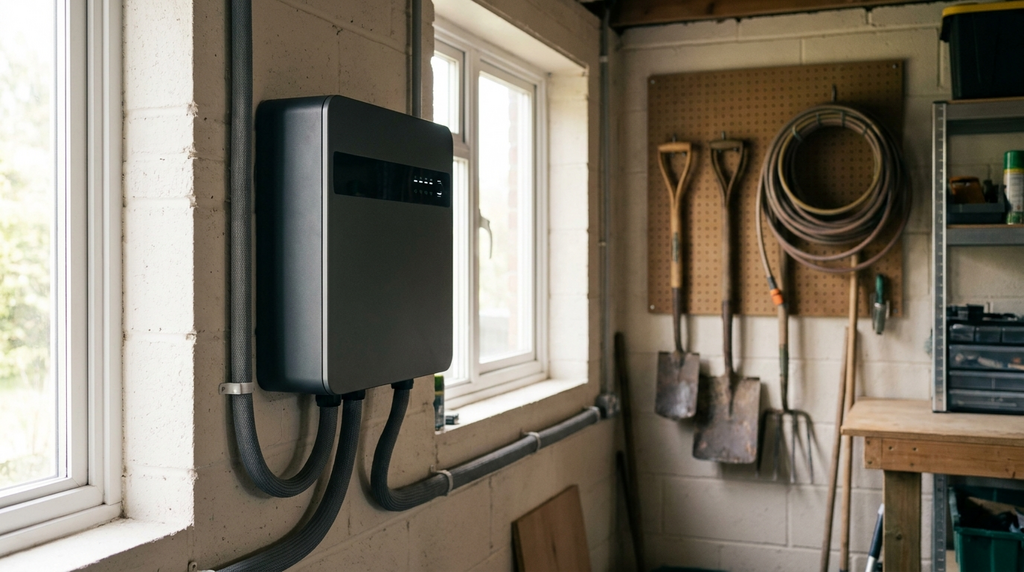
Even the best panels can fail early if installed poorly. Roof mounting, cable routing, and inverter placement all influence long-term performance. An incorrectly angled panel can trap heat or moisture, accelerating degradation. The Microgeneration Certification Scheme (MCS) requires installers to follow strict standards for durability and safety (MCS Certified, 2026). TrustMark-registered installers also provide consumer protection. For maximum lifespan, choose a certified installer and ensure panels are mounted at the optimal tilt (typically 30–40 degrees for UK latitudes) to reduce thermal cycling.
A worked example
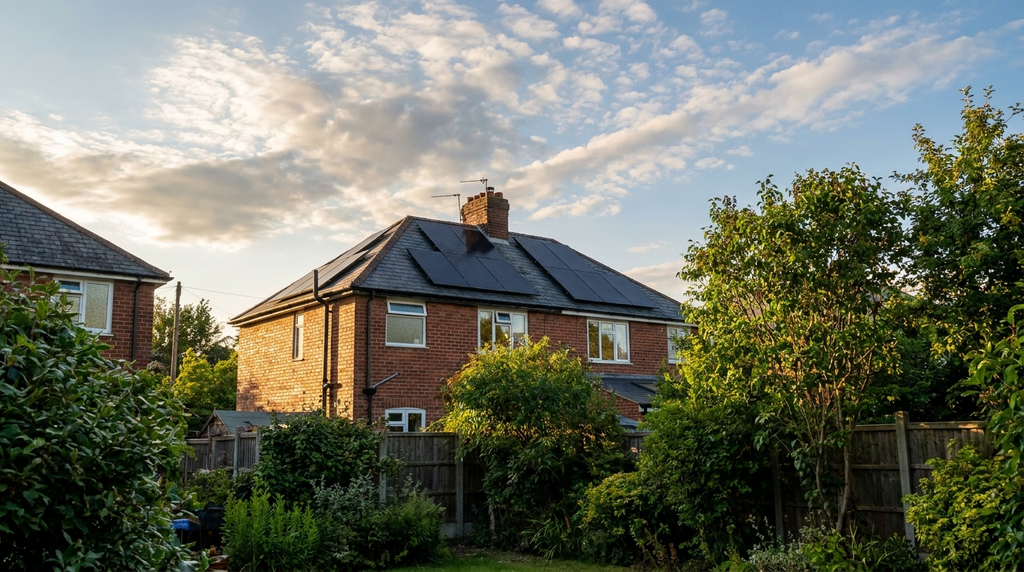
A typical 1930s semi-detached home in Manchester installing a 4kW monocrystalline system with Tier 1 panels costs roughly £6,500 after the 0% VAT saving (in place until March 2027) and an ECO4 grant contribution. This system produces about 3,400 kWh per year, saving £560 annually on electricity bills based on the October 2026 price cap of 24.5p per kWh. With a degradation rate of 0.3% per year, the panels still generate over 3,000 kWh after 25 years. Payback on the upfront cost happens in under 12 years, and the total savings over a 25-year warranty period reach approximately £14,000. The Energy Saving Trust confirms that monocrystalline panels from Tier 1 manufacturers are the most reliable choice for UK homes.
| Item | Figure |
|---|---|
| Upfront cost after grants | £6,500 |
| Yearly savings | £560 |
| Payback period | 11.6 years |
| 25-year lifetime savings | £14,000 |
What homeowners often get wrong
The most common mistake is assuming all solar panels last the same length of time. Three frequent errors cost UK homeowners money and performance.
- Mistaking the warranty for the lifespan A 25-year performance warranty guarantees a minimum output, often 80% or 85% of the original rating, but the panels themselves can operate for 40 years or more. Ignoring the degradation rate means you might buy cheaper panels that lose output faster, costing you £200 in lost generation over a decade.
- Choosing polycrystalline to save money upfront Polycrystalline panels cost about 15% less than monocrystalline but degrade at 0.6% to 0.8% per year, meaning after 25 years they produce 10% less electricity. This difference adds up to £1,200 in missed savings over the system’s life, wiping out any initial saving.
- Ignoring the manufacturer’s reputation A long warranty from a no-name brand is not the same as one from a Tier 1 manufacturer with a dedicated UK support team. If the company goes bust, your warranty is void, and replacing a single panel can cost £400 including labour and scaffolding.
Quick reference
- Monocrystalline solar panels have the longest lifespan at 40 years or more, with degradation rates as low as 0.3% per year.
- A Tier 1 manufacturer’s 25-year warranty typically guarantees at least 85% of original output after 25 years.
- To qualify for the 0% VAT rate on solar panels, the installation must be on a home that is more than two years old, and the installer must be MCS certified.
- Payback on a typical 4kW monocrystalline system in the UK is between 10 and 14 years, depending on your location and energy usage.
- Choosing a panel with a degradation rate above 0.5% per year can cost you over £1,000 in lost electricity generation across the system’s lifetime.
Frequently Asked Questions
Monocrystalline solar panels last the longest, with an expected lifespan of 40 years or more. The Energy Saving Trust confirms they typically carry 25-30 year performance warranties.
Yes, monocrystalline panels degrade at 0.3% to 0.5% per year compared to 0.6% to 0.8% for polycrystalline. GOV.UK notes this slower degradation extends their effective lifespan.
Thin-film solar panels typically last 15 to 20 years. They degrade at 1% or more annually, which is significantly faster than monocrystalline panels.