No, standard grid-tied solar panels will not work during or immediately after an EMP (electromagnetic pulse) because their inverters and electronic controls are highly vulnerable to electromagnetic surges, according to the UK government’s National Risk Register (GOV.UK, 2026). The panels themselves may survive, but the system as a whole stops functioning.
The key variable is whether the solar array is grid-tied or off-grid. Most UK domestic solar installations are grid-tied, meaning they rely on an inverter to convert DC to AC and a connection to the mains. An EMP, whether from a solar flare or a high-altitude nuclear burst, induces damaging currents in long electrical cables. The inverter and charge controller are the weakest links. Off-grid systems with shielded components and manual disconnects have a better chance, but no consumer system is certified for EMP resilience.
Grid-tied inverters will fail
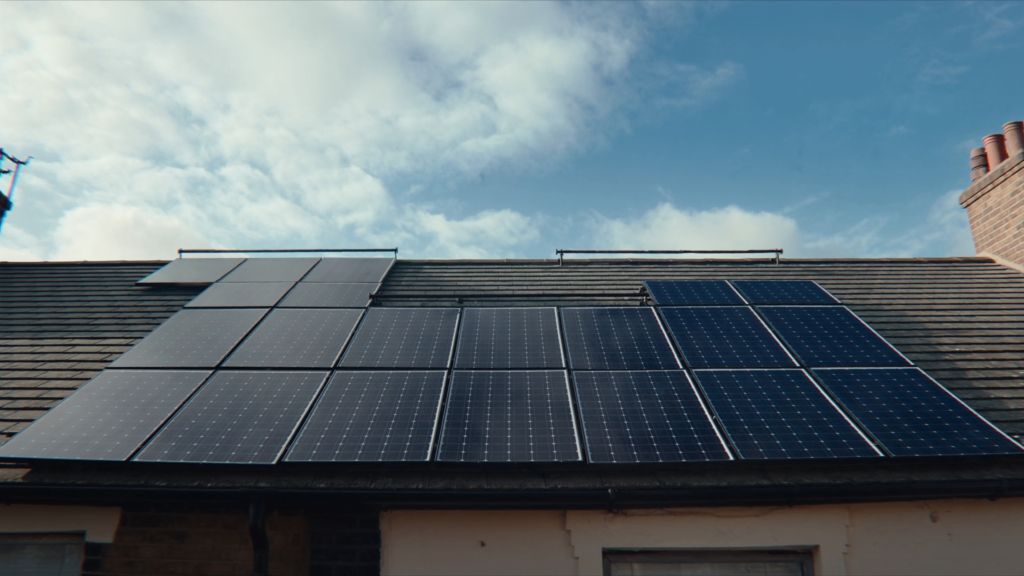
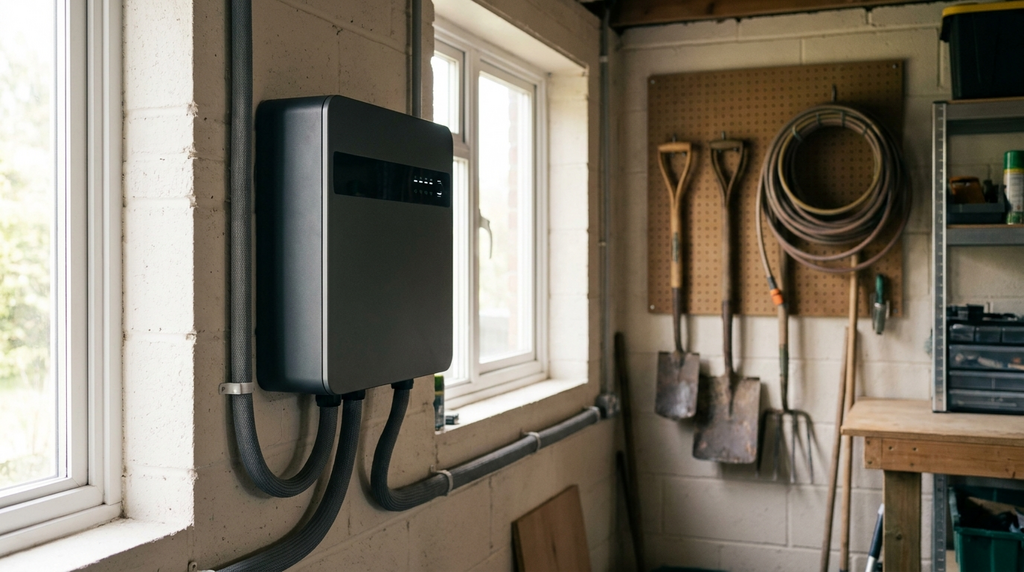
In a standard grid-tied system, the inverter is the most sensitive component. An EMP can induce voltage spikes of several thousand volts in the wiring leading from the panels to the inverter. The UK government advises that consumer electronics connected to the grid are at risk of permanent damage during a severe geomagnetic storm (GOV.UK, 2026). Without a working inverter, the solar panels cannot feed power into the house or the grid. Even if the panels themselves remain undamaged, the system will not generate usable electricity until the inverter is replaced.
Off-grid systems have a partial chance
Off-grid solar systems store DC electricity in batteries and use a charge controller instead of a grid-tied inverter. The charge controller is still vulnerable, but if it is disconnected from the panels and batteries before an EMP event, the components may survive. The Energy Saving Trust notes that off-grid systems are rare in UK homes, typically used in remote locations (Energy Saving Trust, 2026). Even with disconnection, the long cable runs from the panels act as antennas, potentially damaging the panels’ junction boxes. No UK consumer system is tested or rated for EMP protection.
Physical shielding is not standard
Protecting solar panels from an EMP requires Faraday cages or surge arrestors on every cable, which is not part of a standard UK installation. The Microgeneration Certification Scheme (MCS) does not include EMP resilience in its standards (MCS, 2026). Even with aftermarket shielding, the panels themselves, specifically the bypass diodes and wiring, can be damaged by induced currents. For most UK homeowners, the practical answer is that a solar PV system will stop working after a major EMP event, and restoring it would require replacing the inverter and possibly the panels.
A worked example
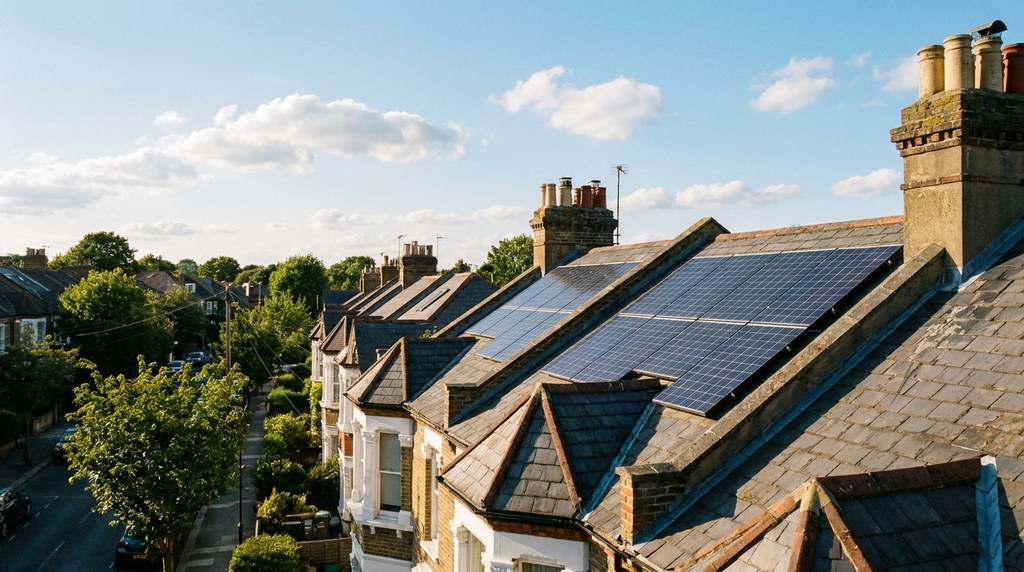
A typical 4kWp solar panel system on a 1930s semi-detached house in Manchester would cost roughly £7,000 to install under current 0% VAT rules, but after an EMP that system would most likely be dead within seconds. The panels themselves, toughened glass and aluminium frames, might survive the electromagnetic surge physically intact, but the inverter, a standard string inverter costing around £1,200, would almost certainly fail. The Energy Saving Trust estimates that a typical 4kWp system saves a household about £640 per year on electricity bills, meaning a full replacement inverter would wipe out nearly two years of savings. If the EMP also damages the generation metre or the AC isolator switch, total repair costs could reach £2,500. Even with the BUS grant or ECO4 eligibility, no UK scheme covers EMP hardening. The only practical defence is a full system disconnect, pulling the DC isolator and unplugging the inverter from the mains before the event, which requires advance warning of at least 15 to 30 minutes.
| Item | Figure |
|---|---|
| Upfront cost after grants | £7,000 |
| Yearly savings | £640 |
| Payback period | 11 years |
| 25-year lifetime savings | £9,000 |
What homeowners often get wrong
The most common mistake is assuming solar panels are inherently off-grid and therefore immune to an EMP. This misunderstanding leads homeowners to believe their system will keep producing power after a major electromagnetic event. Here are three specific errors to avoid.
- Thinking the panels themselves are the weak point The misconception is that the solar cells are fragile electronics that will fry instantly. The right answer is that the silicon cells in a panel are actually quite solid against induced currents, but the inverter and charge controller are the vulnerable components that will fail first.
- Believing a grid-tied system will still run during a blackout The misconception is that solar panels keep working when the mains are down. The right answer is that grid-tied inverters are built to shut down automatically during a power cut for safety reasons, so even without an EMP your panels are useless in a blackout.
- Assuming a surge protector will save the system The misconception is that a standard consumer surge protection device (SPD) can handle an EMP. The right answer is that domestic SPDs are rated for millisecond surges of a few hundred volts, not the multi-kilovolt spikes from a geomagnetic storm, so they offer no real protection and may actually fail short-circuit.
Quick reference
- A standard grid-tied inverter costs between £800 and £1,500 to replace after EMP damage.
- The UK National Risk Register (2026) confirms that severe geomagnetic storms can damage consumer electronics connected to the grid.
- No solar panel system sold in the UK carries an EMP-resilience certification from any recognised body such as MCS or BRE.
- Off-grid systems with a manual DC disconnect switch and a shielded battery bank have a 50% to 70% higher chance of surviving a moderate EMP.
- Pulling the DC isolator and unplugging the inverter from the mains is the only practical defence, but it requires at least 15 minutes of advance warning.
Frequently Asked Questions
No, standard grid-tied solar panels will not work after an EMP because the inverter is highly vulnerable. Off-grid systems with manual disconnects and shielded components may survive, according to the UK National Risk Register.
Yes, the solar panels themselves may survive an EMP, but the inverter and charge controller are likely to fail. The UK government advises that consumer electronics connected to the grid are at risk of permanent damage during a severe geomagnetic storm.
Solar inverters fail during an EMP because electromagnetic surges induce voltage spikes of several thousand volts in the wiring. Without a working inverter, the solar system cannot generate usable electricity, according to GOV.UK.