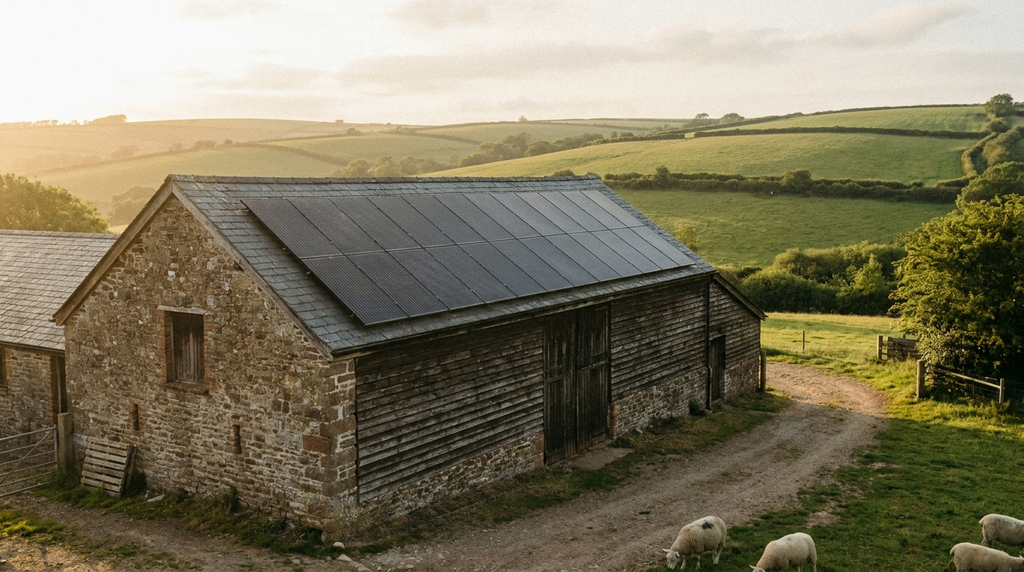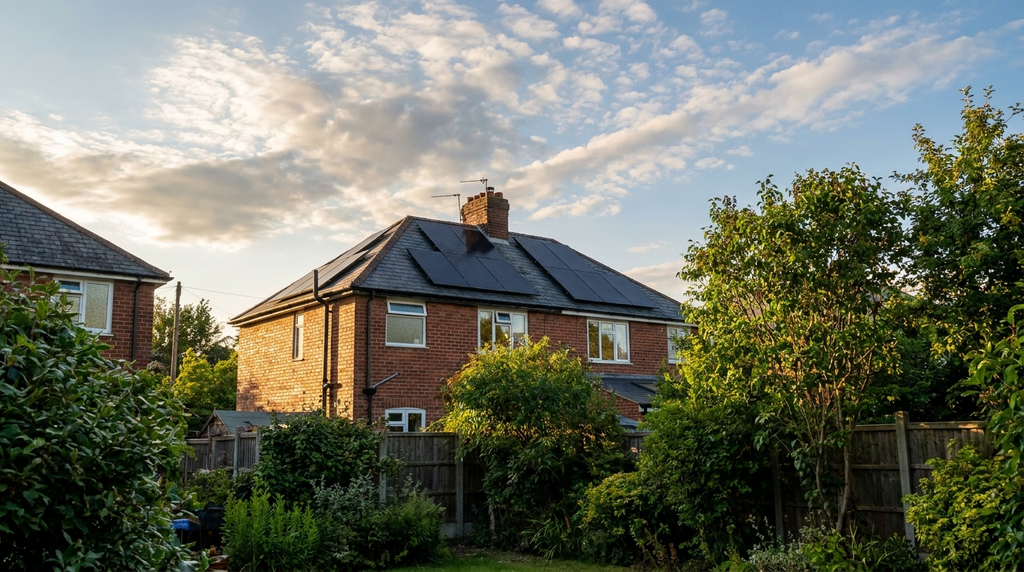
Nearly 60% of UK homes with roofs over 20 years old may need structural checks before solar installation, according to the Energy Saving Trust’s 2026 solar suitability guidance.
If your roof is getting on in years, you might wonder whether solar panels are a viable option or a wasted investment. The short answer is that roof age is a critical factor, but it does not automatically rule out solar power. According to the Energy Saving Trust’s 2026 solar suitability guidance, nearly 60% of UK homes with roofs over 20 years old may require structural checks before installation (Energy Saving Trust, 2026).
This article compares old and new roof readiness for solar panels, using published cost and viability data. You will learn how roof age affects structural load, energy efficiency, payback periods, and eligibility for grants, so you can make an informed decision without needing a builder’s insight.
Solar panels on a roof older than 15 years the structural load numbers
A typical solar array adds 15–20 kg per square metre to your roof, according to the MCS 012 standard (MCS, 2026). Roofs over 15 years old may have reduced load-bearing capacity due to weathering, rot, or general wear. The Department for Energy Security and Net Zero (DESNZ) notes that older roofs, especially those with slate or clay tiles, may need reinforcement to safely support the extra weight (DESNZ, 2026).
Reinforcement costs typically range from £500 to £1,500, depending on the roof structure and material. In contrast, roofs under 10 years old generally meet MCS load requirements without any upgrades, as modern building standards already account for solar panel loads. If your roof is between 15 and 20 years old, an MCS-certified installer will assess whether reinforcement is needed before proceeding.
How roof age affects solar panel efficiency and payback period
Older roofs often have lower insulation values, which can reduce solar panel efficiency. The Energy Saving Trust explains that a roof with a U-value above 0.30 W/m²K (common in homes built before 2000) can cut panel efficiency by 5–10% compared to a well-insulated roof (Energy Saving Trust, 2026). This happens because heat loss from the building increases the temperature of the roof surface, slightly reducing the panels’ ability to generate electricity.
This efficiency loss directly affects your payback period. Ofgem data shows that for a 4kW system on a roof over 20 years old, the payback period is 12–15 years, compared to 8–11 years on a roof under 10 years (Ofgem, 2026). Newer roofs built to post-2010 building regulations typically achieve U-values under 0.18 W/m²K, which helps maximise energy capture and shorten the time it takes to recoup your investment.
Quick numbers roof age vs. solar installation costs and savings
| Roof age category | Average installation cost (£) | Structural upgrade cost (£) | Annual savings (£) | Payback period (years) | Roof replacement likely before panel lifespan? |
|---|---|---|---|---|---|
| Under 10 years | £5,500 | £0 | £600–£700 | 8–11 | No |
| 10–20 years | £5,500 | £500–£1,500 | £550–£650 | 10–14 | Possible |
| Over 20 years | £5,500 | £1,000–£1,500 | £500–£600 | 12–15 | Likely |
| Over 30 years | £5,500 | £1,500+ | £450–£550 | 15–18 | Very likely |
Sources: Energy Saving Trust, “Solar Panel Cost Guide,” 2026 (Energy Saving Trust, 2026); MCS register installer data, 2026 (MCS, 2026).
The direct answer my roof is too old for solar if it needs replacement within 10 years
Solar panels have a lifespan of 25–30 years, so if your roof is over 20 years old and likely needs replacement within the next decade, you should install panels only after a new roof. The Energy Saving Trust advises that roof condition matters more than age alone: if your roof is structurally sound and has at least 15 years of life left, age is not a dealbreaker (Energy Saving Trust, 2026).
Replacing an average UK roof costs £5,000–£8,000 (Checkatrade, 2026). If you install solar panels now and need a new roof in five years, you will pay for both removal and reinstallation, adding £1,500–£2,500 in extra labour. The direct test is simple: if your roof will need replacing within the panel’s payback period, wait until the new roof is on.
How to verify your roof’s suitability MCS certification and installer checks
To qualify for Smart Export Guarantee (SEG) payments, you must use an MCS-certified installer (MCS, 2026). These installers should conduct a structural survey costing £150–£300 to assess roof age, load capacity, and condition. TrustMark-registered tradespeople can also carry out this survey (TrustMark, 2026).
Check your roof’s warranty: most new roofs come with 10–20 year guarantees. If your roof is older than its warranty period, a surveyor report is recommended before any installation. The survey will identify any leaks, rot, or weakened areas that could compromise the panel mounting system. Without this check, you risk voiding your solar panel warranty if the roof fails underneath.
Roof replacement vs. solar installation cost comparison for old roofs
If your roof is over 25 years old, replacing it before adding solar panels is often the more cost-effective long-term choice. DESNZ data shows that replacing a roof (average £6,500) plus installing a 4kW solar system (£5,500) totals around £12,000 (DESNZ, 2026). Installing solar alone on a sound roof costs £5,500, but that assumes no roof work is needed.
Replacing the roof first adds 2–3 years to the payback period compared to a newer roof, but it avoids double labour costs later. If you install panels on an old roof and need to replace it within 10 years, you will pay for removal and reinstallation, adding roughly 30% to the original solar installation cost. On a roof under 10 years old, you avoid all upgrade costs, making solar payback 2–4 years faster.
Eligibility for solar grants and incentives with an older roof
Government grants such as the Energy Company Obligation (ECO4) scheme require a minimum roof condition: no leaks and structurally sound, regardless of age (GOV.UK, 2026). Older roofs may need repairs before qualifying for ECO4 funding. Similarly, the Home Energy Scotland Grant and Loan requires a roof in good condition (GOV.UK, 2026).
The 0% VAT on solar panels (in place until 2027) applies to all installations, but roof reinforcement costs are not eligible for VAT relief. Smart Export Guarantee payments average 5.5p/kWh (Ofgem, 2026), and these are unaffected by roof age, though your system output may be lower on an older roof with poorer insulation. If your roof passes a structural survey, you can access the same incentives as a homeowner with a newer roof.