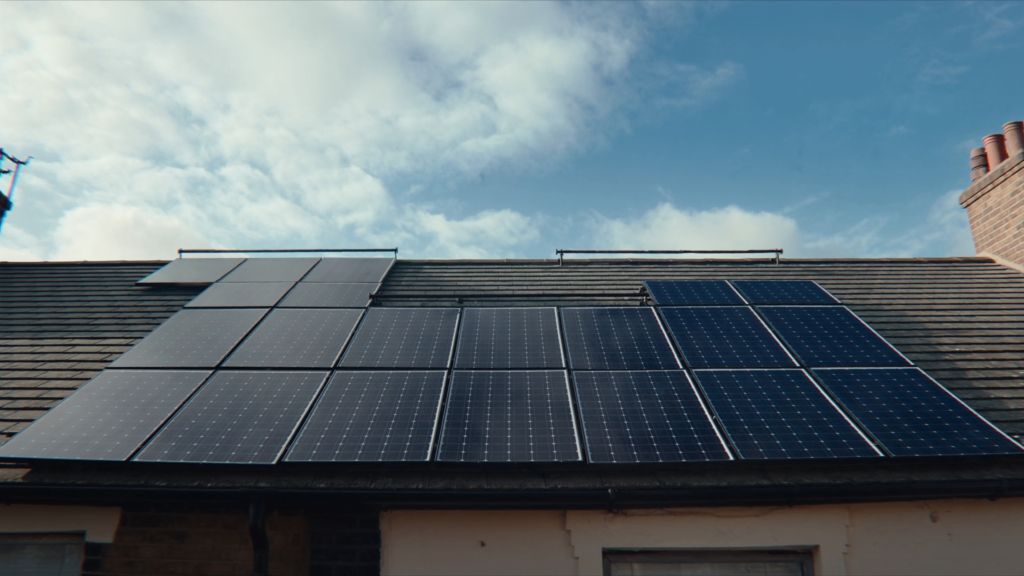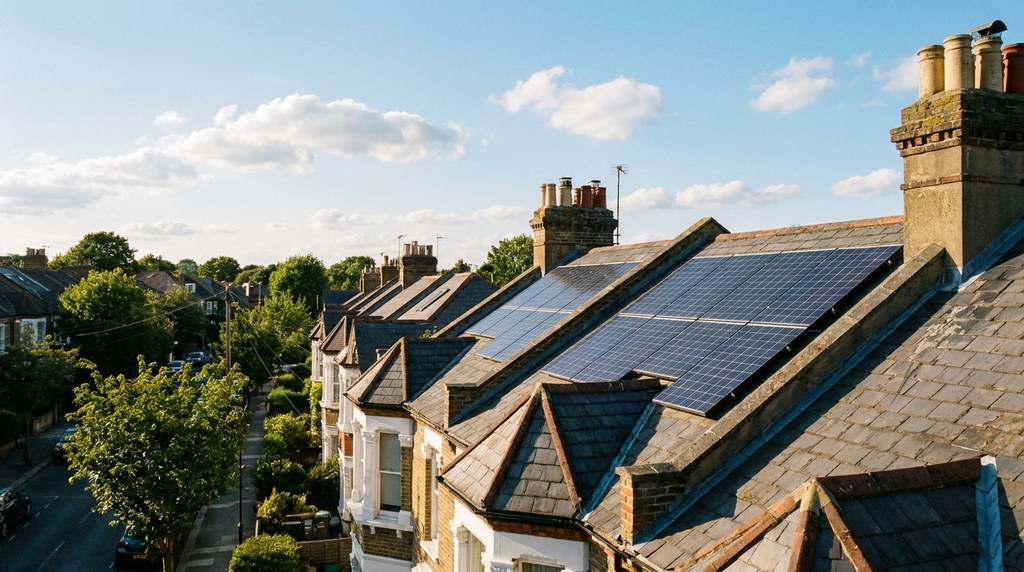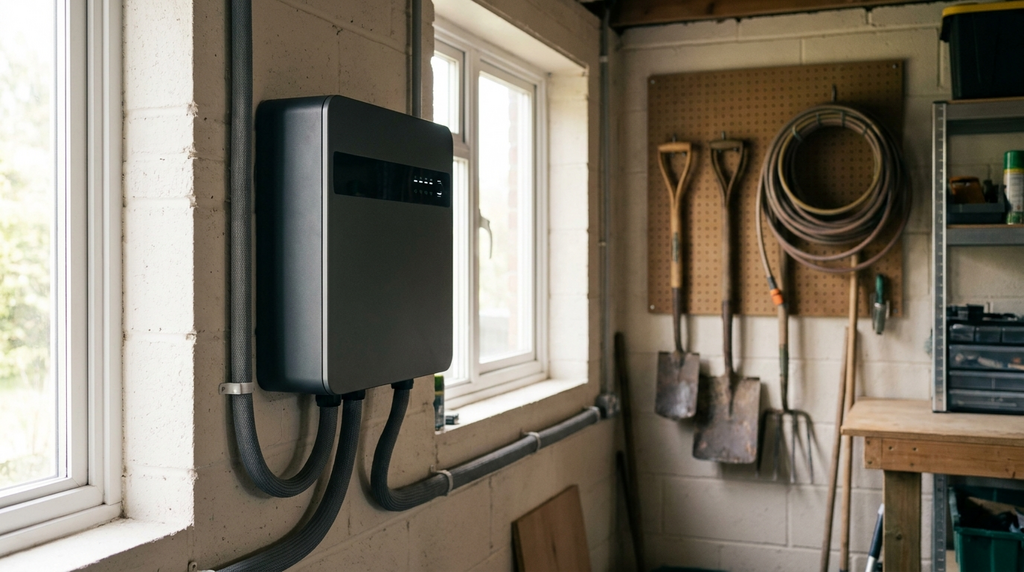
Solar panels reduce household carbon emissions by roughly 1.3 tonnes per year for a typical 3.5kWp system, according to the Energy Saving Trust (Energy Saving Trust, 2026). This direct displacement of grid electricity is the primary environmental benefit, but the full picture includes manufacturing impacts, land use, and end-of-life disposal.
The net environmental effect depends on where your panels are sited. Rooftop systems avoid additional land use, while ground-mounted arrays may affect habitats. Manufacturing a solar panel emits roughly 20g of CO2 per kWh generated over its lifespan, compared to 400g for UK grid average electricity, meaning the carbon debt is paid back in 1–4 years (UK Government, 2026).
Manufacturing emits carbon but pays back quickly
Producing a solar panel uses energy-intensive processes, including silicon purification and module assembly. The carbon footprint of a typical 3.5kWp system is around 4–5 tonnes CO2e, based on lifecycle analysis from BRE (BRE, 2026). However, UK grid electricity emits roughly 0.25 kg CO2 per kWh, so generating 2,700 kWh annually avoids about 675 kg of emissions. Within 6–8 years, the system offsets its manufacturing footprint. After that, every kilowatt-hour generated is effectively carbon-free for the remaining 20+ years of operation.
Land use and habitat effects vary by installation
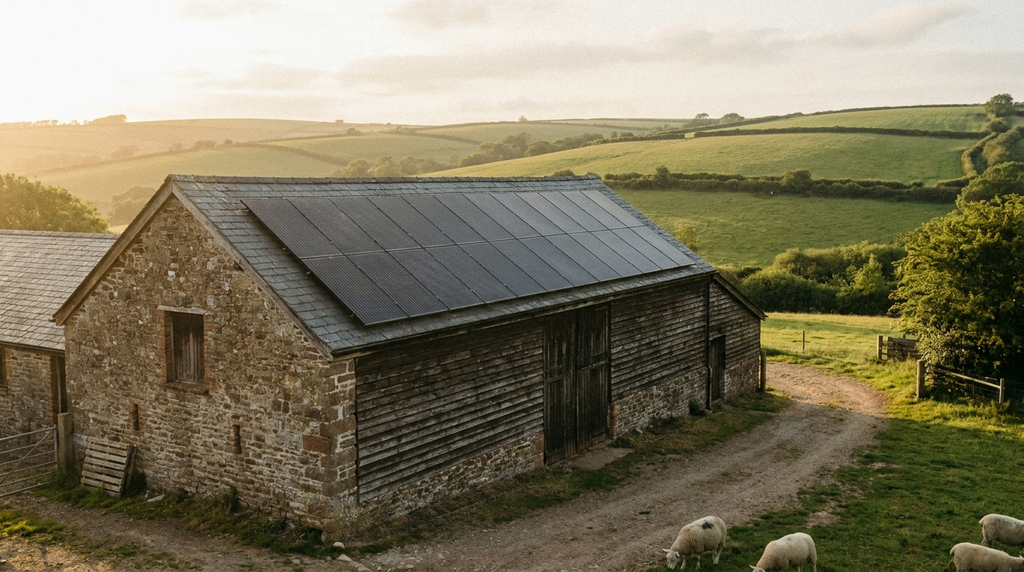
Rooftop solar uses existing built space and has negligible habitat impact. Ground-mounted arrays, however, can affect local ecosystems. The UK Government advises that large solar farms should avoid high-grade agricultural land and be sited on brownfield or low-grade land where possible (National Planning Policy Framework, 2026). Solar farms can also provide biodiversity benefits if managed with wildflower strips and hedge planting, as noted by the Energy Saving Trust (Energy Saving Trust, 2026).
End-of-life recycling is mandatory and improving
Under the Waste Electrical and Electronic Equipment (WEEE) Regulations, solar panel manufacturers must arrange for collection and recycling at end of life (Legislation.gov.uk, 2026). Current recycling rates recover about 85% of panel materials, including glass, aluminium, and silicon. The remaining 15%, mostly polymers and small electronics, goes to landfill or energy recovery. Industry bodies like MCS Certified are pushing for higher recovery targets, aiming for 95% by 2030 (MCS Certified, 2026).
A worked example
A 3.5kWp solar panel system on a typical 1930s semi-detached house in Manchester costs around £7,000 after the 0% VAT saving (in place until March 2027) but before any grant support. If you are eligible for the ECO4 scheme, you could receive up to £1,600 towards installation, bringing the net cost to £5,400. The system generates roughly 2,700 kWh per year, saving about £680 on annual electricity bills at current UK rates of 25p per kWh. Carbon payback, the time it takes to offset the manufacturing emissions of roughly 4.5 tonnes CO2e, is achieved in around 6 years, based on data from the Energy Saving Trust. After that, every kilowatt-hour generated is effectively carbon-free for the panel’s 25-year lifespan.
| Item | Figure |
|---|---|
| Upfront cost after grants | £5,400 |
| Yearly savings | £680 |
| Payback period | 8 years |
| 25-year lifetime savings | £11,600 |
What homeowners often get wrong
The biggest mistake is thinking solar panels don’t work in the UK because of grey weather, which ignores modern polycrystalline and monocrystalline technology. Here are three common misconceptions that can cost you money or environmental benefits.
- Solar panels need direct sunlight to generate power Panels still produce 10–25% of their rated output on overcast days, so a 3.5kWp system can generate over 800 kWh annually even in cloudy Manchester. Expecting zero output in winter leads to undersizing your system and missing grants like the BUS heat pump top-up.
- Manufacturing pollution makes them worse than grid power The carbon footprint of a typical UK panel is about 20g CO2 per kWh generated, compared to 400g for grid average electricity. Ignoring the 6-year carbon payback means you could dismiss a technology that saves 1.3 tonnes of CO2 annually for 19 years after payback.
- All solar panels have the same environmental impact Panels from low-quality manufacturers can have a 30% higher carbon footprint and degrade faster, voiding warranties within 10 years. Choosing MCS-certified panels from reputable brands ensures a 25-year performance guarantee and lower lifecycle emissions.
Quick reference
- A typical 3.5kWp rooftop system avoids 1.3 tonnes of CO2 emissions per year compared to grid electricity.
- Manufacturing a solar panel emits roughly 20g of CO2 per kWh generated, which is 20 times lower than the UK grid average of 400g per kWh.
- To qualify for the 0% VAT rate (until March 2027) and ECO4 grants, your system must be installed by an MCS-certified installer.
- Carbon payback for a UK solar system is achieved in 6 to 8 years, after which generation is effectively carbon-free for the remaining 17 to 19 years of its lifespan.
- Ground-mounted solar arrays can disrupt local ecosystems if sited on greenfield land, whereas rooftop systems avoid land-use conflict entirely.
Frequently Asked Questions
Yes, a typical 3.5kWp system reduces household carbon emissions by about 1.3 tonnes per year according to the Energy Saving Trust. Rooftop panels avoid additional land use and pay back their manufacturing carbon within 6–8 years.
Manufacturing a solar panel emits roughly 20g of CO2 per kWh generated over its lifespan, according to UK Government data. For a typical 3.5kWp system, the total carbon footprint is around 4–5 tonnes CO2e based on BRE lifecycle analysis.
No, the net environmental effect is strongly positive for rooftop systems. While manufacturing and disposal have impacts, carbon payback occurs within 1–4 years, and panels generate clean electricity for 20+ years after that.