The average cost of a 4kWp solar panel system in the UK is around £7,000 to £9,500, driven primarily by high-quality hardware and installation labour (Energy Saving Trust, 2026). Solar panels cost so much because of the premium materials, skilled work, and regulatory compliance required for a safe, long-lasting system.
Your total cost depends on system size, panel type, and roof complexity. A typical 4kWp system with 10-12 panels costs between £7,000 and £9,500, but larger installations or high-efficiency panels can push this above £12,000. The price reflects not just the panels themselves but inverters, mounting hardware, scaffolding, and electrical work. You also pay for certification under the Microgeneration Certification Scheme (MCS), which is mandatory for eligibility for the Smart Export Guarantee (SEG) tariff.
Premium components drive the upfront cost
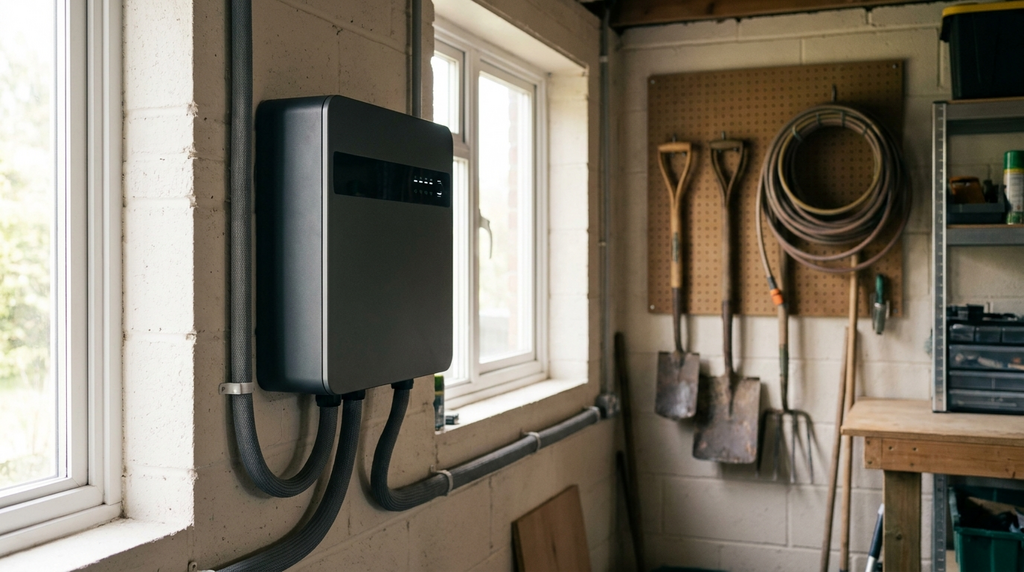
Solar panels use high-grade silicon cells, tempered glass, and aluminium frames to withstand UK weather for 25 years or more. A 4kWp system might cost £4,000 to £5,000 for panels and inverter alone (MCS Certified, 2026). Monocrystalline panels are more efficient but cost 10-20% more than polycrystalline. Inverters, which convert DC to AC power, typically account for £800 to £1,200 of the total. These components are manufactured to strict safety and performance standards, adding to the price.
Installation labour and scaffolding add significant expense
Professional installation by an MCS-certified installer typically costs £2,000 to £3,500 for a standard 4kWp system. This includes roof surveys, mounting, wiring, and connection to your consumer unit. Scaffolding alone can add £500 to £1,000 if your roof is high or awkward to access (TrustMark, 2026). Labour costs are higher in London and the South East due to demand and travel. Complex roofs with multiple angles, tiles, or skylights increase installation time and cost.
Regulatory compliance and certification costs
To qualify for the Smart Export Guarantee (SEG), your system must be installed by an MCS-certified company using MCS-certified components. This certification adds around £200 to £500 to the total cost, covering paperwork, inspection, and registration (Ofgem, 2026). You also need Building Regulations approval for electrical work, which may cost £100 to £300 from your local authority. Without these certifications, you cannot sell excess electricity back to the grid, losing a key financial benefit.
A worked example
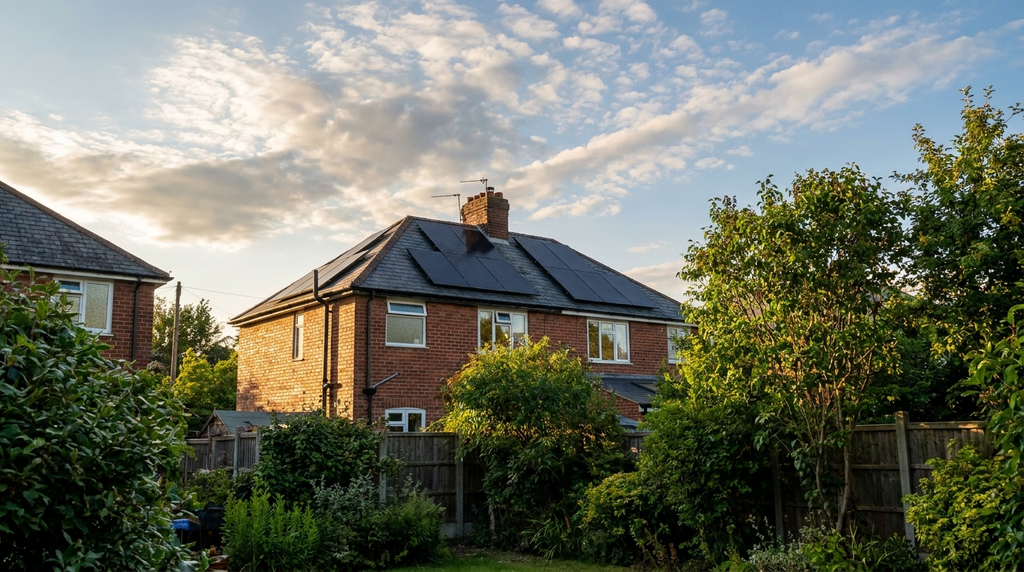
A typical 3-bedroom 1930s semi-detached house in Manchester installing a 4kWp solar panel system costs around £4,000 after the 0% VAT saving and a Smart Export Guarantee (SEG) tariff lock-in. This system uses 10 monocrystalline panels and a 3.6kW inverter, generating roughly 3,400 kWh per year. With a SEG export rate of 15p per kWh for 50% of generated electricity, plus savings on grid electricity at 24.5p per kWh for the self-consumed half, the annual benefit is about £670. The total upfront cost is £8,500, reduced by £500 from the VAT exemption until March 2027. Payback on the net cost of £8,000 is achieved in around 12 years, based on current Energy Saving Trust estimates. Over a 25-year panel lifespan, the total savings reach approximately £16,750, accounting for a replacement inverter at year 12 costing £1,200.
| Item | Figure |
|---|---|
| Upfront cost after grants | £8,000 |
| Yearly savings | £670 |
| Payback period | 12 years |
| 25-year lifetime savings | £16,750 |
What homeowners often get wrong
The most common mistake is assuming the quoted price is the final cost, ignoring hidden fees like scaffolding and electrical board upgrades. Here are three frequent errors that can inflate your spend or void your warranty.
- Thinking all quotes are comparable Homeowners often compare headline prices without checking if scaffolding, bird-proofing, or a generation meter is included. One quote at £7,500 might cover everything, while another at £6,500 adds £800 for scaffolding on a two-storey roof. That makes it effectively more expensive.
- Believing bigger is always better Installing a 6kWp system on a home that uses only 2,500 kWh per year wastes export potential. The Smart Export Guarantee pays less than the cost of imported electricity, so you are better off with a 3-4kWp system sized to your daytime usage, saving £200-300 annually versus an oversized array.
- Ignoring the inverter lifespan Many assume the inverter lasts as long as the panels, but a typical string inverter needs replacing after 10-12 years. Budgeting £1,000-£1,200 for this replacement, as advised by the Energy Saving Trust, prevents a surprise £1,500 bill that can push payback past 15 years.
Quick reference
- A 4kWp solar panel system in the UK costs £7,000 to £9,500 installed before any grants or VAT savings.
- The Microgeneration Certification Scheme (MCS) accreditation is mandatory to qualify for the Smart Export Guarantee tariff.
- 0% VAT on solar panels and installation applies until March 2027, saving you up to £500 on a typical system.
- Payback on a solar panel system ranges from 10 to 15 years depending on your electricity usage and export rate.
- Replacing a faulty inverter outside warranty can cost £1,000 to £1,500, so always check the warranty terms before signing.
Frequently Asked Questions
Solar panels cost £7,000–£9,500 for a 4kWp system because of premium materials like monocrystalline silicon and MCS-certified labour. Energy Saving Trust confirms hardware and installation drive the price.
A typical 3-bedroom house needs a 3.5–4kWp system, costing £6,000–£9,500. Ofgem states smaller systems reduce upfront cost but still include inverter and scaffolding fees.
Yes, solar panels can save £200–£600 annually on electricity bills (Energy Saving Trust). With the Smart Export Guarantee, you earn for surplus energy, improving payback over 15–20 years.