What matters when you choose
When you invest in solar panels, the warranty is your safety net for decades of clean energy. What matters when you choose is the length of cover, the reputation of the manufacturer, the installer’s guarantee, and whether the policy is underwritten by a stable UK provider. This guide ranks the 10 essential facts every UK homeowner needs to know before signing.
| Warranty Type | Typical Length | What It Covers | Key Source |
|---|---|---|---|
| Product warranty | 10–25 years | Defects in materials or workmanship | MCS |
| Performance warranty | 25 years | Guaranteed power output (e.g., 80% at year 25) | MCS |
| Workmanship warranty | 1–10 years | Installation errors | TrustMark |
| Inverter warranty | 5–12 years | Inverter failure | MCS |
| Microinverter warranty | Up to 25 years | Microinverter defects | MCS |
| Transferability | Varies | Cover passes to new homeowner | Energy Saving Trust |
| Insurance backing | Warranty term | Cover if manufacturer goes bust | GOV.UK |
| Registration period | 30 days | Must register to activate cover | MCS |
| Exclusions | Lifetime of warranty | Damage from improper maintenance | MCS |
| Extended inverter cover | 10–20 years | Extra cost option | Ofgem |
1. Manufacturer stability protects your cover
The most important factor in any solar panel warranty is whether the manufacturer will still exist in 25 years. If the maker goes out of business, your product warranty becomes worthless. The Microgeneration Certification Scheme (MCS) recommends checking the manufacturer’s financial health through industry reports and independent credit ratings before buying. Look for panel makers with a strong UK presence and a track record of at least a decade.
- Check the panel maker’s financial health; if they go bust, the warranty may be void.
- Source: MCS recommends verifying manufacturer longevity via industry reports.
2. Product warranties cover defects only
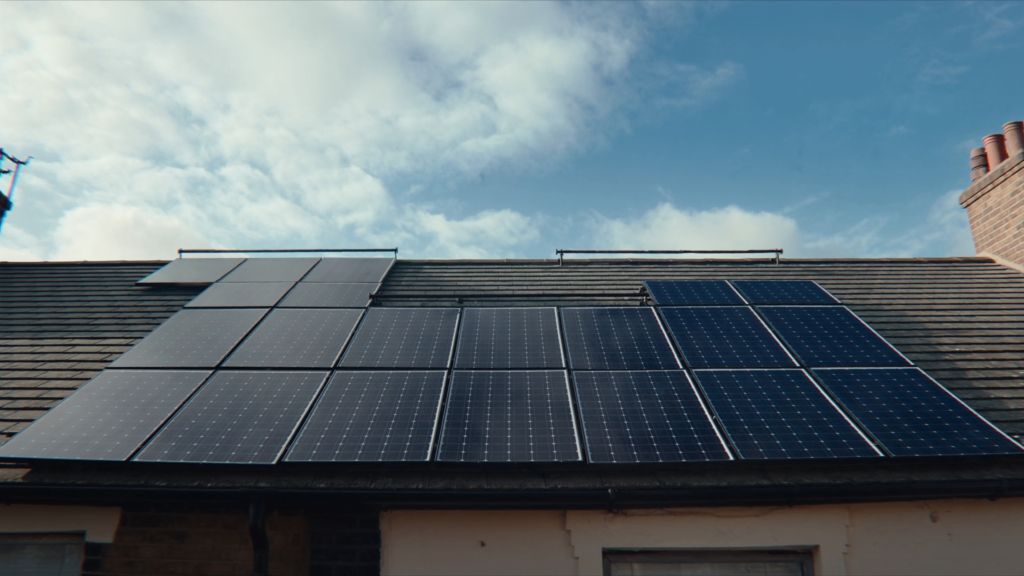
A product warranty covers faults in materials or workmanship, not accidental damage, storm impact, or normal wear. Most UK solar panel product warranties last between 10 and 25 years, with premium manufacturers typically offering the longer term. If a panel develops a manufacturing defect within that period, the maker must repair or replace it, but you pay for labour and scaffolding unless the warranty says otherwise.
- Typically 10–25 years for faulty materials or workmanship, not accidental damage.
- Source: MCS product warranty standards.
3. Performance warranties guarantee output
Performance warranties promise your panels will produce a minimum percentage of their original rated power over time. The industry standard is at least 80% after 25 years. If output drops below that threshold, you can claim a replacement or compensation. Performance guarantees are separate from product warranties and are measured under standard test conditions, not your specific roof or weather.
- Panels must produce at least 80% of rated power after 25 years; lower output triggers claim.
- Source: MCS performance warranty guidelines.
4. Installation warranties are separate
Your installer’s workmanship warranty covers fitting errors such as loose brackets, poor wiring, or roof leaks caused by installation. These typically last 1 to 10 years, much shorter than panel warranties. If an issue arises from a bad installation, you claim from the installer, not the panel manufacturer. Always check your installer is registered with TrustMark or MCS for this cover to be valid.
- Installer’s workmanship warranty (1–10 years) covers fitting errors, not panel faults.
- Source: TrustMark installation standards.
5. Transferability adds home value
Most solar panel warranties can be transferred to a new owner if you sell your home within the warranty period. This is a strong selling point because buyers know the cover continues. Some manufacturers require a small transfer fee or written notification within 30 days of the sale. Check the terms before signing, as non-transferable warranties can reduce your property’s resale value.
- Most warranties transfer to new owners if you sell within 25 years; check terms.
- Source: Energy Saving Trust.
6. Exclusions include improper maintenance
Warranties do not cover damage from improper cleaning, such as using abrasive chemicals or pressure washers, nor from shading caused by new trees or extensions. If you modify your roof or add equipment that affects panel performance, the warranty can be voided. Always follow the manufacturer’s maintenance guidelines and keep records of any cleaning or repairs.
- Damage from cleaning with wrong chemicals or shading voids performance guarantees.
- Source: MCS common exclusion lists.
7. Inverter warranties are shorter
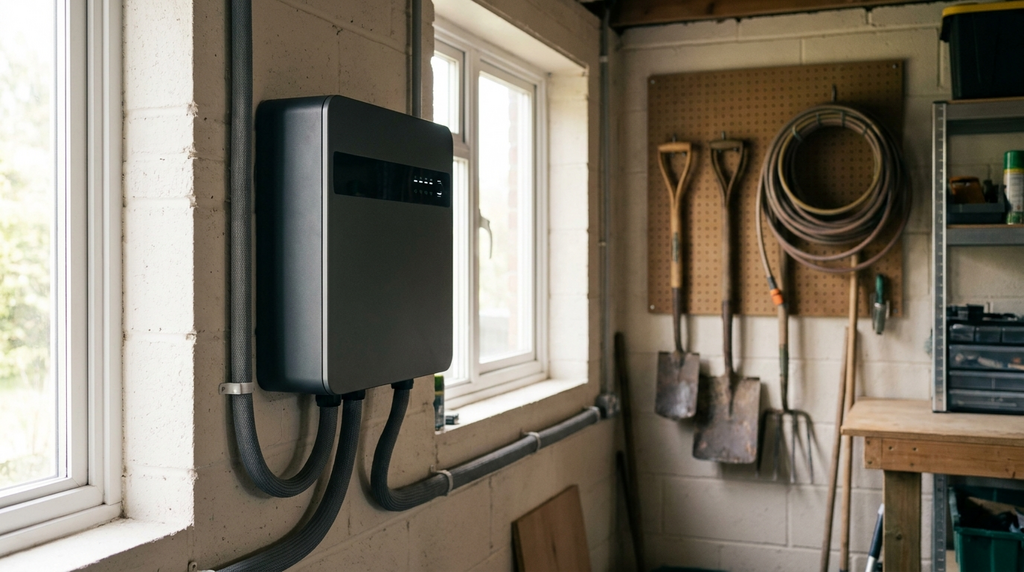
Solar inverters typically have warranties of 5 to 12 years, much shorter than the 25-year panel cover. Since inverters are essential for converting DC power to usable AC, a failure can stop your system entirely. Extended warranties are available for an extra cost, often adding 5 to 10 years. Factor this replacement cost into your long-term budget.
- Inverters typically covered for 5–12 years, not 25; extended warranties cost extra.
- Source: MCS inverter standards.
8. Microinverters offer longer cover
Microinverters, which sit under each panel, often come with 25-year warranties that match the panel performance guarantee. This is a significant advantage over string inverters, because you avoid a mid-life replacement cost. Check the specific model’s warranty terms, as some microinverters still require a separate registration process.
- Some microinverter models come with 25-year warranties, matching panel terms.
- Source: MCS product listings.
9. UK insurance backing is critical
A warranty is only as good as the company behind it. If the manufacturer goes bust, an insurance-backed warranty from a UK-registered provider will still pay out. Without this cover, you could lose all protection. The UK government recommends checking that your warranty is insured by a Financial Conduct Authority-regulated firm, not a foreign entity.
- Ensure the warranty is insured by a UK-registered provider to cover manufacturer failure.
- Source: GOV.UK consumer protection guidance.
10. Register your warranty immediately
Most manufacturers require you to register your warranty within 30 days of installation. Missing this deadline can void the cover entirely. The registration process is usually online and asks for the serial numbers of your panels and inverter. Keep a copy of the confirmation email and your installation certificate from MCS or TrustMark.
- Failure to register within 30 days of installation can invalidate the cover.
- Source: MCS registration requirements.
Solar panel warranties are complex, but the most critical factor is the manufacturer’s financial stability backed by UK insurance. Register your warranty promptly and keep all documentation safe to ensure decades of trouble-free cover. guide to choosing solar panel installers how solar panel performance degrades over time
Frequently Asked Questions
Product warranties typically last 10 to 25 years, performance warranties run 25 years, and workmanship warranties range from 1 to 10 years, according to the Microgeneration Certification Scheme (MCS).
A product warranty covers defects in materials or workmanship, not accidental damage, storm impact, or normal wear, as confirmed by MCS standards.
Yes, many solar panel warranties are transferable to a new homeowner, which can add resale value. The Energy Saving Trust advises checking the terms before selling.
If the manufacturer goes bust, your warranty may be void unless it is backed by an insurance policy. GOV.UK recommends verifying insurance backing before purchase.
Inverter warranties typically last 5 to 12 years, though microinverter warranties can extend up to 25 years, according to MCS guidelines.