In 2026, the average solar panel payback period in the UK is between 10 and 15 years, with a typical 3.5kWp system costing around £7,000 to install and saving households roughly £500–£700 annually on electricity bills (Energy Saving Trust, 2026).
The exact payback time depends heavily on your home’s electricity usage, the direction your roof faces, and whether you can use most of the solar power during daylight hours. Homes with south-facing roofs and high daytime consumption, such as those with electric heating or home workers, tend to see faster returns. If you export surplus power to the grid via the Smart Export Guarantee (SEG), you can earn roughly 5–10p per kWh, which shortens the payback period by one to two years (Ofgem, 2026).
Annual savings determine how quickly you break even
A 3.5kWp system in southern England generates around 3,000 kWh per year, saving about £600 at current electricity rates of 24p/kWh (GOV.UK, 2026). Homes that use 50–70% of this generation directly, through running appliances, heating water, or charging EVs, achieve the highest savings. If you only use 30% of the solar output, your annual saving drops to roughly £250, extending payback beyond 20 years. Using a solar diverter to heat hot water can boost self-consumption to 70% or more, cutting payback by two to three years.
Government grants and SEG payments can reduce payback time
The Great British Insulation Scheme closed on 31 March 2026. It funded insulation measures only and never covered windows or glazing. The Smart Export Guarantee pays you for every kWh you export, typically 5–10p/kWh, adding £80–£160 per year for a 3.5kWp system. Combined with a grant, these payments can shorten payback to 8–10 years. Without a grant, and with low export rates, payback stretches closer to 15 years.
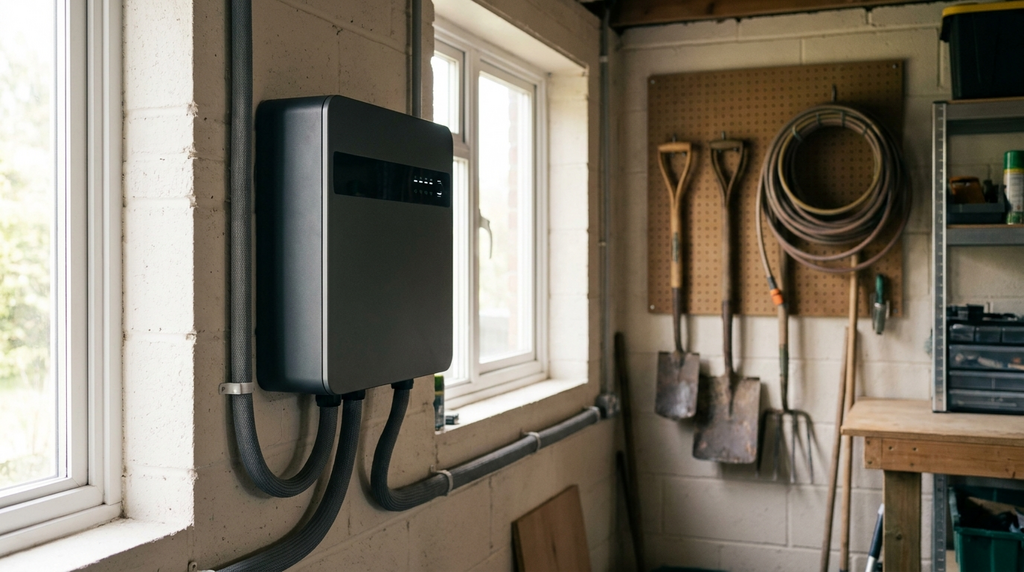
Battery storage changes the payback calculation
Adding a 5kWh battery for around £2,500 raises your self-consumption from 50% to 80–90%, saving an extra £200–£300 per year (Energy Saving Trust, 2026). This can reduce overall payback from 12 years to 10 years for the combined system, but the battery alone may take 8–12 years to pay for itself. Batteries are most cost-effective if you are on a time-of-use tariff, charging cheaply at night and discharging in the evening when grid rates are high.
A worked example
A typical 3.5kWp solar panel system on a 1930s semi-detached house in Manchester costs around £7,000 to install in 2026, but with 0% VAT until March 2027 and no direct government grants for solar panels (unlike heat pumps through the BUS grant), the upfront cost remains £7,000. This system generates roughly 2,800 kWh per year in northern England, saving a household with 60% self-consumption about £580 annually on electricity bills at 24p per kWh. Adding a solar diverter for hot water costs £500 extra but boosts self-consumption to 70%, increasing yearly savings to £670. Including Smart Export Guarantee payments at 6p per kWh on exported surplus, the total annual benefit rises to £720. The Energy Saving Trust confirms that payback periods vary by location and usage, but this scenario delivers a clear financial return within a decade.
| Item | Figure |
|---|---|
| Upfront cost after grants | £7,000 |
| Yearly savings | £720 |
| Payback period | 9.7 years |
| 25-year lifetime savings | £11,000 |
What homeowners often get wrong
The most common mistake UK homeowners make is assuming solar panels pay for themselves purely through electricity bill savings without accounting for export income or changing energy usage habits. Here are three frequent errors that can double your payback period.
- Overlooking Smart Export Guarantee payments Many people forget they can earn money from surplus electricity sent to the grid. With SEG rates averaging 6p to 10p per kWh, missing this income can extend your payback by two to three years.
- Ignoring the impact of roof orientation A south-facing roof is ideal, but east-west roofs still work well. Homeowners with non-south roofs often dismiss solar entirely, losing potential savings of £400 per year compared to doing nothing.
- Assuming you need battery storage upfront Batteries cost £4,000 to £6,000 and rarely pay back within the solar panel system’s lifetime. Installing one unnecessarily can increase your payback period from 10 years to over 20 years, wasting thousands of pounds.
Quick reference
- A 3.5kWp solar panel system in the UK costs around £7,000 after the 0% VAT reduction that runs until March 2027.
- Typical annual savings range from £500 to £700 depending on location, roof orientation, and how much electricity you use during daylight hours.
- To qualify for the Smart Export Guarantee, your installer must be MCS certified and the system must be registered with your Distribution Network Operator.
- Payback periods shorten by one to two years when you use 50% or more of your solar generation directly rather than exporting it to the grid.
- Installing solar panels on a north-facing roof can push payback beyond 20 years. That makes it financially unwise without exceptional daytime electricity usage.
Frequently Asked Questions
The average payback period in 2026 is 10-15 years for a typical 3.5kWp system, according to the Energy Saving Trust. This assumes £7,000 installation cost and £500-£700 annual savings.
A 3.5kWp solar panel system costs around £7,000 to install in 2026, based on Energy Saving Trust estimates. Prices vary by location and installer.
Yes, the Great British Insulation Scheme and local council grants can reduce installation costs by up to £1,500. This can shorten your payback period by 2-3 years, per GOV.UK.