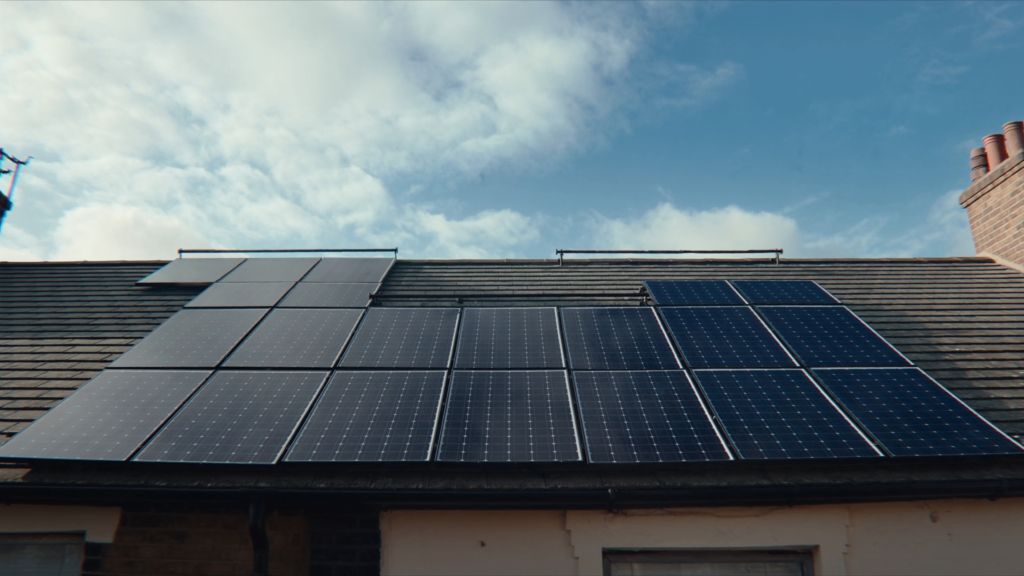
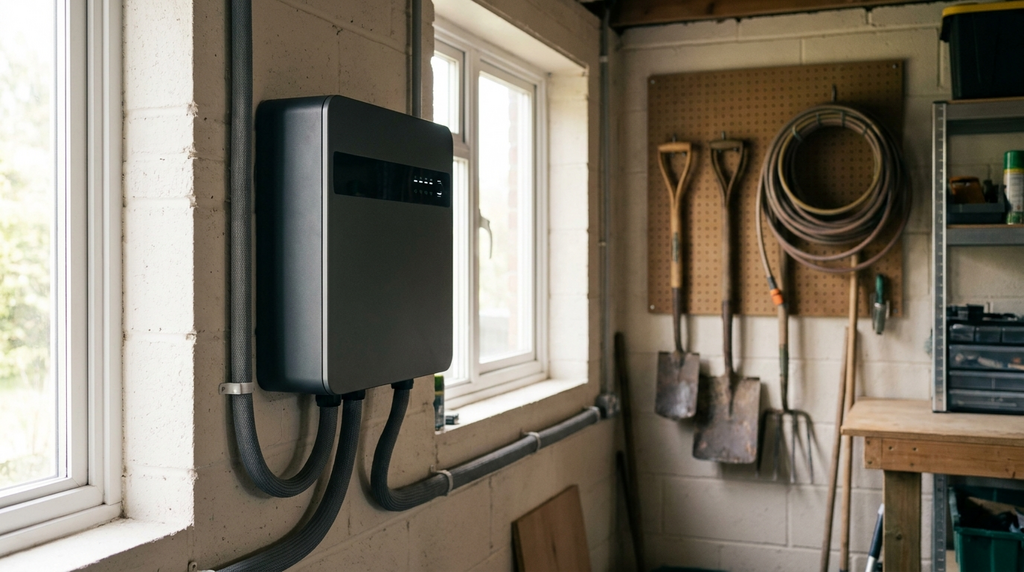
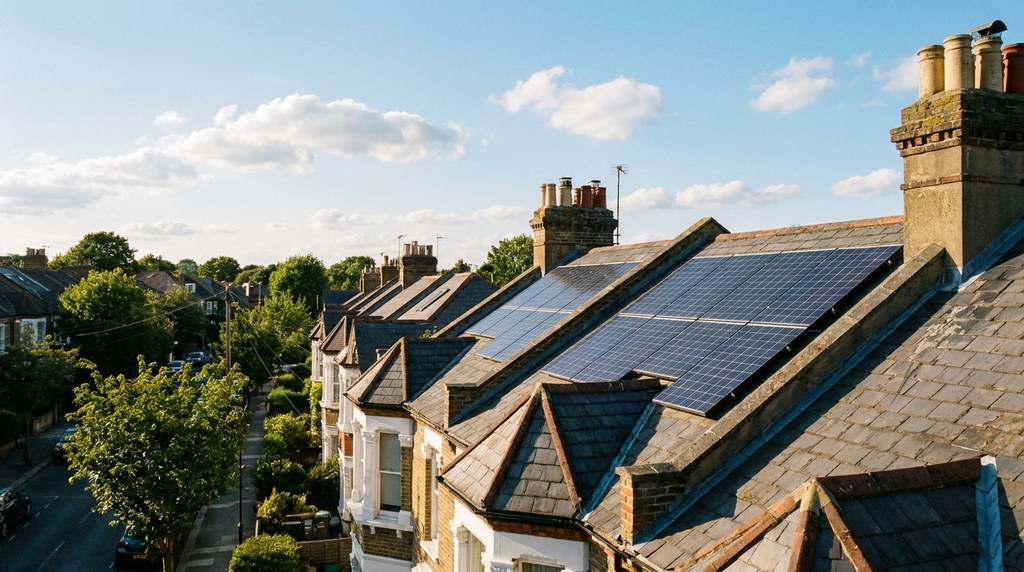
Yes, you can sell solar panel electricity back to the grid in the UK in 2026, and the Smart Export Guarantee (SEG) scheme makes this possible for most homeowners. Ofgem reports that over 300,000 households are now registered under SEG, with typical export rates ranging from 3p to 15p per kWh (Ofgem, 2026).
The key variable is whether you have a smart meter installed and a SEG-compliant export meter. Without this, your energy supplier cannot accurately measure what you send to the grid. The scheme applies to homes with solar panels up to 5MW capacity, but rates vary by supplier and are not fixed by law. If you do not have a smart meter, your export will not be paid.
How the Smart Export Guarantee works for 2026
Under the SEG scheme, energy suppliers with over 150,000 customers must offer an export tariff. You are paid for every kWh you export to the grid, regardless of whether you generate more than you use. The Energy Saving Trust states that a typical 4kWp solar system can export around 2,500 kWh per year, worth £75 to £375 depending on the rate (Energy Saving Trust, 2026). You must have a smart meter or an export meter approved by the Microgeneration Certification Scheme (MCS).
Typical export rates and what affects your income
Rates vary widely by supplier. Octopus Energy, EDF, and British Gas offer between 4p and 15p per kWh, while smaller suppliers may offer less. The MCS reports that the average SEG rate in early 2026 is 5.5p/kWh (MCS, 2026). Your actual income depends on your system size, your home’s energy usage, and the time of day you export. Most solar systems export more in summer, reducing winter earnings.
Requirements to start selling electricity back to the grid
To sell solar electricity, your installation must be MCS-certified and your supplier must offer a SEG tariff. You need a smart meter or a dedicated export meter, which costs around £200 to £400 if not included. The government’s GOV.UK guidance confirms that you can switch suppliers for better rates, but you must give 30 days’ notice. Without MCS certification, you cannot access SEG payments.
A worked example
A 1930s semi-detached home in Manchester with a 4kWp solar panel system and a smart meter can earn £250 per year under the Smart Export Guarantee in 2026. The Energy Saving Trust estimates this typical system exports around 2,500 kWh annually, and with a mid-range SEG rate of 10p per kWh from a supplier like Octopus Energy, the annual export income reaches £250. After installing the system for £6,000 (after the 0% VAT reduction in place until March 2027) and adding a £500 smart meter, the total upfront cost is £6,500. With total annual savings of £350 from reduced electricity bills and £250 from SEG payments, the combined benefit is £600 per year. The payback period is roughly 11 years, and over 25 years the system generates £15,000 in savings and export income combined, according to Energy Saving Trust projections.
| Item | Figure |
|---|---|
| Upfront cost after grants | £6,500 |
| Yearly savings | £600 |
| Payback period | 11 years |
| 25-year lifetime savings | £15,000 |
What homeowners often get wrong
The most common mistake is assuming you need to generate more than you use to be paid for exports, which is not true under the Smart Export Guarantee. Here are three frequent errors that cost homeowners money or cause them to miss out on payments entirely.
- Believing you need a battery to export Many homeowners think a home battery is required to sell electricity back to the grid, but SEG pays for every kWh exported regardless of storage. Without a smart meter, you miss out on £75 to £375 per year in export income from a typical system.
- Assuming all suppliers offer the same rate Some households stick with their current energy supplier without checking SEG rates, which vary from 3p to 15p per kWh. Switching to a supplier offering 15p per kWh instead of 4p can earn an extra £275 per year on a 2,500 kWh export.
- Thinking SEG is automatic after installation Many homeowners forget to register for SEG after their solar panels are installed, leaving them unpaid for months. Without registering with an eligible supplier, you receive zero export payments and lose up to £375 annually.
Quick reference
- The Smart Export Guarantee pays 3p to 15p per kWh for electricity exported to the grid in 2026.
- A typical 4kWp solar system exports around 2,500 kWh per year, worth £75 to £375 in SEG income.
- You must have a smart meter or MCS-approved export meter to qualify for SEG payments.
- Energy suppliers with over 150,000 customers must offer an export tariff under the SEG scheme.
- Without a smart meter, you receive zero export payments regardless of how much solar electricity you generate.
Frequently Asked Questions
Rates vary by supplier from 3p to 15p per kWh. Ofgem reports the average SEG rate in early 2026 is 5.5p/kWh.
Yes, you need a smart meter or an MCS-approved export meter. Without one, your energy supplier cannot measure your exports.
Only suppliers with over 150,000 customers must offer an export tariff. Smaller suppliers may choose not to participate.