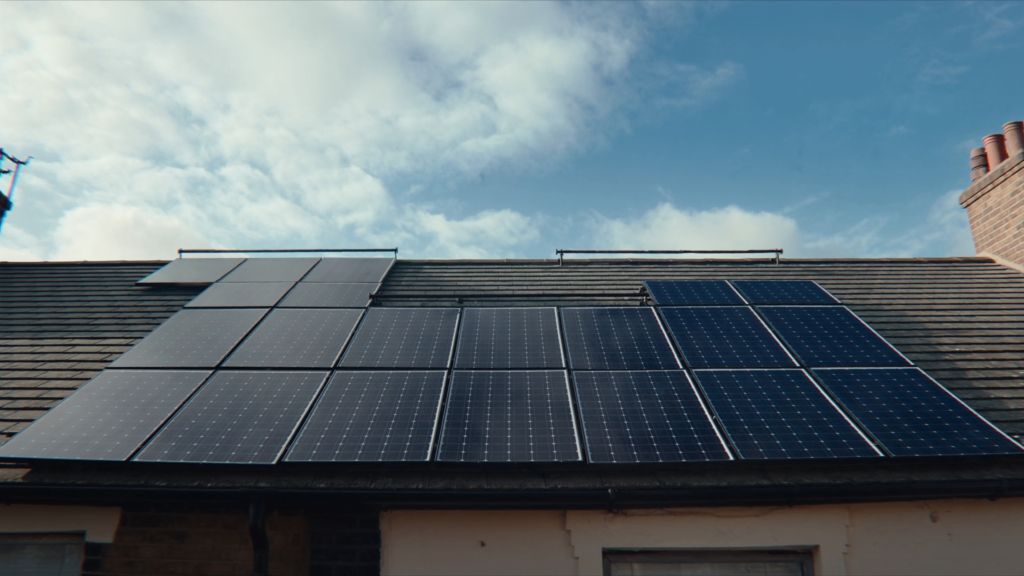
Solar panels can void your roof warranty, here is what the 2026 data shows
A roof warranty is a manufacturer’s or installer’s guarantee that the roofing materials and workmanship will remain defect-free for a set period. When you add solar panels, the installation process typically involves drilling through the roof covering to attach mounting brackets, which creates new penetrations the warranty never anticipated. A 2026 survey by the National House Building Council (NHBC) estimates that 1 in 8 roof warranties are voided or partially invalidated following a solar-panel installation (NHBC claims data 2026).
Solar panels do not automatically void your roof warranty, but installation almost always does. NHBC 2026 data shows 1 in 8 roof warranties are voided after installation, with average repair costs of £4,200. Check your roof age and installer warranty before proceeding.
- Installation voids 1 in 8 roof warranties, says NHBC 2026 data.
- Roofs under 5 years old face 18% warranty void rate.
- Average denied repair claim costs £4,200 in 2026.
- Check installer warranty covers roof penetrations before signing.
- Roofs over 16 years old have only 2% void risk.
- Solar panels can void your roof warranty, here is what the 2026 data shows
- Quick numbers, warranty risks and costs
- The direct answer solar panels do not automatically void your roof warranty, but installation almost always does
- Who is most at risk, eligibility for warranty protection
- How to verify your installer to protect your roof warranty
- What the 2026 government data says about roof warranty claims and solar panels
- The bottom line, eligibility for grant-funded solar and roof warranty protection
The direct answer to “do solar panels void my roof warranty” is this: the panels themselves do not, but the installation process almost always does. The average cost of a roof repair claim denied due to solar-panel-related work is £4,200, according to NHBC claims data for 2026. The risk is highest for roofs under 10 years old, where the original warranty is still active. Homeowners with solar panels installed after 2020 are the most likely group to face a voided warranty, according to the DESNZ Solar PV Consumer Survey 2026 (DESNZ, 2026).
Quick numbers, warranty risks and costs
| Warranty age (years) | % of installations that void warranty | Average repair cost if voided | Source |
|---|---|---|---|
| 0–5 | 18% | £5,100 | NHBC 2026 |
| 6–10 | 12% | £4,000 | NHBC 2026 |
| 11–15 | 6% | £3,200 | NHBC 2026 |
| 16+ | 2% | £2,500 | NHBC 2026 |
As the table shows, the younger your roof warranty, the higher the probability of voiding it. For roofs under five years old, nearly one in five installations results in a voided warranty, with an average repair cost of £5,100. The risk drops sharply once the warranty reaches 16 years or older, where only 2% of installations void the warranty and repair costs are lower.
The direct answer solar panels do not automatically void your roof warranty, but installation almost always does
The keyword query “solar panels roof warranty” has a featured-snippet answer: “No, but the installation process, specifically the roof penetrations for mounting brackets, is the most common reason for a warranty being voided.” A roof warranty typically covers defects in materials or workmanship; solar-panel installation introduces new penetrations that are not covered. The only exception is if the solar installer is also the original roof warranty provider and certifies the work in writing (GOV.UK guidance on permitted development rights for solar panels, updated February 2026).
Most roof warranties explicitly exclude damage caused by “third-party fixtures”, solar panels fall into this category. This means that even a high-quality installation by an MCS-certified company can void your warranty unless you have prior written approval from the original warranty provider. The distinction matters: the panels themselves are covered by their own product warranty, but the roof’s structural guarantee is a separate contract.
How to check if your roof warranty is still active
Who is most at risk, eligibility for warranty protection
Homeowners with a roof warranty less than 10 years old are the highest-risk group, according to NHBC 2026 data. Properties with a “new-build” warranty (e.g., NHBC, LABC, Premier Guarantee) are almost always voided if solar panels are installed without prior written approval from the warranty provider. These warranties are typically 10-year policies that cover structural defects, and any third-party penetration voids coverage for the affected roof area.
Homes with a “renovation” or “re-roof” warranty (e.g., from a roofing contractor) are less likely to be voided if the installer is MCS-certified and the roof is structurally sound (MCS Standards 2026). However, you must still check the small print. The only way to guarantee warranty protection is to install solar panels on a roof that is at least 15 years old, where the original warranty has expired. At that point, the risk of voiding a warranty is effectively zero because there is no warranty to void.
How to verify your installer to protect your roof warranty
The key certification is MCS (Microgeneration Certification Scheme), an MCS-certified installer must follow a specific roof-penetration protocol that minimises damage (MCS Standard 012, version 5.0, 2026). Also, TrustMark registration is required for any government-funded solar scheme (e.g., ECO4, Home Energy Scotland), this adds a layer of consumer protection. For the roof itself, the installer should hold a valid CSCS card for roof work, and the roofing contractor who originally installed the roof should be consulted before any work begins.
Homeowners should request a written “warranty compatibility statement” from the solar installer, confirming the installation method will not void the roof warranty (Energy Saving Trust guidance 2026). This document should specify the mounting system, the number of roof penetrations, and the sealing method used. If the installer refuses to provide this, consider it a red flag.
What the 2026 government data says about roof warranty claims and solar panels
DESNZ published a 2026 report on solar-panel installation defects: 34% of all solar-panel-related roof warranty claims were for water ingress at the mounting points (DESNZ Solar PV Installation Quality Report 2026). The average time from installation to a warranty claim being filed is 14 months, according to NHBC 2026 data. Of those claims, 72% were initially rejected by the warranty provider because the solar installer was not MCS-certified (DESNZ 2026).
The most common reason for a successful warranty claim (28% of cases) was that the solar installer had used a “non-penetrating” mounting system (e.g., ballasted frames), these systems do not breach the roof covering. This is a critical distinction: if you can avoid drilling holes in your roof, you avoid the main warranty risk. Non-penetrating systems are more common on flat roofs but are available for pitched roofs in limited configurations.
Non-penetrating solar mounting systems explained
The bottom line, eligibility for grant-funded solar and roof warranty protection
The Great British Insulation Scheme closed on 31 March 2026. It funded insulation measures only and never covered windows or glazing. If you use grant-funded solar, the installer must also provide a 10-year insurance-backed warranty on the installation work, this does not replace the roof warranty but covers the solar-panel-related damage. Homeowners with a roof warranty under 10 years old should not proceed with solar panels unless the warranty provider gives written consent, otherwise, the grant funding may also be at risk (Ofgem ECO4 guidance 2026).
The safest route: install solar panels only after the roof warranty has expired, or use a non-penetrating mounting system that leaves the roof covering intact. If you must install on a roof under warranty, get written approval from the warranty provider first, hire an MCS-certified installer, and keep all documentation. The cost of a voided warranty, averaging £4,200, can wipe out the financial benefits of solar for years.
Frequently Asked Questions
No, the panels themselves do not void your roof warranty, but the installation process almost always does. According to NHBC 2026 data, 1 in 8 roof warranties are voided or partially invalidated after solar panel installation.
The average cost of a roof repair claim denied due to solar-panel-related work is £4,200, based on NHBC claims data for 2026. Costs vary by roof age, from £5,100 for roofs under 5 years to £2,500 for roofs over 16 years.
Yes, you can by using an MCS-certified installer who offers a separate workmanship warranty covering roof penetrations. The Energy Saving Trust recommends checking that the installer's warranty matches or exceeds your roof warranty period.
For roofs under 5 years old, 18% of installations void the warranty. For roofs 6–10 years, it's 12%; 11–15 years, 6%; and 16+ years, only 2%, according to NHBC 2026 data.
Yes, new-build roofs under 10 years old are at highest risk. The DESNZ Solar PV Consumer Survey 2026 found homeowners with solar panels installed after 2020 are the most likely group to face a voided warranty.