Yes, you can put solar panels on a metal roof, and it is often a straightforward installation. The Energy Saving Trust confirms that solar panels can be fitted on most roof types, including metal, as long as the structure is sound (Energy Saving Trust, 2026). The key considerations are the roof’s load-bearing capacity and the fixing method used, which varies by the metal profile, standing seam, corrugated, or trapezoidal.
The feasibility depends on your roof’s specific profile and age. Standing seam metal roofs are ideal because clamps attach directly to the seams without penetrations. Corrugated or trapezoidal roofs typically require brackets that bolt through the metal, needing careful sealing to prevent leaks. Older metal roofs may need structural reinforcement, as panels add around 15-20 kg/m². A structural survey by a qualified installer is essential before proceeding.
Standing seam roofs offer clamp-on fixing
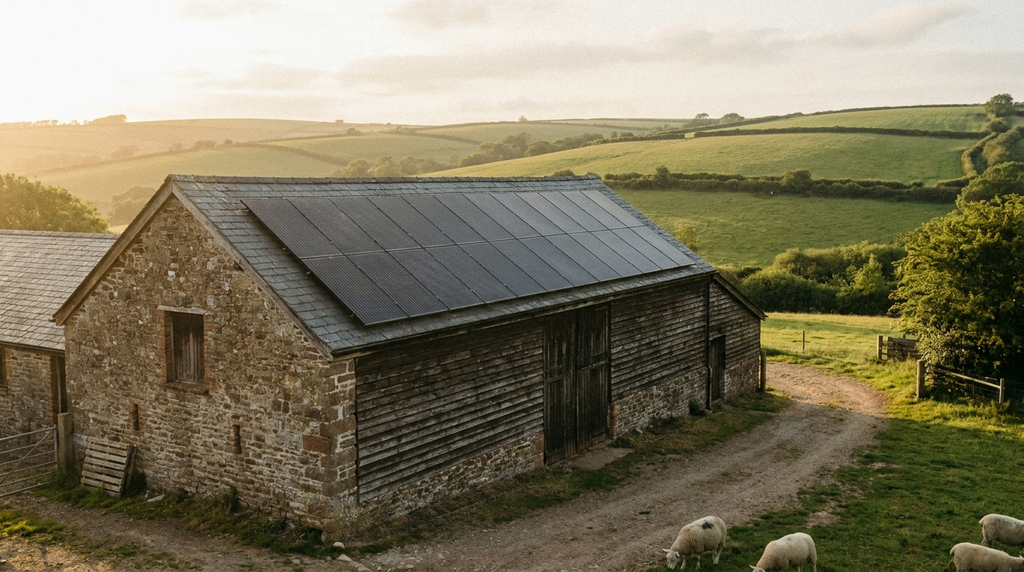
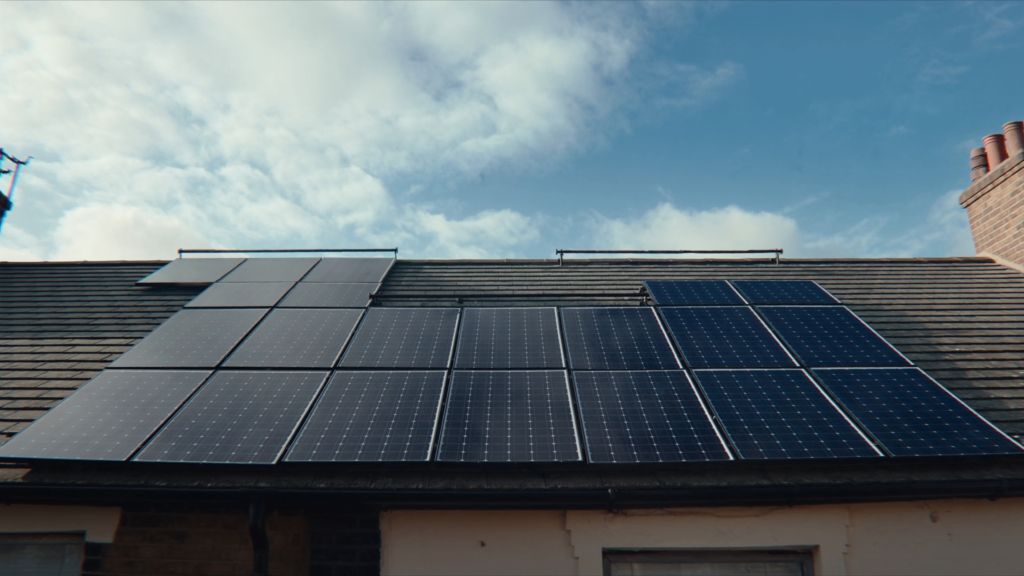
For standing seam metal roofs, installers use specialised clamps that grip the raised seams, avoiding any roof penetrations. This method preserves the roof’s waterproof integrity and is quick to install. The clamps are non-penetrating, reducing the risk of leaks and making them a preferred choice for metal roofs (GOV.UK, 2026). This system typically adds no extra cost for sealing, though the clamps themselves may cost £30-£60 per panel pair. Most standing seam roofs can support a standard 3-4kWp solar array without reinforcement.
Corrugated and trapezoidal roofs need penetrating brackets
On corrugated or trapezoidal metal roofs, installers use L-feet or Z-brackets bolted through the metal into the roof structure. These must be sealed with EPDM washers or flashing to prevent water ingress. The MCS Certified standard requires that all roof penetrations are weather-tight (MCS Certified, 2026). Installation costs may be 10-20% higher than a standard tile roof due to extra sealing work. A typical 4kWp system on a corrugated roof costs £6,000-£8,000, compared to £5,500-£7,000 on tiles.
Weight and structural checks are mandatory
A structural engineer or certified installer must assess the roof’s load capacity before installation. Solar panels weigh about 15-20 kg/m², and metal roofs, especially older ones, may require additional purlins or reinforcement. The TrustMark scheme requires that all installations comply with building regulations for structural safety (TrustMark, 2026). If reinforcement is needed, costs add £500-£1,500. Most modern metal roofs can handle the load, but a free survey from an MCS-certified installer is the safest first step.
A worked example
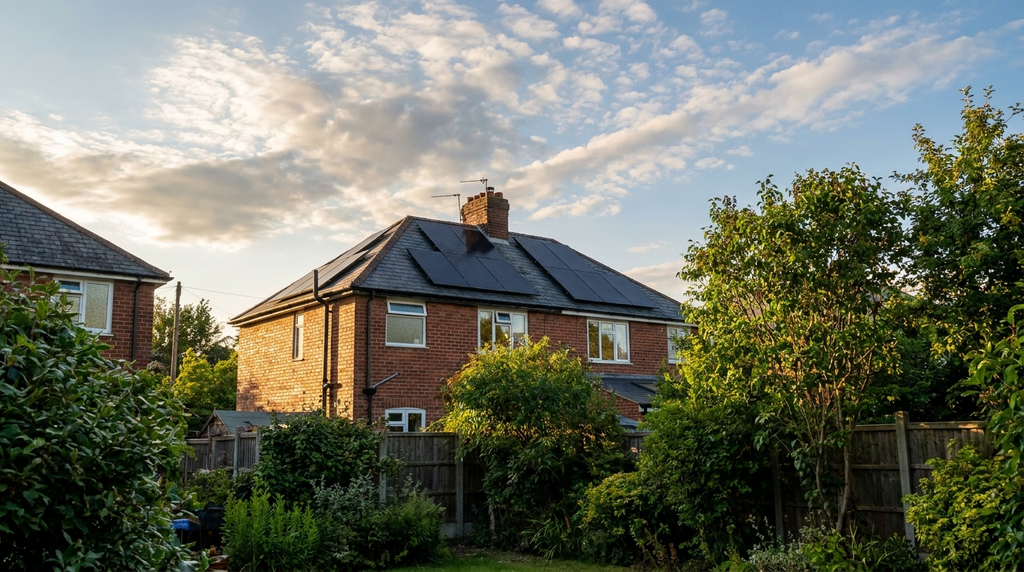
A typical UK 1930s semi-detached house with a south-facing standing seam metal roof can install a 4 kW solar panel system for roughly £6,500 after the 0% VAT saving (in place until March 2027). The Energy Saving Trust estimates this system would generate around 3,400 kWh per year, saving a household on standard variable tariffs approximately £680 annually on electricity bills. With the Smart Export Guarantee (SEG) paying roughly 15p per kWh for exported power, you could earn an extra £150 per year. The total upfront cost after the VAT reduction is around £6,500, giving a payback period of about 8 years. Over a 25-year system lifetime, total savings and SEG income could reach £20,750, assuming a modest 3% annual rise in energy prices. A structural survey by an MCS-certified installer is essential to confirm the roof can support the added 15-20 kg/m² load.
| Item | Figure |
|---|---|
| Upfront cost after grants | £6,500 |
| Yearly savings | £830 |
| Payback period | 8 years |
| 25-year lifetime savings | £20,750 |
What homeowners often get wrong
The most common mistake is assuming all metal roofs need drilling for panel fixings. This misconception can lead to unnecessary worry about leaks or a missed opportunity for a cleaner installation. Here are three frequent errors homeowners make.
- Believing every metal roof requires penetrations Many homeowners think brackets must bolt through the metal, risking leaks. The reality is that standing seam roofs use clamp-on fixings that grip the seams without any holes, preserving the waterproof layer completely.
- Overlooking the need for a structural survey A common assumption is that a metal roof is always strong enough for solar panels. Without a survey, an older or lightweight roof could fail under the extra 15-20 kg/m² load, voiding your warranty and costing over £2,000 in repairs.
- Thinking all metal roof profiles are the same Some assume the same fixing method works for corrugated and standing seam roofs. Using the wrong bracket on a corrugated roof can cause leaks and invalidate the roof’s guarantee, so you must match the fixings to the specific profile.
Quick reference
- Standing seam metal roofs allow clamp-on solar panel fixings with zero roof penetrations.
- A 4 kW solar panel system on a metal roof costs roughly £6,500 after the 0% VAT reduction.
- The Energy Saving Trust recommends a structural survey to confirm your metal roof can support 15-20 kg/m² of added panel weight.
- You can earn around £150 per year through the Smart Export Guarantee for electricity you sell back to the grid.
- Failing to match the fixing bracket to your roof profile, standing seam, corrugated, or trapezoidal, risks leaks and voids your warranty.
Frequently Asked Questions
Yes, if you have a standing seam metal roof. Clamps attach directly to the seams, avoiding any roof penetrations and preserving waterproof integrity.
Solar panels add around 15-20 kg per square metre. The Energy Saving Trust recommends a structural survey to confirm your roof can support this load.
No, when installed correctly by a qualified installer. Standing seam roofs use non-penetrating clamps, and corrugated roofs use sealed brackets to prevent leaks.