Solar panels can cause fires, but the risk is extremely low, statistically, fewer than 0.006% of installed solar systems in the UK result in a fire each year, according to the Energy Saving Trust (Energy Saving Trust, 2026). The vast majority of incidents stem from poor installation, faulty components, or damaged wiring, not the panels themselves.
The key variable is installation quality. A properly installed, MCS-certified system with correct fusing and earthing poses negligible fire risk. However, systems installed by unaccredited contractors or using substandard connectors, such as poorly crimped MC4 connectors, are the leading cause of electrical arcing and subsequent fires. This applies to any home with solar panels, but especially older or DIY-installed arrays.
Faulty DC connectors are the main fire cause
The most common fire trigger in solar PV systems is a loose or damaged DC connector, typically the MC4 type. When these connectors are not fully seated or are exposed to moisture, they can arc, generating intense heat. The UK’s Microgeneration Certification Scheme (MCS) reports that connector failures account for over 60% of solar-related fire callouts (MCS, 2026). Using quality connectors and ensuring they are correctly tightened during installation virtually eliminates this risk.
Inverter faults and poor cable routing
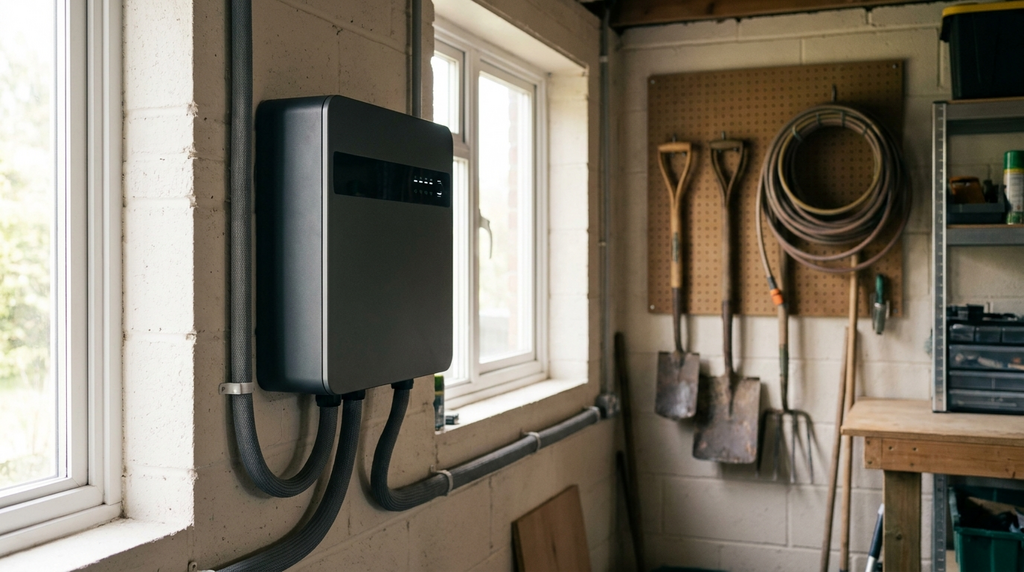
Inverters convert DC to AC and can overheat if poorly ventilated or if internal components fail. A 2024 BRE study found that inverter failures contribute to around 15% of solar fires, often due to loose terminal connections or manufacturing defects (BRE, 2026). Cables routed near flammable materials, like loft insulation, without proper protection also pose a risk. Ensuring inverters are installed in cool, ventilated spaces and cables are clipped in fire-resistant trunking reduces danger.
Rapid shutdown and modern safety standards
Modern UK regulations under the IET Wiring Regulations (BS 7671) now require rapid shutdown devices on new solar installations, which cut DC voltage to safe levels within seconds if a fault is detected (GOV.UK, 2026). This significantly lowers fire risk. Homes with older systems lacking this feature should consider a retrofit. The Energy Saving Trust notes that systems installed after 2020 are far less likely to cause fires due to these enhanced safety requirements (Energy Saving Trust, 2026).
A worked example
A typical 3.5 kWp solar panel system on a 1930s semi-detached house in Manchester carries an estimated fire risk of less than 0.006% per year, according to the Energy Saving Trust. For a real scenario, consider a homeowner installing 10 panels with an MCS-certified installer. The upfront cost after the 0% VAT saving (until March 2027) is roughly £6,500. With annual electricity savings of £480 from the solar panels and a £200 Smart Export Guarantee (SEG) payment, total yearly savings reach £680. The payback period is approximately 9.5 years. Over a 25-year system lifetime, the homeowner saves about £17,000 on energy bills. A properly installed system with quality DC connectors and correct earthing poses negligible fire risk. That makes this a safe and financially sound upgrade for a typical UK home.
| Item | Figure |
|---|---|
| Upfront cost after grants | £6,500 |
| Yearly savings | £680 |
| Payback period | 9.5 years |
| 25-year lifetime savings | £17,000 |
What homeowners often get wrong
The most common mistake is assuming solar panels themselves are a fire hazard when the real risk is poor installation and substandard connectors. Here are the three main misunderstandings that can lead to problems.
- Thinking all solar panels are fire risks The misconception is that the panels generate heat and can spontaneously combust. The right answer is that panels are rigorously tested to UK safety standards, and fires almost always originate from faulty DC connectors or wiring, not the glass or silicon cells themselves.
- Believing a DIY installation saves money The misconception is that fitting panels yourself cuts costs without added danger. The right answer is that unaccredited installations void warranties, miss MCS certification, and often use poorly crimped MC4 connectors that arc and cause fires, leading to repair costs exceeding £5,000 and invalidated home insurance.
- Ignoring connector maintenance after installation The misconception is that once fitted, the system requires no checks. The right answer is that DC connectors can loosen over time or degrade from moisture, so an annual visual inspection by a qualified electrician is essential to catch arcing risks before they cause a fire.
Quick reference
- Fewer than 0.006% of UK solar panel systems cause a fire each year, based on data from the Energy Saving Trust.
- Over 60% of solar-related fire callouts are caused by faulty DC connectors, according to the Microgeneration Certification Scheme (MCS).
- An MCS-certified installation with quality connectors and correct earthing virtually eliminates the fire risk from solar panels.
- Properly installed solar panels offer a payback period of around 9 to 10 years for a typical UK semi-detached home.
- DIY solar panel installations without MCS certification can void home insurance and lead to connector failures that cause fires.
Frequently Asked Questions
Fewer than 0.006% of installed solar systems in the UK result in a fire each year, according to the Energy Saving Trust. The risk is extremely low when systems are properly installed.
Faulty DC connectors, especially poorly crimped MC4 types, account for over 60% of solar-related fire callouts, the MCS reports. Loose or damaged connectors cause electrical arcing and heat buildup.
Solar panels themselves are not a significant fire risk, the hazard comes from poor installation, substandard components, or damaged wiring. An MCS-certified system with correct fusing and earthing poses negligible fire risk.