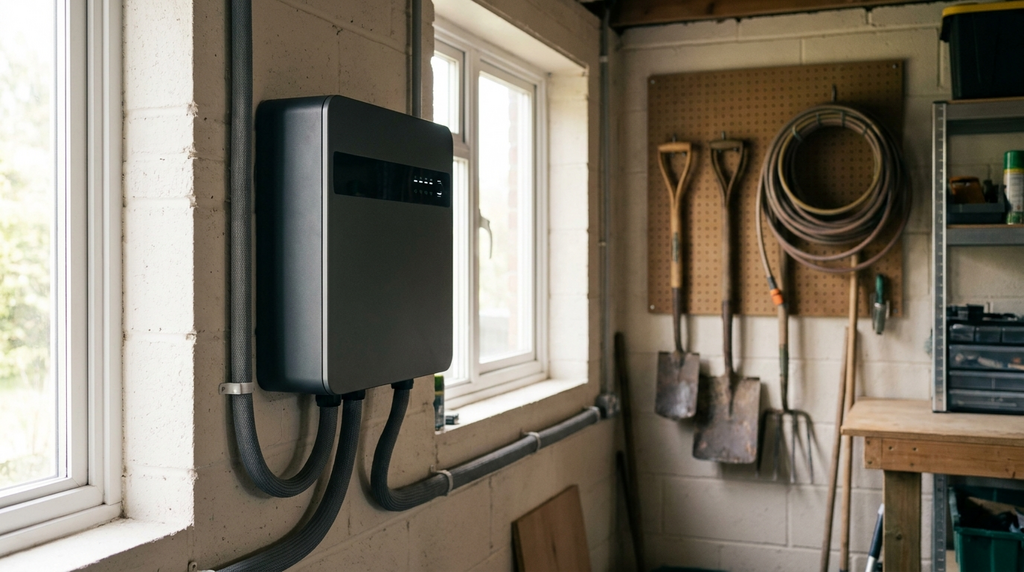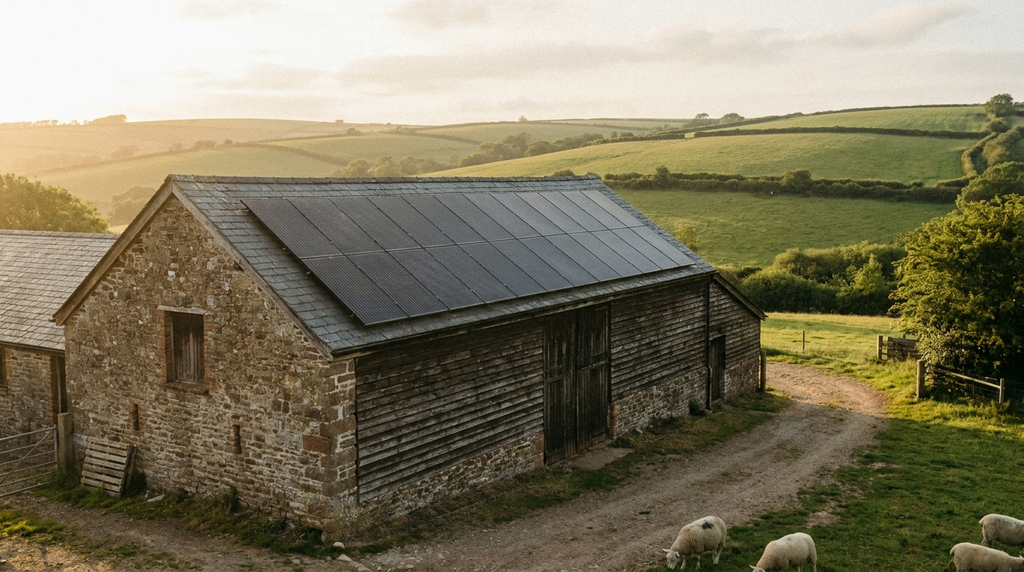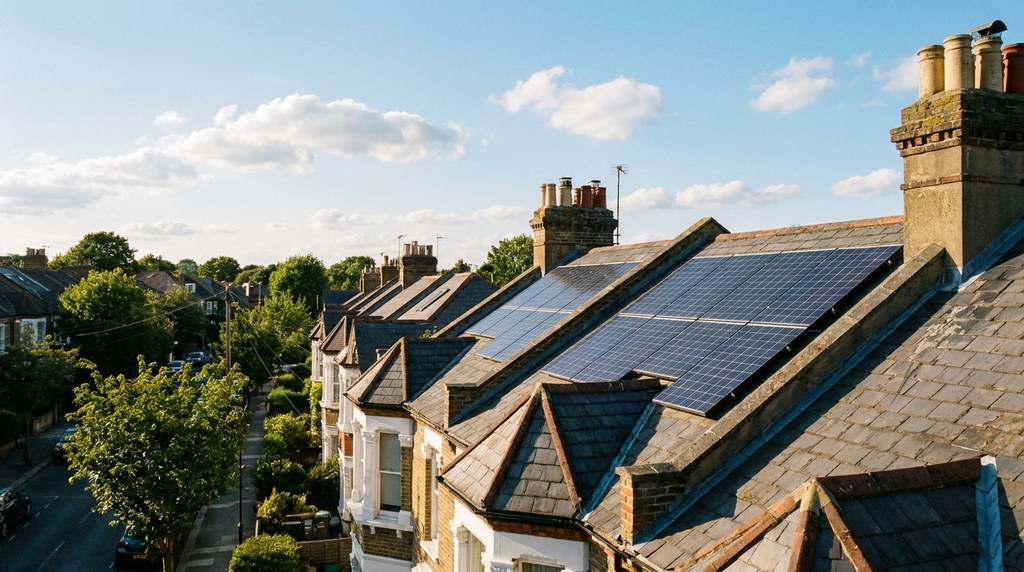
A DIY solar install can cost roughly half a professional system, but the legal and grid-connection rules make it a very different project from a hired one.
Installing solar panels yourself can cut the upfront cost significantly. However, the legal requirements for connecting the system to your home’s electrical supply and the national grid are strict. These rules affect everything from safety certification to whether you can get paid for the electricity you export.
Yes, DIY solar install is legal in the UK in 2026. A 4 kWp system costs £2,500-£4,000 in hardware, roughly half a professional install. However, the final electrical connection must be signed off by a qualified electrician and you lose MCS certification, blocking export payments.
- DIY solar install is legal in the UK in 2026 with strict rules.
- A 4 kWp system costs £2,500-£4,000 in hardware, half a pro install.
- Final electrical connection must be signed off by a qualified electrician.
- DIY systems lack MCS certification, blocking export tariffs and grants.
- Notify your Distribution Network Operator before grid connection.
- A DIY solar install can cost roughly half a professional system, but the legal and grid-connection rules make it a very different project from a hired one.
- What a DIY solar installation actually costs vs. a professional install in 2026
- The legal status of DIY solar wiring and who must sign it off
- Quick numbers, key costs, savings, and payback for a DIY solar array in 2026
- The direct answer can you legally install solar panels yourself in the UK in 2026?
- How to get MCS certification and qualify for the Smart Export Guarantee (SEG)
- The four steps to verify a DIY solar installer or electrician for the final connection
- Planning permission, listed buildings, and conservation areas for DIY solar
The direct answer is yes, you can legally install solar panels yourself in the UK in 2026, but only if you follow building regulations, notify the relevant authorities, and have the final electrical connection signed off by a qualified professional. A typical 4 kWp DIY system costs around £2,500 to £4,000 in hardware, compared to £5,500 to £7,500 for a professionally installed MCS-certified system (Energy Saving Trust, 2026).
What a DIY solar installation actually costs vs. a professional install in 2026
A professional 4 kWp system from an MCS-certified installer typically costs between £5,500 and £7,500 according to Solar Energy UK and MCS market data for 2026. This price includes panels, inverter, mounting system, cabling, labour, certification, and VAT at the reduced 5% rate for energy-saving materials.
The DIY equivalent hardware (panels, inverter, cables, roof mounts) costs roughly £2,500 to £4,000, based on Energy Saving Trust estimates for self-purchased components (Energy Saving Trust, 2026). The gap represents saved labour and installer margins, but you must weigh this against additional costs for certification, testing, and potential remedial work.
The DIY route typically excludes the MCS certificate, which affects grant eligibility and export tariff access (see below). You may also need to pay a qualified electrician to inspect and sign off the final connection, which adds £200 to £500 to the total cost.
The legal status of DIY solar wiring and who must sign it off
In England and Wales, any electrical work that adds a new circuit to a consumer unit is notifiable under Part P of the Building Regulations (GOV.UK Building Regulations Part P, 2026). A DIY installer can do the physical work of mounting panels and running DC cables, but the final AC connection to the consumer unit must be either inspected and tested by a registered competent person (NICEIC or NAPIT) or notified to the local building-control body before work starts.
Scotland has its own system under Building Standards Section 4.5, which requires a certificate from an approved certifier (SELECT or NICEIC) for the final connection. In Northern Ireland, the Building Regulations (Northern Ireland) 2012 apply, and similar notification rules are in place.
Failure to notify can lead to a fine and difficulty selling the property. Mortgage lenders may flag unregistered electrical work during a property survey, which can delay or block a sale.
Quick numbers, key costs, savings, and payback for a DIY solar array in 2026
| Item | DIY | Professional (MCS) |
|---|---|---|
| System size (4 kWp typical) | 4 kWp | 4 kWp |
| Hardware cost | £2,500–£4,000 | £5,500–£7,500 |
| Annual generation (kWh) | ~3,400 kWh | ~3,400 kWh |
| Annual savings (at 28p/kWh export) | £952 | £952 |
| Payback period | 8–10 years | 12–15 years |
Key figure: DIY payback typically runs 8 to 10 years versus 12 to 15 years for a professional install, but only if the DIY system qualifies for the Smart Export Guarantee (SEG) (Ofgem Smart Export Guarantee, 2026). Without SEG payments, the payback period stretches significantly.
The direct answer can you legally install solar panels yourself in the UK in 2026?
Yes, you can legally install the panels, mounting system, and DC cabling yourself, provided you own the property and comply with planning rules (if any). The legal boundary is the connection to the grid: a DIY system must be installed to the Distribution Network Operator’s G99/G100 standards, and the final AC connection must be done or signed off by a qualified electrician (Energy Networks Association G99/G100 guidance, 2026).
The homeowner remains legally responsible for the safety of the installation, even if a third party signs off the electrical work. If the system causes a fire or electrical fault, the homeowner bears liability. Insurance policies may also require proof of professional sign-off to cover the solar array.
For more on the upfront costs, see our guide on solar panel cost breakdown for UK homes.
How to get MCS certification and qualify for the Smart Export Guarantee (SEG)
The Microgeneration Certification Scheme (MCS) is not a legal requirement to own solar panels, but it is a condition for most SEG tariffs (Ofgem SEG eligibility, 2026). A DIY install cannot receive MCS certification because MCS certifies the installer, not the system. The homeowner is not a certified installer.
Workaround: some homeowners pay an MCS-certified installer to inspect and certify the completed system through a “design-and-certify” service. This typically costs £300 to £600 (MCS Consumer FAQs, 2026). The installer reviews the design, checks the installation against MCS standards, and issues the certificate.
Without MCS certification, the only SEG option is a non-MCS tariff from a supplier that accepts DIY systems. As of 2026, Octopus Outgoing Fixed, EDF, and a few other suppliers offer such tariffs. Check the current list on Ofgem’s SEG supplier page, as availability changes.
The four steps to verify a DIY solar installer or electrician for the final connection
The electrician signing off the final AC connection must be registered with a competent-person scheme: NICEIC, NAPIT, or STROMA (GOV.UK Find a registered electrician, 2026). Follow these four steps:
- Check the registration number on the scheme’s public register. For example, use the NICEIC “Find a Contractor” tool or the NAPIT register.
- Confirm solar inverter experience, not all domestic electricians are familiar with solar inverter wiring, generation meters, or G99/G100 compliance. Ask directly about their solar installation history.
- Verify MCS certification if using a “design-and-certify” service. Check the installer’s MCS number on the MCS Installer Database (MCS register, 2026).
- Get a written scope of work before they start. The quote should specify which parts of the system they will inspect, test, and certify.
Planning permission, listed buildings, and conservation areas for DIY solar
Most domestic solar panels are Permitted Development, meaning no planning permission is needed, if they meet the size and placement rules (GOV.UK Permitted development rights for solar panels, 2026). Key rules: panels must not project more than 200mm from the roof plane, and stand-alone ground-mounted arrays are limited to 4m height and 9m² area.
Listed buildings and properties in conservation areas require planning permission and may need listed-building consent (Historic England Solar panels on listed buildings guidance, 2026). Failure to check can result in enforcement action and removal orders, a cost that dwarfs any DIY savings.
For more on navigating planning rules, see our guide on solar panel planning permission guide for UK homeowners.
Frequently Asked Questions
Yes, you can install solar panels yourself in the UK in 2026, but the final electrical connection must be certified by a qualified electrician. You also need to notify your Distribution Network Operator and comply with building regulations, as stated by the Energy Saving Trust.
No, DIY solar installations are not MCS certified because MCS certification requires a registered installer. Without MCS certification, you cannot access the Smart Export Guarantee or certain grants like the Boiler Upgrade Scheme, according to Ofgem.
A DIY 4 kWp solar system costs £2,500 to £4,000 for hardware, compared to £5,500 to £7,500 for a professional installation. This estimate comes from the Energy Saving Trust for 2026, excluding additional costs for electrician sign-off (£200-£500).
Yes, you need building regulations approval for a DIY solar panel installation, particularly for structural integrity and electrical safety. You must notify your local authority building control or use a registered competent person scheme, as per GOV.UK.
No, you cannot access the Smart Export Guarantee with a DIY solar system because it requires MCS certification. Without an eligible export tariff, you will not receive payment for electricity exported to the grid, as confirmed by Ofgem.