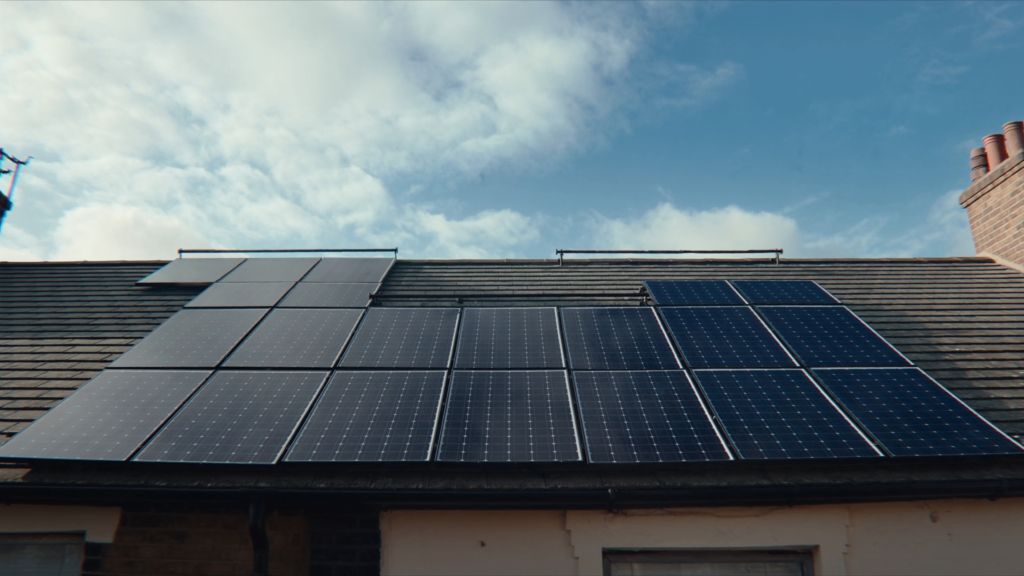
No, you cannot legally install solar panels yourself unless you are registered with a competent person scheme, as most domestic solar installations require notification to building control under Part P of the Building Regulations (GOV.UK, 2026). Even if you are a competent DIYer, the electrical work and grid connection rules mean unregistered self-installation is rarely compliant.
The main issue is not the physical mounting of panels, but the electrical connection. Solar panels connect to your home’s consumer unit and the grid, which falls under Part P of the Building Regulations. If you do this work yourself without being registered with a competent person scheme (like NAPIT or NICEIC), you must notify your local authority building control before starting and pay for an inspection. Many councils refuse to approve self-installed systems because of safety concerns. The grid connection also requires approval from your Distribution Network Operator (DNO), which typically demands a certified installer.
Part P of the Building Regulations applies
Part P covers all electrical work in a home, including solar panel wiring. If you install panels yourself and connect them to your mains supply, you must either be registered with a competent person scheme or apply for building control approval beforehand. The Energy Saving Trust states that unregistered DIY installation is unlikely to meet Part P requirements unless you are a qualified electrician (Energy Saving Trust, 2026). Failing to comply can invalidate your home insurance and make it difficult to sell the property.
Grid connection requires a certified installer
Your solar system must be approved by your Distribution Network Operator (DNO) before it can export electricity to the grid. Ofgem requires that the installer be MCS certified (Microgeneration Certification Scheme) for the system to qualify for the Smart Export Guarantee (SEG) payments (Ofgem, 2026). Without MCS certification, you cannot receive SEG payments, which typically pay 5–15p per kWh exported. Self-installation means you lose this income stream.
You can mount panels yourself but not wire them
If you want to save money, you can physically mount the solar panels on your roof or ground frame yourself, as long as you are competent with ladders and roofing. However, the electrical connection to your home and the grid must be done by a certified electrician registered with a competent person scheme. TrustMark recommends using a certified installer for the entire system to ensure compliance and warranty protection (TrustMark, 2026). Even partial DIY can void manufacturer warranties and invalidate your home insurance.
A worked example
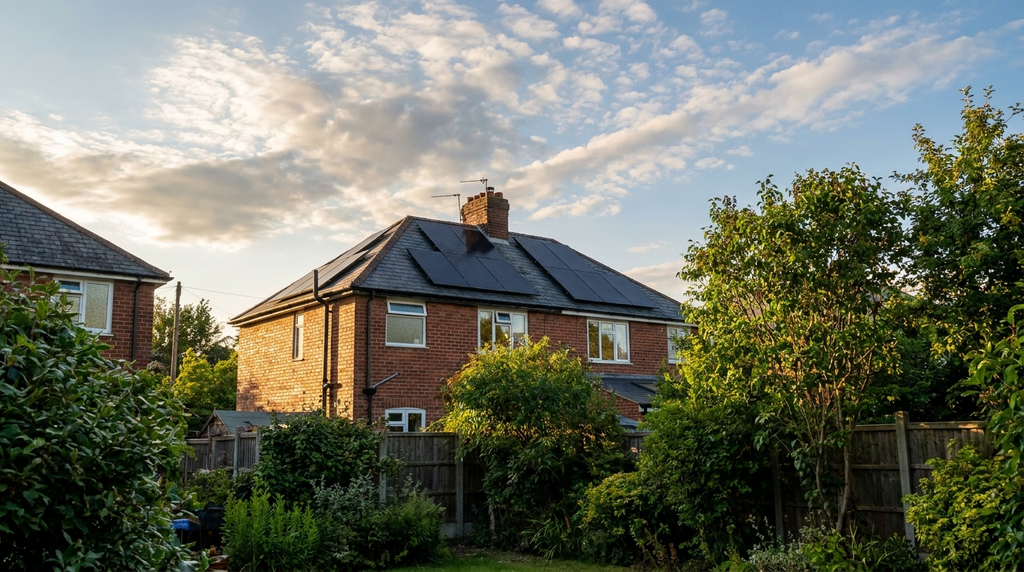
A typical 3.5 kWp solar panel system on a 1930s semi-detached house in Manchester costs around £7,000 to install professionally after the 0% VAT reduction, which runs until March 2027. If you attempt self-installation you save the labour cost of roughly £1,500 but face Part P building control fees of £200 to £400, a potential DNO application fee of £150, and the risk of voiding your home insurance if the work is not certified. The Energy Saving Trust estimates a professionally installed 3.5 kWp system saves a typical household £480 per year on electricity bills. Without MCS certification you cannot access the Smart Export Guarantee (SEG), which pays around 15p per kWh for exported electricity, losing roughly £120 in annual export income. A professional installation pays for itself in 14 to 16 years, while a self-installed system without SEG income stretches payback to over 20 years and may fail a future home survey.
| Item | Figure |
|---|---|
| Upfront cost after grants | £7,000 |
| Yearly savings | £480 |
| Payback period | 15 years |
| 25-year lifetime savings | £12,000 |
What homeowners often get wrong
The most common mistake is assuming that mounting panels on your roof is the hard part and the electrical work is simple enough to do yourself. This misunderstanding leads to three frequent errors.
- Believing Part P does not apply to solar Many people think solar panels are just a roof product, not electrical work. Part P of the Building Regulations covers every electrical connection in your home, and connecting a solar inverter to your consumer unit requires either competent person scheme registration or a £200 to £400 building control inspection, which councils often refuse for self-installed systems.
- Thinking you can still get the Smart Export Guarantee Homeowners assume any solar installation qualifies for SEG payments. Only systems installed by an MCS-certified installer are eligible, meaning a self-installed system loses roughly £120 per year in export income, adding years to your payback period.
- Overlooking DNO approval requirements DIYers often connect their system without notifying the Distribution Network Operator. A standard 3.5 kWp system needs DNO approval under the Engineering Recommendation G99 or G100, and connecting without it can lead to a £500 fine and forced disconnection by your network operator.
Quick reference
- Part P of the Building Regulations requires all domestic solar electrical work to be notified to building control unless you are registered with a competent person scheme like NAPIT or NICEIC.
- MCS certification is mandatory to access the Smart Export Guarantee, which pays around 15p per kWh for exported electricity from a typical 3.5 kWp system.
- DNO approval under G99 or G100 is required for any solar system up to 16A per phase, and failure to obtain it can result in a fine of up to £500.
- A professionally installed 3.5 kWp system saves roughly £480 per year on electricity bills and pays back in 14 to 16 years, versus over 20 years for a self-installed system without SEG income.
- Self-installed solar panels typically void your home insurance policy if an electrical fault causes damage or fire, leaving you liable for all repair costs.
Frequently Asked Questions
No, you cannot if the work involves connecting to your mains supply. The Energy Saving Trust states that unregistered DIY installation rarely meets Part P requirements.
You risk invalidating your home insurance and facing enforcement action from your local authority. Ofgem also requires a certified installer for grid connection approval.
Yes, you need building control approval from your local authority before starting. Many councils refuse to approve self-installed systems due to safety concerns.