1. Improve your EPC rating
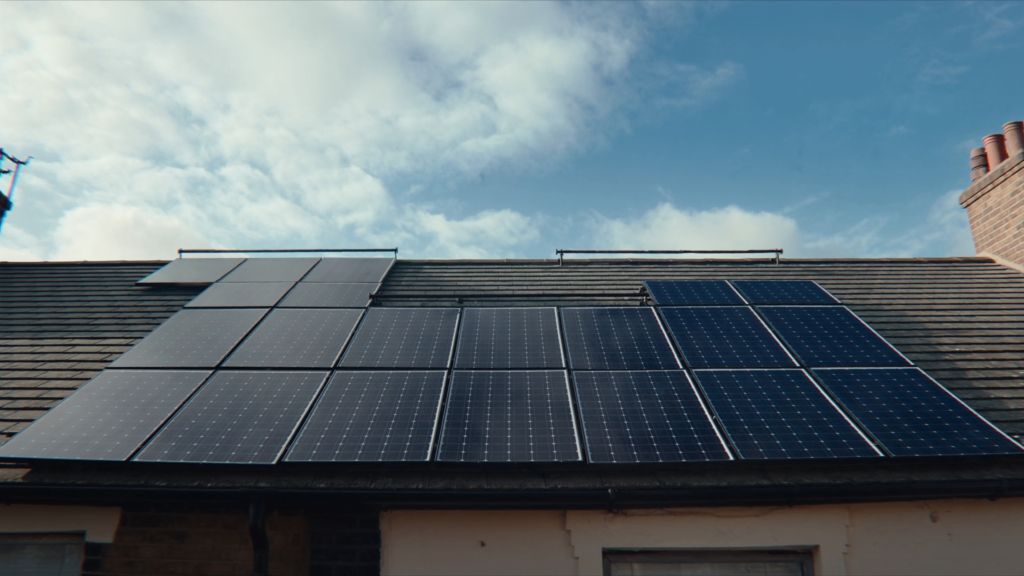
Solar panels can lift a home’s EPC rating by one or two bands, directly increasing saleability and price. A D-to-C improvement is estimated to add £5,000–£10,000 to property value (Energy Saving Trust, 2026). This rating is the single biggest factor buyers check when comparing homes.
- Higher EPC bands mean lower estimated energy costs, a key selling point.
- An EPC C or above can unlock green mortgage deals for the next owner.
- The uplift is largest for homes starting at band D or E.
How to check your EPC rating before buying solar panels
2. Cut annual electricity bills
A typical 4kW system saves £400–£600 per year on electricity bills, making the home cheaper to run. This saving is a key selling point for buyers, especially with rising energy prices (Ofgem, 2026). Buyers factor these ongoing savings into their offer.
- Larger households with daytime energy use see the biggest bill reductions.
- Combined with battery storage, you can shift savings to evening peak rates.
- Lower bills mean the home has a lower cost of ownership over time.
3. Earn through the Smart Export Guarantee
You get paid for surplus electricity exported to the grid, typically 5–15p per kWh. This ongoing income stream can be transferred to a new owner, boosting the home’s appeal (Ofgem, 2026). Buyers see a home that pays them back every quarter.
- Income depends on system size and how much you use on site.
- Transfer of the SEG contract is straightforward and can be included in the sale.
- Even modest exports of 1,000 kWh a year can add £50–£150 annually.
4. Receive a 0% VAT installation
Solar panel installations are zero-rated for VAT until 2027, reducing upfront cost by 20%. This makes the investment more attractive and can be highlighted in sale negotiations (GOV.UK, 2026). Buyers know they won’t face a VAT charge if they take on the system.
- A typical £7,000 system saves £1,400 in VAT compared to standard rate.
- The zero-rate applies to panels, batteries, and installation labour.
- This policy makes solar panels more cost-effective than ever for homeowners.
5. Increase property desirability
Homes with solar panels sell 20% faster on average than those without, according to estate agent surveys. Buyers perceive them as modern, low-maintenance upgrades (Energy Saving Trust, 2026). A faster sale means less time on the market and fewer price reductions.
- Solar panels signal that the home is energy-efficient and well-maintained.
- Younger buyers in particular actively seek homes with renewable energy.
- A shorter marketing period reduces estate agent fees and stress.
6. Extend roof lifespan
Panels protect the roof area beneath them from weather exposure, potentially adding years to its life. A longer-lasting roof is a clear value-add for any buyer (MCS, 2026). Buyers don’t need to budget for roof replacement as soon as they move in.
- Panels shield from UV, rain, and hail, reducing weathering of tiles.
- Installation must be MCS-certified to ensure no damage to the roof structure.
- A roof that lasts 5–10 years longer adds thousands to the home’s value.
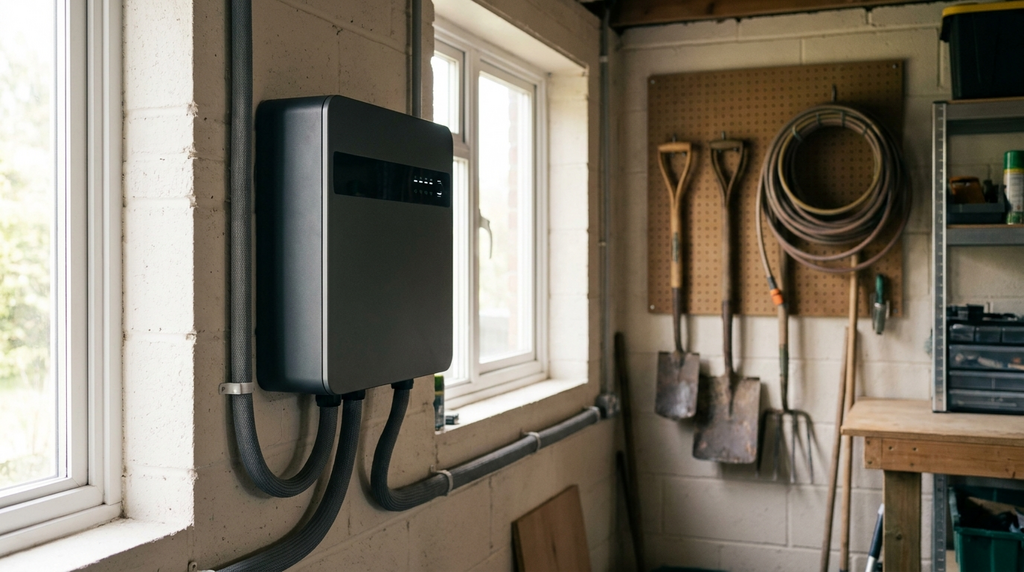
7. Enable battery storage integration
Adding a home battery lets you store excess daytime energy for evening use, maximising savings. A battery can increase the overall system value by £1,000–£2,000 on resale (Energy Saving Trust, 2026). Buyers see a home that can run on stored solar power after dark.
- Batteries typically store 5–13 kWh, enough to power a home through peak evening hours.
- They also provide backup power during grid outages, a growing concern.
- A ready-to-use battery system is a premium feature in the resale market.
8. Qualify for green mortgage discounts
Some lenders offer lower interest rates for homes with an EPC rating of C or above, achievable with solar panels. This reduces monthly mortgage costs for the new owner, adding financial appeal (GOV.UK, 2026). Buyers can save hundreds of pounds a year on their mortgage.
- Green mortgage rates are typically 0.1–0.5% lower than standard deals.
- The discount is available at remortgage as well as for new purchases.
- Solar panels are one of the easiest ways to reach the EPC C threshold.
9. Boost home insurance appeal
Solar panels are covered under most standard home insurance policies, with no extra premium in many cases. This reassures buyers that the system is protected against damage or theft (TrustMark, 2026). A well-insured system is one less worry for the next owner.
- Most policies cover panels as part of the buildings insurance, not contents.
- Check that the installation is MCS-certified to avoid policy exclusions.
- Battery storage may need a separate notification to the insurer.
10. Demonstrate future-proofing
With the UK’s net-zero targets, solar panels show the home is ready for stricter energy regulations and rising energy costs. This long-term resilience is increasingly valued by forward-looking buyers (Energy Saving Trust, 2026). A solar-equipped home will age better than one without.
- Future building regulations may require new homes to have solar panels anyway.
- Rising energy prices make solar panels a hedge against inflation.
- Buyers see it as a sign the home won’t need major upgrades soon.
Solar panels and EPC ratings explained
| EPC Band (Before Solar) | Typical EPC Band (After Solar) | Estimated Value Uplift | Key Source |
|---|---|---|---|
| D | C | £5,000–£10,000 | Energy Saving Trust |
| E | D | £3,000–£6,000 | Energy Saving Trust |
| F | E | £1,500–£4,000 | Energy Saving Trust |
| G | F | £1,000–£3,000 | Energy Saving Trust |
Adding solar panels to your UK home can increase its market value by an average of 2–4%, with properties in higher energy bands seeing the greatest uplift. The single most important factor is the property’s EPC rating, where a D-to-C jump alone can add around £5,000 to the sale price.
When you choose solar panels for your home, the value they add depends on more than just the panels themselves. Key factors include your property’s starting EPC rating, the system’s certified installation and warranty, and how well the panels integrate with your roof and existing energy systems. Buyers increasingly look for lower running costs and green credentials, so a well-documented, high-efficiency installation will command a premium.
Solar panels add real, measurable value to a UK home through higher EPC ratings, lower energy bills, and a faster sale. A well-installed system with battery storage and a clear transferable export contract offers the best return on investment.
How to choose the right solar panel installer
Frequently Asked Questions
Solar panels typically add £5,000–£10,000 to your home value by improving the EPC rating by one or two bands, according to the Energy Saving Trust (2026).
Yes, solar panels increase property value by lifting the EPC rating, which is the top factor buyers check. The Energy Saving Trust estimates a D-to-C improvement adds £5,000–£10,000.
The Smart Export Guarantee (SEG) pays you 5–15p per kWh for surplus electricity exported to the grid, as set by Ofgem (2026). This ongoing income can transfer to a new owner.
Yes, solar panel installations are zero-rated for VAT until 2027, saving 20% on upfront costs. GOV.UK confirms this applies to panels, batteries, and installation.
A higher EPC rating directly boosts home value and saleability. The Energy Saving Trust says improving from band D to C adds £5,000–£10,000, and it unlocks green mortgage deals.