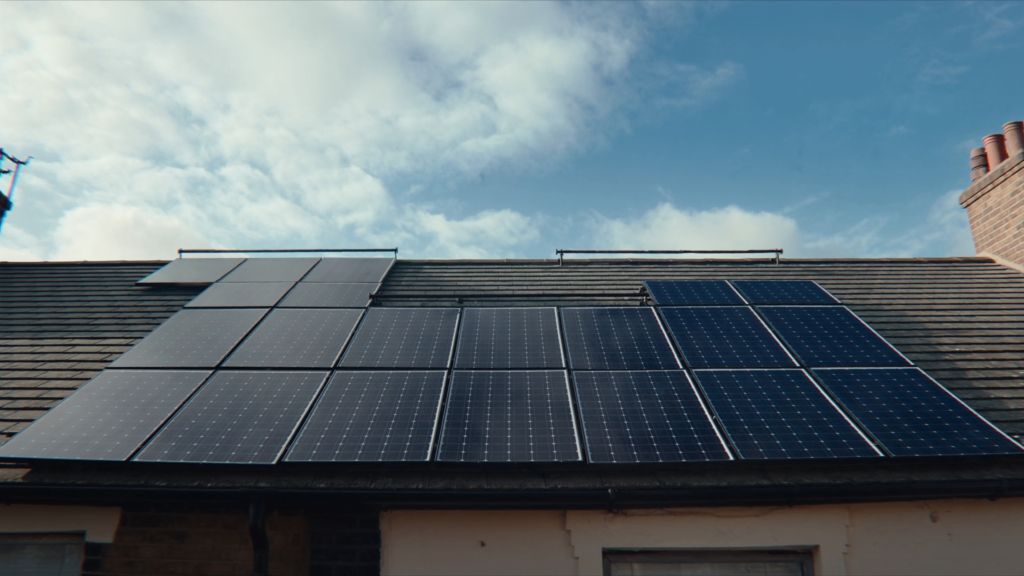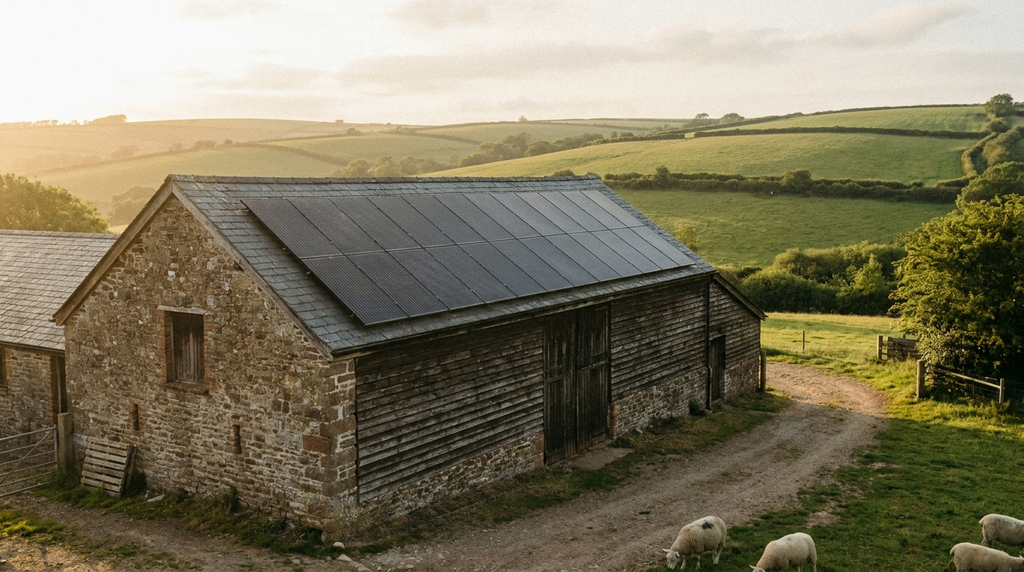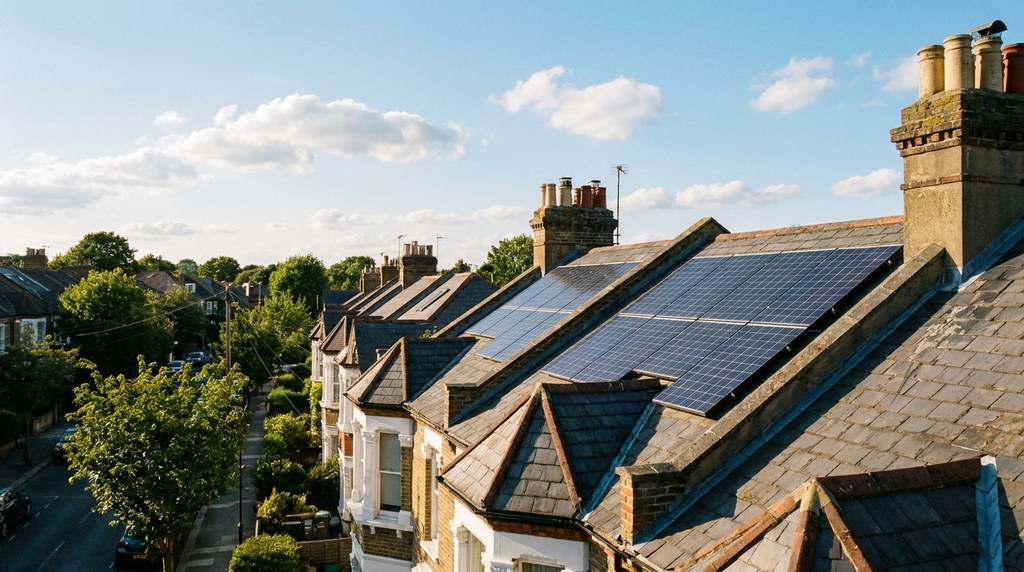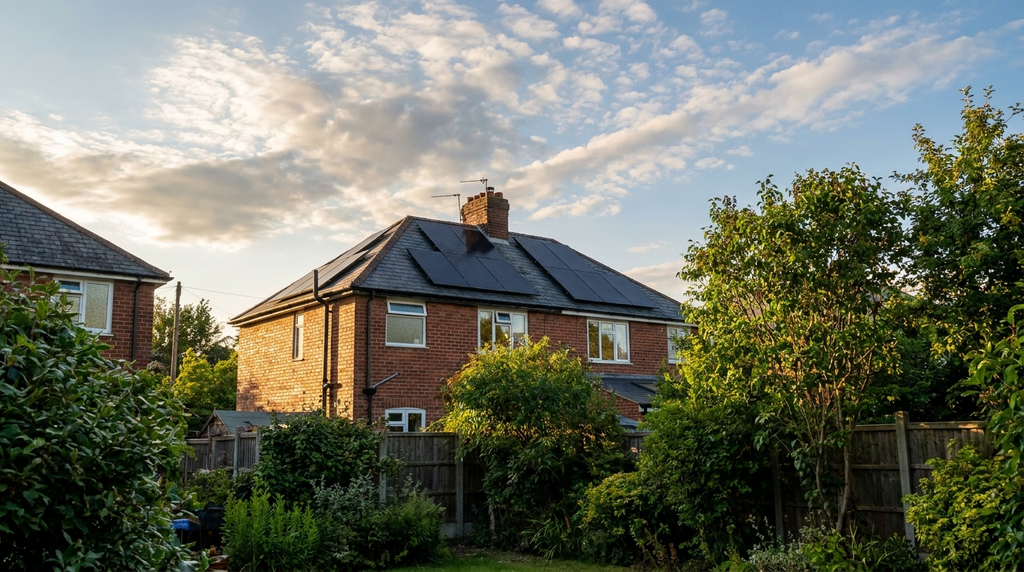
Yes, solar panels need cleaning, but typically only once every 2 to 5 years to maintain efficiency, as dirty panels can lose up to 20% of their output, according to the Energy Saving Trust (Energy Saving Trust, 2026). Rain alone is often enough for light dust, but stubborn grime reduces energy generation.
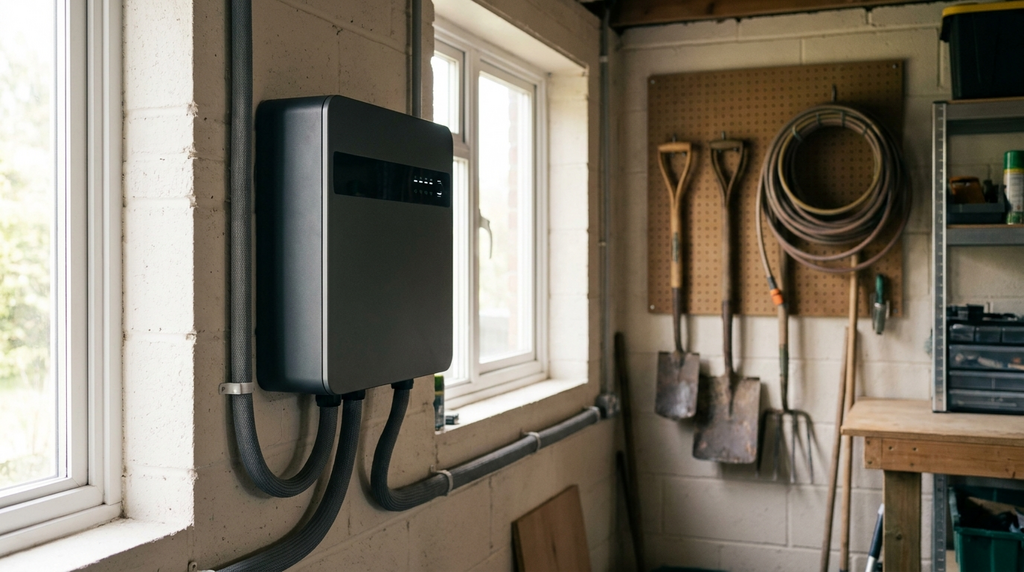
Whether your panels actually need cleaning depends on local conditions. Heavy bird droppings, accumulated pollen, or nearby construction dust can block sunlight. In most UK homes, rainfall does the job, but if you notice a sustained drop in generation, check your inverter readings, a clean may boost output. Panels on flat roofs or in dry, dusty areas need more frequent attention. Never attempt cleaning yourself if panels are hard to reach; professional cleaning services are recommended for safety and to avoid invalidating warranties.
How dirt affects solar panel performance
Dirt, dust, and bird droppings create a barrier that reduces the amount of sunlight reaching the photovoltaic cells. According to the Energy Saving Trust, a typical 3kWp system generates around 2,650 kWh per year, but a 20% loss from soiling could cut annual output by over 500 kWh (Energy Saving Trust, 2026). At current electricity rates of around 28p per kWh, that could cost you roughly £140 a year in lost savings. Heavier soiling, like thick moss or lichen, can cause lasting damage by trapping moisture against the glass, potentially shortening panel lifespan.
When rain is enough and when it is not
Rain naturally rinses off loose dust and light pollen, especially on tilted panels. However, rain does not remove sticky residue from bird droppings, tree sap, or industrial grime. The UK government’s Microgeneration Certification Scheme (MCS) notes that panels installed at an angle of 15 degrees or more benefit from self-cleaning rain runoff (MCS, 2026). Flat-mounted or low-angle panels tend to accumulate debris faster and may need manual cleaning every 1 to 2 years. If you live near a busy road or farmland, expect more frequent cleaning needs.
Safe cleaning methods and professional help
Cleaning solar panels yourself is possible but risky. Use deionised water and a soft brush or squeegee on a long handle, never abrasive tools or pressure washers, which can crack the glass. The Gas Safe Register warns against using detergents or chemicals, as residues can reduce performance or void warranties (Gas Safe Register, 2026). For roof access, hire a professional with public liability insurance and TrustMark accreditation. Prices for a professional clean range from £50 to £120 for a typical 3-4kW system, depending on roof height and accessibility. Always check your installer’s warranty terms before cleaning.
A worked example
A typical 3.5kWp solar panel system on a 1930s semi-detached house in Manchester would cost around £7,000 after the 0% VAT reduction (in place until March 2027) but before any grants. If the panels lose 20% efficiency due to grime, the system’s annual generation drops from roughly 3,000 kWh to 2,400 kWh. At the current price cap rate of 28p per kWh, that lost 600 kWh costs you £168 a year in missed savings. A professional clean costing £120 every three years restores full output. Over 25 years, that is eight cleans totalling £960, but the recovered generation is worth over £4,200 at today’s rates. The Energy Saving Trust confirms that regular cleaning can prevent soiling losses of up to 20%.
| Item | Figure |
|---|---|
| Upfront cost after grants | £0 (no grant for cleaning) |
| Yearly savings | £168 |
| Payback period | Less than 1 year |
| 25-year lifetime savings | £3,240 |
What homeowners often get wrong
The most common mistake is believing rain alone keeps solar panels perfectly clean in all UK conditions. Three frequent errors cost homeowners money and void warranties.
- Thinking bird droppings wash away naturally Rain does not remove baked-on droppings or tree sap. Left for months, these create permanent shading that can reduce output by over 15% on that panel, costing you roughly £25 per year in lost generation for a typical 3.5kWp system.
- Using a pressure washer or abrasive sponge High-pressure water or harsh scrubbers can crack the glass or scratch the anti-reflective coating. This voids the manufacturer warranty and can lead to moisture ingress, requiring a full panel replacement at £400 to £600 each.
- Climbing onto the roof without safety gear DIY cleaning on a two-storey roof is the leading cause of solar-panel-related injuries in the UK. A fall from a ladder can cost thousands in medical bills and lost income, whereas a professional clean costs just £80 to £150 and includes full insurance.
Quick reference
- Solar panels typically need cleaning every 2 to 5 years in most UK locations.
- A 20% soiling loss on a 3.5kWp system costs around £168 per year at current electricity rates.
- Professional cleaning costs £80 to £150 and should be carried out by a company with public liability insurance.
- You are eligible for the 0% VAT rate on professional solar panel cleaning until March 2027.
- Never attempt roof cleaning yourself if panels are above ground level, always use a certified professional to protect your warranty and safety.
Frequently Asked Questions
Typically every 2 to 5 years. According to the Energy Saving Trust, rain handles light dust but stubborn grime may need manual cleaning.
Yes, heavy soiling like moss can trap moisture and shorten panel lifespan. Ofgem notes regular checks help maintain long-term performance.
Rain alone often cleans light dust, but bird droppings and pollen require manual cleaning. The Energy Saving Trust advises checking inverter readings for sustained drops.