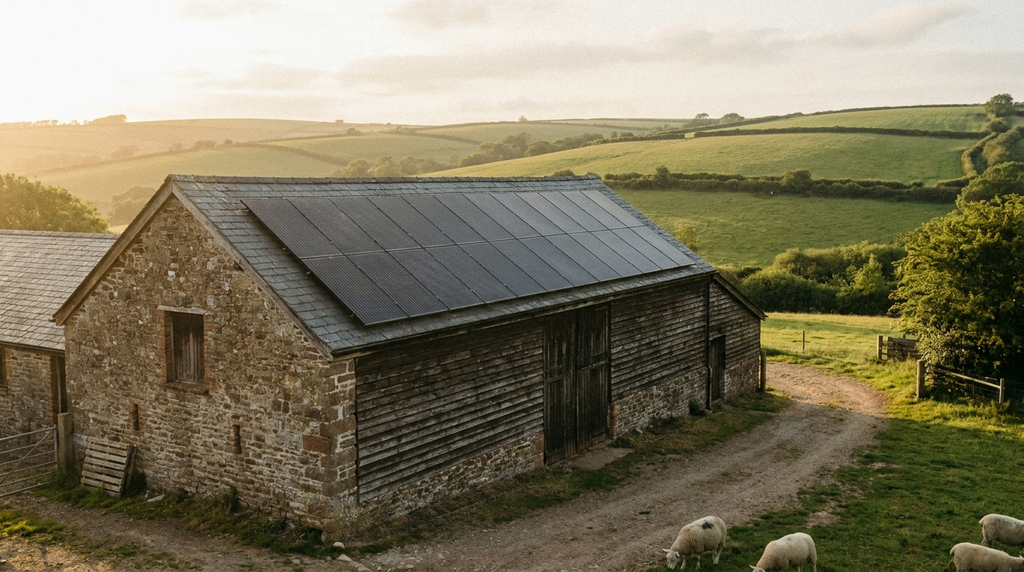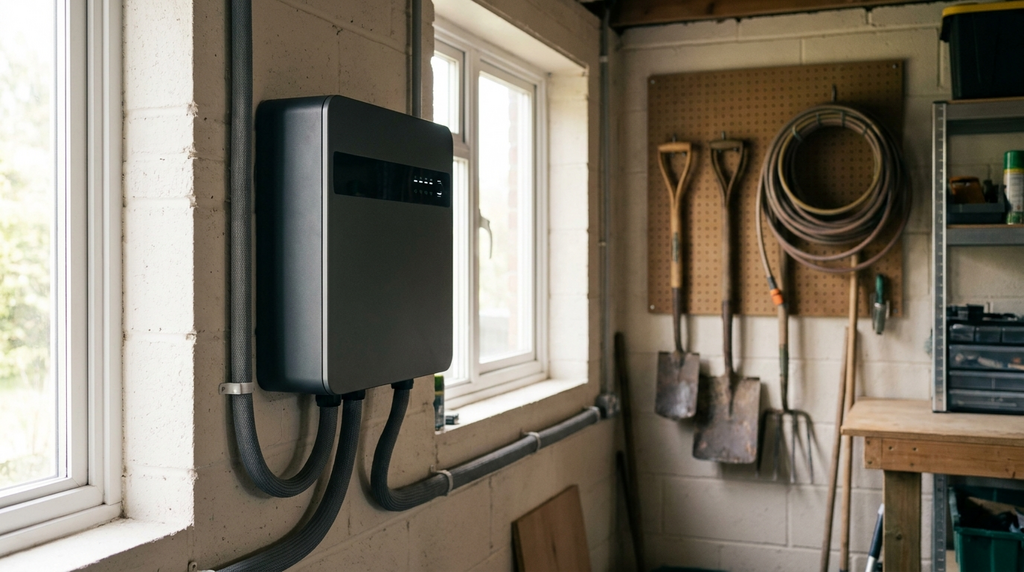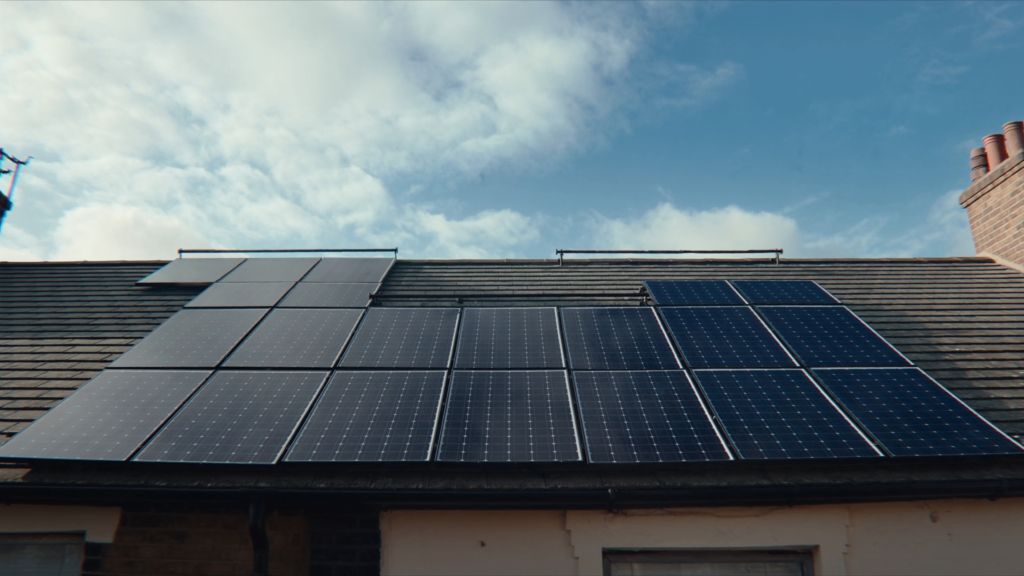
Solar thermal and solar PV convert sunlight into different forms of energy
Solar thermal panels (also called solar water heating collectors) capture sunlight to heat water directly for your home. The heat is transferred via a fluid loop to a hot water cylinder. Solar photovoltaic (PV) panels convert sunlight into electricity, which can power appliances, lighting, and anything else that runs on mains electricity.
Solar PV typically saves more (£200–£400 per year) than solar thermal (£80–£120 per year) and has a shorter payback period (12–20 years vs 25–40 years). PV also generates electricity for all household uses, not just water heating.
- Solar PV saves £200–£400 per year on electricity bills.
- Solar thermal saves £80–£120 per year on water heating.
- PV payback is 12–20 years; thermal payback is 25–40 years.
- 4 kW solar PV system costs £5,000–£8,000 installed in 2026.
- Solar thermal system costs £3,000–£5,000 for a 3-bed home.
- Solar thermal and solar PV convert sunlight into different forms of energy
- The upfront cost of solar thermal versus solar PV in 2026
- Energy savings and payback time for each technology
- Quick numbers, side-by-side comparison table
- Which system gives the better return on investment for a UK home
- Eligibility and installer certification for solar PV and solar thermal
- Space, roof orientation, and property suitability differences
Both technologies reduce reliance on grid energy, but they serve fundamentally different purposes: one heats water, the other generates electricity. According to the Energy Saving Trust (EST), a typical solar thermal system can provide around 60% of a household’s annual hot water demand, while a solar PV system offsets a portion of electricity usage (Energy Saving Trust, 2026).
The upfront cost of solar thermal versus solar PV in 2026
The installed cost of a solar thermal system for a three-bedroom home typically ranges from £3,000 to £5,000, including a new or compatible hot water cylinder. A typical 4 kW solar PV system (around 10–12 panels) costs between £5,000 and £8,000 installed in 2026, according to EST estimates (Energy Saving Trust, 2026).
Solar PV systems have fallen in price by roughly 80% since 2010, while solar thermal costs have remained relatively stable. Both systems may qualify for a 0% VAT rate on installations in the UK (until 2027), which reduces the net cost (GOV.UK, 2026).
Energy savings and payback time for each technology
Solar thermal saves a typical household £80–£120 per year on gas or electric water heating bills. The payback time is 25–40 years, depending on fuel type and usage (Energy Saving Trust, 2026). Solar PV saves a typical household £200–£400 per year on electricity bills in 2026, based on 50% self-consumption of generated electricity. The payback time is 12–20 years (Energy Saving Trust, 2026).
Solar PV savings can be increased by using a battery storage system (adding £1,500–£3,000 to cost) or by exporting surplus electricity to the grid via the Smart Export Guarantee (SEG), which pays an average of 5–8p/kWh (Ofgem, 2026). Solar thermal savings are lower because it only displaces water heating fuel, not the larger electricity load.
Quick numbers, side-by-side comparison table
| Metric | Solar Thermal | Solar PV (4 kW system) |
|---|---|---|
| Typical installed cost | £3,000–£5,000 | £5,000–£8,000 |
| Annual energy saved (kWh) | 800–1,200 kWh | 2,000–3,500 kWh |
| Annual bill saving (£) | £80–£120 | £200–£400 |
| Typical payback period | 25–40 years | 12–20 years |
| System lifespan | 20–25 years | 25–30 years |
| Space required (roof area) | 3–5 m² | 15–20 m² |
| Main maintenance item | Anti-freeze fluid check every 3–5 years | Inverter replacement after 10–15 years |
Sources: Energy Saving Trust, 2026, MCS, 2026, Ofgem, 2026, DESNZ, 2026.
Which system gives the better return on investment for a UK home
For most UK homes in 2026, solar PV delivers a significantly better financial return than solar thermal. PV systems offer lower cost per kWh generated, shorter payback times, and greater long-term savings. Solar thermal only makes financial sense if you have very high hot water demand (for example, a large family using a lot of hot water) and already have a gas boiler or immersion heater that is expensive to run.
Solar PV also adds more value to your property at resale, according to EST and DESNZ research (Energy Saving Trust, 2026). Solar thermal may be a better option if you have limited roof space and already have a suitable hot water cylinder, but you will still see slower payback.
Compare solar PV vs solar thermal payback in detail
Eligibility and installer certification for solar PV and solar thermal
Both solar PV and solar thermal installations must be certified under the Microgeneration Certification Scheme (MCS) to qualify for the Smart Export Guarantee (PV) or any future renewable heat incentives (MCS, 2026). For solar PV, look for installers registered with MCS and a competent person scheme such as NICEIC, NAPIT, or the Electrical Safety Register. For solar thermal, installers should be MCS-certified and, if connecting to a gas boiler or gas water heating system, registered with Gas Safe Register (Gas Safe Register, 2026).
TrustMark is a government-endorsed quality mark that covers both technologies and provides consumer protection (TrustMark, 2026). Always verify an installer’s certification on the MCS website or TrustMark database before signing a contract.
Space, roof orientation, and property suitability differences
Solar PV requires roughly 15–20 square metres of roof space for a 4 kW system. South-facing roofs are ideal, but east/west-facing can still work with reduced output (Energy Saving Trust, 2026). Solar thermal requires roughly 3–5 square metres of roof space for a standard system (2 panels). South-facing is strongly recommended for best performance (Energy Saving Trust, 2026).
Solar PV panels are thinner and lighter than solar thermal collectors, making them easier to install on most roof types. Solar thermal requires a hot water cylinder (often a larger one than standard) and may need additional plumbing work, particularly in homes with combi boilers. Solar PV works with any standard electricity supply and does not require a hot water tank.
Check if your roof is suitable for solar panels
Frequently Asked Questions
Solar thermal is cheaper upfront at £3,000–£5,000 for a 3-bed home, while a 4 kW solar PV system costs £5,000–£8,000 (Energy Saving Trust, 2026). Both qualify for 0% VAT until 2027.
A typical solar thermal system saves £80–£120 per year on gas or electric water heating bills, according to the Energy Saving Trust (2026).
Solar PV saves a typical household £200–£400 per year on electricity bills, based on 50% self-consumption (Energy Saving Trust, 2026).
Solar PV has a better payback of 12–20 years, compared to solar thermal's 25–40 years (Energy Saving Trust, 2026).
Yes, you can install both systems, but it's usually more cost-effective to invest in a larger solar PV system and use an electric immersion heater for water heating (Energy Saving Trust, 2026).