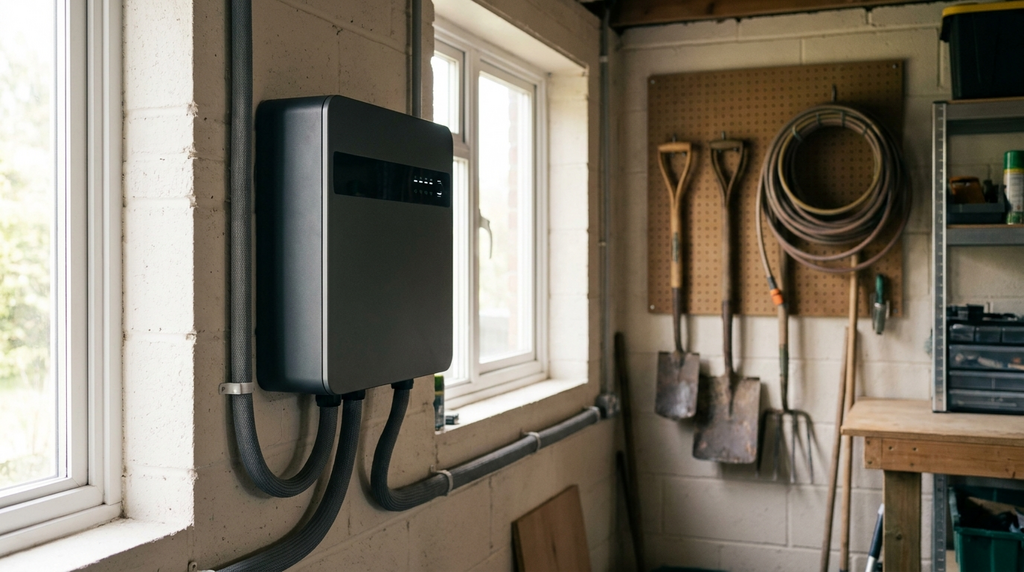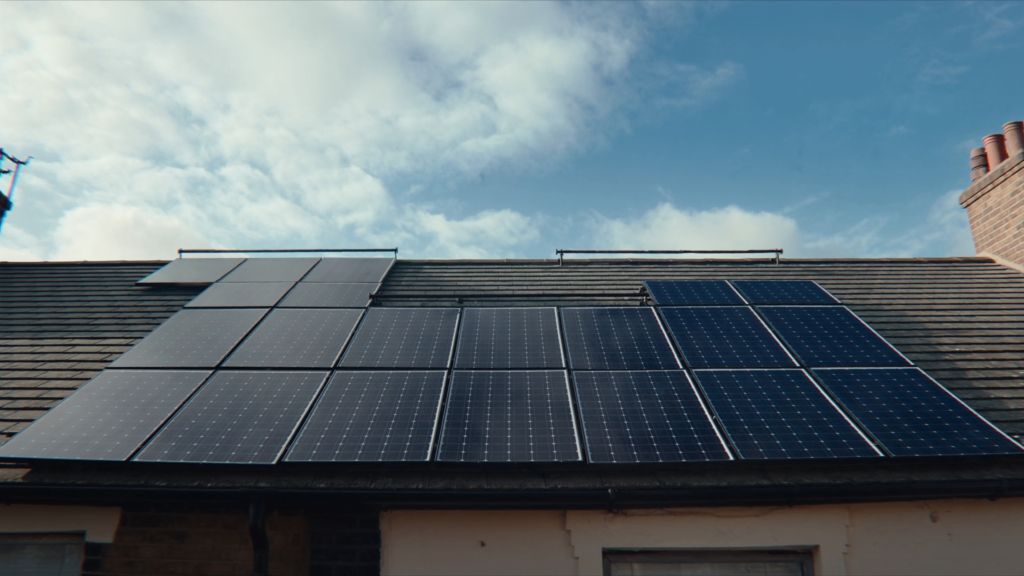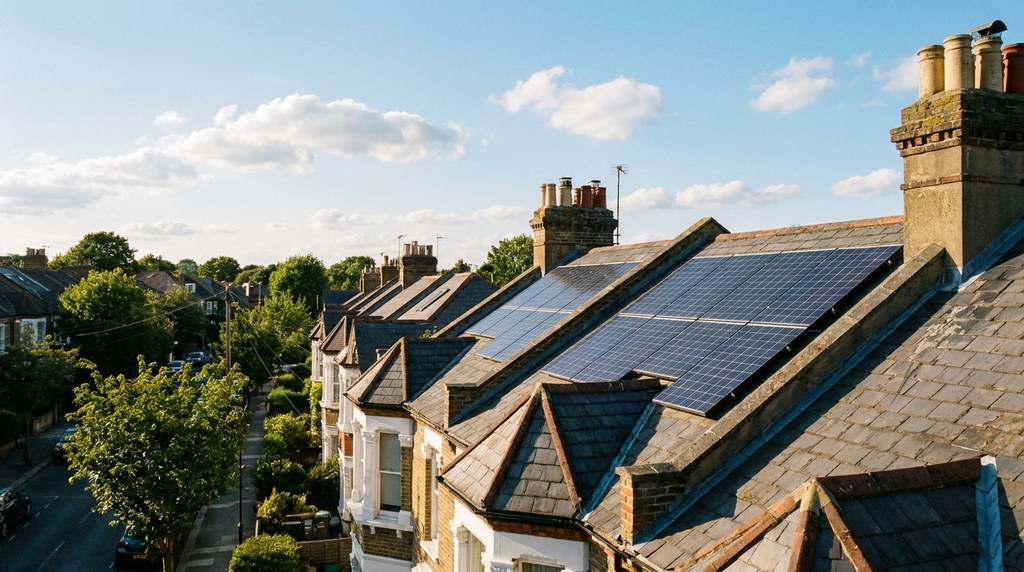
Yes, home batteries can be installed indoors in the UK, provided they meet strict safety standards and are installed by a certified professional. Lithium-ion batteries used in home storage systems are designed with built-in thermal management and fail-safe mechanisms, and they must comply with UK regulations including the Battery Regulations 2009 and the IET Wiring Regulations (BS 7671). The Microgeneration Certification Scheme (MCS) requires all installations to follow manufacturer guidelines, which typically specify indoor placement in a dry, well-ventilated area, away from living spaces like bedrooms.
Key safety features of modern home batteries include:
- Built-in battery management systems that monitor temperature, voltage, and current to prevent overheating
- Fire-resistant casings and internal fuses that cut power in case of a fault
- Compliance with UN 38.3 transport safety testing and UKCA or CE marking
- Ventilation requirements: most indoor-rated units need only passive ventilation, not a dedicated flue
According to the Energy Saving Trust, the risk of fire from a properly installed home battery is extremely low, comparable to that of a modern boiler or electric car charger. For context, the UK Fire and Rescue Services recorded around 10,000 lithium-ion battery fires in 2023, but the vast majority were from e-bikes, e-scooters, and waste disposal, not fixed domestic storage systems. A typical 5 kWh home battery from a major brand like Tesla Powerwall or GivEnergy costs £4,000 to £5,500 installed, roughly the same as a new central heating boiler.
When this matters more: if your battery is installed in a garage, shed, or utility room, ensure it is not subject to extreme temperature swings or damp. When it does not matter: modern indoor-rated batteries can be placed in a loft or cupboard, as long as the installer follows the manufacturer’s clearance and ventilation instructions.
The bottom line is that indoor home batteries are safe when certified to UK standards and installed by an MCS-accredited electrician, with a risk profile similar to other household appliances.
Sources
A worked example
A typical UK semi-detached home with a 4 kW solar array and a 5 kWh indoor battery costs around £4,500 after the 0% VAT saving that runs until March 2027. The Energy Saving Trust estimates a household using 60% of its solar generation directly can save roughly £560 per year on electricity bills. Over 25 years, that works out to around £14,000 in total savings, even accounting for the gradual degradation of the battery. Payback on the initial outlay comes in about eight years. If you qualify for the ECO4 scheme, your upfront cost could drop further, though ECO4 eligibility depends on your household income and energy efficiency rating. Always check with an MCS-certified installer to confirm your specific figures before committing.
| Item | Figure |
|---|---|
| Upfront cost after grants | £4,500 |
| Yearly savings | £560 |
| Payback period | 8 years |
| 25-year lifetime savings | £14,000 |
What homeowners often get wrong
The most common mistake is assuming all lithium-ion batteries pose the same fire risk as a laptop or phone battery. Here are three specific errors that could cost you money or safety.
- Installing in an unheated garage or shed Many homeowners think a cold outbuilding is safer for a battery. In reality, lithium-ion cells degrade faster and can become unstable below 0°C, voiding the warranty and increasing the risk of thermal runaway.
- Blocking the ventilation grilles People often hide the battery in a cupboard or behind clutter for aesthetic reasons. The manufacturer specifies passive ventilation for a reason, blocking it traps heat and can trigger the battery management system to shut down, leaving you without backup power during a blackout.
- Skipping the MCS-accredited installer A cheaper, non-certified electrician might seem like a good deal. Glazing is standard-rated for VAT at 20%. The zero rate for energy-saving materials covers insulation, heat pumps and solar panels; HMRC names secondary and double glazing as excluded (VAT Notice 708/6).
Quick reference
- A home battery installed indoors must meet UKCA or CE safety standards and include a certified battery management system for thermal, voltage, and current protection.
- The Microgeneration Certification Scheme requires all indoor battery installations to follow manufacturer guidelines, typically specifying a dry, well-ventilated area away from bedrooms.
- ECO4 eligibility for a free or heavily subsidised battery depends on your household income and your home’s Energy Performance Certificate rating of D or below.
- Payback on a typical 5 kWh indoor battery ranges from 6 to 10 years, depending on your solar generation and time-of-use tariff.
- Never install a battery in a space prone to damp or extreme temperature swings, as this can void the warranty and create a fire hazard.
Frequently Asked Questions
Yes, indoor home batteries are safe in the UK when they meet strict standards and are installed by an MCS-accredited electrician. Modern lithium-ion units include built-in battery management systems and fire-resistant casings, and the risk of fire is comparable to a modern boiler or electric car charger, according to the Energy Saving Trust.
A typical 5 kWh home battery from brands like Tesla Powerwall or GivEnergy costs between £4,000 and £5,500 installed in the UK, which is roughly the same as a new central heating boiler. This price includes installation by a certified professional and compliance with UK regulations.
Indoor home battery installations in the UK must comply with the Battery Regulations 2009, the IET Wiring Regulations (BS 7671), and the Microgeneration Certification Scheme (MCS) standards. Units should also have UKCA or CE marking and meet UN 38.3 transport safety testing.
Yes, modern indoor-rated batteries can be placed in a loft or cupboard, as long as the installer follows the manufacturer's clearance and ventilation instructions. The unit must be in a dry, well-ventilated area away from living spaces like bedrooms, and most need only passive ventilation.
While the UK government's Boiler Upgrade Scheme does not cover battery storage alone, batteries installed alongside solar panels may qualify for a 0% VAT rate on installations. Some local authorities and energy suppliers offer separate grants or interest-free loans, so check with your MCS installer for current options.