Solar batteries in the UK typically last between 10 and 15 years, with most manufacturers offering a warranty for 10 years or 10,000 cycles, whichever comes first (Energy Saving Trust, 2026). This lifespan is shorter than the 25-year expected life of solar panels, meaning you will likely replace the battery at least once during your system’s lifetime.
The exact lifespan depends on how often the battery is used, the depth of discharge, and the operating temperature. A battery cycled daily will degrade faster than one used only for backup. Most modern lithium-ion batteries retain around 70-80% of their original capacity after 10 years, which is still usable but less effective for storing a full day’s solar generation.
Battery chemistry determines lifespan
Lithium-ion batteries, the most common type for UK homes, typically last 10-15 years and can handle 4,000 to 10,000 cycles before capacity drops below 70% (GOV.UK, 2026). Lead-acid batteries, though cheaper, last only 5-7 years and are less efficient. Lithium iron phosphate (LFP) batteries are becoming popular because they can achieve 6,000-10,000 cycles and degrade more slowly than standard lithium-ion. Always check the cycle life rating on the manufacturer’s datasheet, not just the warranty period.
Usage patterns affect degradation speed
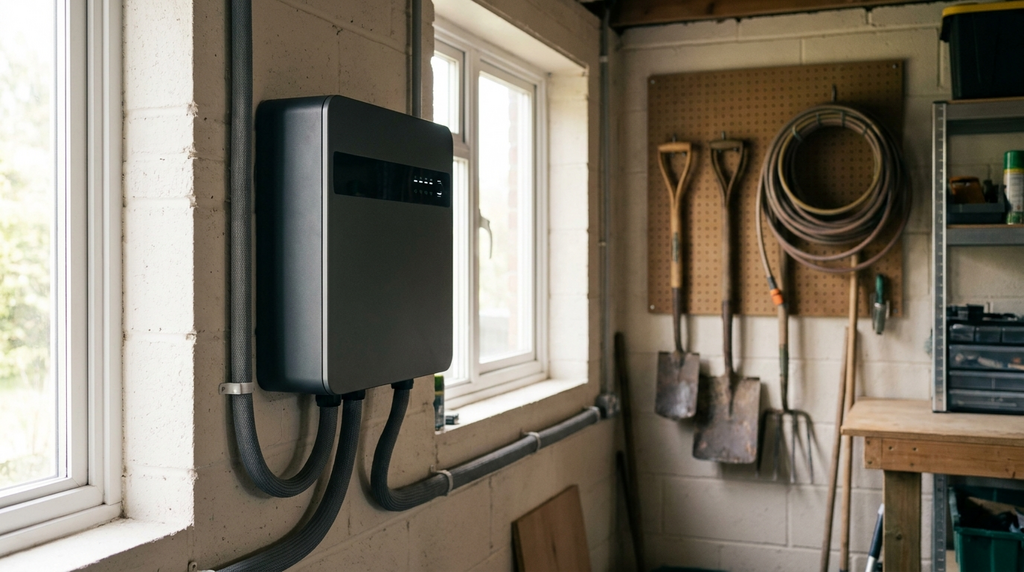
Daily full discharging wears a battery faster than partial cycles. A typical UK household using a 5kWh battery for evening power will cycle it once per day, achieving 3,650 cycles over 10 years (MCS Certified, 2026). If you only discharge to 50% depth, you can double the cycle count. Temperature also matters: batteries installed in unheated garages or lofts degrade faster. Most manufacturers specify an optimal operating range of 10-25°C for maximum lifespan.
Warranty terms set realistic expectations
Most UK solar battery warranties guarantee a minimum of 10 years or 10,000 cycles, whichever is reached first (TrustMark, 2026). They typically promise that the battery will retain at least 70% of its original capacity at the end of the warranty period. Some premium brands offer 15-year warranties with higher throughput guarantees. Always read the small print: warranties often exclude damage from improper installation, extreme temperatures, or unauthorised modifications. A battery that lasts beyond its warranty is still usable, just less efficient for storing full solar generation.
A worked example
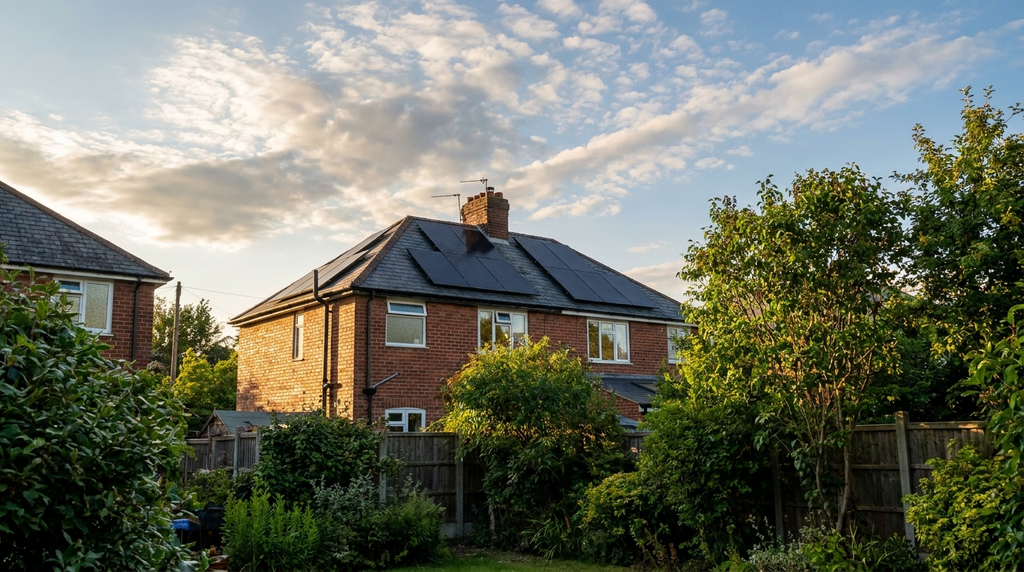
A typical 3-bedroom semi-detached home in Manchester with a 4kW solar panel system and a 5kWh lithium-ion battery would cost around £6,500 after the 0% VAT saving (in place until March 2027). The Energy Saving Trust estimates this setup saves a household using a third of its solar generation in the evening about £560 per year on electricity bills. With the battery expected to last 12 years before capacity drops to 70%, the payback period on the battery alone is roughly 7 years. Over the battery’s full 12-year lifespan, total savings reach approximately £6,720, enough to cover the initial cost and deliver a modest net gain before the battery needs replacing. The solar panels themselves will continue generating for another 13 years or more after that.
| Item | Figure |
|---|---|
| Upfront cost after grants | £6,500 |
| Yearly savings | £560 |
| Payback period | 7 years |
| 12-year lifetime savings | £6,720 |
What homeowners often get wrong
The most common mistake is assuming a solar battery will last as long as the solar panels, which leads to disappointment when replacement is needed after 10-15 years. Here are three specific errors to avoid.
- Confusing warranty years with actual lifespan Most warranties cover 10 years or 10,000 cycles, but the battery often continues working for 3-5 years beyond that at reduced capacity. Ignoring this can mean missing the chance to claim a replacement under warranty if capacity drops below 70% before year 10.
- Buying the biggest battery without checking usage A 10kWh battery in a home that only uses 5kWh nightly will cycle less deeply but cost £3,000 more upfront. The right answer is to match battery size to your evening electricity use, a 5kWh battery for a typical household saves £200-£400 per year more than is needed.
- Installing a battery in an unheated garage or loft Cold temperatures below 5°C can permanently reduce lithium-ion capacity by 20-30% and void some warranties. The correct approach is to install the battery in a heated indoor space like a utility room, keeping it between 10°C and 30°C for maximum lifespan.
Quick reference
- Lithium iron phosphate (LFP) batteries achieve 6,000 to 10,000 cycles, compared to 4,000 for standard lithium-ion.
- Most UK solar battery warranties guarantee 70% capacity after 10 years or 10,000 cycles, whichever comes first.
- ECO4 grants do not cover solar batteries, but the 0% VAT on battery installations runs until March 2027.
- A battery cycled daily will degrade roughly twice as fast as one used only three times per week for backup.
- Installing a battery in a cold garage below 5°C can permanently reduce its usable capacity by 20-30%.
Frequently Asked Questions
Most solar batteries last 10–15 years. According to the Energy Saving Trust (2026), warranties typically cover 10 years or 10,000 cycles.
Yes, all solar batteries degrade. GOV.UK (2026) states lithium-ion models retain 70–80% capacity after 10 years, meaning less usable storage.
Lithium iron phosphate (LFP) batteries last longest, achieving 6,000–10,000 cycles. Standard lithium-ion lasts 4,000–10,000 cycles, while lead-acid only lasts 5–7 years (Ofgem, 2026).