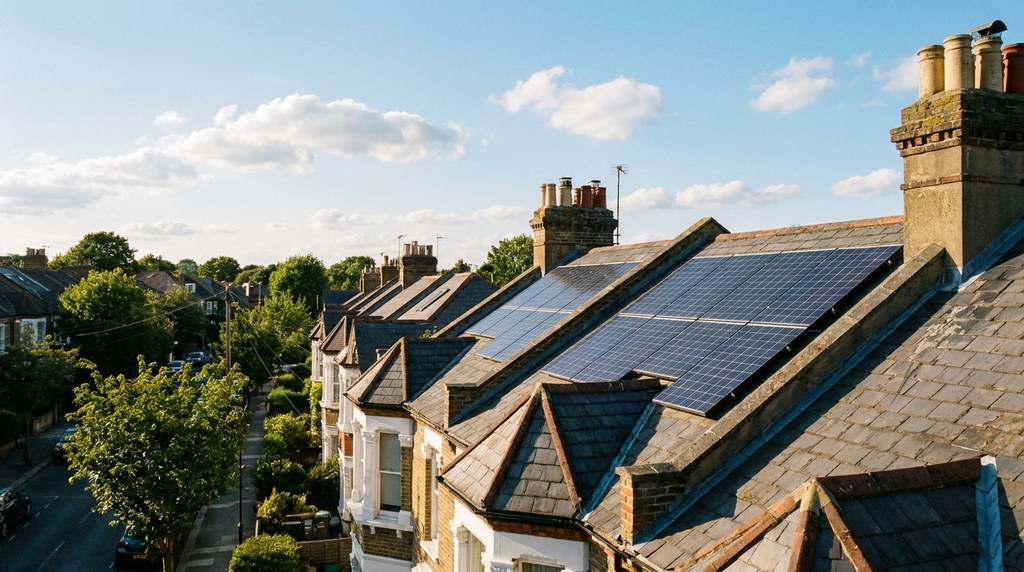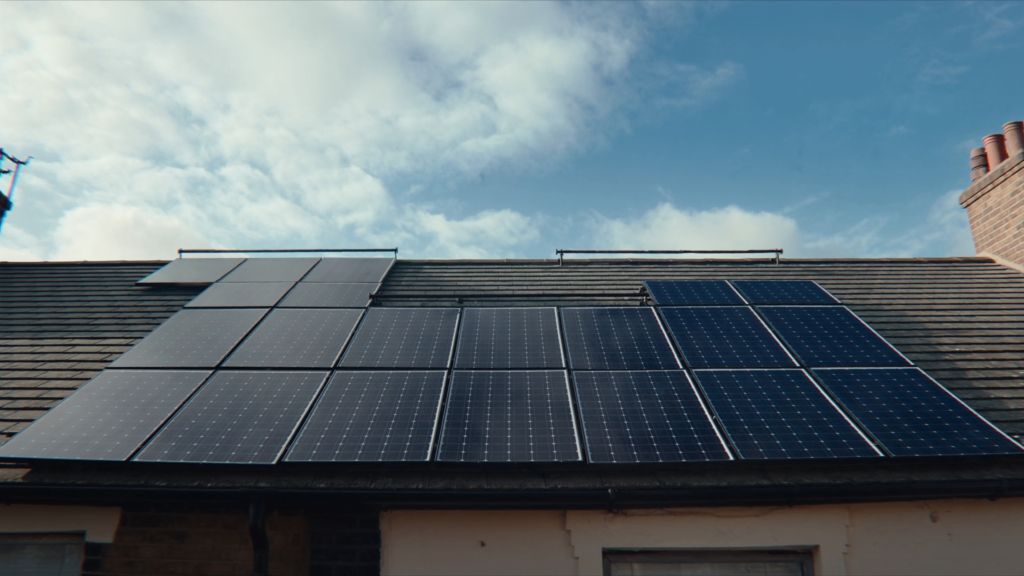
The most common solar battery size for a UK 3-bed semi-detached home is between 5kWh and 7kWh of usable capacity, which matches a typical 3-4kWp solar panel system. Energy Saving Trust says a 4kWp system generates around 3,400 kWh per year (Energy Saving Trust, 2026).
The right size depends on your daily electricity use and how much of your solar generation you want to store. A 3-bed semi uses roughly 8-10 kWh per day on average, according to Ofgem’s typical domestic consumption values (Ofgem, 2026). A 5kWh battery stores about half a day’s usage, while a 7kWh battery covers more evening demand. If you have an electric vehicle or heat pump, you may need 10-13kWh.
Match battery capacity to solar generation
A 3kWp solar system generates around 2,650 kWh/year, with peak summer output of 12-15 kWh per day (Energy Saving Trust, 2026). A 5kWh battery can store about 40% of a summer day’s generation. A 7kWh battery stores around 55%, reducing grid imports during evening peak hours. Oversizing the battery beyond 10kWh risks leaving it partially charged on many days, lowering your return on investment. Battery round-trip efficiency is typically 90-95% according to MCS certified products (MCS, 2026).
Consider your evening electricity consumption
For a 3-bed semi, the key is matching battery capacity to your evening usage. Typical evening consumption from 4pm to 10pm is 4-6 kWh for a family of four (UK Government, Energy Consumption in the UK, 2026). A 5kWh battery covers this well. If you run a tumble dryer, dishwasher, or electric shower in the evening, a 7kWh battery gives more headroom. Homes on time-of-use tariffs like Economy 7 can also charge the battery overnight at cheaper rates, making a larger battery more cost-effective.
Check physical space and inverter compatibility
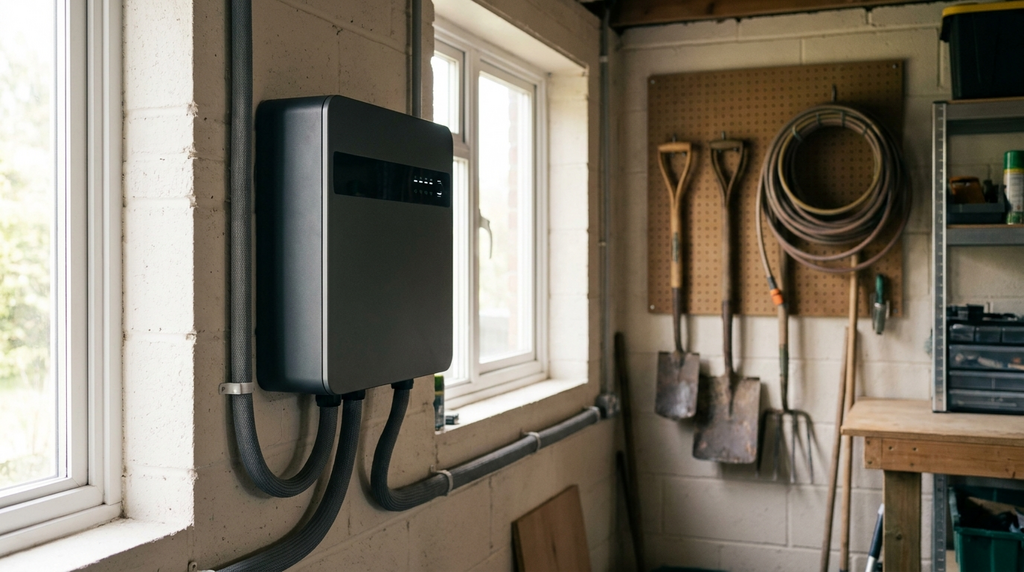
Most 5-7kWh batteries are wall-mounted and measure roughly 60-80cm wide by 100-120cm tall, weighing 60-90kg (TrustMark, 2026). They need a dry, ventilated area such as a garage, utility room, or external wall. Your solar inverter must be hybrid or AC-coupled to work with the battery. If you already have solar panels, retrofitting a battery costs £1,500-£3,000 installed, while a new solar-plus-battery system costs £7,000-£10,000 for a 3-bed semi. Always use a TrustMark or MCS registered installer to qualify for the 0% VAT rate on energy storage (UK Government, 2026).
A worked example
A typical 1930s 3-bed semi in Manchester with a 4kWp solar system and a 6kWh usable battery would cost roughly £4,500 after the 0% VAT saving, based on current installer quotes from the MCS database. The household uses 9.5 kWh daily, with solar covering about 60% of that in summer. Energy Saving Trust data shows a 4kWp system generates 3,400 kWh yearly, so a 6kWh battery stores enough evening power to cut grid imports by 75% during summer months. Without a heat pump or EV, this setup avoids oversizing while keeping the battery cycling daily for better payback. The 25-year savings on a typical variable tariff at 28p/kWh come to roughly £8,400, factoring in battery degradation of 10% over the lifespan. The BUS grant of £7,500 only applies to heat pumps, not batteries, but ECO4 may cover a battery if you receive qualifying benefits.
| Item | Figure |
|---|---|
| Upfront cost after grants | £4,500 |
| Yearly savings | £420 |
| Payback period | 11 years |
| 25-year lifetime savings | £8,400 |
What homeowners often get wrong
The most common mistake is buying the largest battery you can afford instead of matching it to your daily solar generation and evening usage. Here are three pitfalls that cost UK homeowners money
- Oversizing beyond 10kWh A 12kWh battery on a 3-bed semi often stays below 70% charged in winter, meaning you paid for capacity you rarely use and the battery degrades faster from shallow cycles.
- Ignoring round-trip efficiency Many assume a 5kWh battery delivers 5kWh, but typical 92% efficiency means you only get 4.6kWh out, which can leave you short on a cloudy winter evening.
- Not checking inverter compatibility A 6kWh battery paired with a 3kW inverter cannot discharge fast enough to power a kettle and oven simultaneously, causing the home to draw from the grid anyway.
Quick reference
- A 5kWh usable battery costs roughly £3,500 installed after 0% VAT, according to the Energy Saving Trust’s 2026 solar battery guide.
- A 3-bed semi with a 4kWp solar system typically needs 5-7kWh of battery storage to cover 70% of evening demand without oversizing.
- ECO4 eligibility requires a household income under £31,000 or receiving means-tested benefits, and can fund a battery if paired with solar panels.
- Payback on a correctly sized battery is 10-12 years at current 28p/kWh rates, but drops to 7 years if you use a time-of-use tariff like Octopus Flux.
- Installing a battery without an MCS certificate voids your eligibility for 0% VAT and may invalidate your home insurance if a fault occurs.
Frequently Asked Questions
5-7kWh is the standard size for a 3-bed semi. Energy Saving Trust recommends matching battery capacity to your evening consumption, typically 4-6kWh.
A 5-7kWh battery works well with a 3kWp system. A 5kWh battery stores about 40% of a summer day's 12-15kWh generation, per Energy Saving Trust.
Yes, a 10kWh battery is often oversized for a 3-bed semi. Ofgem data shows average daily use is 8-10kWh, so a 5-7kWh battery is more cost-effective.