Solar panels are a significant investment for UK homeowners, with typical systems costing £5,000–£8,000. Avoiding common mistakes can mean the difference between a system that pays for itself in 10 years and one that causes ongoing costs and frustration.
The most common solar panel mistake UK homeowners make is choosing the cheapest installation quote without checking the installer’s MCS certification and TrustMark accreditation. This can lead to poor-quality work, invalid warranties, and ineligibility for the Smart Export Guarantee (SEG) payments.
What matters when you choose is the installer’s credentials, your home’s specific roof and orientation, and how you plan to use the energy you generate. Getting these fundamentals right protects your investment and maximises your savings.
| Mistake | Key consequence | Typical cost impact |
|---|---|---|
| Choosing uncertified installer | No SEG eligibility, invalid warranty | £100–£300/year lost export income |
| Oversizing without battery | Low self-consumption, wasted generation | Up to 50% export at 5p/kWh |
| Ignoring roof orientation | Reduced annual yield by 20–30% | £200–£600/year lost savings |
| Skipping battery compatibility | Higher grid reliance, no night-time use | £150–£400/year extra bills |
| Neglecting inverter placement | Overheating, 10–15% efficiency loss | £300–£600 replacement cost |
| Forgetting planning permission | Removal order, fines up to £1,000 | £500–£2,000 legal fees |
| Choosing wrong panel type | Lower efficiency in UK light, shorter lifespan | 0.5% annual degradation vs 0.3% |
| Missing SEG registration | No payment for exported electricity | £100–£300/year lost income |
| Installing on poor roof condition | Leaks, structural damage, panel removal | £1,000–£3,000 repair costs |
| Overlooking bird-proofing | Nesting damage, reduced output, cleaning costs | £200–£500 cleaning/repair |
1. Choosing an uncertified installer
MCS certification is mandatory for SEG eligibility and warranty validity. Without it, you cannot receive export payments from your energy supplier. TrustMark accreditation ensures the installer meets government-endorsed quality standards. Using a non-accredited installer voids your consumer protections.
- Check MCS certification on the MCS website before signing any contract.
- Verify TrustMark accreditation through the TrustMark directory.
- Ask for proof of public liability insurance and manufacturer warranties.
Source: MCS, TrustMark
How to check if an installer is MCS certified
2. Oversizing your system without a battery
A typical 4kWp system generates 3,800kWh/year, but a standard 3-bedroom home uses only 2,700kWh. Without a battery, you export 30–50% at low rates. Energy Saving Trust data shows self-consumption drops from 60% with a battery to 30% without one, significantly reducing payback speed.
- Match system size to your daytime electricity usage, not roof space alone.
- Consider a 2–3kWh battery for a 3-bedroom home to store excess generation.
- Use an energy monitor to track your typical daytime consumption.
Source: Energy Saving Trust, 2026
3. Ignoring roof orientation and pitch
South-facing roofs at 30–40° pitch produce up to 100% of rated output. East or west-facing roofs lose 15–20%, and north-facing loses 30–40%. Energy Saving Trust confirms orientation and pitch affect annual yield by 20–30%, which can mean £200–£600 lower savings each year.
- Use a solar calculator to estimate generation for your specific roof.
- Consider ground-mounted panels if your roof faces north.
- Ask installers for a generation estimate based on your actual orientation.
Source: Energy Saving Trust, 2026
4. Skipping battery compatibility checks
Older or non-standard inverters may not support AC-coupled batteries, forcing a costly inverter upgrade later. This can add £800–£1,500 to installation. Ofgem notes that without battery storage, you rely on the grid at night, paying 24p/kWh instead of using your free solar power.
- Confirm your inverter is compatible with the battery you plan to add.
- Choose a hybrid inverter if you intend to add a battery within 2 years.
- Check if your energy supplier offers a time-of-use tariff for battery owners.
Source: Ofgem, 2026
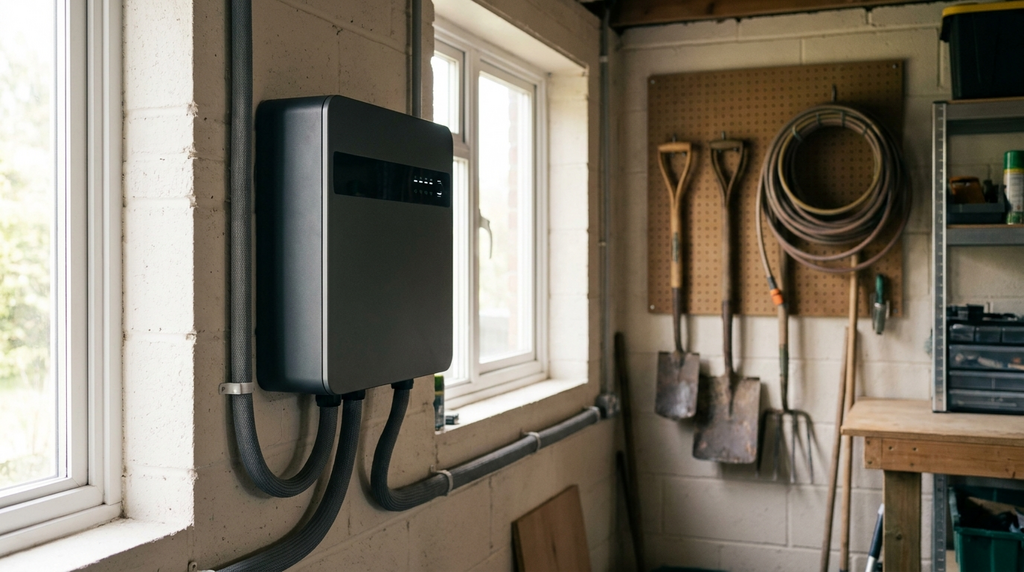
5. Neglecting inverter placement
Inverters installed in direct sunlight or unventilated lofts can overheat, reducing efficiency by 10–15% and halving their 10-year lifespan. MCS installation guidelines recommend a shaded, ventilated location. A replacement inverter costs £800–£1,200.
- Install the inverter in a garage, utility room, or north-facing wall.
- Ensure at least 15cm of clearance around the inverter for airflow.
- Monitor inverter temperature via its display or app during summer.
Source: MCS, Energy Saving Trust, 2026
6. Forgetting planning permission rules
In conservation areas or listed buildings, solar panels often require planning permission. Installing without it can lead to removal orders and fines up to £1,000. GOV.UK states permitted development rights apply only to non-listed, non-conservation-area homes. Check before installation.
- Contact your local planning authority before buying panels.
- Check if your home is in a conservation area via your council’s website.
- For listed buildings, you may also need listed building consent.
Source: GOV.UK, 2026
Planning permission for solar panels in conservation areas
7. Choosing the wrong panel type
Monocrystalline panels are 18–22% efficient and last 25–30 years, while polycrystalline are 15–17% efficient and degrade faster. Thin-film panels are less suited to UK light. MCS data shows monocrystalline panels degrade at 0.3% per year versus 0.5% for polycrystalline, meaning higher long-term output.
- Choose monocrystalline panels for UK conditions and long-term performance.
- Check the manufacturer’s degradation warranty – aim for 0.3% or less per year.
- Compare efficiency ratings rather than just wattage per panel.
Source: MCS, Energy Saving Trust, 2026
8. Missing Smart Export Guarantee registration
Without SEG registration, you receive no payment for electricity exported to the grid. Typical payments are 5–15p/kWh, worth £100–£300/year for a 4kWp system. Ofgem requires your installer to be MCS-certified to qualify. You must also register with your chosen supplier within 30 days of commissioning.
- Register with an SEG-licensed supplier within 30 days of installation.
- Compare SEG rates from multiple suppliers – they vary significantly.
- Keep your MCS certificate safe – you need it to register.
Source: Ofgem, 2026
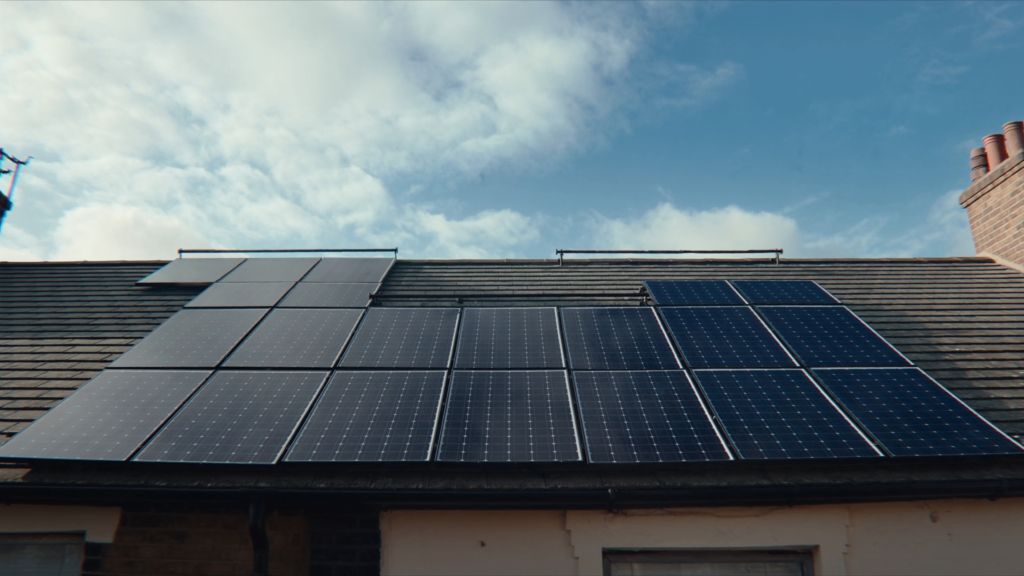
9. Installing on a poor roof condition
Roofs with cracked tiles, worn felt, or structural issues cannot support panel weight. Leaks and damage may occur, costing £1,000–£3,000 to repair. TrustMark recommends a roof survey before installation. Panels on a failing roof may need removal and reinstallation, adding £500–£1,500.
- Arrange a professional roof survey before any solar quote.
- Replace or repair damaged roof areas before panel installation.
- Check your roof’s age – if it is over 15 years old, consider replacing it first.
Source: TrustMark, 2026
Roof condition check before solar panel installation
10. Overlooking bird-proofing measures
Birds nesting under panels cause debris buildup, reduced airflow, and potential fire risk. Cleaning costs £200–£500, and damage can reduce output by 20%. MCS guidelines recommend bird-proofing mesh at installation. Without it, annual maintenance costs can exceed £100.
- Ask your installer to fit bird-proofing mesh as part of the installation.
- Inspect under panels annually for nesting material or debris.
- Consider professional cleaning every 2–3 years if you skip bird-proofing.
Source: MCS, Energy Saving Trust, 2026
Avoiding these ten mistakes means you get the full financial and environmental benefit from your solar panels. Focus on certified installers, your roof’s suitability, and SEG registration to protect your investment.
Frequently Asked Questions
Choosing the cheapest uncertified installer without checking MCS certification and TrustMark accreditation. According to Energy Saving Trust, this can invalidate warranties and make you ineligible for Smart Export Guarantee payments, costing £100-£300 per year in lost export income.
You cannot receive Smart Export Guarantee payments from your energy supplier, and your system warranty may be invalid. Ofgem states that MCS certification is mandatory for SEG eligibility and for claiming the 0% VAT rate on installations.
Yes, but it is inefficient. Without battery storage, you will export up to 50% of generation at a low rate of around 5p/kWh, wasting potential savings. The Energy Saving Trust recommends matching system size to daytime usage or adding a battery.
Most homes qualify for permitted development rights, but listed buildings and conservation areas require planning permission. GOV.UK advises checking with your local council before installation to avoid removal orders and fines up to £1,000.
Common mistakes cost between £100 and £3,000 depending on the issue. For example, missing SEG registration loses £100-£300 per year, while installing on poor roof condition can lead to £1,000-£3,000 in repair costs, according to MCS data.