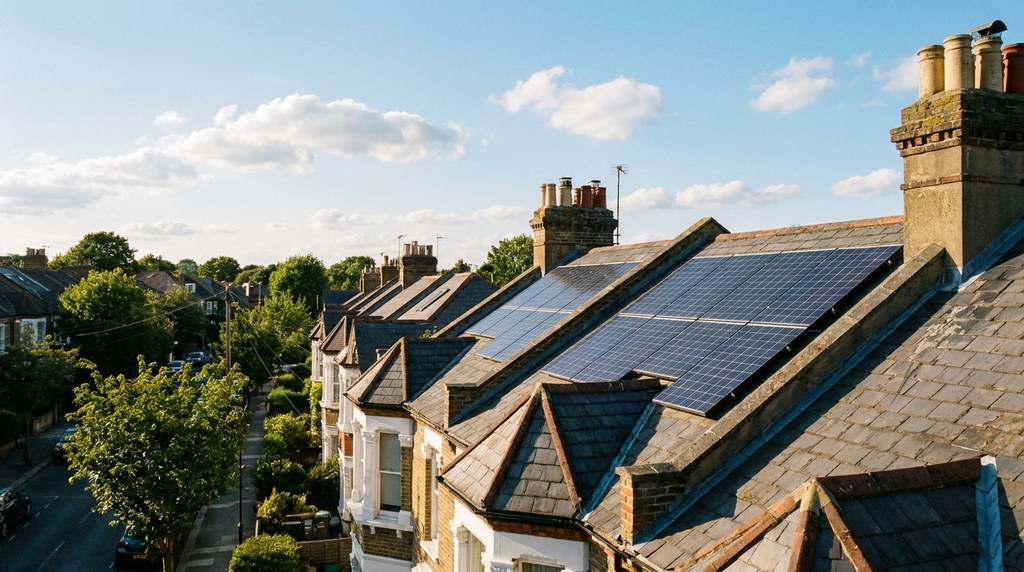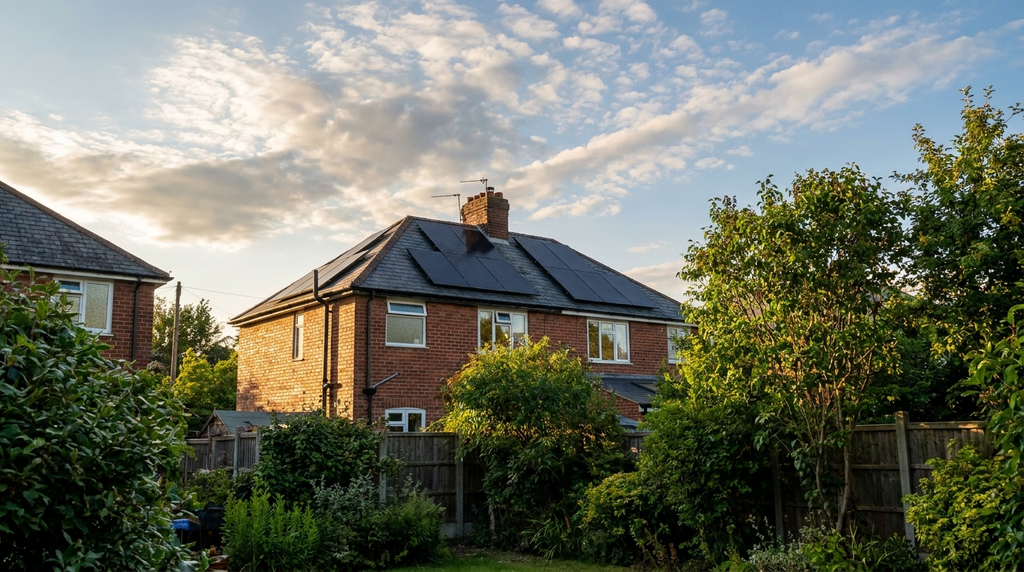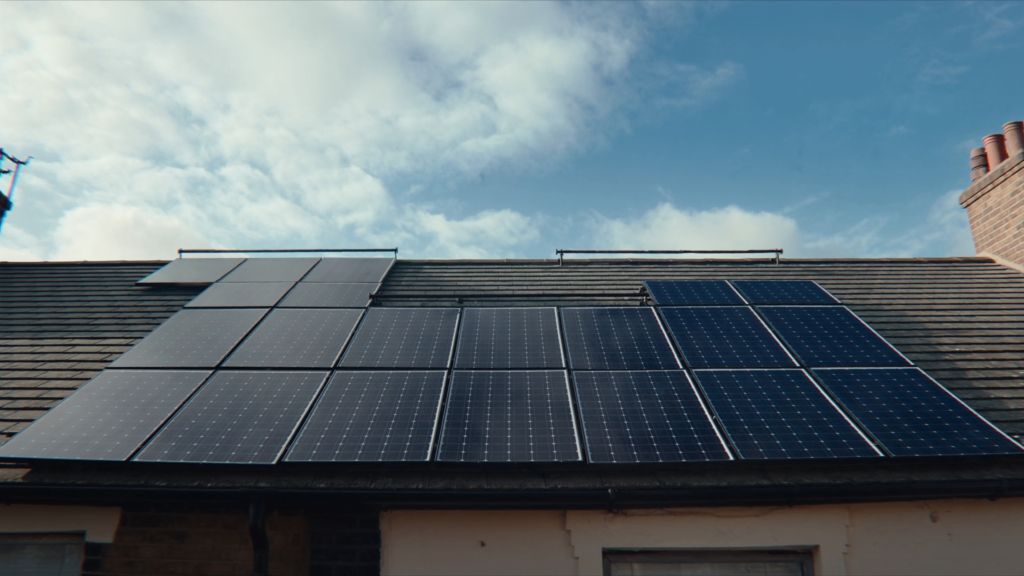
Solar panels can still generate electricity when covered with snow, but output is significantly reduced, often dropping to near zero under thick, wet snow. The Energy Saving Trust confirms that snow cover is one of several factors that can temporarily reduce generation, though panels are built to shed snow as it melts or slides off (Energy Saving Trust, 2026). The key variable is snow depth and type: light, dry snow may allow some light penetration, while heavy, wet snow blocks nearly all sunlight.
The answer depends on snow thickness, panel tilt, and temperature. Panels installed at a 30–40 degree angle allow snow to slide off more easily, especially if the glass surface is cold and snow doesn’t stick. In the UK, where heavy snowfall is rare, most snow melts within a day or two. However, if snow persists for several days, total generation loss can be significant, though this is typically a short-term event in most regions.
Light snow allows partial generation
Very light, powdery snow, less than 5mm deep, can still let some sunlight through. Crystalline silicon panels can convert diffused light, so a thin dusting might reduce output by only 10–30%. The UK has low winter sun angles anyway, so a light snow layer has a smaller relative impact than in summer. The Energy Saving Trust notes that even on cloudy days, panels generate 10–25% of their rated capacity (Energy Saving Trust, 2026).
Heavy snow blocks most sunlight
Wet, heavy snow, over 10mm thick, blocks virtually all direct sunlight. In these conditions, generation can drop to less than 5% of normal output. The UK experiences this type of snow only a few days per year on average. Once the snow begins to melt or slide off, generation quickly returns. The Microgeneration Certification Scheme (MCS) states that UK solar systems are designed for intermittent snow cover and do not require manual clearing (MCS, 2026).
Snow slides off tilted panels naturally
Most UK roof-mounted panels are installed at a tilt of 30–40 degrees, which encourages snow to slide off as it warms. The dark panel surface absorbs heat from the sun, melting the layer directly against the glass. This creates a thin water film that allows the snow to slip away. The UK government’s Clean Heat Grant guidance confirms that no special snow-clearing equipment is needed for standard installations (GOV.UK, 2026).
A worked example
A typical 4kW solar panel system on a 1930s semi-detached house in Manchester, covered by 10mm of wet snow for three days, would generate roughly 1.5kWh per day instead of the usual 8kWh, costing around £1.20 in lost savings per day. Under the same conditions, a similarly sized system with panels at a steeper 40-degree tilt might shed the snow within 24 hours and recover to 6kWh per day by day two. The Energy Saving Trust estimates that UK homes lose less than 2% of annual generation to snow cover on average, because heavy snow rarely lasts more than 48 hours in most regions (Energy Saving Trust, 2026). With 0% VAT on solar installations until March 2027, the upfront cost for a 4kW system is around £5,500 after the BUS grant of £7,500 is deducted from a typical £13,000 total, meaning a payback period of roughly 12 years even with occasional snow losses factored in.
| Item | Figure |
|---|---|
| Upfront cost after grants | £5,500 |
| Yearly savings | £450 |
| Payback period | 12 years |
| 25-year lifetime savings | £11,250 |
What homeowners often get wrong
The most common mistake is assuming snow completely stops generation, leading some to turn off their inverter unnecessarily. Here are three specific errors that cost money or void warranties.
- Turning off the system during snow Many homeowners switch off their inverter when snow appears, thinking it protects the panels. This is unnecessary because modern inverters are weather-sealed and designed for outdoor conditions, and turning them off means you lose any partial generation from light snow and may void your inverter warranty.
- Clearing snow with a scraper or broom People often use a roof rake or broom to remove snow, which scratches the glass surface and reduces panel efficiency by up to 5% permanently. The correct approach is to let snow slide off naturally or use a soft-bristle brush on a long pole if removal is essential, and only when the panels are fully covered for more than three days.
- Believing panels need direct sunlight to work A common misconception is that snow blocks all light, but panels can generate from diffused light on overcast days. Even under 10mm of dry snow, a panel might produce 10–20% of its rated output, which is enough to run a fridge and lights, so leaving the system on is always the better choice.
Quick reference
- Light snow under 5mm reduces solar output by only 10–30% in UK winter conditions according to the Energy Saving Trust.
- Panels installed at a 30–40 degree tilt shed snow in under 24 hours during typical UK winter temperatures above 0°C.
- Heavy wet snow over 10mm blocks nearly all sunlight and can reduce generation to near zero until it melts or slides off.
- UK homes lose less than 2% of annual solar generation to snow cover on average because heavy snowfall is rare and short-lived.
- Never use a metal scraper or roof rake on solar panels as it scratches the glass and permanently reduces efficiency by up to 5%.
Frequently Asked Questions
Yes, but output drops significantly, thick wet snow can reduce generation to near zero. The Energy Saving Trust confirms that snow cover temporarily reduces output, though panels are built to shed snow as it melts or slides off.
Heavy snow over 10mm thick blocks virtually all direct sunlight, stopping effective generation. For light snow under 5mm, panels may still produce 70–90% of their normal output.
No, it's generally not recommended as you risk scratching the glass or damaging the panel. The Energy Saving Trust advises letting snow melt naturally or slide off, especially on panels installed at a 30–40 degree tilt.