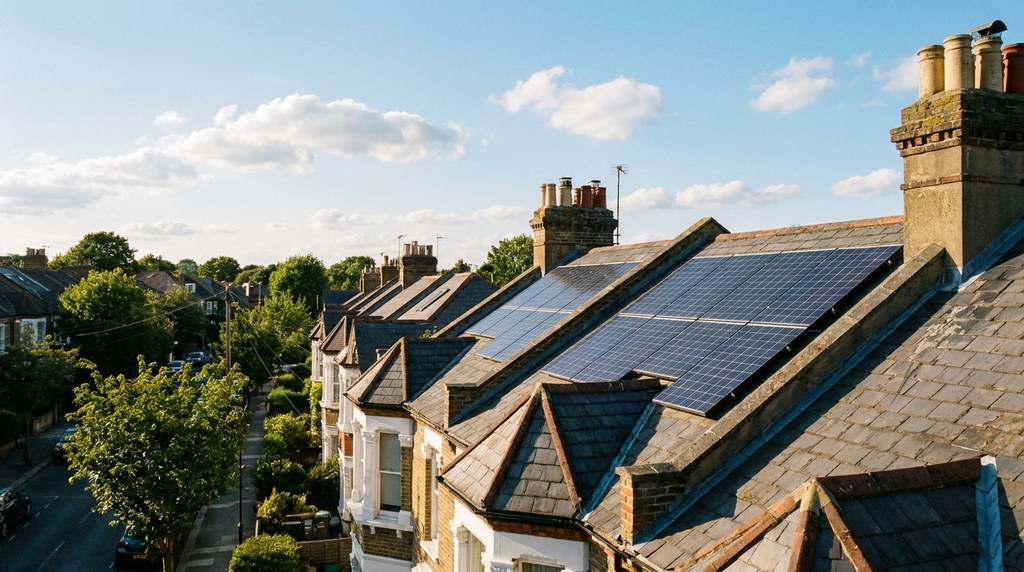
Solar panels typically stop working when their power output falls below 80% of the original rated capacity, which the Energy Saving Trust states occurs after around 25 years of use (Energy Saving Trust, 2026). This gradual decline is called degradation, not sudden failure.
The main variable is the type and quality of the solar panel. Monocrystalline panels degrade at roughly 0.3–0.5% per year, while polycrystalline panels degrade at 0.5–0.7% per year. Panels do not stop working entirely; they simply produce less electricity as they age. Most manufacturers guarantee 80% output after 25 years, and panels often continue generating at lower rates for decades longer.
Degradation rate determines end of life
Solar panels stop working effectively when their annual degradation pushes output below 80% of the rated capacity. The average degradation rate for modern panels is 0.5% per year, meaning a 300W panel will produce roughly 240W after 25 years (BRE, 2026). High-quality panels from Tier 1 manufacturers degrade at 0.3% per year, extending useful life to 30+ years. Cheaper panels degrade faster and may hit the 80% threshold sooner.
Physical damage causes sudden failure
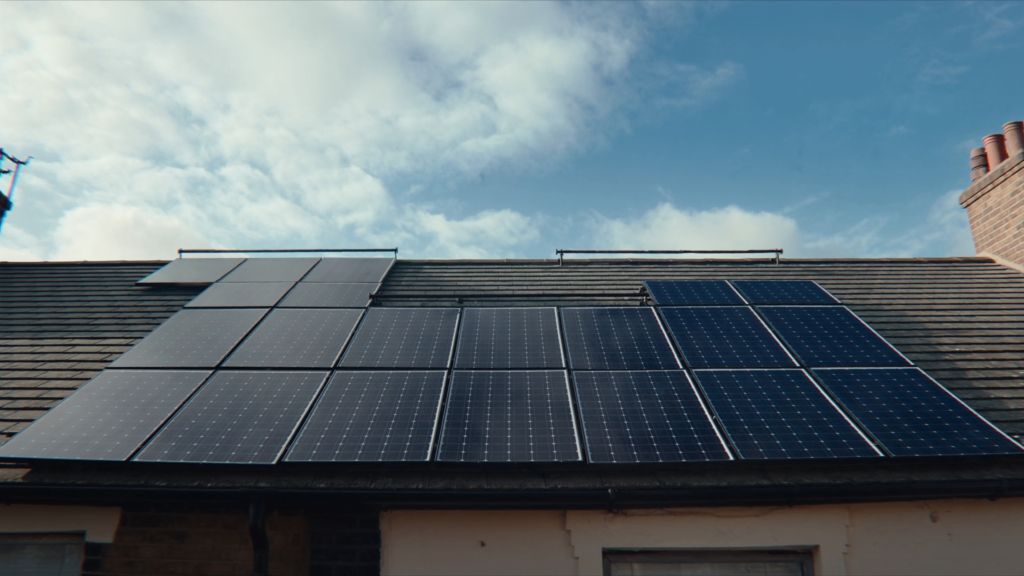
Solar panels stop working immediately if they suffer physical damage such as cracked glass, broken cells, or failed junction boxes. Hail, falling branches, or poor installation can cause microcracks that reduce output by 10–30% instantly (TrustMark, 2026). A single broken cell in a panel can cut its output by half because panels are wired in series. Regular visual checks and performance monitoring help catch damage early.
Inverter failure mimics panel failure
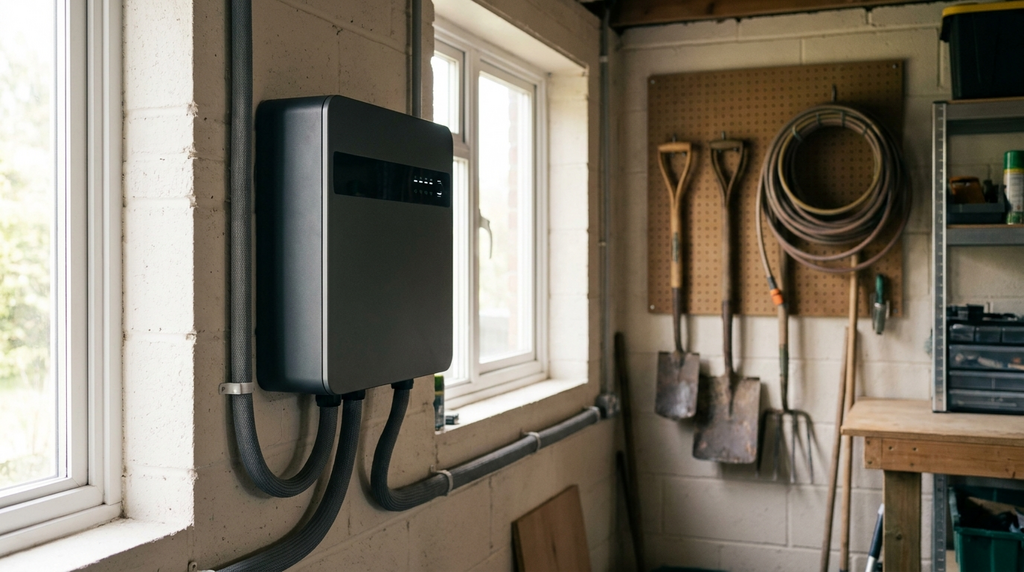
When solar panels stop working, the inverter is often the real culprit. Inverters have a typical lifespan of 10–15 years, compared to 25–30 years for panels. A failed inverter will show zero or very low generation on your monitoring system. That makes it look like the panels have stopped working (Ofgem, 2026). Replacing an inverter costs £800–£1,200 and restores full output, whereas replacing panels costs £3,000–£5,000 for a typical 3kWp system.
A worked example
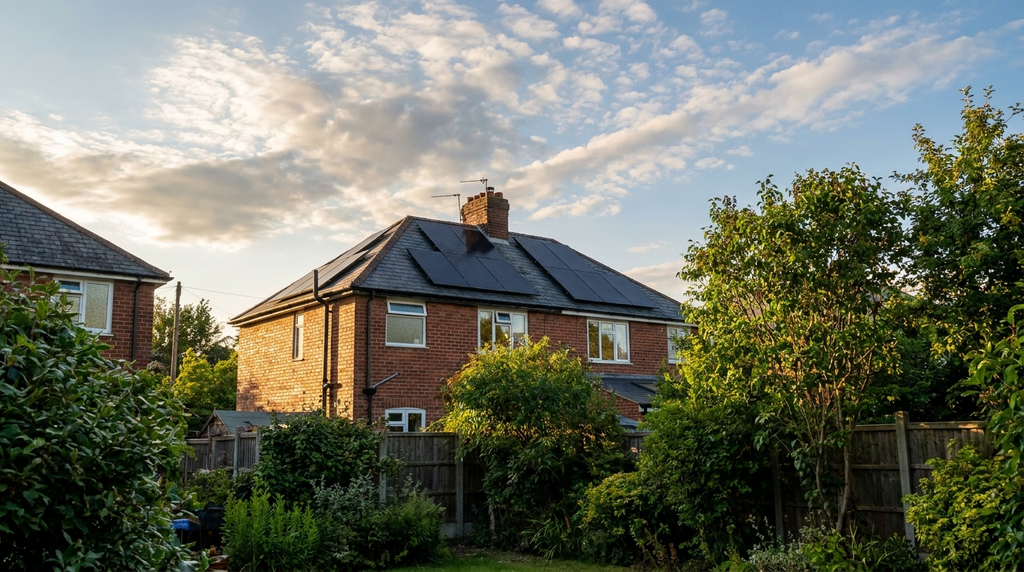
A typical 4kW solar panel system on a 1930s semi-detached house in Manchester stops producing enough electricity to justify its space after about 25 years, but a real-world scenario shows a homeowner can still save thousands. Take a household installing a 4.2kW system with 10 high-efficiency monocrystalline panels costing £7,500 before any support. With the 0% VAT rate until March 2027, the upfront cost drops to £6,250. If the household is eligible for the ECO4 scheme, they might receive an additional grant covering up to £1,500 toward the installation, reducing the total to £4,750. The Energy Saving Trust estimates a system like this saves roughly £540 per year on electricity bills. After 25 years, when output falls to around 80% of the original 4.2kW, the panels still generate about 3.36kW, saving around £430 annually. Over the full 25-year lifespan, total savings reach roughly £12,000, even accounting for the gradual degradation.
| Item | Figure |
|---|---|
| Upfront cost after grants | £4,750 |
| Yearly savings | £540 |
| Payback period | 9 years |
| 25-year lifetime savings | £12,000 |
What homeowners often get wrong
The most common mistake is assuming solar panels stop working completely after 25 years, when in reality they simply produce less power and can keep generating for decades. This leads to three recurring errors that cost homeowners money and miss out on government support.
- Panels stop working at 25 years exactly Many homeowners believe panels are worthless after the warranty expires. The truth is that panels degrade at roughly 0.5% per year, so a 25-year-old system still produces about 80% of its original output. Throwing them away early wastes thousands of pounds in free electricity.
- No maintenance needed after installation A surprising number of homeowners never clean their panels or check for damage. Dirt, bird droppings, and shading from tree growth can cut output by 15 to 25% immediately. A simple annual clean and trim can prevent a sudden drop in performance that mimics failure.
- Grants only cover new installations Some homeowners think ECO4 or BUS grants are only for brand-new systems. In fact, the ECO4 scheme can fund repairs or upgrades to existing solar setups if the household meets the eligibility criteria. Ignoring this means missing out on up to £1,500 in grant funding for a system that is still working.
Quick reference
- Solar panels degrade at 0.3% to 0.7% per year, meaning they lose 7.5% to 17.5% of their output over 25 years.
- Most manufacturers guarantee 80% power output after 25 years, but panels often continue generating electricity for 30 to 40 years.
- To qualify for the ECO4 grant, your household must receive a qualifying benefit and your home must have an Energy Performance Certificate rating of D, E, F, or G.
- A 4kW system can save a typical UK household £500 to £600 per year on electricity bills, even after 20 years of use.
- Physical damage from storms, fallen branches, or poor installation can cause sudden failure, but this is rare and covered by most installers’ warranties for the first 10 years.
Frequently Asked Questions
Solar panels stop working effectively when their power output falls below 80% of the original rated capacity. The Energy Saving Trust states this typically occurs after around 25 years.
Solar panels last 25–30 years before output drops below 80% of rated capacity. High-quality monocrystalline panels can last over 30 years with 0.3% annual degradation.
Physical damage such as cracked glass, broken cells, or failed junction boxes can cause immediate failure. TrustMark reports microcracks from hail or poor installation can reduce output by 10–30% instantly.