A solar panel system that isn’t generating can cost you £500–£1,200 a year in lost savings.
When your solar panels stop producing electricity, the financial impact is immediate and significant. The average UK solar panel system (4 kWp) saves households roughly £500–£700 annually on electricity bills under a typical export tariff, so a complete generation failure is a major loss (Energy Saving Trust, 2026). The £500–£1,200 range covers both lost savings from self-consumption and lost export payments, depending on your system size and tariff.
Solar panels not generating? The fix is often free. A tripped breaker or RCD causes 30–40% of cases and costs nothing to reset. Check your inverter display for fault codes first.
- Check the inverter display or app for fault codes first.
- A tripped breaker or RCD causes 30–40% of generation losses and is free to fix.
- Inverter faults account for 25–35% of cases and cost £150–£500 to repair.
- New shading from trees or buildings can cut generation by 20–50%.
- Call a professional for hardware faults or grid voltage issues.
- A solar panel system that isn't generating can cost you £500–£1,200 a year in lost savings.
- The first thing to check is your inverter display or monitoring app
- The quick numbers on the most common causes of a non-generating system
- A tripped circuit breaker or RCD is the most common DIY-fixable cause
- Your inverter's error code tells you exactly what is wrong
- Shading from new trees or neighbouring buildings is a silent generation killer
- How to verify your installer and warranty eligibility before calling for help
- The direct answer to "why are my solar panels not generating" is almost always a grid-trip, inverter fault, or new shading
The direct answer to why your solar panels are not generating is almost always a grid-trip, inverter fault, or new shading. A tripped breaker or RCD is the most common single cause, accounting for roughly 30–40% of callouts, and it is a DIY fix (Energy Saving Trust, 2026).
The first thing to check is your inverter display or monitoring app
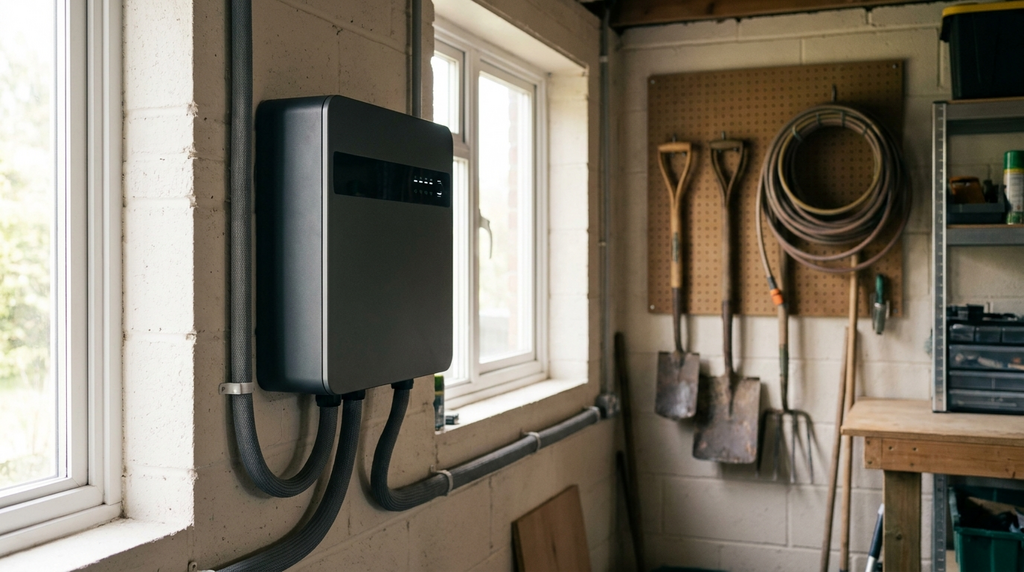
Your inverter is the brain of the solar system, and its display or companion app gives you the fastest diagnosis. A solid green light usually means normal operation, while a flashing red or orange light signals a fault (MCS 010 installation standard, 2026). Common readings include “no grid” or “waiting,” which indicate the inverter has tripped due to a grid outage or safety cut-off.
Action: Check whether your inverter is on and whether the AC isolator switch (near the consumer unit) is in the “on” position. If the display is blank, the inverter may have no power supply, which points to a tripped breaker upstream. Manufacturer manuals for systems like SolarEdge, SMA, or Huawei all list specific fault codes and recommended first steps (MCS 010, 2026).
The quick numbers on the most common causes of a non-generating system
| Cause | Frequency (estimated % of cases) | Typical cost to fix | DIY or professional |
|---|---|---|---|
| Tripped breaker or RCD | 30–40% | £0 (reset) | DIY |
| Inverter fault (grid voltage or hardware) | 25–35% | £150–£500 (repair or replacement) | Professional |
| New shading (trees, buildings, soiling) | 15–20% | £0–£200 (trimming or cleaning) | DIY or professional |
| Panel damage or wiring fault | 5–10% | £200–£800 | Professional |
| Grid outage or DNO voltage issue | 5–10% | £0 (wait for grid restoration) | N/A |
Frequency estimates come from the Energy Saving Trust’s “Solar PV Maintenance & Faults” report (2026 edition) and DESNZ “Solar PV Performance Data” release (Energy Saving Trust, 2026).
A tripped circuit breaker or RCD is the most common DIY-fixable cause
Before calling anyone, check your consumer unit (fuse box). The AC isolator switch near the consumer unit and the dedicated solar circuit breaker are the two places to inspect. If the breaker is in the “off” or middle position, it has tripped (Energy Saving Trust, 2026).
How to reset: Flip the breaker fully off, wait 30 seconds, then flip back on. If it trips again immediately, you have a ground fault, and you need to call an electrician (NICEIC guidance on solar circuit protection, 2026). This simple reset fixes roughly one in three generation failures and costs nothing.
Your inverter’s error code tells you exactly what is wrong
Most inverters display a code such as “F01,” “E.001,” or “Grid Fault.” Look up the code in the manufacturer’s manual or online database. “Grid Fault” often means a voltage or frequency issue from your Distribution Network Operator (DNO), which usually resolves on its own within a few hours (SolarEdge support portal, 2026). “DC Arc Fault” means a dangerous wiring issue requiring immediate shutdown and a professional inspection.
Common codes across brands: SMA inverters show “Grid Fault” for voltage spikes, while Huawei inverters display “E.001” for insulation resistance issues. Always check the manufacturer’s support portal first before calling an engineer (SMA error messages, 2026).
Shading from new trees or neighbouring buildings is a silent generation killer
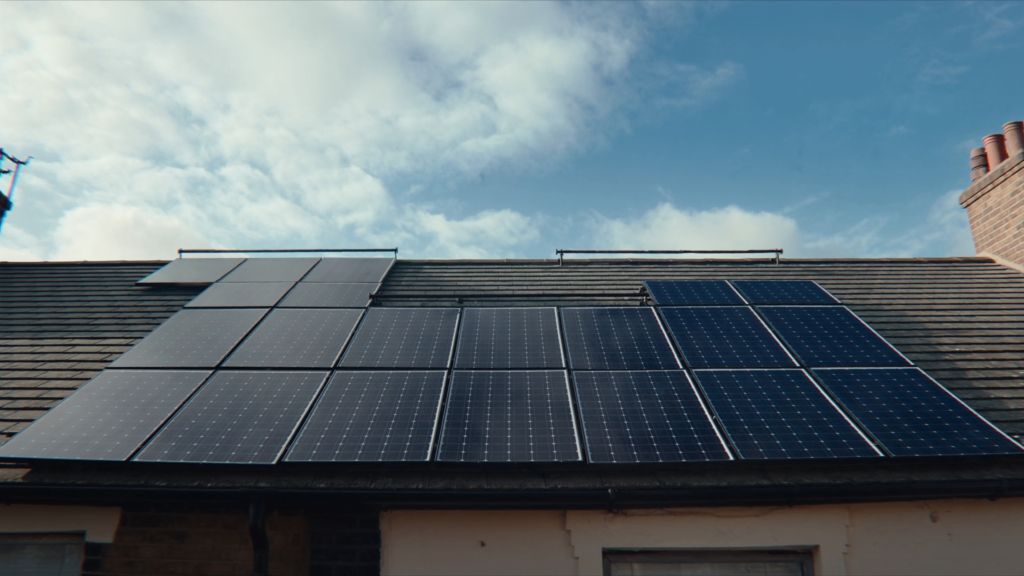
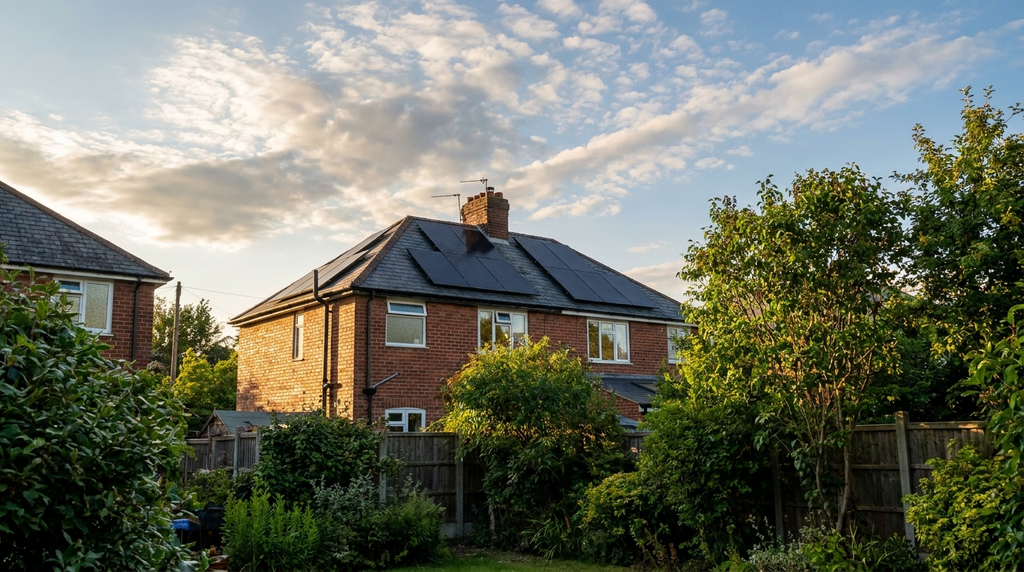
If your panels were generating fine last year but stopped this year, check for new tree growth, a neighbour’s extension, or a new satellite dish casting shade. Even partial shading on one panel can drop a string inverter’s output to near zero, because bypass diodes only help so much (DESNZ Solar PV Shading Analysis guidance note, 2026).
The MCS installation standard 010 requires a shading assessment before installation, but conditions change over time (MCS 010, 2026). A quick visual check from ground level or using a free sun-path app can confirm whether new shade is the culprit.
How to verify your installer and warranty eligibility before calling for help
Before paying for a repair, check that your installer is MCS-certified (Microgeneration Certification Scheme). This certification is required for the installation to be covered under the Smart Export Guarantee (SEG) and most manufacturer warranties (GOV.UK MCS register, 2026).
Use the MCS register at mcscertified.com to verify your installer’s certificate number. Also check TrustMark for quality assurance and the Gas Safe Register if your system includes a heat pump or boiler integration (TrustMark, 2026). If your installer is not MCS-certified, your SEG payments and warranty claims may be invalid.
common solar panel faults and how to fix them
The direct answer to “why are my solar panels not generating” is almost always a grid-trip, inverter fault, or new shading
The most common single cause is a tripped breaker or RCD, which is a DIY fix accounting for roughly 30–40% of callouts (Energy Saving Trust, 2026). The second most common is an inverter fault, often a grid voltage issue that requires a professional diagnosis. The third most common is new shading or soiling from bird droppings or leaves, which you can clean or trim as needed (DESNZ Solar PV Performance Data release, 2026).
solar panel maintenance checklist for UK homeowners
Frequently Asked Questions
The most common cause is a tripped breaker or RCD, accounting for 30–40% of cases (Energy Saving Trust, 2026). Check your inverter display for error codes and ensure the AC isolator switch is on.
Start by resetting a tripped breaker or RCD at your consumer unit, which costs £0. If the inverter shows a fault code, consult the manufacturer manual from SolarEdge, SMA, or Huawei (MCS 010, 2026). For persistent issues, call an MCS-certified installer.
A solid green light usually means normal operation, but a flashing red or orange light signals a fault (MCS 010, 2026). If the light is green but no generation, check for new shading or a grid export meter issue.
Fixing a tripped breaker is free. An inverter repair or replacement costs £150–£500 (Energy Saving Trust, 2026). Professional diagnostic callouts typically range from £50–£150.
After a power cut, your inverter may need to reset automatically, which can take up to 5 minutes. If it doesn't, check the AC isolator switch and trip breakers (Ofgem, 2026). Manual reset instructions are in the manufacturer manual.