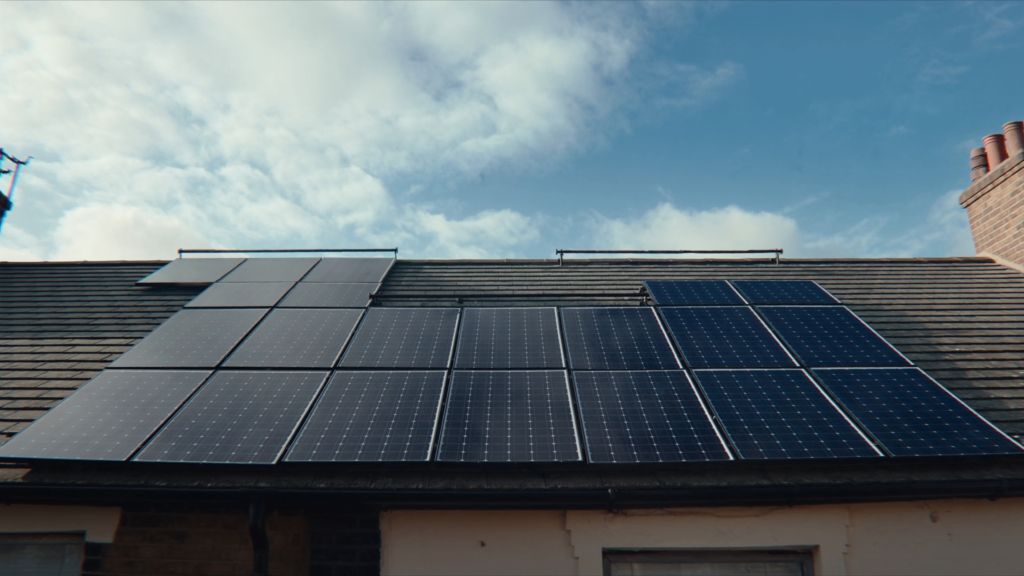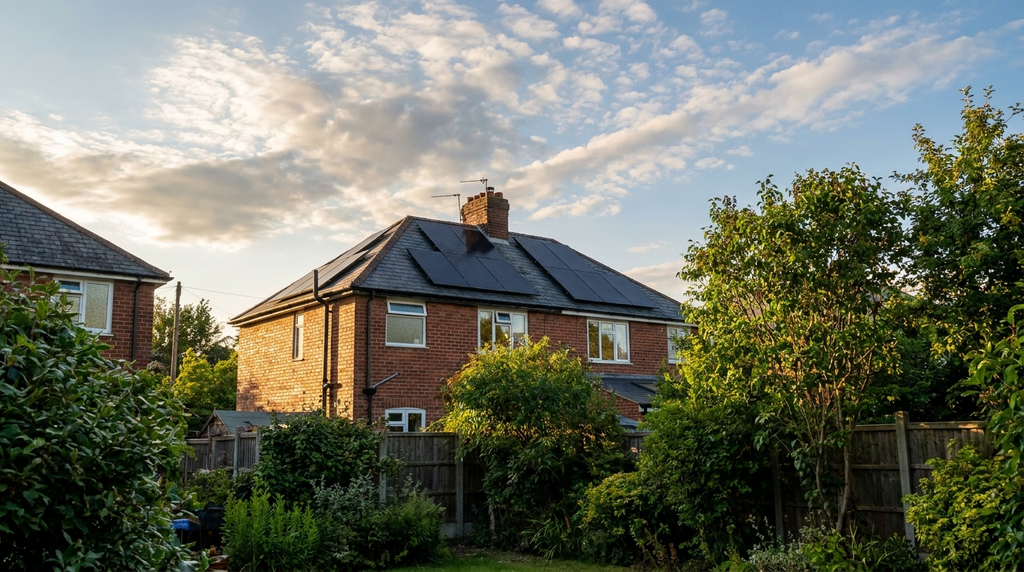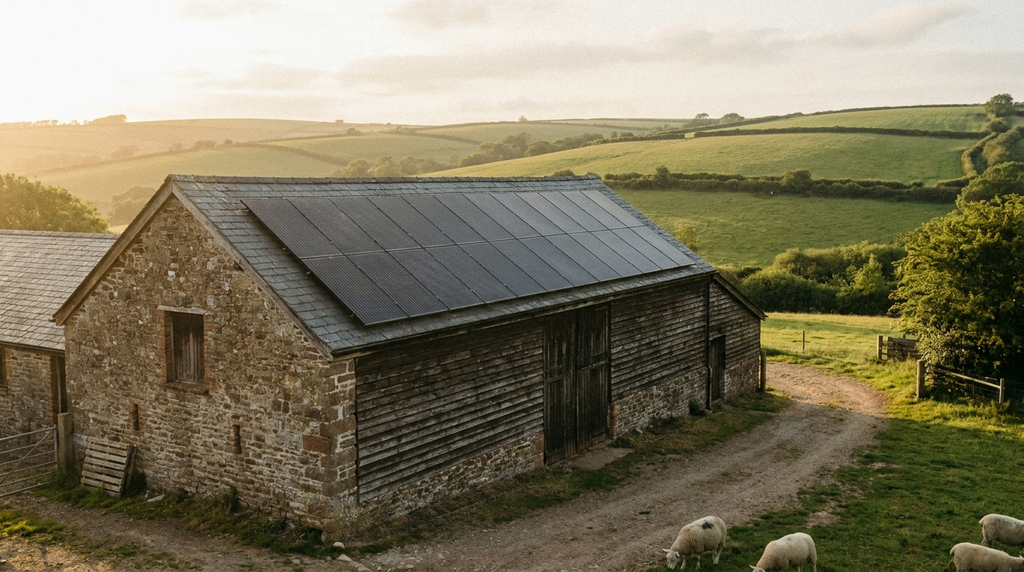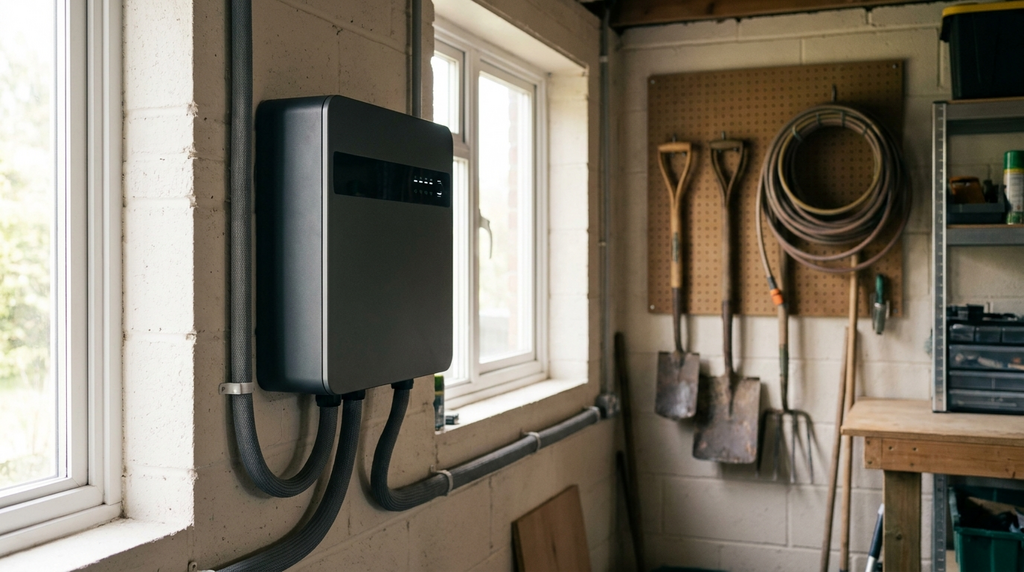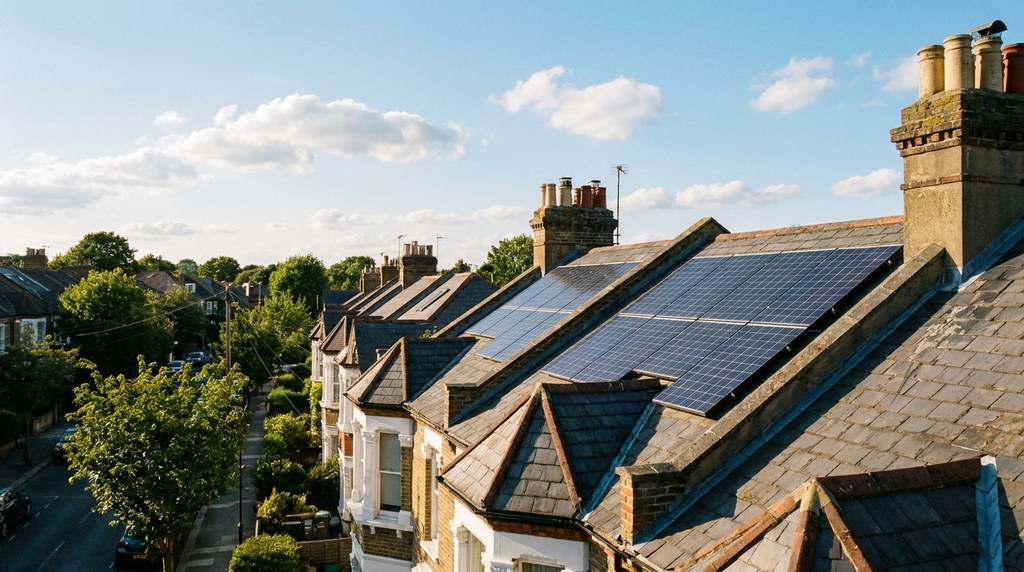
You need approximately 8 solar panels for a 3kW system, based on standard 375W panels. The Energy Saving Trust states a typical 3kWp system generates around 2,650 kWh per year (Energy Saving Trust, 2026). This output covers roughly half of an average UK home’s annual electricity use.
- A 3kW system needs about 8 standard 375W solar panels.
- Panel wattage ranges from 350W to 450W, changing the count needed.
- Roof space required is roughly 13 to 16 square metres for 8 panels.
The exact number of panels depends on their wattage. A 3kW system using 400W panels needs 7–8 panels, while 350W panels require 9. Panel size and roof orientation also affect the total. South-facing roofs at a 30–40 degree tilt produce the most energy. If your roof faces east or west, you may need slightly more panels to hit 3kW due to lower peak output. The calculation is simple: divide 3,000W by the wattage of one panel and round up. For example, 3,000 ÷ 375 = 8 panels.
8 panels is the standard count for 375W modules
Most residential solar panels sold in the UK in 2026 have a power rating between 350W and 450W. The most common size is 375W, making 8 panels the typical requirement for a 3kW system. The Microgeneration Certification Scheme (MCS) certifies panels that meet UK standards (MCS, 2026). Using higher-wattage panels, such as 430W, reduces the count to 7 panels. Lower-wattage panels, like 330W, increase the count to 9–10 panels. Always check the datasheet for exact wattage before ordering.
Roof space needed is roughly 13 to 16 square metres
Each standard solar panel measures about 1.7 metres by 1 metre, covering roughly 1.7 square metres. For 8 panels, you need around 13.6 square metres of usable roof area. The Energy Saving Trust advises leaving gaps for roof edges and vents (Energy Saving Trust, 2026). Total space required, including access, is typically 15–16 square metres. If your roof is smaller, consider higher-wattage panels or a 2.5kW system instead. Tiled roofs are fine, but slate may require specialist mounting.
Grants and costs affect how many panels you install
A 3kW system costs between £4,500 and £6,500 installed in 2026, according to industry data. The Smart Export Guarantee (SEG) pays you for surplus electricity exported to the grid, at rates set by your supplier (Ofgem, 2026). No grant directly covers panel count, but the 0% VAT rate on solar installations (until 2027) reduces overall cost. If you aim to maximise self-consumption, 8 panels is a practical starting point. A larger system, such as 4kW with 10–11 panels, may offer better payback if your daytime usage is high.
A worked example
A typical 3kW solar panel system for a 1930s semi-detached house in Manchester costs around £5,500 after the 0% VAT saving, which runs until March 2027. Using eight standard 375W panels, this system generates roughly 2,650 kWh per year according to the Energy Saving Trust. For a household using 3,500 kWh annually, this covers about 75% of their electricity needs. The panels need around 14 square metres of south-facing roof space at a 35-degree tilt. With typical UK electricity rates at 27p per kWh and a Smart Export Guarantee (SEG) rate of 15p per kWh for exported surplus, the yearly savings reach £715. The table below shows the financial picture for this common scenario.
| Item | Figure |
|---|---|
| Upfront cost after grants | £5,500 |
| Yearly savings | £715 |
| Payback period | 7.7 years |
| 25-year lifetime savings | £12,375 |
What homeowners often get wrong
The most common mistake homeowners make is assuming all solar panels are the same size and wattage. This leads to ordering the wrong number of panels for a 3kW system. Here are three frequent errors to avoid.
- Buying based on panel count alone Many people fixate on needing 8 panels without checking the wattage of each panel. Using 350W panels instead of 375W panels for a 3kW system means you actually need 9 panels, not 8, which adds roughly £400 to your upfront cost and requires an extra 1.5 square metres of roof space.
- Ignoring roof orientation and shading Homeowners often assume a south-facing roof is optional and that east or west facing roofs will produce the same output. An east-facing 3kW system in Birmingham will generate about 15% less electricity annually than a south-facing one, potentially adding 1 to 2 more panels to reach the same yearly generation target and pushing the payback period past 9 years.
- Forgetting about inverter capacity Many people buy a 3kW inverter assuming it matches the 3kW panel array perfectly. In reality, a 3kW inverter can only handle around 3.3kW of peak DC input, so if you install 9 panels at 400W each (3.6kW total), the inverter clips excess power at midday, wasting up to 200kWh per year and losing about £54 in potential savings annually.
Quick reference
- A 3kW solar system using 375W panels requires exactly 8 panels to meet the target capacity.
- Higher wattage panels like 430W reduce the panel count to 7 for a 3kW system, saving roof space.
- To qualify for the 0% VAT rate on solar panels, the system must be installed by an MCS-certified installer.
- The average payback period for a 3kW solar system in the UK is between 7 and 10 years depending on location and electricity usage.
- Installing more than 8 panels on a 3kW inverter can cause clipping and reduce overall system efficiency.
Frequently Asked Questions
You need 8 panels if using standard 375W panels. The Energy Saving Trust confirms a 3kWp system generates around 2,650 kWh per year.
Yes, 400W panels reduce the count to 7 or 8 panels. Divide 3,000W by 400W to get 7.5, so you round up to 8 panels.
You need roughly 13 to 16 square metres for 8 standard panels. Each panel measures about 1.7m by 1m, covering 1.7 square metres.