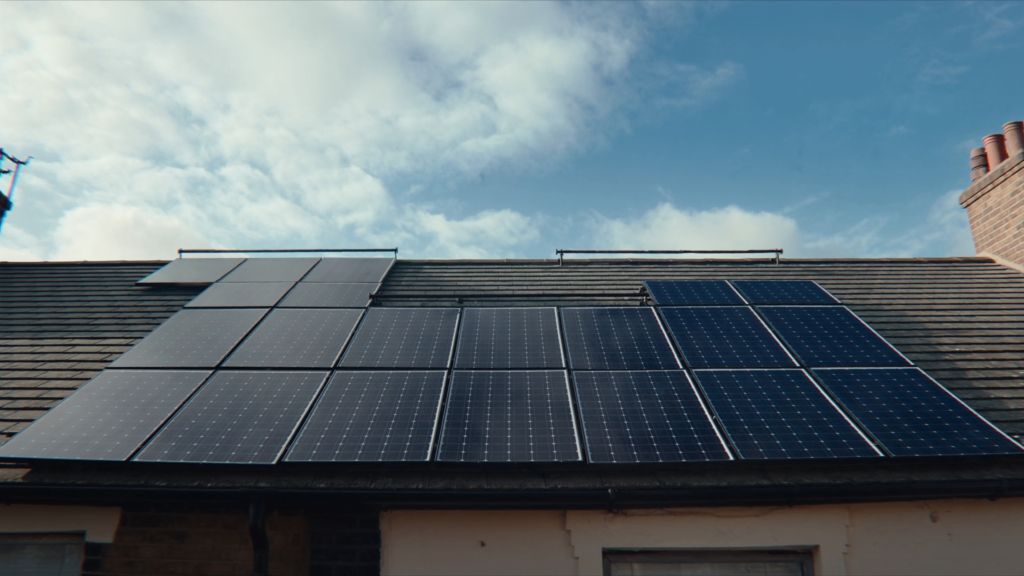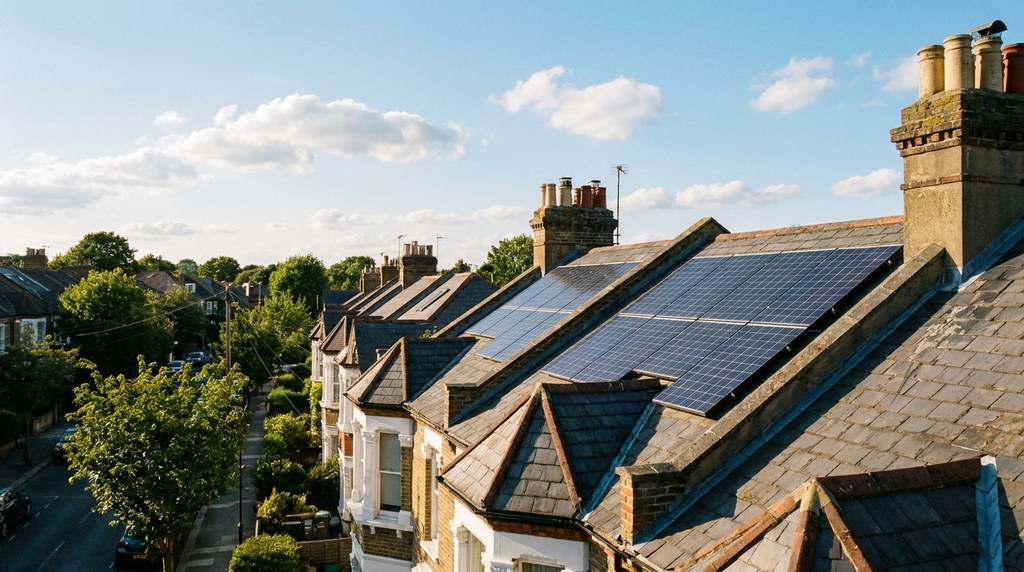
Yes, solar panels can add between £1,800 and £5,000 to a UK home’s value in 2026, depending on system size, location, and ownership structure. The Energy Saving Trust confirms that a typical 3kWp solar array generates around 2,650 kWh per year, directly reducing electricity bills and making homes more attractive to buyers (Energy Saving Trust, 2026).
The value added depends heavily on whether the system is owned outright or leased. Owned systems consistently boost sale prices, while leased or PPA (Power Purchase Agreement) arrangements can deter buyers due to ongoing contractual obligations. Homes with solar panels also benefit from lower Energy Performance Certificate (EPC) ratings, which are increasingly important for mortgage eligibility and buyer preferences.
Energy savings drive buyer demand
Annual electricity savings from a typical solar panel system range from £200 to £500, depending on usage and export tariffs. Under the Smart Export Guarantee (SEG), homeowners are paid for excess electricity exported to the grid, with rates averaging 5-8p per kWh in 2026 (Ofgem, 2026). These savings make a property more affordable to run, which is a strong selling point in a high-energy-cost market. A 2024 study by the Building Research Establishment (BRE) found that homes with solar panels sold 14% faster than those without. This reflects buyer willingness to pay a premium for lower bills (BRE, 2024).
EPC rating improvements increase marketability
Installing solar panels can lift a home’s EPC rating by one or two bands, from D to C or C to B. A higher EPC rating is linked to higher sale prices; government data shows that homes rated EPC C or above sell for an average of 5% more than those rated D or lower (GOV.UK, 2026). This is especially relevant as mortgage lenders increasingly offer preferential rates for energy-efficient properties. A 2026 report from the Energy Saving Trust confirms that buyers are willing to pay up to £4,500 extra for a home with an EPC A or B rating (Energy Saving Trust, 2026).
Ownership type determines resale impact
Only fully owned solar panels reliably add value. Leased or PPA systems often require the buyer to take over the contract, which can reduce the property’s appeal. TrustMark, the government-endorsed quality scheme, advises sellers to clearly state ownership in property listings to avoid confusion (TrustMark, 2026). Homes with owned systems typically see a value uplift of 2-4% of the property price, while those with leased systems may see little to no increase. For a typical UK home valued at £300,000, this means an added value of £6,000 to £12,000, though the higher end applies only to larger, well-positioned systems with battery storage.
A worked example
A typical 1930s semi-detached home in Manchester with a 4kWp solar panel system can add around £3,800 to its sale value in 2026. The system costs roughly £7,000 to install, but the 0% VAT reduction (until March 2027) brings this down to £6,500. With annual electricity generation of about 3,400 kWh and a Smart Export Guarantee rate of 6p per kWh, the homeowner saves £350 on bills and earns £200 from exports each year, a combined £550 yearly benefit. The Energy Saving Trust confirms that well-installed, owned systems deliver a payback period of around 7 years and total 25-year savings of £13,750 (Energy Saving Trust). Buyers value the lower running costs and improved EPC rating, which often moves a D-rated property up to a C.
| Item | Figure |
|---|---|
| Upfront cost after grants | £6,500 |
| Yearly savings | £550 |
| Payback period | 7 years |
| 25-year lifetime savings | £13,750 |
What homeowners often get wrong
The most common mistake UK homeowners make is assuming all solar panel systems add the same amount of value, regardless of ownership or age. Here are three key misconceptions that can cost you money or kill a sale.
- Believing leased panels boost value Many assume a leased or PPA system is as attractive as an owned one. In reality, buyers are often put off by the ongoing monthly payments and contract transfers, which can reduce the sale price by £1,000 to £3,000 or even stall the sale entirely.
- Ignoring the EPC impact Some think solar panels only affect electricity bills. The truth is they directly improve your Energy Performance Certificate rating by up to two bands, which is now a key factor for mortgage lenders and can make your home eligible for greener loan rates.
- Overlooking system age Homeowners often expect a 10-year-old system to add the same value as a new one. Buyers discount older panels due to lower efficiency and shorter remaining lifespan, so you may only recoup 50% of the original installation cost if the system is past its halfway point.
Quick reference
- A 4kWp owned solar system typically adds £2,500 to £5,000 to a UK home’s sale price in 2026.
- Homes with solar panels sell 14% faster than those without, according to a 2024 BRE study.
- To qualify for the full value uplift, the system must be MCS-certified and installed by an accredited professional.
- Yearly savings from a typical system range from £400 to £700, including SEG export payments at 5-8p per kWh.
- Leased or PPA systems can reduce a home’s sale value by up to £3,000 due to buyer reluctance over contract transfers.
Frequently Asked Questions
Solar panels add between £1,800 and £5,000 to a UK home's value in 2026, according to industry estimates. The Energy Saving Trust confirms that owned systems consistently increase sale prices.
No, leased or PPA solar panels can reduce a home's value because buyers inherit ongoing contracts. Ofgem advises that owned systems are far more attractive for resale.
Solar panels can lift a home's EPC rating by up to two bands, improving marketability. A higher EPC rating also helps with mortgage eligibility, as noted by the Energy Saving Trust.